Owning the van already puts you ahead of most buyers. You avoided shopping for a converted vehicle, you know the van fits your chair and your route, and you are not paying for a whole new chassis. What remains is the question that decides the project: what will it cost to put a lift in it?
There is no single number, because a van lift quote is assembled from several parts. The lift hardware is one line. Mounting and reinforcement, electrical work, securement, labor, and sometimes travel are others. Two owners with the same van and the same lift model can still see different totals, and understanding why is the best way to evaluate a bid before anyone cuts into the floor.
What a van lift installation quote actually pays for
Installation is not one service. It is a bundle of tasks, and the bundle changes with the lift type and the van. A complete quote usually covers some version of the following lines:
- The lift or ramp system itself, including the platform, frame, and any folding or stowing mechanism
- Mounting brackets, reinforcement plates, and floor or subfloor work needed to carry the load safely
- Electrical work, including wiring, fusing, interlocks, and the connection to the van’s electrical system
- Controls and switches, including any remote or pendant the system uses
- Wheelchair securement and occupant restraint hardware when it is part of the same job
- Testing, load checks, and adjustment after the lift is mounted
- A walkthrough so the owner or caregiver understands operation, stowing, and daily checks
- Removal of packaging, and removal or disposal of old equipment when that applies
When a bid looks unusually low, one of those lines is often missing. Ask which ones are included in writing rather than assuming.
Why two quotes for the same van can differ
The lift model gets most of the attention, but it is only one variable. Scope is what moves the total, sometimes by more than the choice of brand. The factors below explain most of the gap between a modest estimate and a much larger one.
- The type of lift and where it enters the van, whether at the side or the rear
- Weight capacity and platform size, since heavier-rated equipment typically costs more and may require more reinforcement
- The van model, roof height, and door opening, all of which affect what will physically fit
- Whether the van already has a lowered floor or other conversion work that changes mounting points
- The condition of the van’s electrical system, battery, and charging setup
- Local labor rates and how far the installation crew has to travel
- Whether securement, restraints, and occupant protection are bundled into the job
Published lift pricing shows how wide the range gets
Published figures for accessibility lifts give a sense of scale. One pricing guide puts most vertical platform lift projects in California, with installation, between $9,000 and $25,000. Another roundup lists vertical platform lifts from $6,000 and inclined models from $8,000, with residential projects falling in the $6,000 to $15,000 band. A third source describes residential wheelchair lift projects running from about $5,000 to $40,000 depending on the setup.
Those are building lifts, not vehicle lifts, so none of them is a quote for your van. They do make the central point clearly. The scope of the installation drives the price more than the product category does. A straightforward job on a prepared van and a complicated job on a worn one are not the same project even if the lift box is identical.
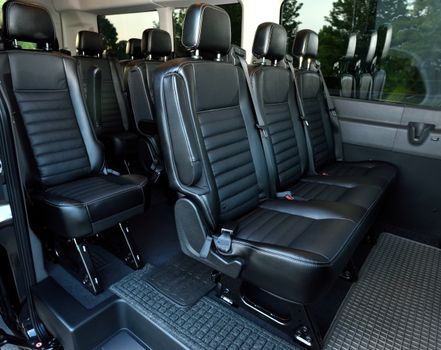
The van side of the equation matters as much as the lift
In the My Mobility Center program, the customer buys a high-roof van from a dealer in their own name, and the company installs the lift and securement. That structure keeps the vehicle purchase separate from the accessibility work, which makes the installation cost easier to see and compare.
Van condition deserves real attention before the quote is finalized. Rust, prior modifications, and worn suspension can all add labor, because the installer has to make the mounting points sound before the lift goes in. Roof height and door opening determine which equipment will fit without modifying the body. The electrical system matters too, since a lift adds load and the battery and charging setup need to support it. A thorough installer will look at all of this before quoting a firm price rather than after.
Labor, travel, and who actually does the work
Labor is where quotes diverge most, and it helps to know who is turning the wrenches. My Mobility Center uses company employees rather than subcontractors, and those technicians are mobile, covering 32 states from a home base that includes a showroom in Athens, Georgia. The company has done this work since 1990, is family-owned, and is an authorized dealer for more than 40 manufacturers.
For a van owner, the practical question is whether travel is included in the bid and how it is calculated. A crew coming to your driveway or fleet yard may build mileage, time, or an overnight into the number. That is not a reason to avoid mobile service, but it should be a visible line item rather than a surprise on the final invoice.
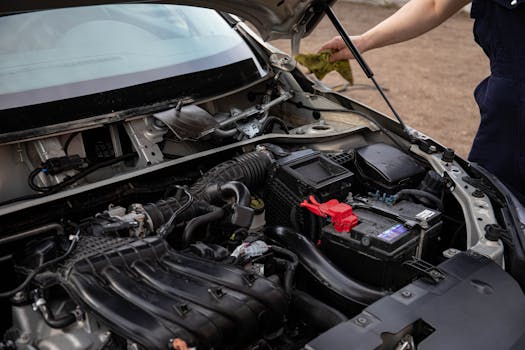
Moving a lift from an old van to a new one
If you are replacing the van rather than adding a lift to a van you plan to keep, reuse may be possible. Published service guidance notes that there is usually a removal and re-installation cost, and that owners should consult a local dealer to find out whether a specific lift can be transferred at all. Feasibility depends on the lift, the two vans, and the condition of the hardware.
Budget for removal as its own job. It involves disconnecting electrical work, unbolting reinforcement, and inspecting components that have been in service. Reinstallation is not simply the reverse, because the new van may need different brackets, different wiring, or additional reinforcement.
What a written quote should show
A useful quote is specific enough that you can compare it to another one line by line. If a bid arrives as a single total with no breakdown, ask for detail before signing.
- The lift make and model, capacity, and platform dimensions
- Parts and labor listed separately, with labor hours or a stated labor allowance
- Reinforcement, floor work, and any body modification called out as its own line
- Electrical work described, including what will be added or upgraded
- Securement and restraint hardware, if included
- Testing, adjustment, and the handover walkthrough
- Travel charges, if any, and how they are calculated
- Warranty terms on the equipment and on the installation labor
Costs that continue after the lift is installed
Installation is the largest single expense, but it is not the last one. Lifts have moving parts, electrical connections, and securement hardware that need periodic attention. Preventive maintenance and securement service are worth budgeting from the start, particularly for a van that carries passengers daily or serves a fleet.
Organizations with multiple vehicles often use scheduled preventive maintenance programs, and facilities such as assisted and independent living communities sometimes host on-site tune-up clinics. For an individual owner, the takeaway is simpler. Regular service protects the installation you already paid for, and a lift that is neglected tends to cost more later than it would have cost to maintain.
How to compare two installation quotes fairly
Start by confirming that both quotes cover the same lift and the same scope. A lower total that omits reinforcement or securement is not a lower price for the same work. Then look at labor and travel separately, since those are the lines most likely to change once the van is on the lift.
Ask each installer what they found when they inspected the van, and whether the quote assumes any repair work. A company that has looked at the floor, the door opening, and the electrical system is in a better position to hold its number. Finally, weigh the warranty and the service relationship, not just the day-one figure. The installer who will still answer the phone in year three is part of what you are paying for.
Frequently Asked Questions
How much does it cost to install a wheelchair lift in a van I already own?
There is no universal figure, because the total depends on the lift type, the van, the reinforcement required, the electrical work, securement, labor rates, and any travel. Published accessibility lift pricing ranges from several thousand dollars to tens of thousands depending on scope, though those figures cover building lifts rather than vans. Request a written, itemized quote for your specific vehicle.
Is the lift hardware or the labor the bigger expense?
Usually the equipment is the larger line, especially for a full power lift with securement. Labor becomes a bigger share when the van needs reinforcement, electrical upgrades, or body modification. Asking for parts and labor to be listed separately makes the split visible and lets you compare competing bids on equal terms.
Can I install a wheelchair lift myself?
Installation involves structural mounting, electrical connections, and securement that must hold under load, so most owners use a qualified installer. A poor mounting job can damage the van and compromise safety. If you are considering doing any part yourself, confirm with the lift manufacturer and your insurer what is permitted before starting.
Can a lift be moved from my old van to a new one?
Sometimes, but it is not automatic. Published service guidance notes that removal and reinstallation usually carries its own cost, and that owners should consult a local dealer about whether a specific lift can be transferred. The answer depends on the lift model, the two vans, and the condition of the hardware after removal.
What should I ask before approving the installation?
Ask which lift model and capacity the quote covers, what reinforcement and electrical work are included, whether securement is part of the job, and how travel is charged. Confirm the warranty on both equipment and labor, and ask what maintenance the lift will need. Getting those answers in writing before work begins prevents most billing surprises.