School Districts
Bus lift PM and air conditioning, classroom seating and changing stations, and building access across a campus portfolio.

Free Consultation | Estimate
A mobility specialist will contact you shortly. All consultations, estimates, and scopes of work are provided completely free of charge. No pressure or obligation.
Buildings fail people in a handful of predictable places. Point at the one that is causing you trouble and we will show you what goes there.
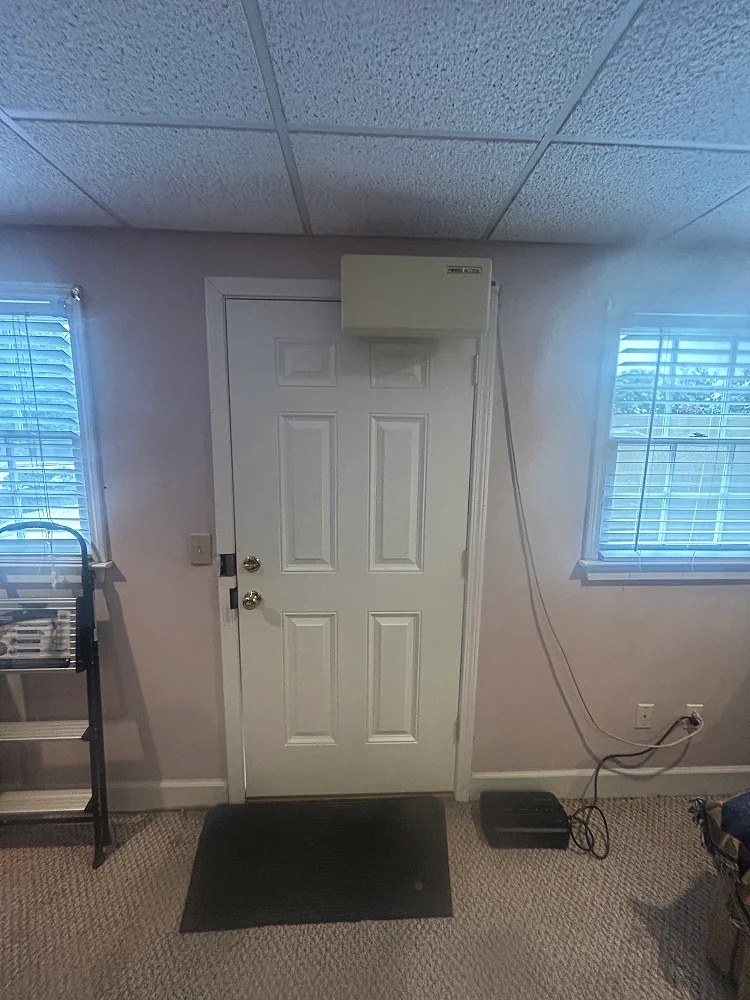
A door too heavy to manage from a chair, a threshold that stops a caster, steps where a ramp belongs.
A stage, a split level, a mezzanine, a few steps into a portable classroom. Wherever the building goes up and a wheelchair cannot.
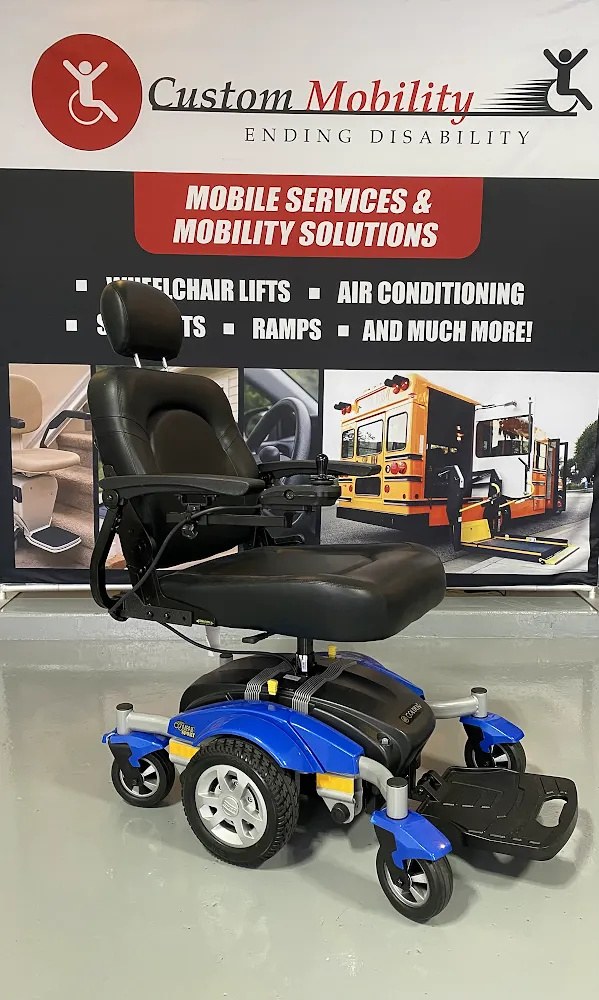
A student who cannot be held safely by a standard chair, or who cannot get a wheelchair under a desk.
Moving a student or resident safely, without hurting the person doing the lifting. This is where staff injuries come from.
Adult changing needs are the gap most buildings have not solved, and the one families notice first.
Point at one.
Public agencies and institutions of every size. The equipment differs; the way we work does not.
Bus lift PM and air conditioning, classroom seating and changing stations, and building access across a campus portfolio.
Fixed route and paratransit lift maintenance, securement service, and driver training, documented per unit.

A federal contractor and approved vendor to the VA. There is a page on exactly how that runs.
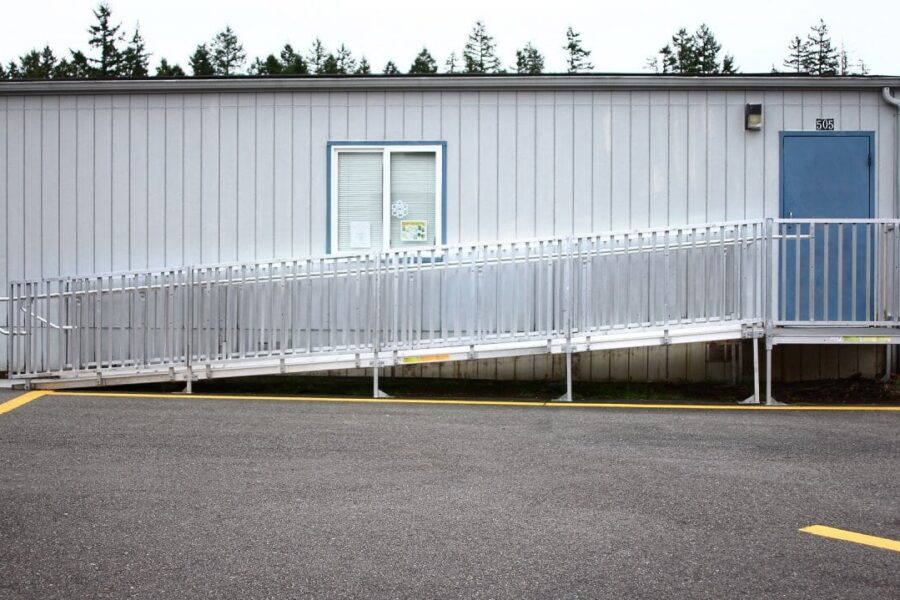
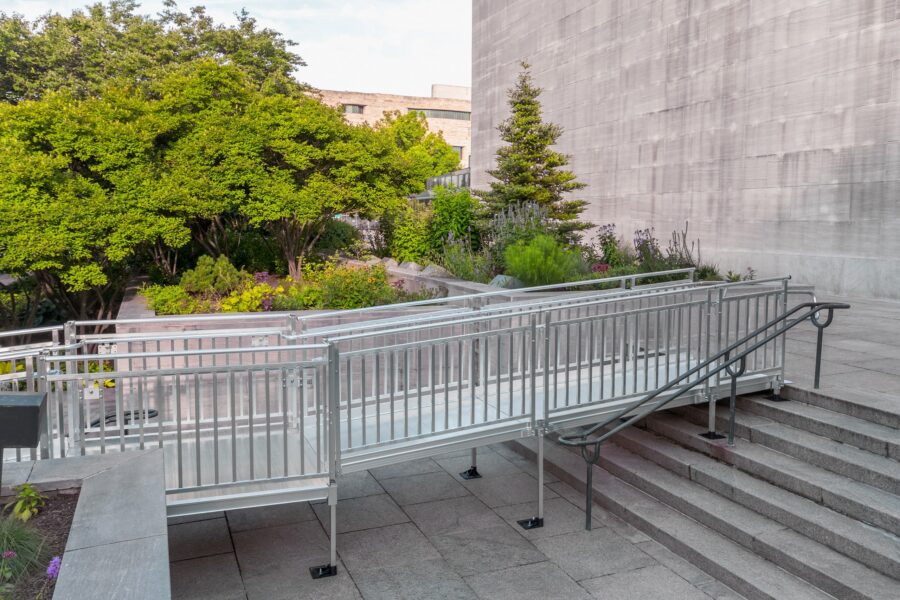
Public buildings, courthouses, libraries, parks, and recreation facilities. Ramps, platform lifts, door operators, and ADA audits.
Patient lifts, ceiling track, resident equipment, and free on-site tune-up clinics for assisted and independent living.
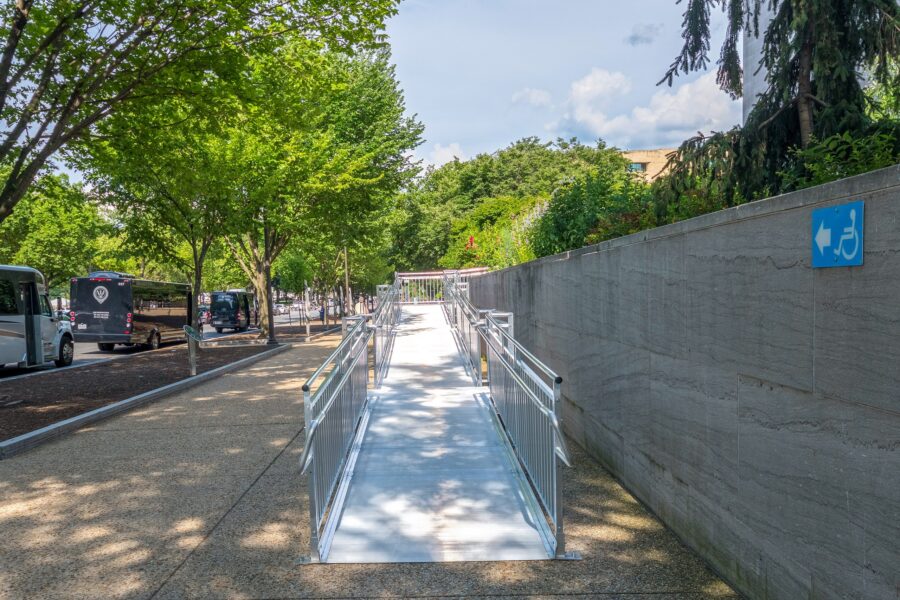
Workplace accommodation, building access, and accessible seating and workstations across a campus or a portfolio.
























Fleet work is one of six lines on this page, and it is the one with the most moving parts. Point at whichever is costing you buses.
Roof units front and rear, working hardest on short routes where the door opens every few minutes. It is usually the first thing to fail in May, and the students who cannot tell you they are overheating are the ones sitting under it.
Cycled several times a day by drivers who were trained once. Most failures we find are wear and adjustment rather than a broken part, which is exactly what preventive maintenance catches.
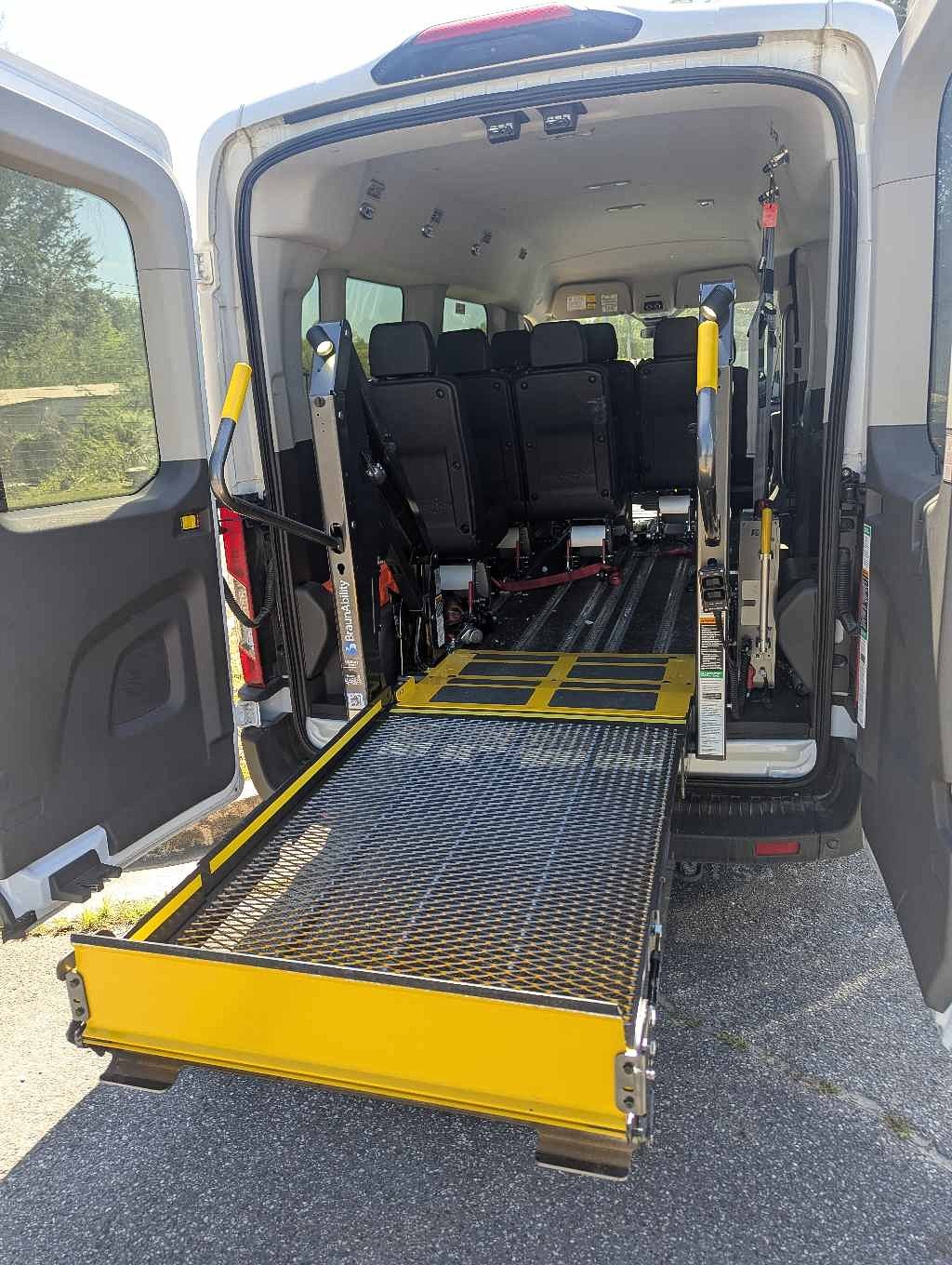
Tracks, retractors, and occupant restraints. Worn webbing and the wrong attachment point are the two things we find most, and neither shows up until it matters.
Every fleet already pays for lift maintenance. The only question is whether it is paid on a schedule you control or on the morning a bus does not run.
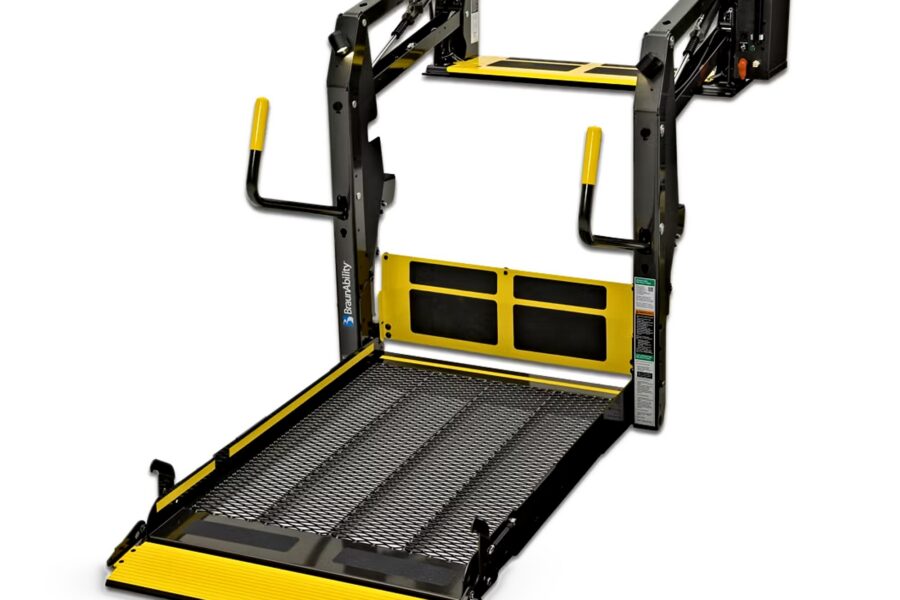
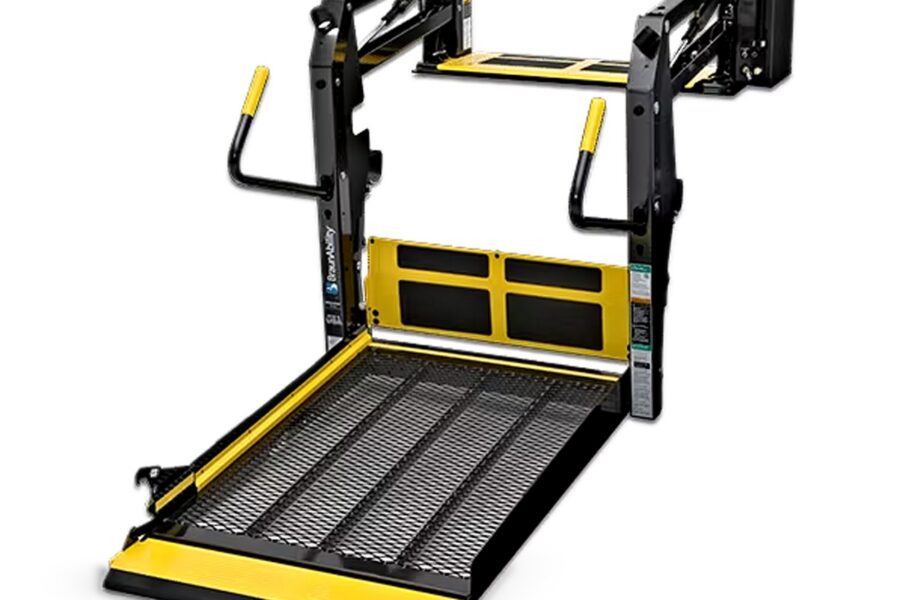
Tell us the bus or van and see the BraunAbility commercial lift that fits it, with its price, install kit and installation included.
Tell us the vehicle and see the BraunAbility transfer seat base that fits it, with its price, installation included.
Give us the number of lifts, AC systems and heaters and how often each should be serviced, and see the yearly price with the volume discount applied.
You already know how many units you run. Give us the counts and what you need covered. That is what the price is built from, and a written proposal comes back.
Five steps, whether it is a bus fleet, a building, or a classroom fit-out. You can stop after the second one and keep the proposal.
How many air conditioning units, how many wheelchair lifts, and a bus list if you have one: VINs, mileage, year, make and model. If you do not have a list, we will build one.
A call, not a sales visitA written scope and price for preventive maintenance. Repairs are not in it. Anything we find that needs repair is quoted separately and approved before we touch it.
PM only, repairs quoted separatelyWhen buses are on site rather than on route. Between runs, on weekends, over holidays and breaks. Your calendar decides ours.
Evenings, weekends, and breaksNot per bus. Each lift and each air conditioning unit carries its own record, so a fault that follows a component rather than a vehicle is still visible.
Per unit, not per busA full report and a summary written so a board can read it, so decisions about the fleet can be made on evidence over years rather than on the last invoice.
Written for the boardThe service is the visit. The thing that keeps mattering afterward is the paperwork it produces.
Dated, by bus number, listing what was inspected and what was found. Not a summary across the fleet.
What needs attention now, what to watch, and what is fine. So a limited budget goes to the right units.
Visit over visit, per unit, so a bus with a recurring fault is visible as a pattern rather than as separate invoices.
To a board, an auditor, or a parent asking what is being done. Documentation is most of what makes that conversation easy.
Servicing the same units on a schedule means wear shows up as a pattern. Failures get predicted and prevented rather than absorbed, which is where the savings actually are.
Predictable maintenance produces a predictable number. Reactive repair produces a number nobody can forecast and everybody has to explain.
All four are reasonable, and we hear them from districts, agencies, and facilities alike. Turn a card over for the answer.
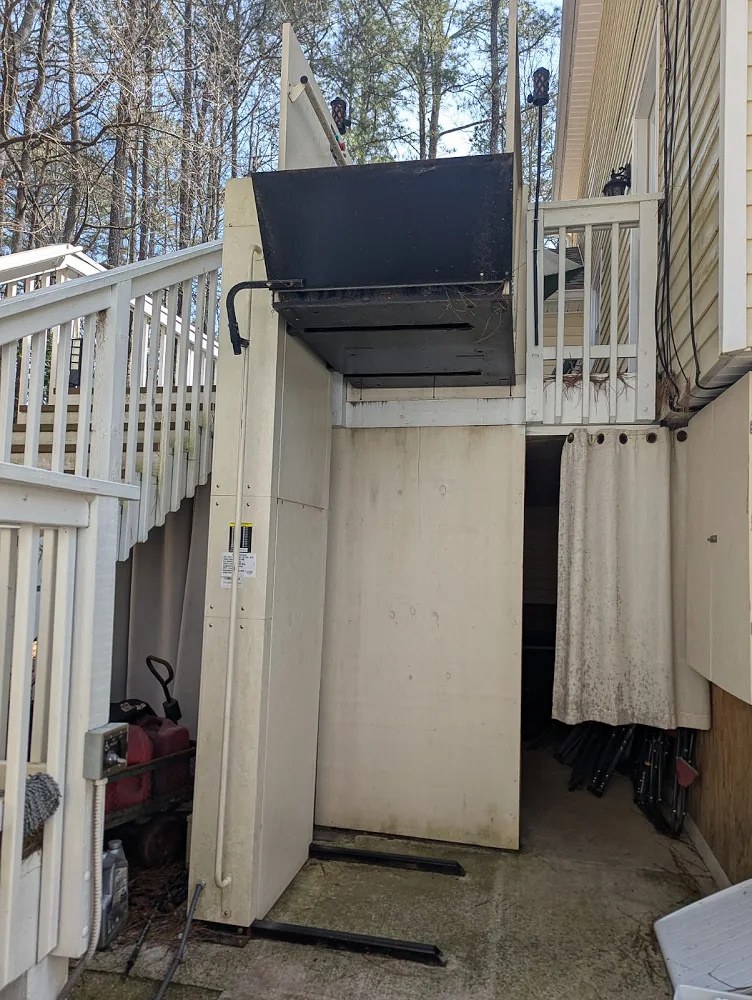
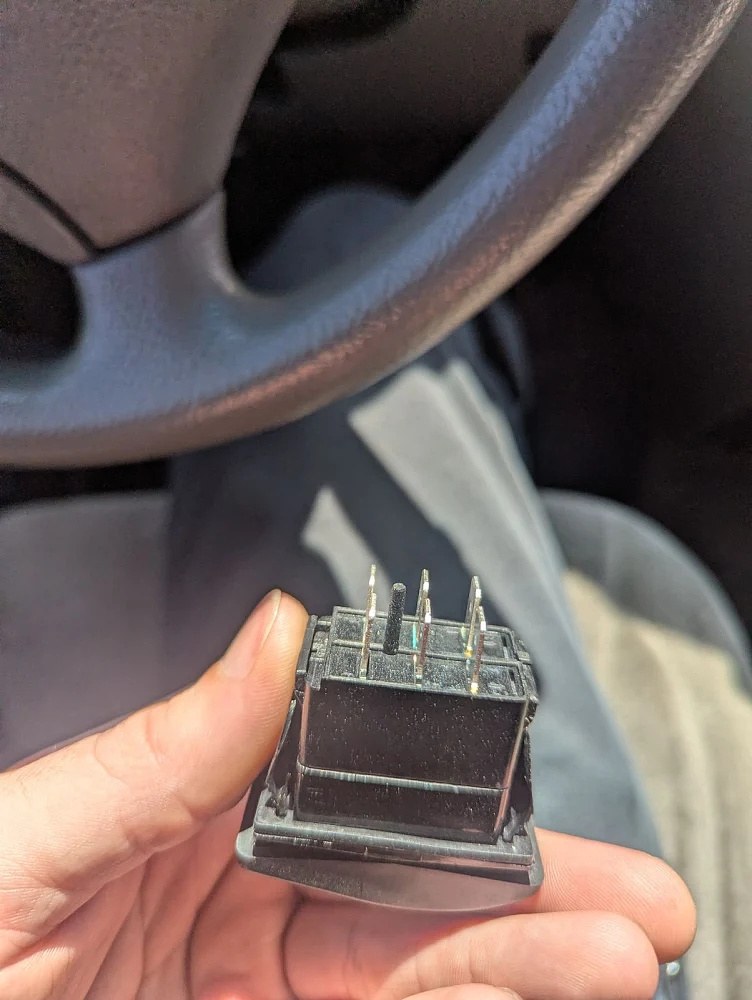
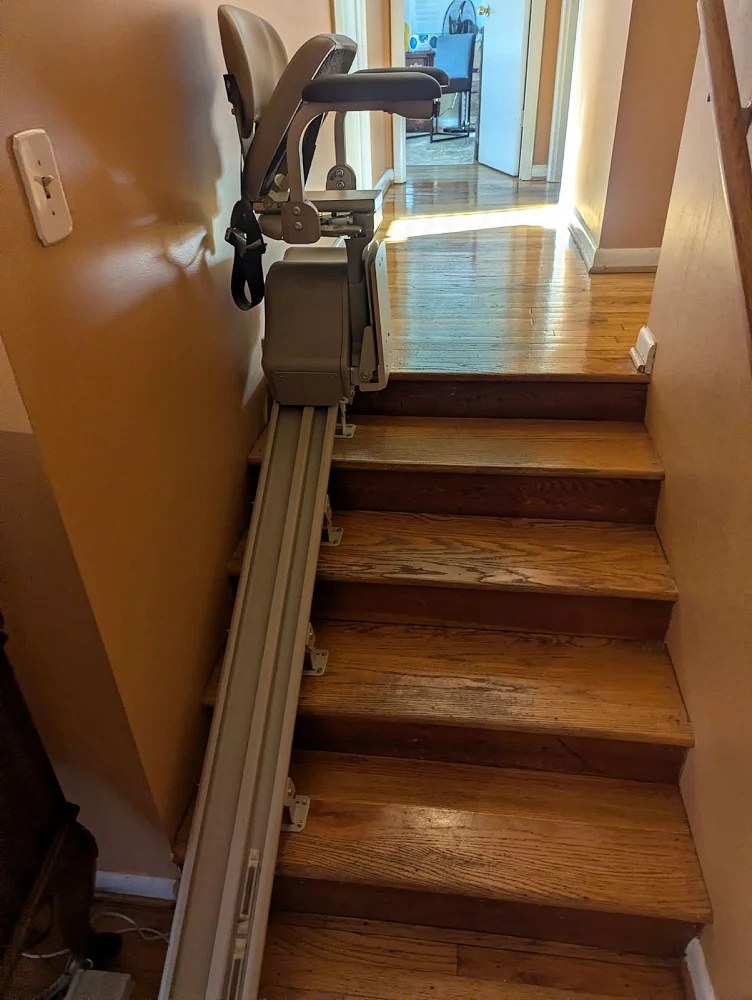
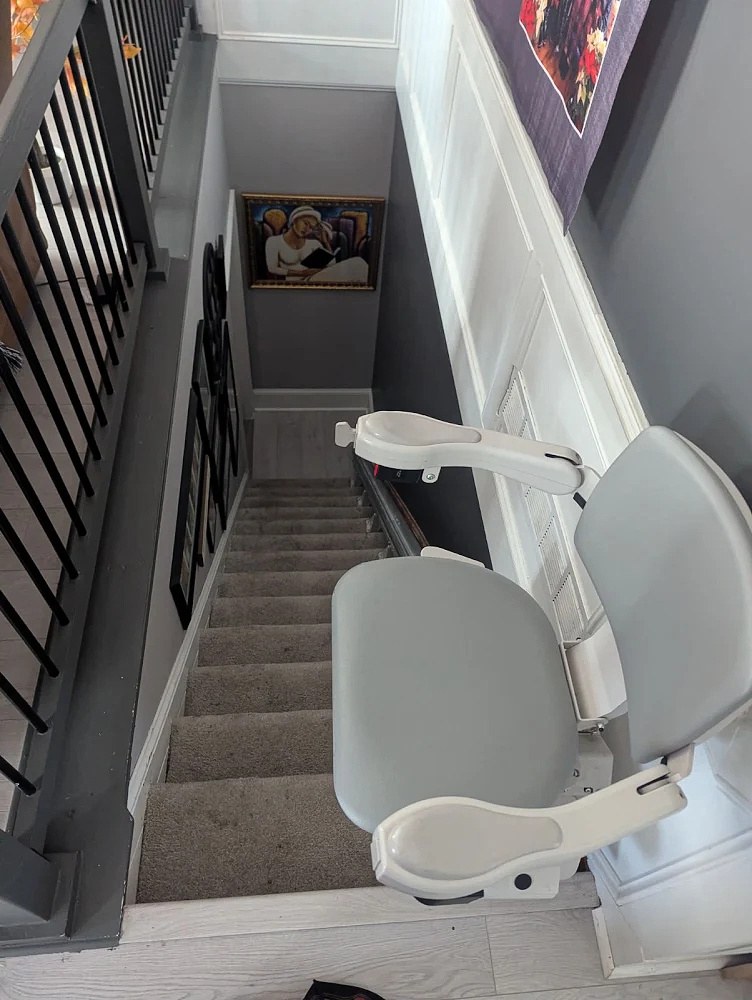
Real work in real homes and buildings, photographed on the day.
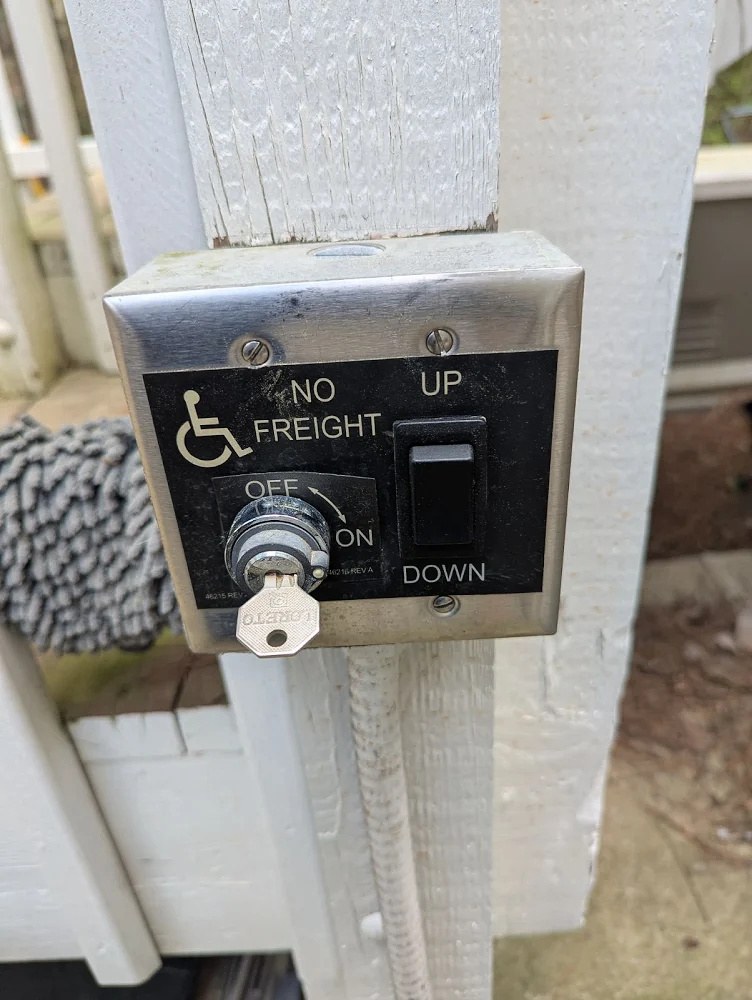
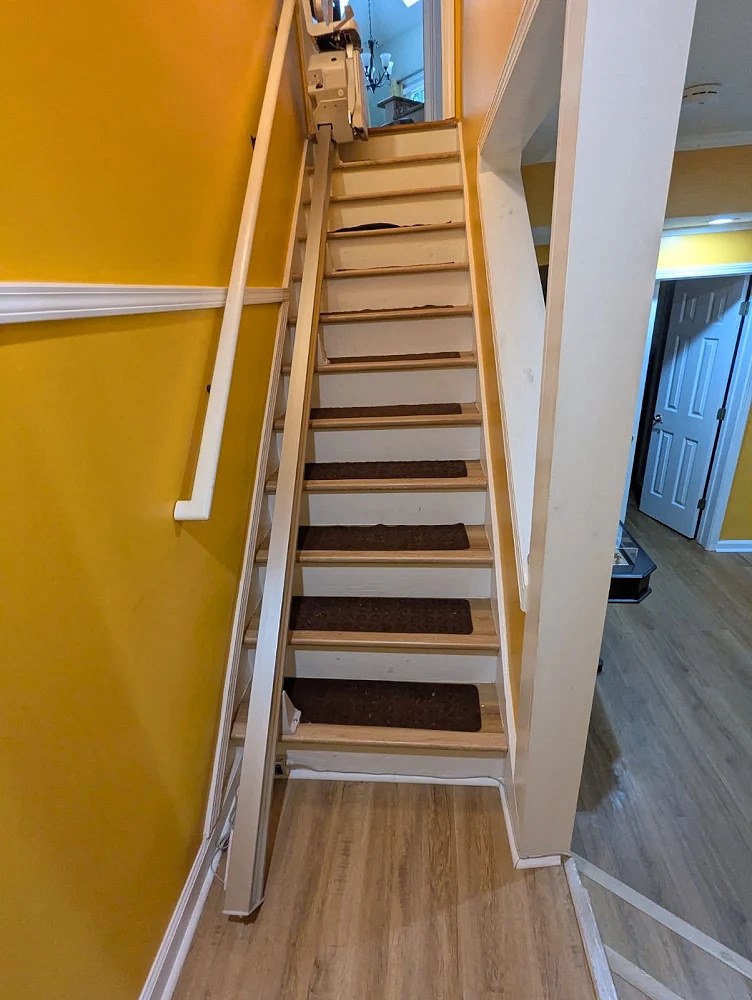
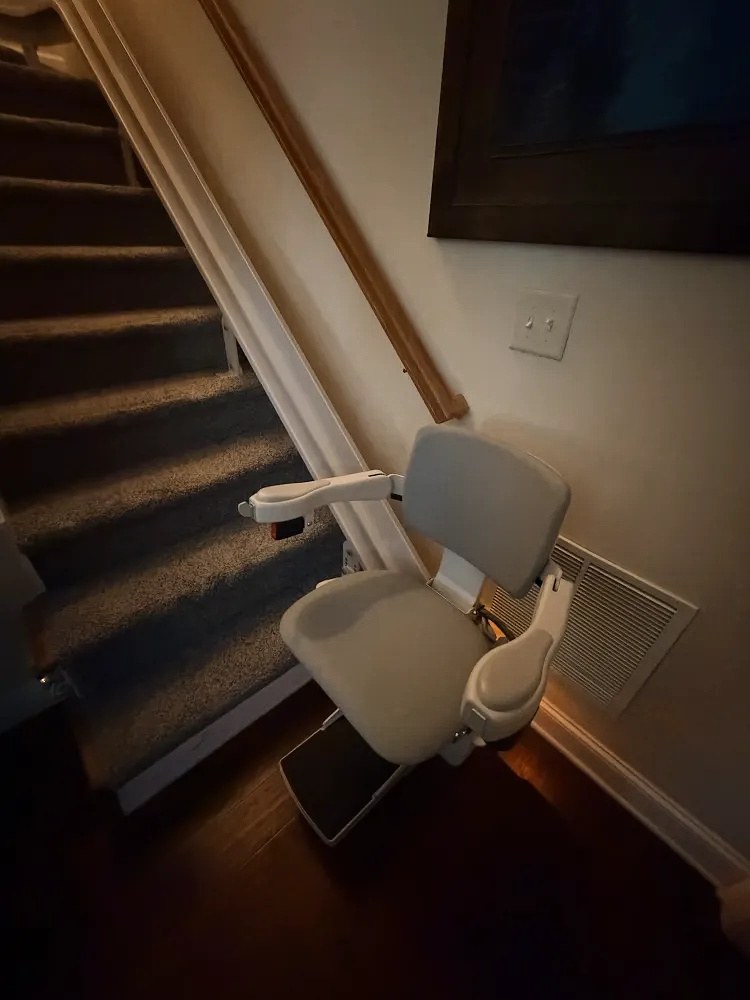
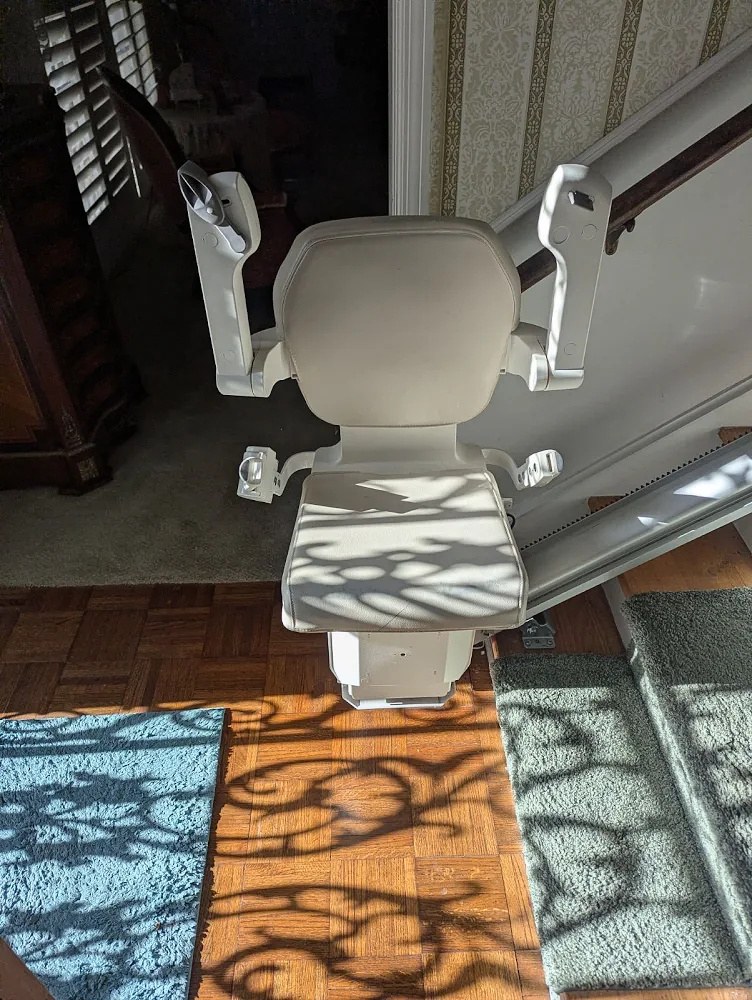
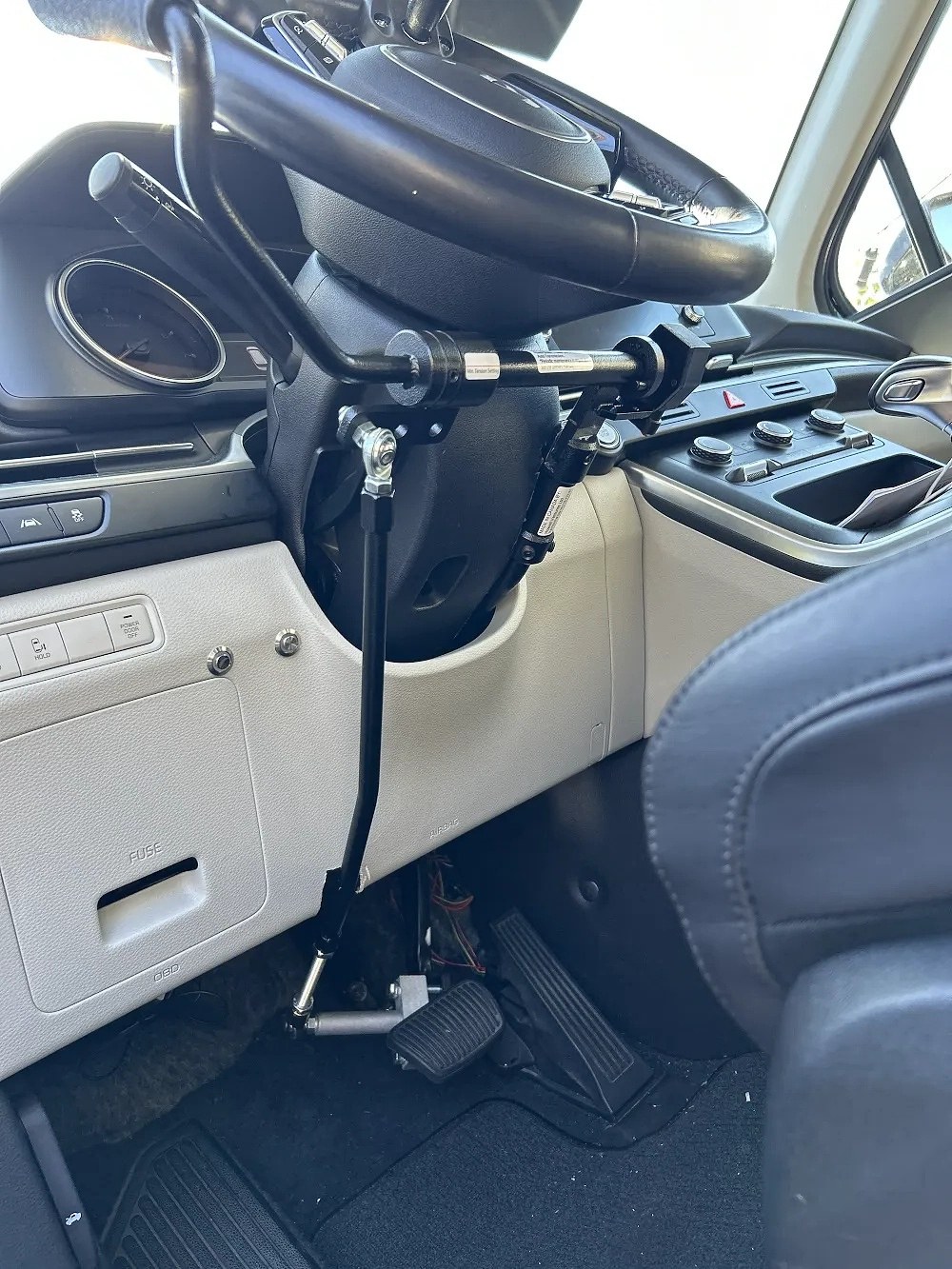
Anybody can sell equipment. Installing it legally, configuring it clinically, and servicing it afterward takes credentials that have to be earned and kept current. Here is what our team holds.
Licensed elevator mechanics, state by state. Residential elevators and platform lifts are regulated work in most jurisdictions, and this is the license that makes it legal to do.
RESNA-recognized credential for evaluating a person's needs and specifying the assistive technology that fits. This is who you want configuring a power chair or a seating system.
The credential for supplying individually configured complex rehab. It is what separates a supplier who works alongside your clinical team from one who ships a box.
Training in modifying a home so someone can stay in it. It is the difference between installing equipment and understanding the house it goes into.
Industry service certification covering installation, maintenance, and repair standards across mobility equipment.
Federal certification for handling refrigerant in vehicle air conditioning. It is required to legally service a bus AC system, and it is why fleet work is something we can actually take on.
Almost certainly. We are authorized across the major wheelchair lift manufacturers used on transit and school buses. Send us the make and model and we will confirm before you commit to anything.
General liability, commercial auto, garage keepers, workers compensation, and umbrella coverage. We will send a certificate naming your agency as certificate holder on request, and we can meet higher limits if your procurement requires them.
Yes. Our staff and specialists are thoroughly vetted and undergo stringent background and drug and alcohol testing. Tell us what your district or agency requires and we will document it before the first visit.
We will provide a W-9, insurance certificates, licensing, and references, and complete whatever vendor registration or procurement portal your agency uses. We can also write justification letters and anything else your purchasing process needs to move the file along. Ask rather than assume we cannot produce it.
Yes, and we do regularly. Send it over. If the scope is something we are not the right company for, we will tell you rather than bid it anyway.
Call us. Repairs are quoted separately from the maintenance program and approved before we touch anything. A fleet on a program gets scheduled ahead of one that is not.
No. A handful of lift-equipped buses is a straightforward program, and we service air conditioning across the whole fleet regardless of how many units carry lifts.
Every technician we have is mobile. We run service teams out of multiple regions rather than dispatching from one address, which is why a fleet in another state is scheduled the same way a local one is.
You do. They are yours to hand to a board, an auditor, or your own maintenance system, and they stay yours if you stop working with us.
Tell us what you run and what has been failing. We will scope a survey, and you keep the findings either way.