
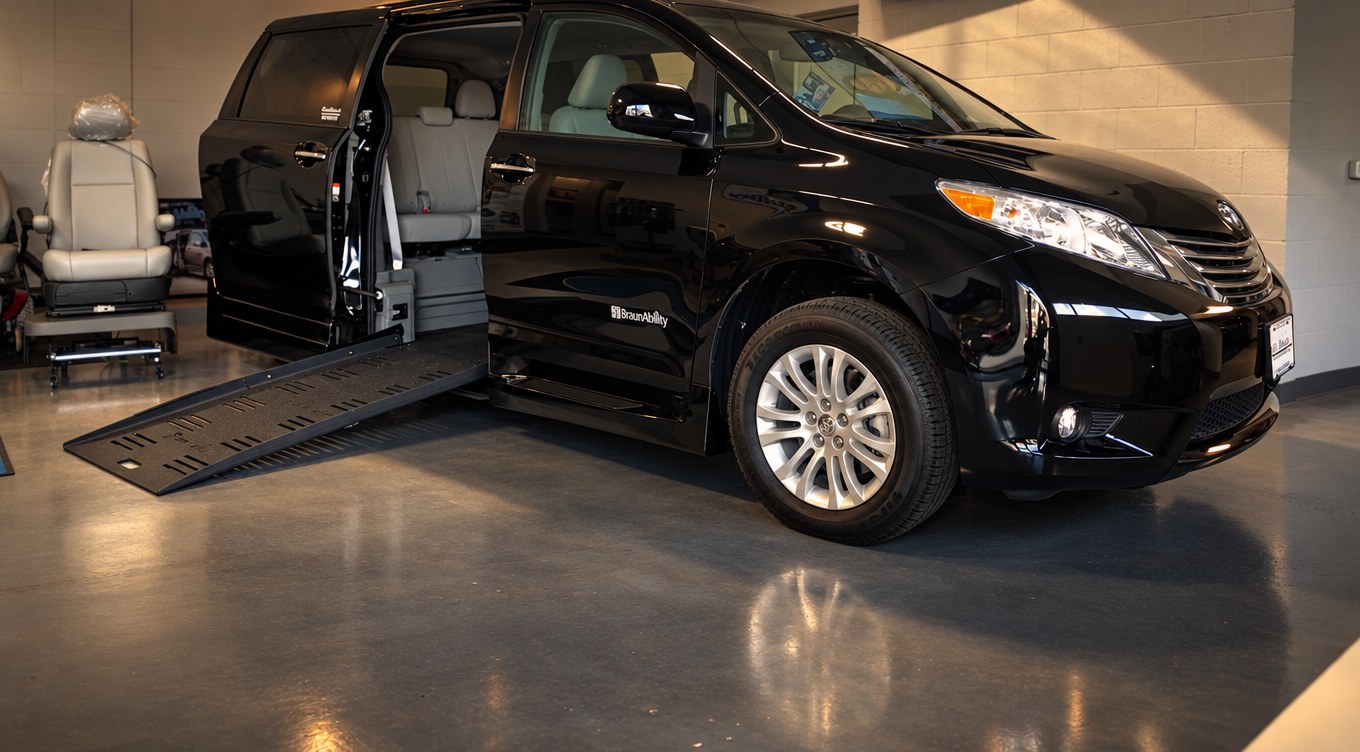
Accessible Vehicles
A Wheelchair Accessible Van For Under $40,000
Converted minivans now start around $70,000. There is another way to get a wheelchair accessible vehicle, and it costs about half.
Why we stopped selling converted minivans.
We used to sell wheelchair accessible minivans. We do not any more. The reason is worth explaining, because it is the reason this program exists.
Three years ago a converted Honda Odyssey or Toyota Sienna cost around $40,000. Today the same vehicle runs $70,000 and up. That is not the conversion getting more expensive. It is what the manufacturers now charge for the van before anyone touches it.
We were not willing to keep quoting that price to families who could not reach it. We were not willing to pretend it was reasonable either. So we went looking for another way.
- We are not selling you a vehicle
- You buy it from a dealer, in your name
- We help you choose one that will work
- We install the lift and the securement
- We service it afterward
What the two routes actually cost.
These are our figures, from our own quoting, not an industry survey. Vehicle prices move, so treat them as the shape of the difference rather than a promise, and ask us for a current number.
A converted minivan today
$70,000 and up
A factory-converted Odyssey or Sienna, bought as a finished accessible vehicle.
- Chassis prices from the manufacturers have risen sharply
- You are paying for the conversion and the dealer margin on top
- Roughly $40,000 for the same thing three years ago
The route we now recommend
$32,500 to $42,500 all in
A transit-style van bought at ordinary dealer prices, with the lift and securement installed by us.
- Base vehicle typically $20,000 to $30,000
- Lift and securement installed for under $12,500
- You own the vehicle outright, bought in your own name
Somebody Decided Disability Should Cost Extra
A wheelchair user needs to get to work, to church, and to the doctor. That need does not go away when the price goes up. Everyone selling into this market knows it.
A buyer who cannot walk away can be charged whatever the market will bear. So mobility equipment carries a premium that has little to do with what it costs to build. That is true across this industry, not just in vehicles.
The people paying it are seniors on fixed incomes and families already carrying the cost of a disability. We are not willing to run a business that way. When we find a cheaper route to the same result, we take it and make less on the sale.
- We tell you the whole number up front
- We do not mark up the vehicle
- We will tell you when you do not need us
- We will say when something cheaper would do
- No pressure, and no expiring offers
How it works.
Four steps, and the vehicle is yours throughout. We are the people who make it accessible, not the people selling it to you.
We work out what you need
The chair, the rider, who is driving, how many people travel, and whether the rider stays in the chair or transfers. All of that decides which van will work.
We work with a dealer
We help you find a suitable vehicle and talk to the dealer about the configuration. You buy it, in your name, at ordinary vehicle prices.
We install the lift and securement
In our own auto service center, by our own technicians. What goes in depends on the chair, the rider, and how the vehicle will be used. It is specified for the person, not picked from a package. Cost has been running under $12,500.
We service it
Lift maintenance and securement service afterward, from the people who installed it. The same program we run for transit fleets.
High-roof vans a lift can go into.
These are the chassis we most often work with, all available with a factory high roof so a rider can enter and travel without stooping. They are built for cargo and crew, which is why they cost what an ordinary van costs, and it is also why there is room to work with inside. Which one suits you depends on the chair, the rider, and the journey, and that is what the first conversation is for.
Ford Transit
Available from the factory in medium and high-roof configurations, in several lengths. The most common van on the road in this class, which means dealers, parts, and servicing are everywhere you might be.
Mercedes-Benz Sprinter
High-roof configurations with generous interior height and a long wheelbase, which gives real freedom in where a chair sits and how the securement is laid out.
What goes in is decided by the person, not a catalog.
We are not going to list packages, because we do not sell packages. Two riders with the same diagnosis routinely need different vehicles.
The chair
Its weight, its footprint, its turning circle, and whether it is a manual chair, a scooter, or a power chair with tilt and recline. That decides the lift, the door, and the floor plan.
The rider
Whether they stay seated in the chair or transfer, how much support they need to sit safely, and whether they are traveling as a passenger or intending to drive.
Who else travels
A caregiver who needs to sit alongside, children, or a second chair changes the layout completely. So does whether somebody has to get in and out at the curb.
The journeys
School runs and hospital trips ask different things of a vehicle than long distances do. Parking matters, and so does what you can comfortably drive.
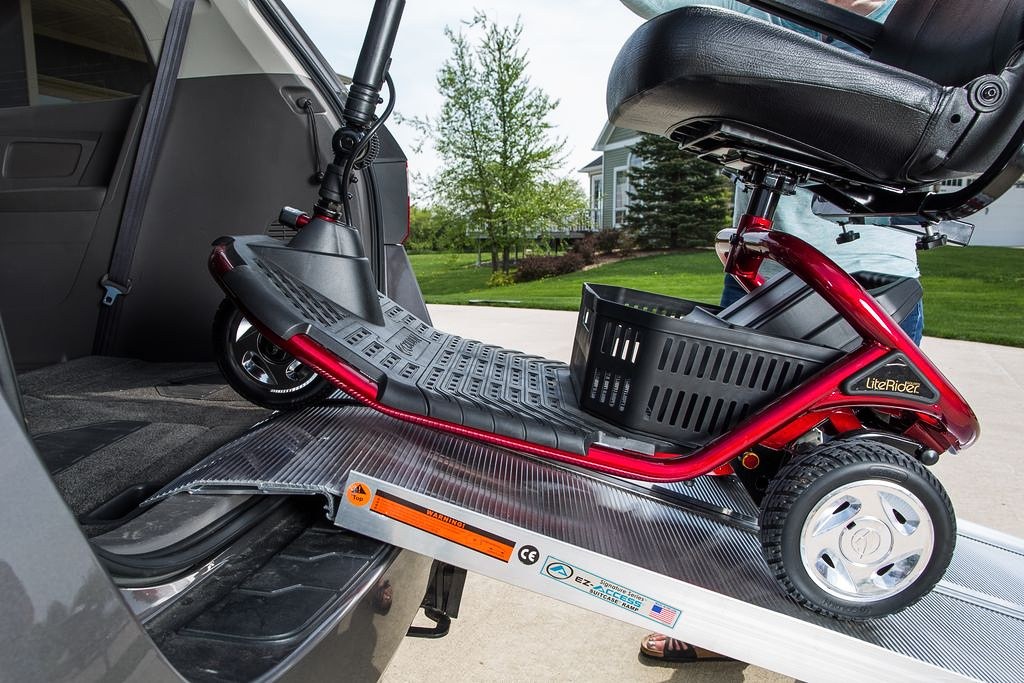
Bring us the van. We will make it work.
Or talk to us first and we will help you pick one. Either way the survey is free and the number we give you is the number.
Book a free consultationConversions we have done.
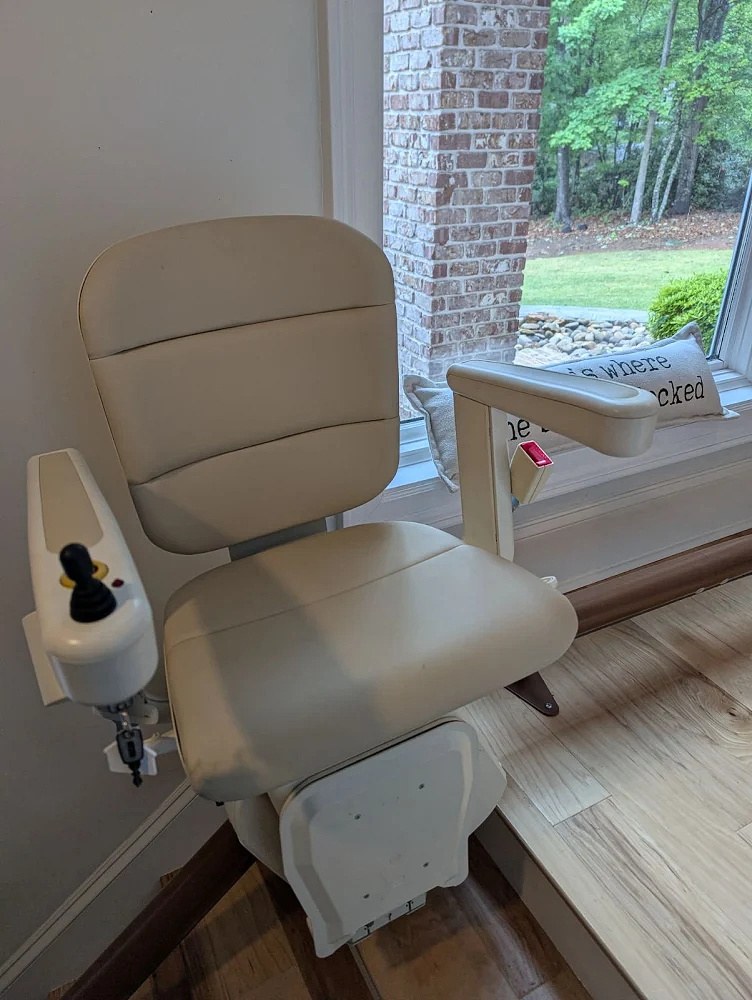
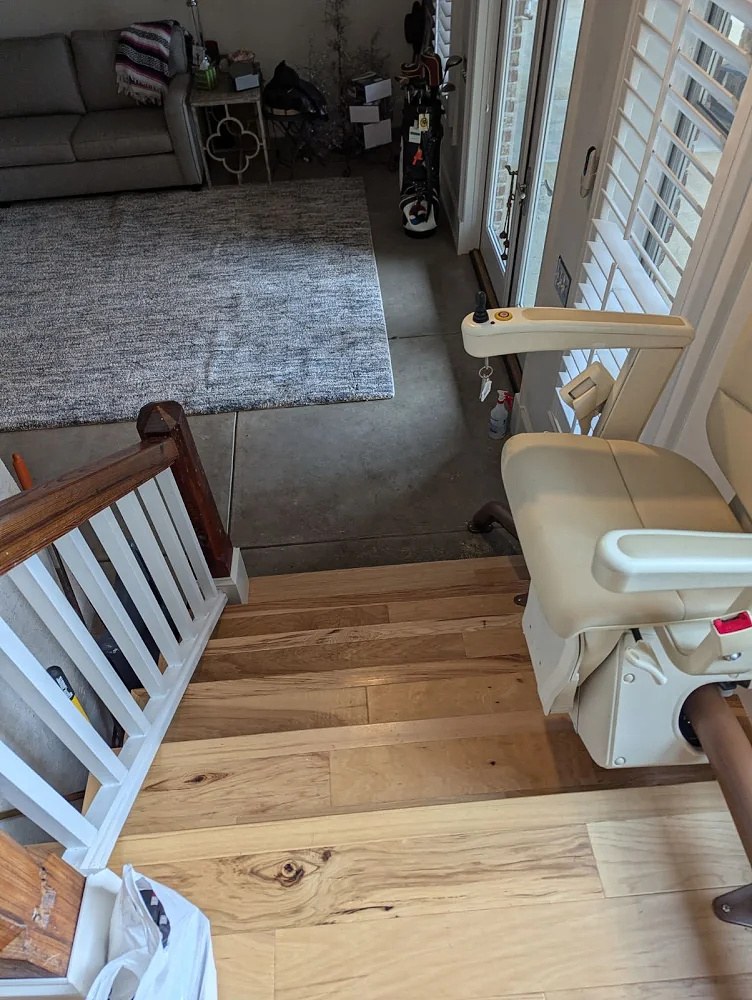
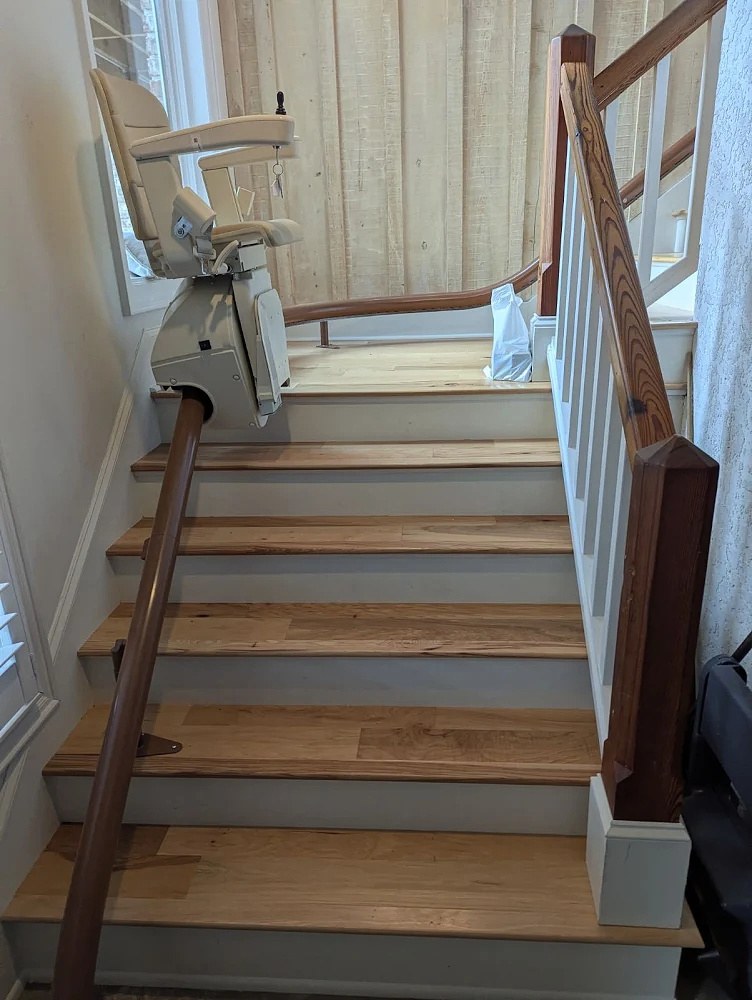
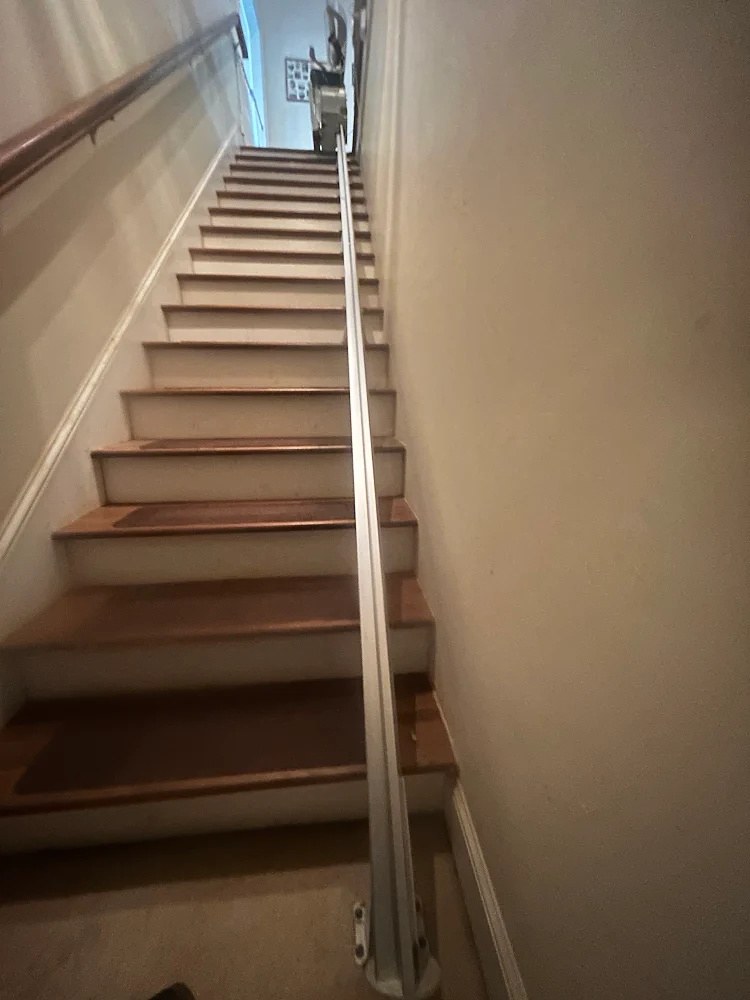
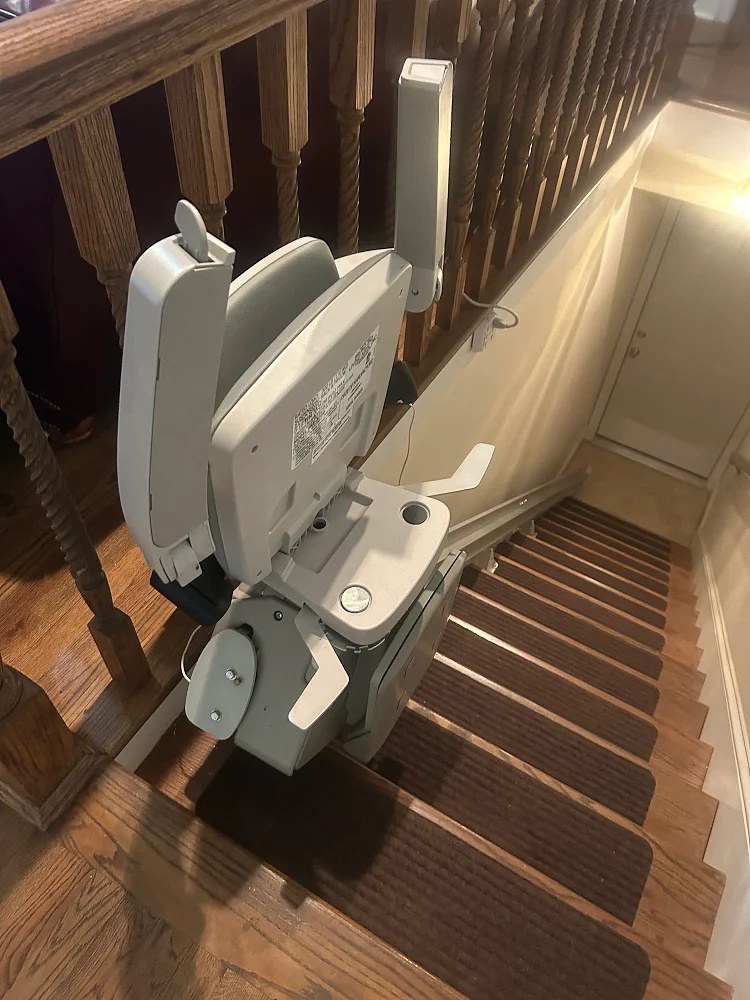
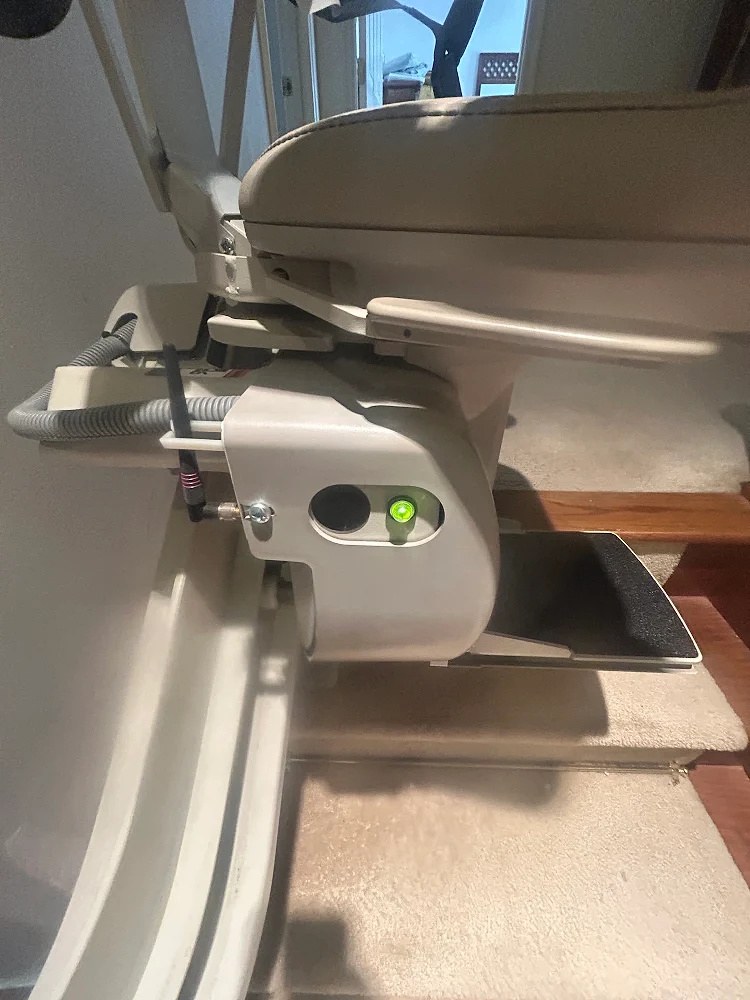
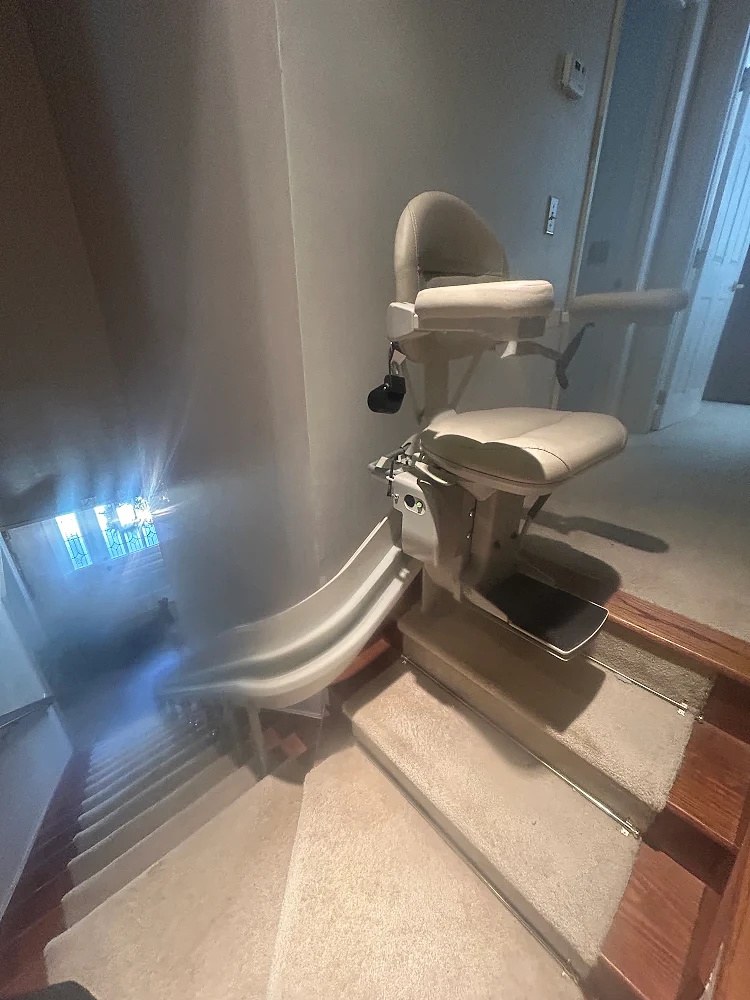
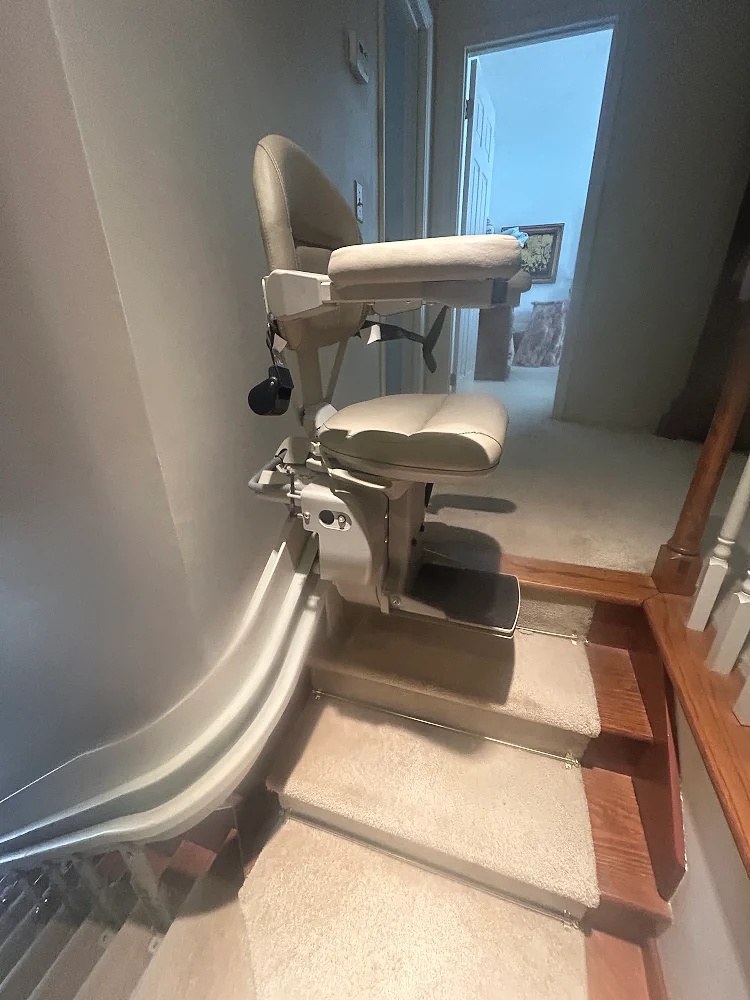
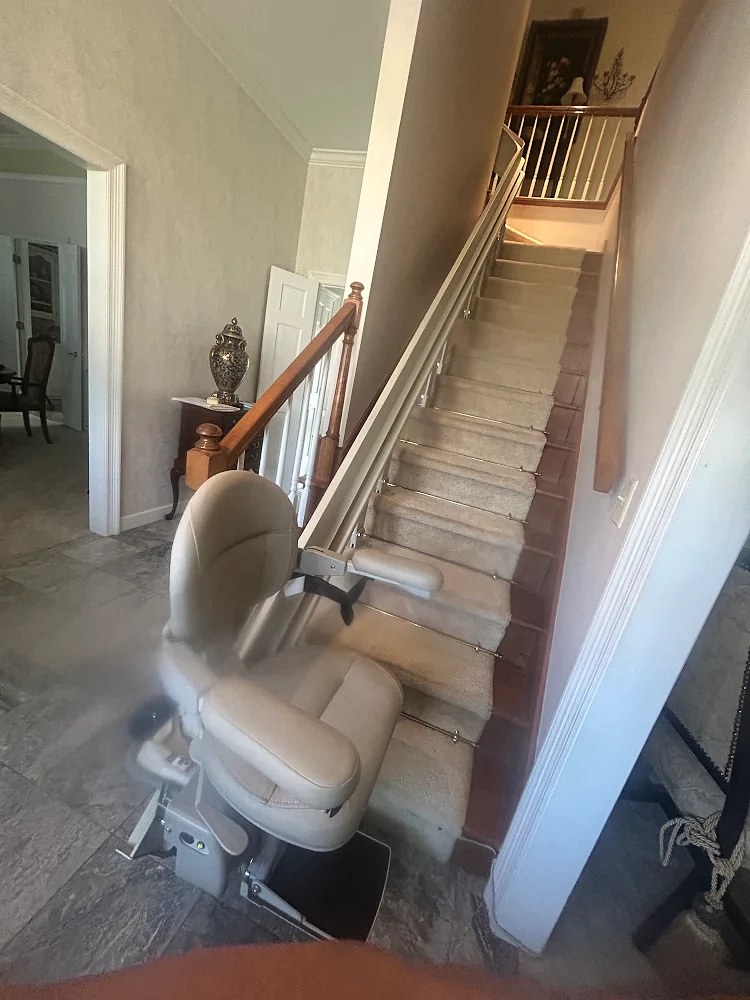
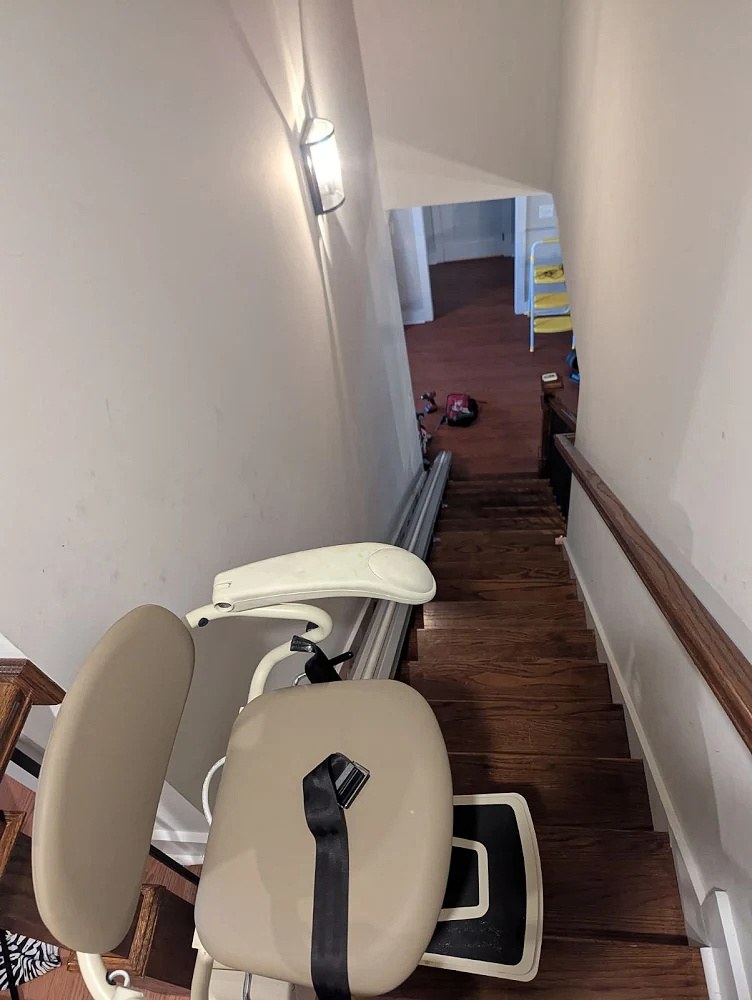
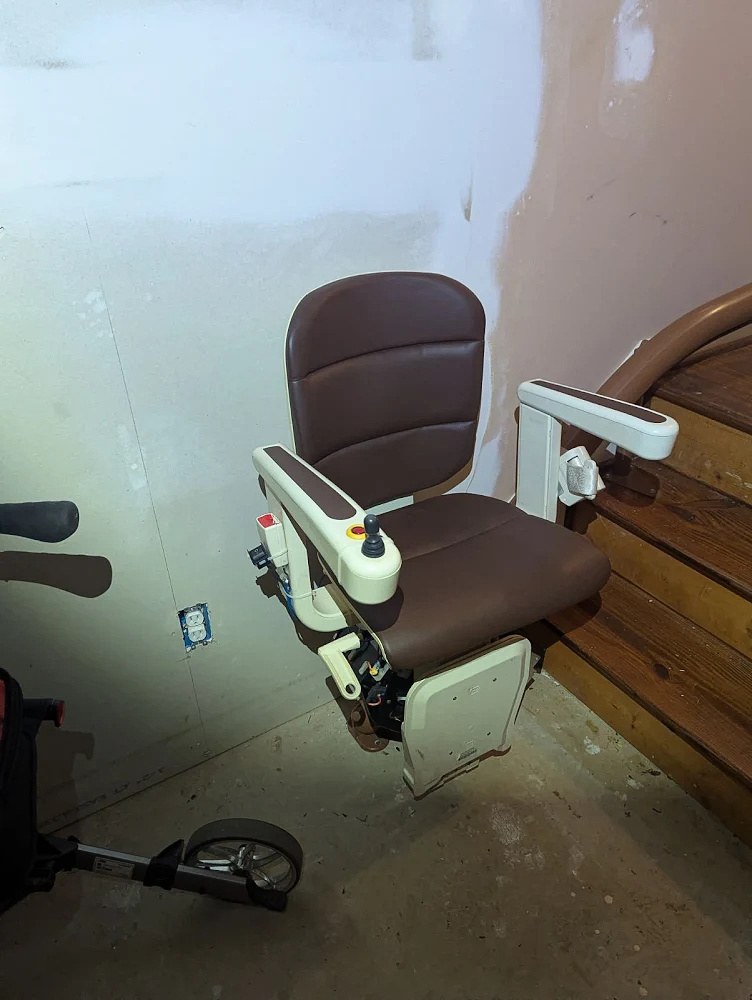
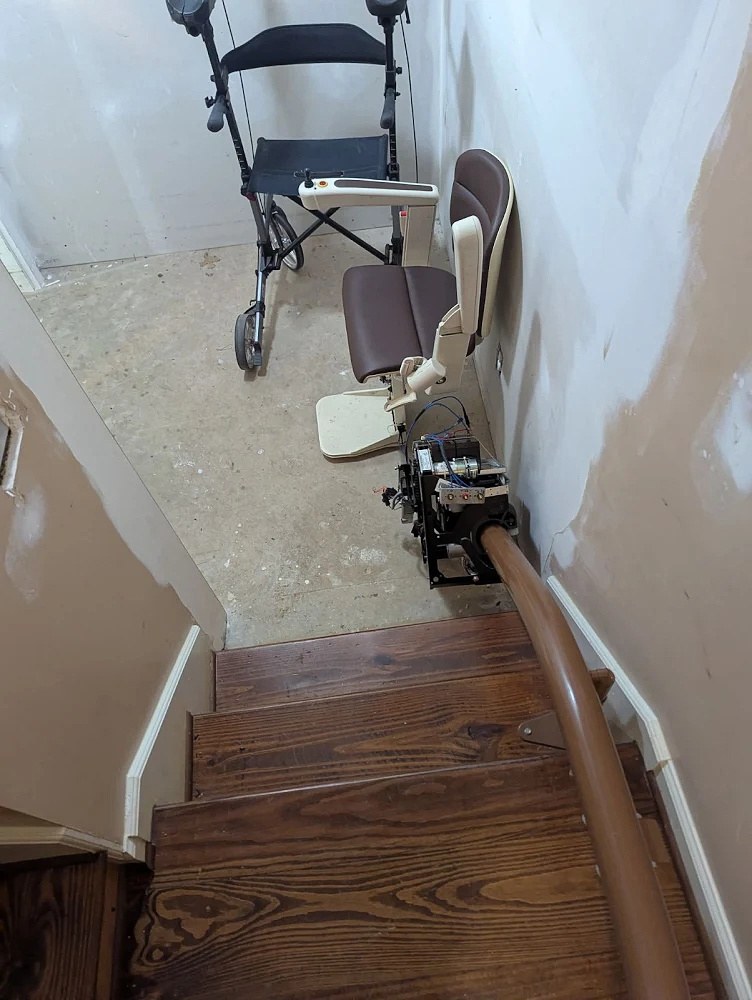
Lifts and securement fitted in our own shop.
The Credentials Behind The Work
Anybody can sell equipment. Installing it legally, configuring it clinically, and servicing it afterward takes credentials that have to be earned and kept current. Here is what our team holds.
State Elevator Mechanic Licenses
Licensed elevator mechanics, state by state. Residential elevators and platform lifts are regulated work in most jurisdictions, and this is the license that makes it legal to do.
ATP, Assistive Technology Professional
RESNA-recognized credential for evaluating a person's needs and specifying the assistive technology that fits. This is who you want configuring a power chair or a seating system.
CRTS, Complex Rehab Technology Supplier
The credential for supplying individually configured complex rehab. It is what separates a supplier who works alongside your clinical team from one who ships a box.
CAPS, Certified Aging-in-Place Specialist
Training in modifying a home so someone can stay in it. It is the difference between installing equipment and understanding the house it goes into.
Mobility Service Excellence
Industry service certification covering installation, maintenance, and repair standards across mobility equipment.
EPA Section 609
Federal certification for handling refrigerant in vehicle air conditioning. It is required to legally service a bus AC system, and it is why fleet work is something we can actually take on.
Questions about accessible vehicles.
Do you sell the vehicle?
No, and that is deliberate. You buy the van from a dealer in your own name at ordinary prices. We help you choose one and then make it accessible. It keeps a large dealer margin out of the total.
Why is this so much cheaper than a converted minivan?
Because a high-roof van is a high-volume commercial vehicle sold into a competitive market, and a converted minivan is a low-volume product sold to somebody who has no real alternative. You are buying the same outcome without paying the premium that gets attached to the word mobility.
Is a high-roof van harder to drive?
It is larger, and that is a real trade-off worth thinking about, particularly for parking. It is also taller inside, so a rider can get in and travel without stooping. We will talk it through honestly rather than talk you into it.
What if I already own a suitable van?
Then bring it to us. If it is a chassis we can work with, fitting it out is the same job and you have already covered the largest part of the cost.
Can the rider stay in their wheelchair?
That is what a securement system is for, and it is one of the first things we work out. Whether it is the right choice depends on the chair, the rider, and the journey rather than on what we happen to stock.
Which van is right for us?
We will not know until we have talked about the chair, who travels, and where you go. Anyone who answers that question before asking those is selling you something rather than solving anything.
Where can vehicle work be done?
Vehicle conversion work happens in our auto service center in Athens, so this one involves bringing the van to us. Tell us where you are and we will be straight about whether it is practical.
Will insurance or a grant cover any of it?
Sometimes, depending on the funder and the circumstances. We will tell you what we know and produce whatever documentation a funding request needs.
Get a real number for your situation.
Tell us about the chair, the rider, and how far you travel. We will tell you which vans would work and what the whole thing would cost.