You tell us what is difficult
Not what product you think you need. The stairs, the front step, the bath, getting into the car. Working out the product is our job.
A call, not a sales pitch
Free Consultation | Estimate
A mobility specialist will contact you shortly. All consultations, estimates, and scopes of work are provided completely free of charge. No pressure or obligation.
Follow the route a customer takes, from the parking space to the counter to the restroom. Then the side your staff use. Point at whichever is a problem.
The accessible space, the access aisle, the curb, and the route to your door. Most complaints start before anybody reaches the building.
A door heavier than a customer can pull, a threshold that stops a caster, or steps where there is no other way in.
Getting to the counter, reaching it, and getting between floors. A customer who cannot be served at the same counter as everybody else has noticed.
Turning space, grab bar placement, reach ranges, and door swing. Adult changing needs are the gap almost no business has solved.
An employee who needs an accommodation to keep doing a job they are already good at. Stockrooms, offices, and break rooms count too.
Businesses usually meet both at the same moment and treat them as one problem. They are not, and the difference decides what you do first.
We are not attorneys and this is not legal advice. What we can do is measure your building, tell you where it falls short of ADA accessibility guidelines, and price the work.
Point at one.
Four things we hear on nearly every call. Turn a card over.
The equipment is the visible part. These are the reasons operators keep us across a portfolio.
Findings taken on site with a tape rather than estimated from drawings, ranked by risk so a limited budget goes where it matters.
Every finding priced, so the work can go into a budget and be approved line by line rather than as a lump sum nobody can defend.
The ramp, the door operator, the platform lift, the counter, and the restroom fittings, without coordinating four trades yourself.
ATP and CRTS credentials on staff, so equipment for an employee is specified to the person and the job rather than ordered from a catalog.
Evenings, early mornings, and closed days. A storefront does not have to lose a trading day to have a door operator fitted.
Dated documentation of what was assessed, found, and corrected, which is most of what makes a difficult conversation straightforward.
Five steps. You can stop at any of them, and nothing is charged until you have said yes to a written scope.
Not what product you think you need. The stairs, the front step, the bath, getting into the car. Working out the product is our job.
A call, not a sales pitchOn site, at your address, free. We check the space, the power, and the structure, and we talk through how the room actually gets used.
Free, and no obligationAn itemized scope and a price, with the lead time stated honestly. The price you agree to is the price of the job. Take as long as you like with it.
The price does not moveOur own people, not a subcontractor, who stay until everyone who has to operate it can operate it confidently.
Our own crewsThe company that installed it is the company that maintains it. You are not handed to somebody else once the invoice clears.
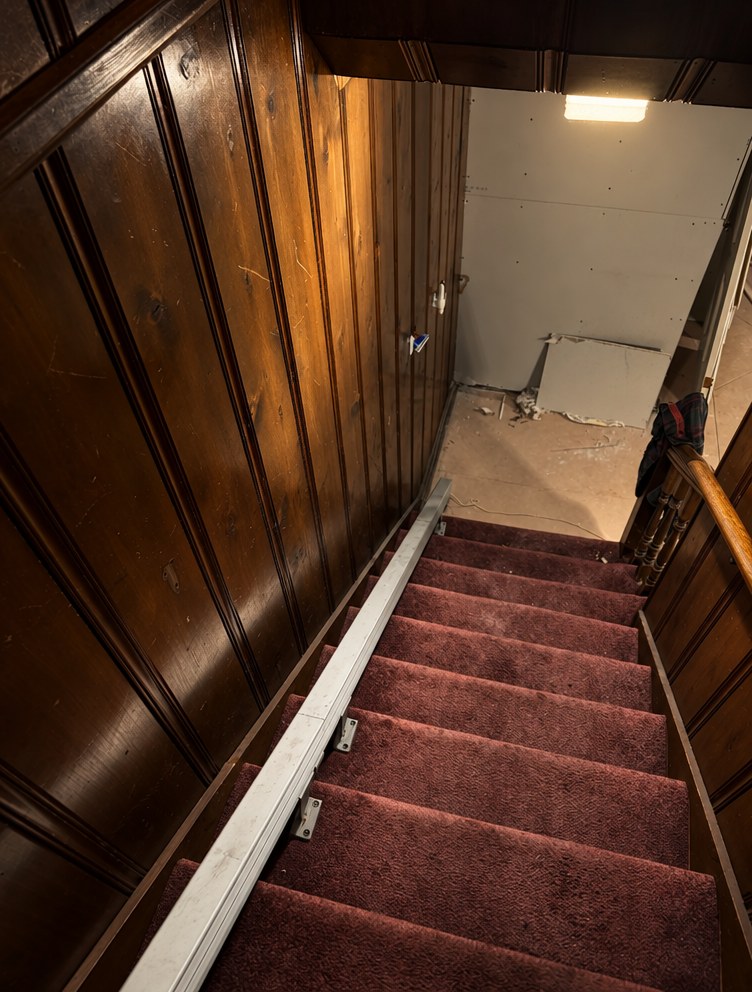
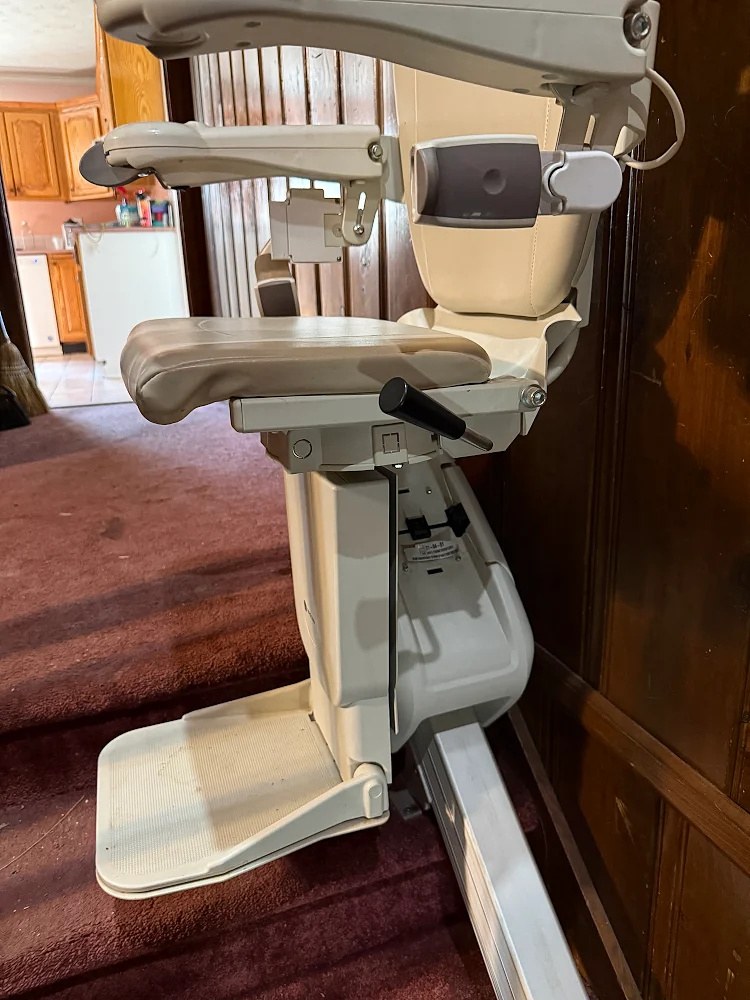
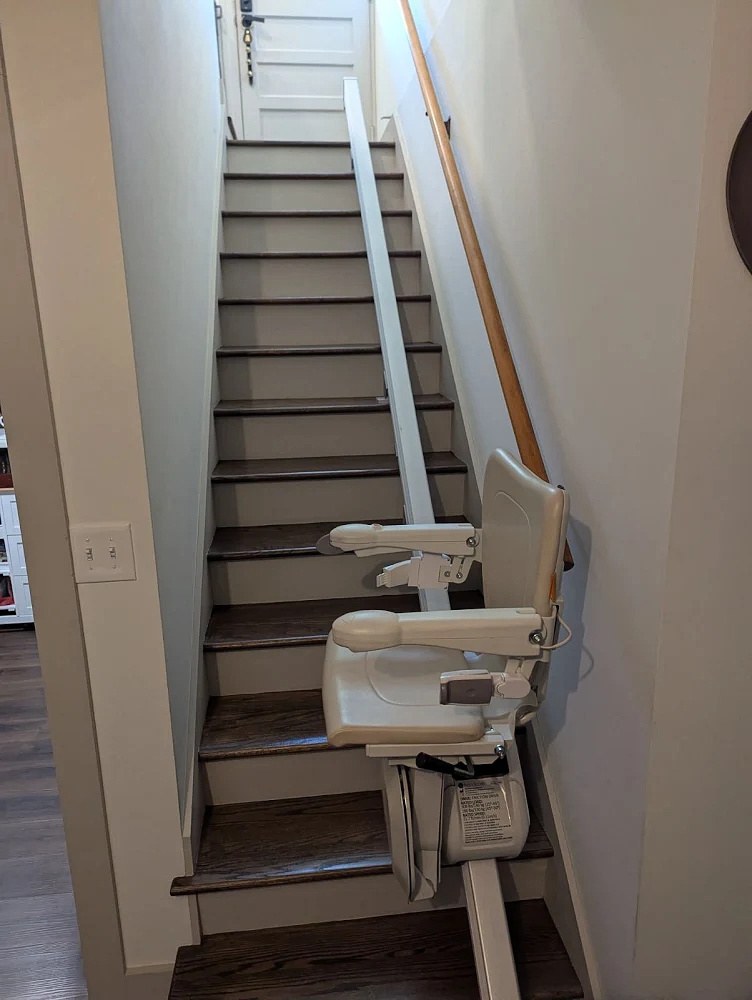
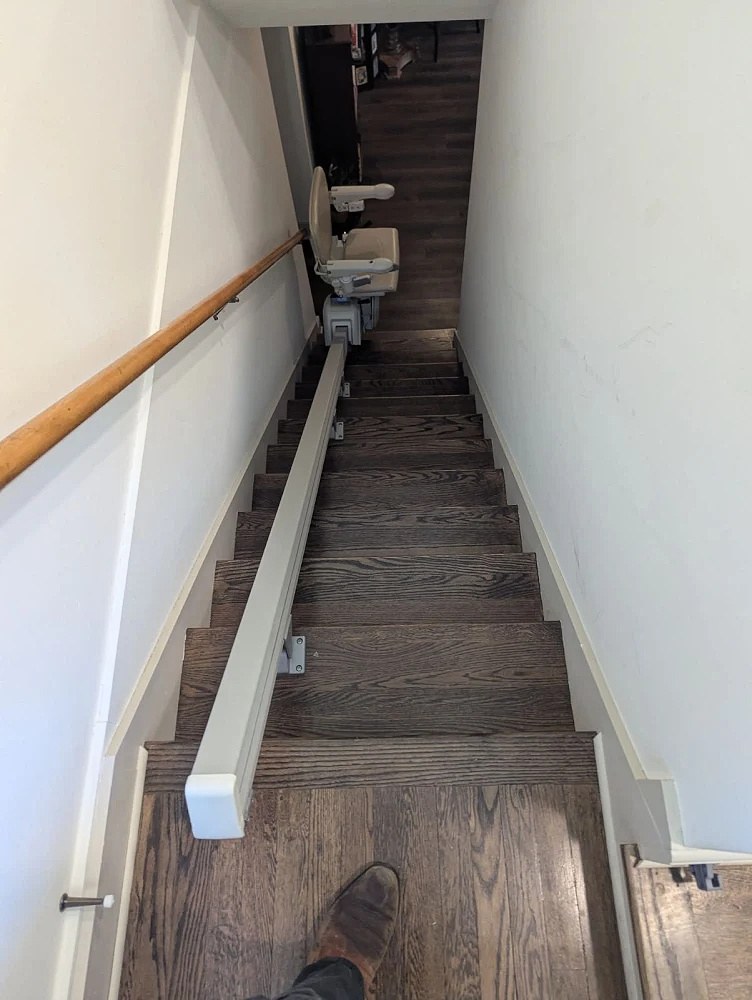
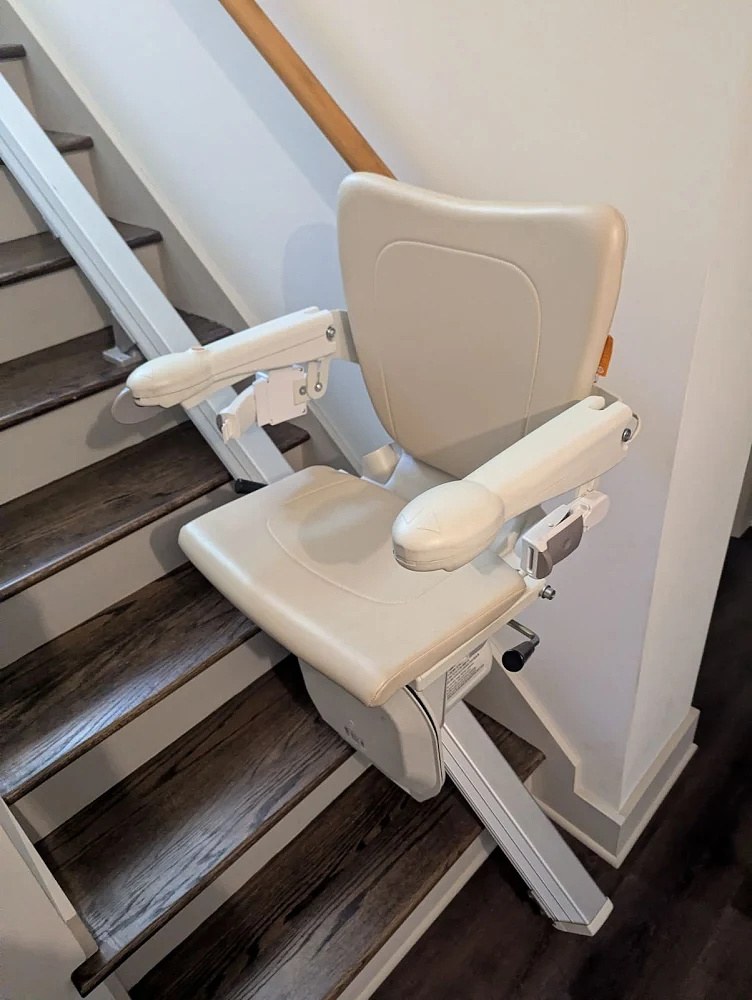
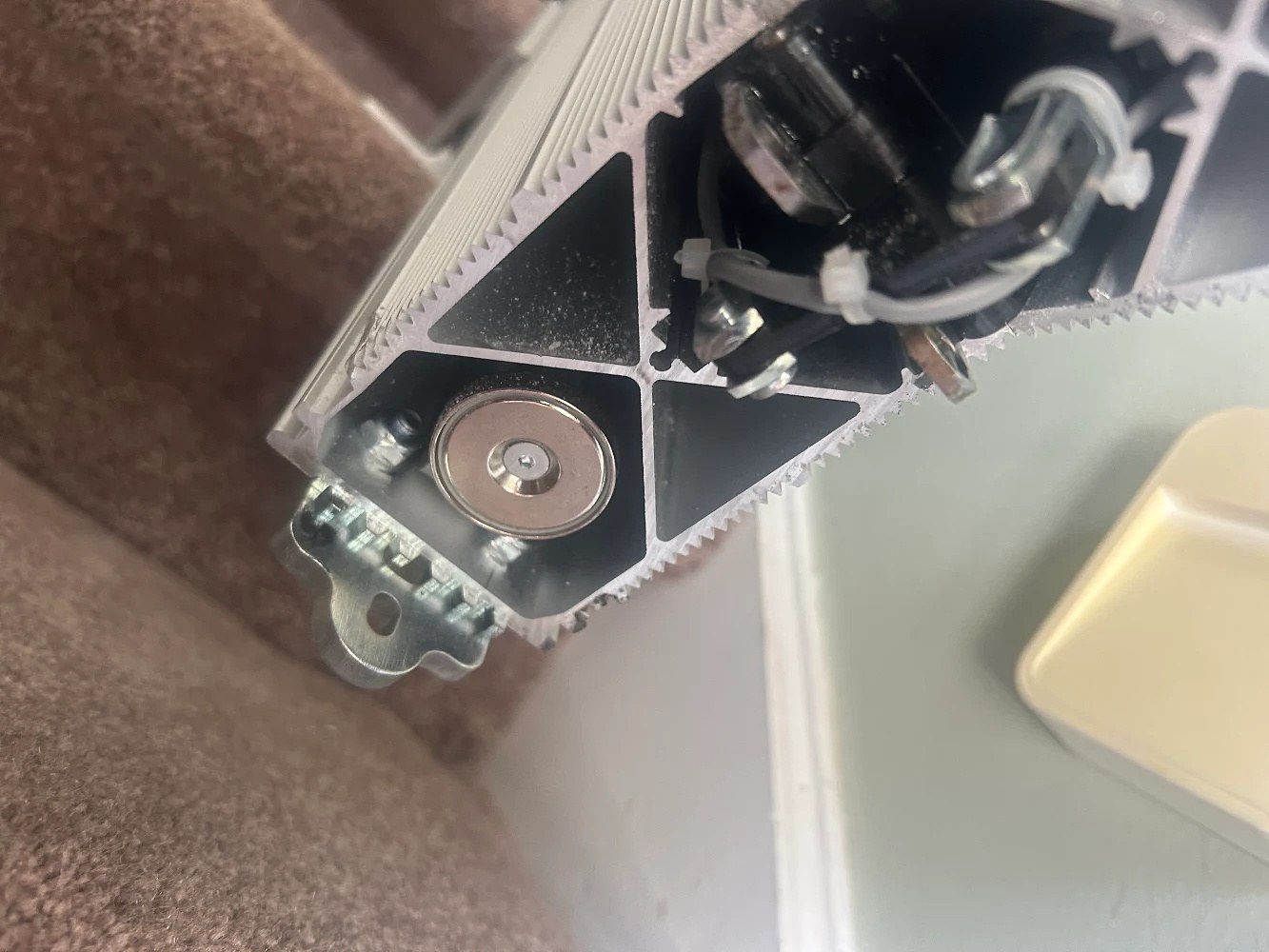
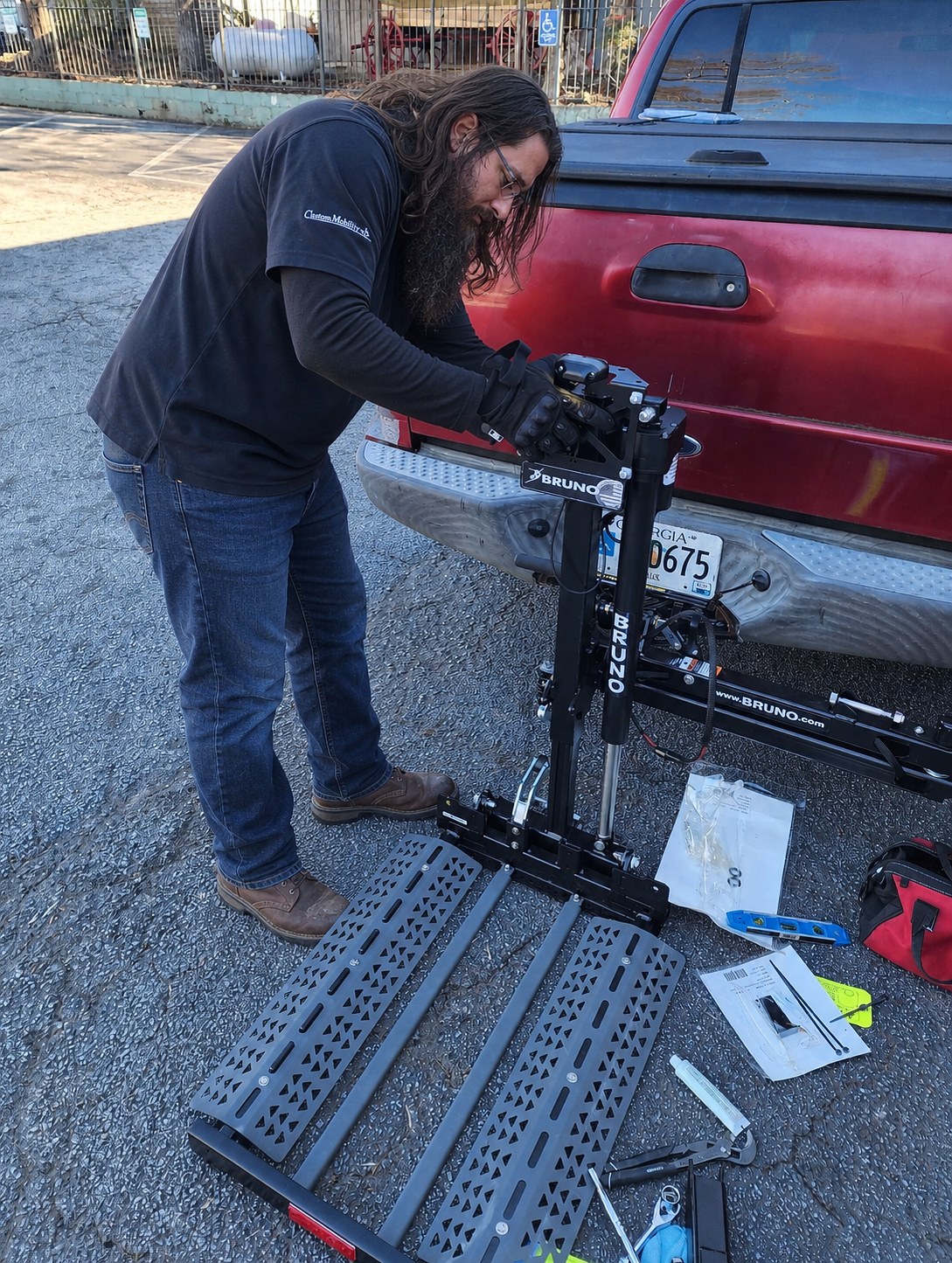
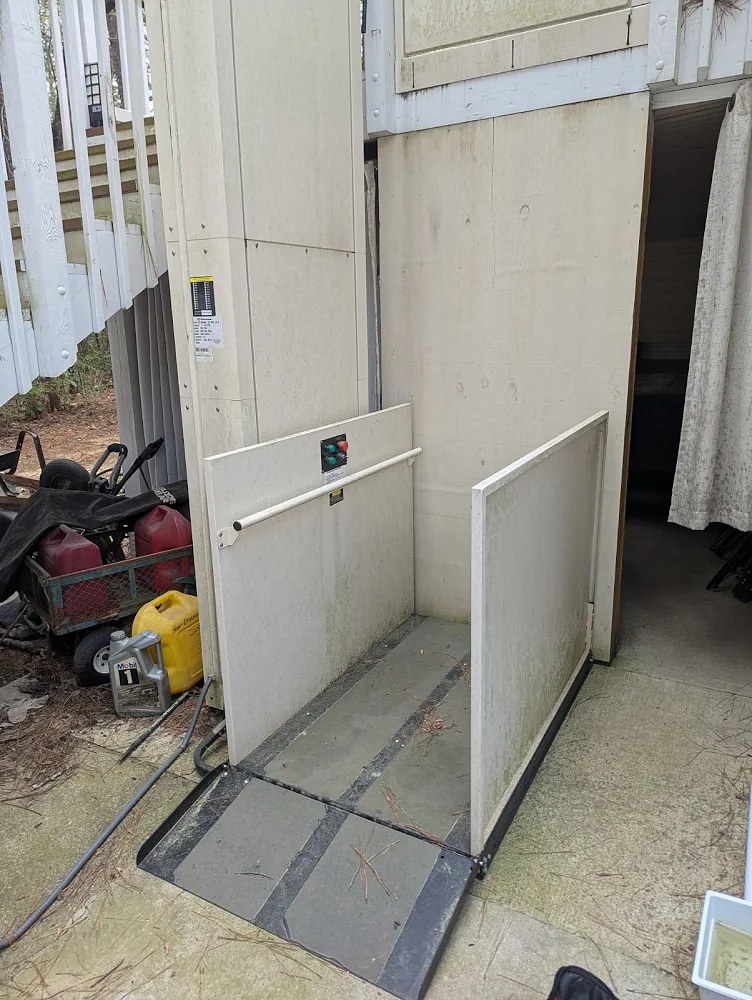
Same company, years laterReal work in real homes and buildings, photographed on the day.
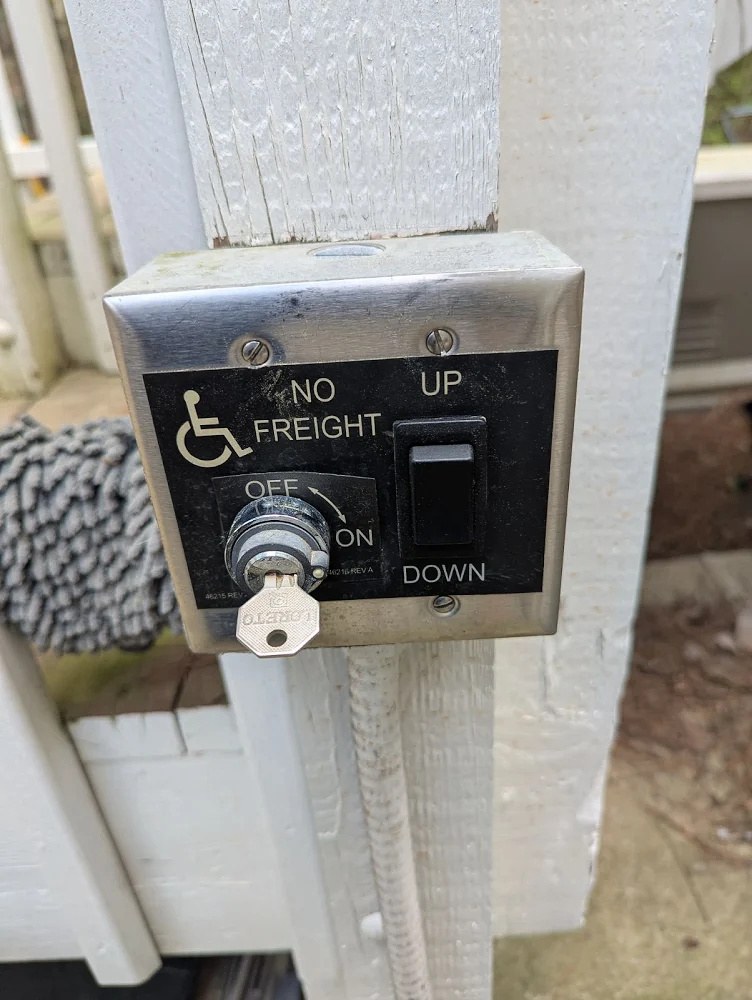
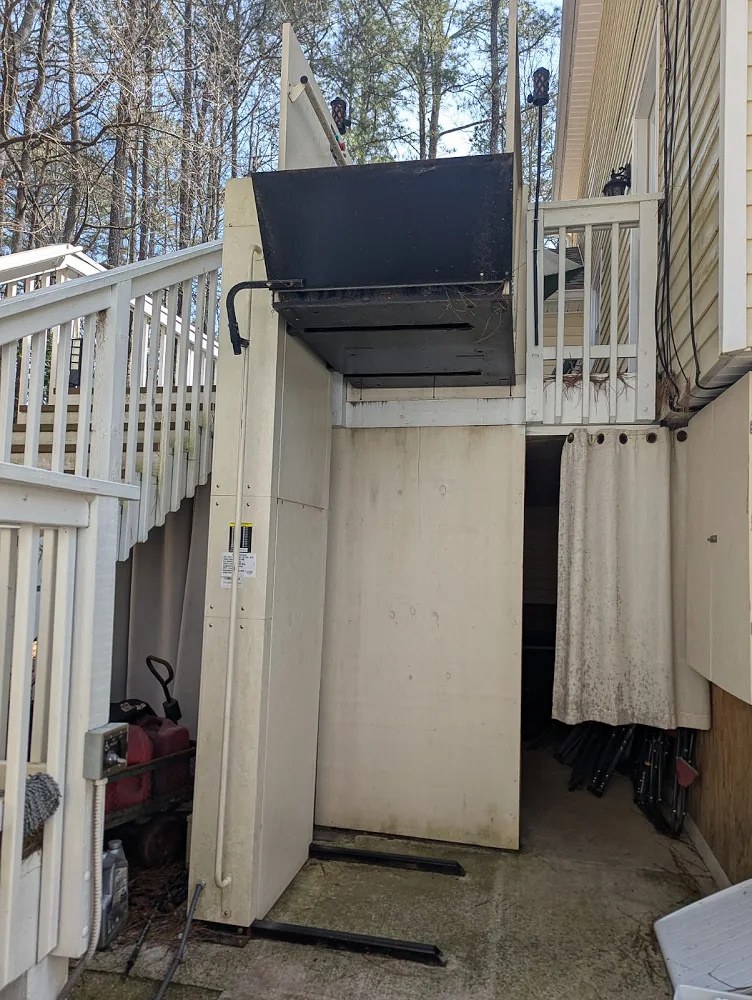
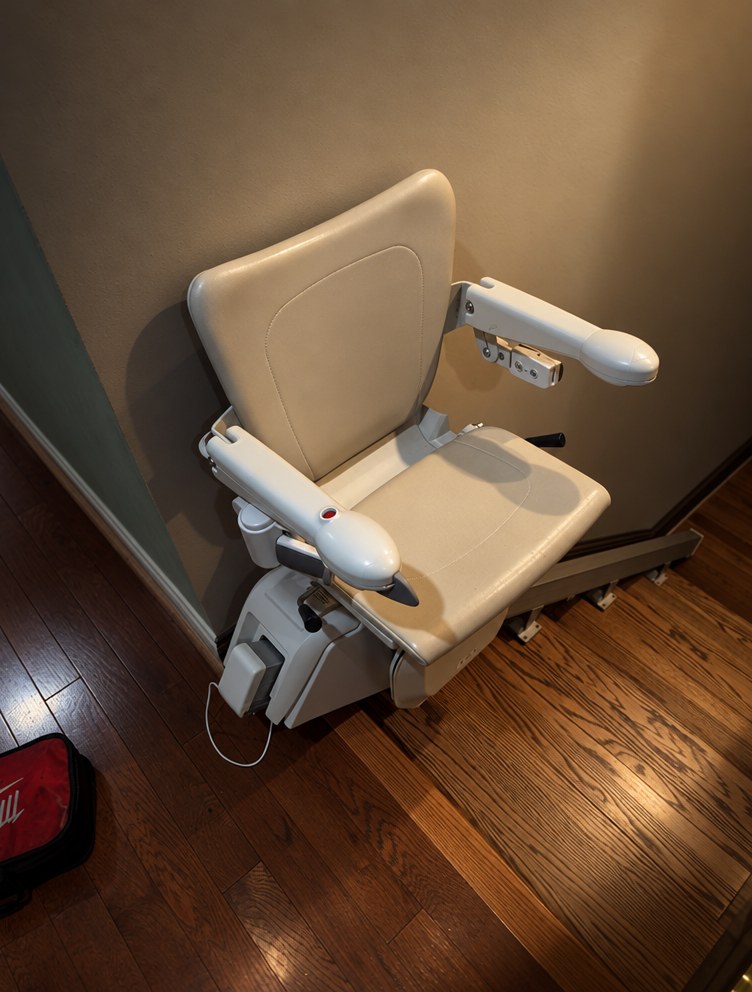
Anybody can sell equipment. Installing it legally, configuring it clinically, and servicing it afterward takes credentials that have to be earned and kept current. Here is what our team holds.
Licensed elevator mechanics, state by state. Residential elevators and platform lifts are regulated work in most jurisdictions, and this is the license that makes it legal to do.
RESNA-recognized credential for evaluating a person's needs and specifying the assistive technology that fits. This is who you want configuring a power chair or a seating system.
The credential for supplying individually configured complex rehab. It is what separates a supplier who works alongside your clinical team from one who ships a box.
Training in modifying a home so someone can stay in it. It is the difference between installing equipment and understanding the house it goes into.
Industry service certification covering installation, maintenance, and repair standards across mobility equipment.
Federal certification for handling refrigerant in vehicle air conditioning. It is required to legally service a bus AC system, and it is why fleet work is something we can actually take on.
There is no grandfather clause that exempts a business from being accessible to people the ADA protects. The age of a building affects what is required and how it is achieved, not whether the obligation exists at all, and renovations tend to bring more of the building into scope. We are not attorneys, so take the legal question to yours. We can measure what you have and tell you where it stands.
A written report: what was measured, where it falls short of ADA accessibility guidelines, the risk ranking, and a price against each item. You can hand it to any contractor, including one who is not us.
No. The report is written so anybody can price the work from it. We would rather you fixed it with somebody else than not at all.
Yes, and usually we do. Evenings, early mornings, and closed days. A storefront should not lose a trading day to have a door operator fitted.
With the person and the job rather than a catalog. We assess alongside them, specify what the work actually requires, and deliver to whichever site they work at.
Yes. Consistent findings across the portfolio, one contact at our end, and central invoicing with local delivery if that suits your accounting.
It depends on the equipment. Seating and workstations are usually quick. Anything requiring a survey and installation takes longer, and we will give you a real date rather than a hopeful one.
Yes, produced at the visit rather than reconstructed afterward. Dated, itemized, and yours to keep.
General liability, commercial auto, garage keepers, workers compensation, and umbrella coverage. Technicians are background checked and drug and alcohol tested, with certificates on request.
No, and we will not pretend otherwise. We measure buildings and install equipment. For legal exposure, talk to your attorney and bring us in to do the measuring.
Someone comes out, looks at the space, and tells you what it would take. No charge, no obligation.