Residential Elevators
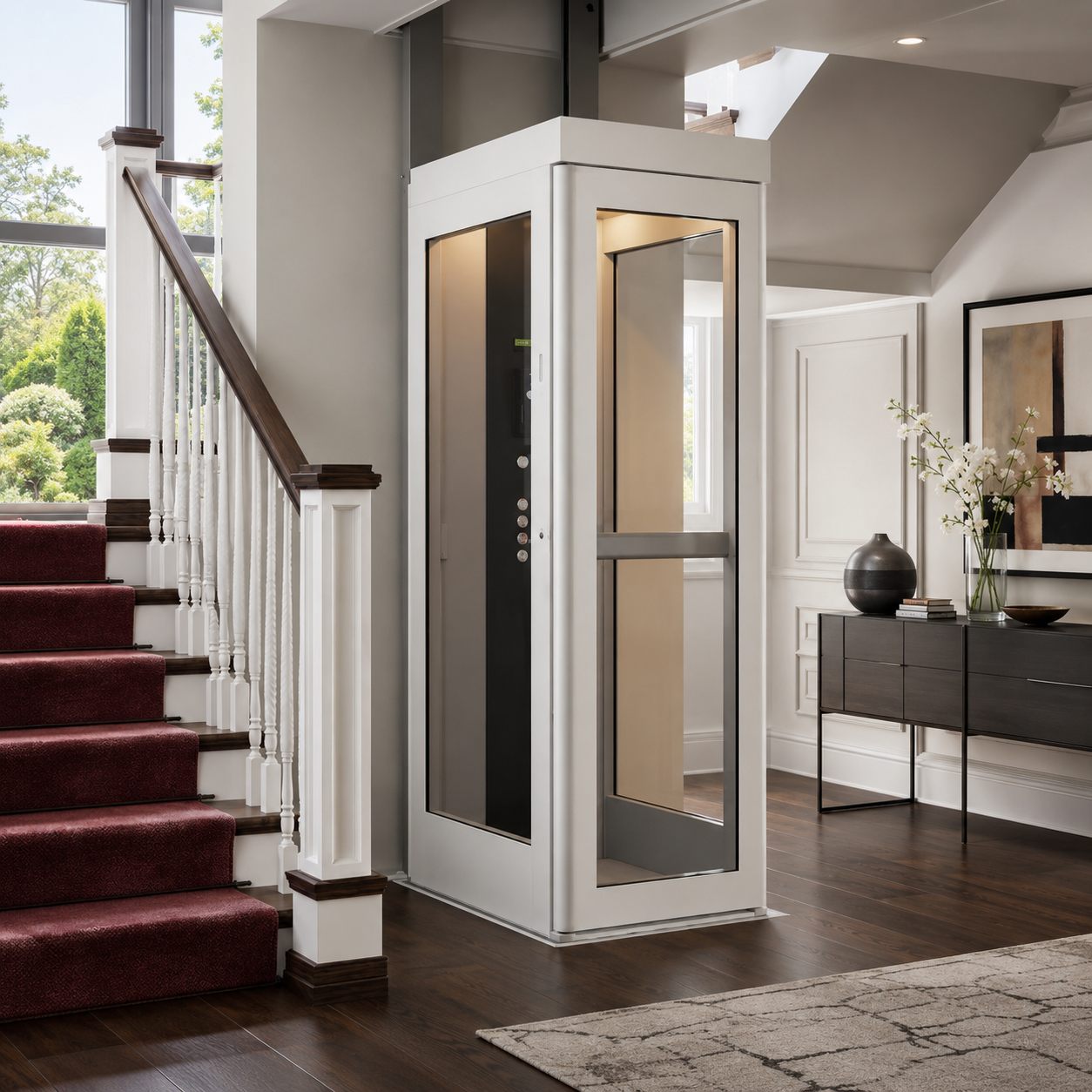
A traditional cab running in a hoistway between floors. Best suited to new construction or a home with space that can be built out.

Free Consultation | Estimate
A mobility specialist will contact you shortly. All consultations, estimates, and scopes of work are provided completely free of charge. No pressure or obligation.
What each one is for, and who it suits.
A traditional cab running in a hoistway between floors. Best suited to new construction or a home with space that can be built out.

A compact lift that passes between two floors through the ceiling without a separate shaft, for homes where cutting a hoistway is impractical.
A residential elevator is a building project as much as an equipment purchase, so the first questions are about the house.
Stacked closets, a corner of a garage, an unused stairwell, or a shaft built onto the outside of the house. Finding the location is the first real work, and it decides most of what follows.
Existing space: less construction New shaft: framing and finishingTwo levels is the common residential case. Three or more changes the machine, the controller, and the price, and it is worth deciding now rather than adding a landing later.
Two stops: standard configuration Three or more: larger controllerA cab elevator runs in a shaft and looks like a small elevator. A through-floor lift opens a hatch in the ceiling and closes it behind itself, which needs far less construction and suits a retrofit.
Cab: shaft, doors, conventional install Through-floor: minimal building workA person walking in is a different cab from a person in a power chair with a caregiver. Cab size, door width, and controls all follow from that, and getting it wrong is expensive to correct.
Walking or standing: smaller cab Wheelchair and helper: larger cab, wider doorAn elevator quote is mostly construction. These are the factors that actually move it.
Shaft construction
Whether a hoistway exists or has to be built, framed, fire-rated, and finished. Usually the largest single line.
Number of stops
Each additional landing adds doors, controls, and travel.
Cab size and finish
A larger cab for a wheelchair, and whatever interior finish you choose.
Drive system
Hydraulic, cable drum, or machine-room-less. Each has different space needs and different service lives.
Permits and inspection
Residential elevators are regulated in most states. Licensed installation and inspection are legal requirements, not upsells.
Site access
Getting equipment into a finished house is occasionally the awkward part of the whole job.
The bars show relative impact, not dollars. For a real number, the survey is free.
An elevator is the right answer less often than people expect, and exactly right when it is.
A residential elevator
CostTens of thousands
TimeWeeks to months
The answer when a wheelchair has to travel with the person, when a caregiver rides along, or when the stairs cannot take a rail.
A stairlift
CostA fraction of it
TimeDays to weeks
Cheaper, quicker, and reversible. It carries a seated person, not a wheelchair, and it needs a staircase that will take a rail.
A through-floor lift
CostBetween the two
TimeWeeks
Takes a wheelchair without building a shaft. Often the sensible middle answer in an existing house.
Moving to a single level
CostVaries enormously
TimeMonths
Sometimes genuinely right. It also means leaving the neighbours, the routine, and the house somebody chose.
Six parts. Most of the cost is in the two nobody thinks about.
The shaft the cab runs in: framed, fire-rated where required, and finished. Usually the largest part of the bill and the longest part of the schedule.
Hydraulic, cable drum, or machine-room-less. Decides how much space is needed, how it sounds, and what maintenance looks like.
Sized to whoever rides in it. A wheelchair and a caregiver need noticeably more room than one person standing.
Landing doors and cab gate with interlocks, so the elevator cannot move with a door open. This is the safety system.
The brain. Handles calls, levelling, and fault detection, and is what a technician actually reads when something goes wrong.
Not a part, but it belongs on the list. In most states this equipment legally requires a licensed mechanic and an inspection.
Four things people say before they decide.
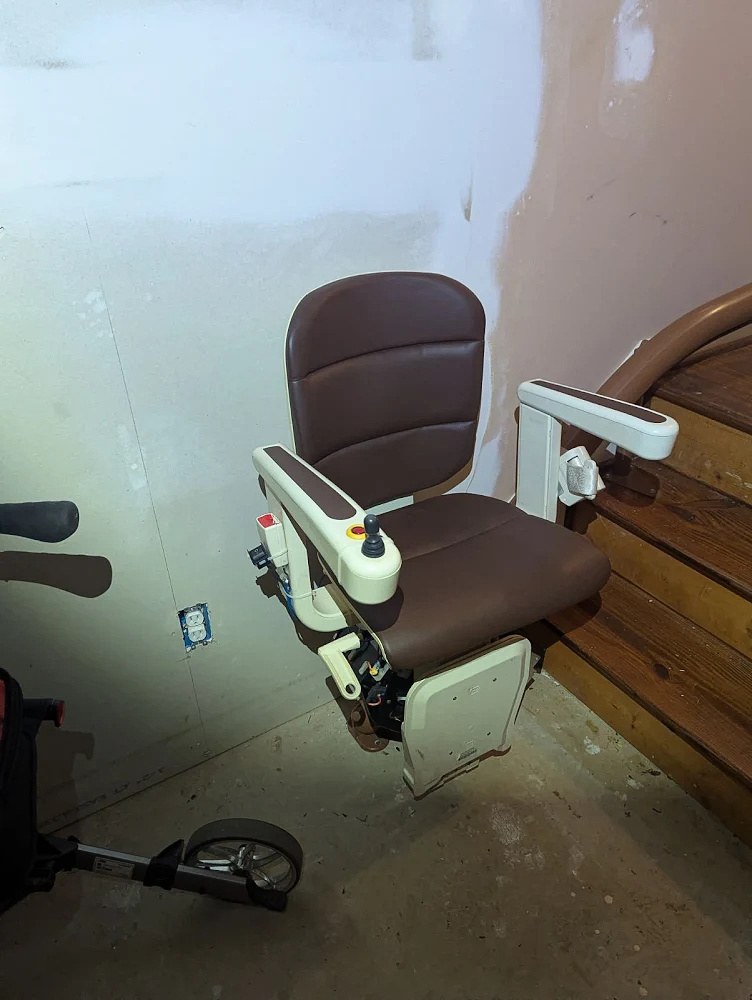
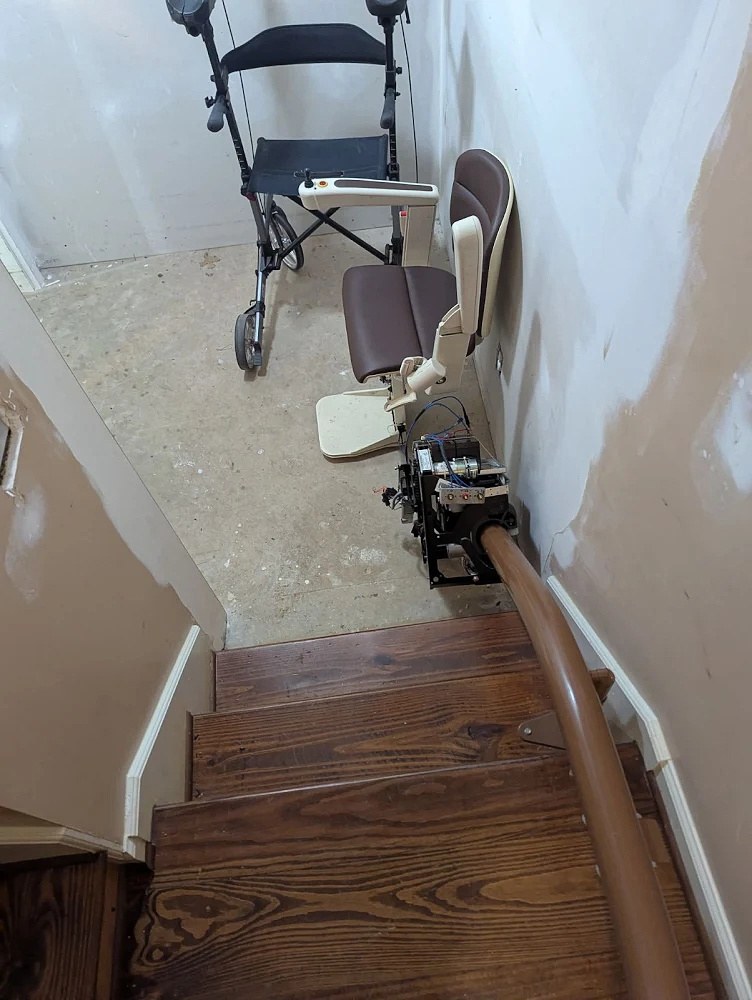
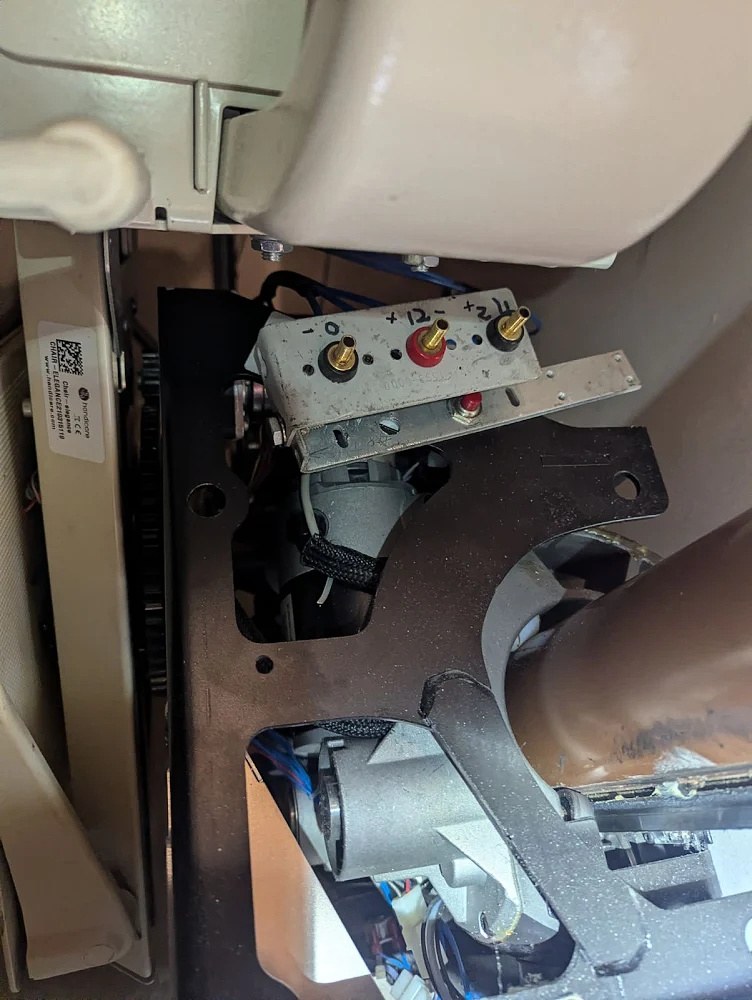
Photographed on the day, in real homes and buildings.
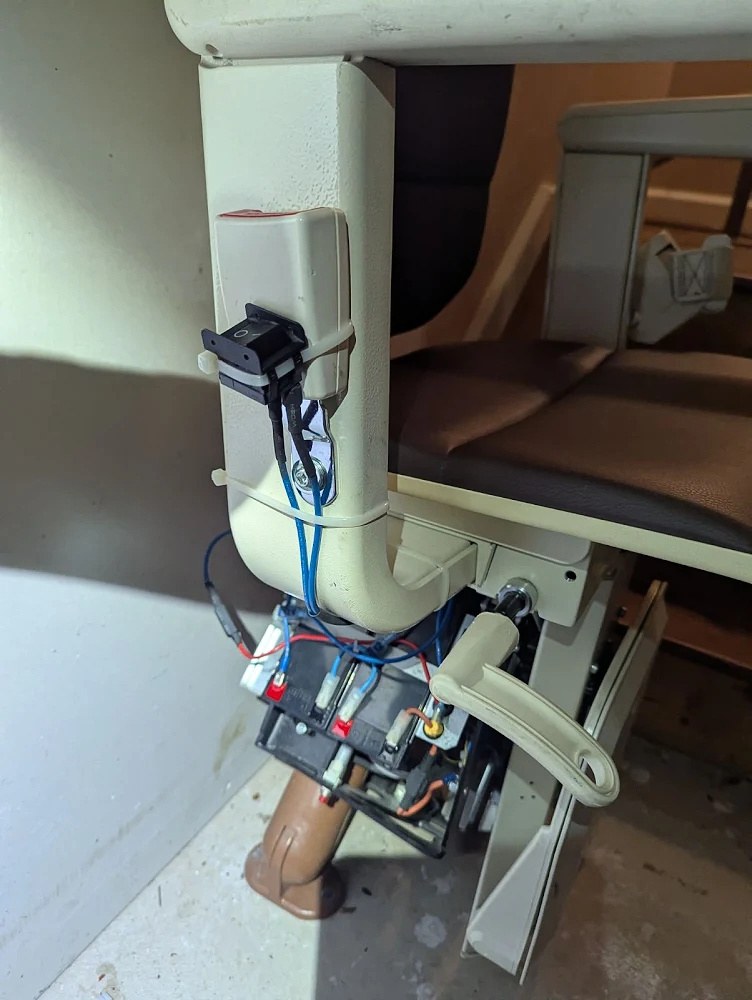
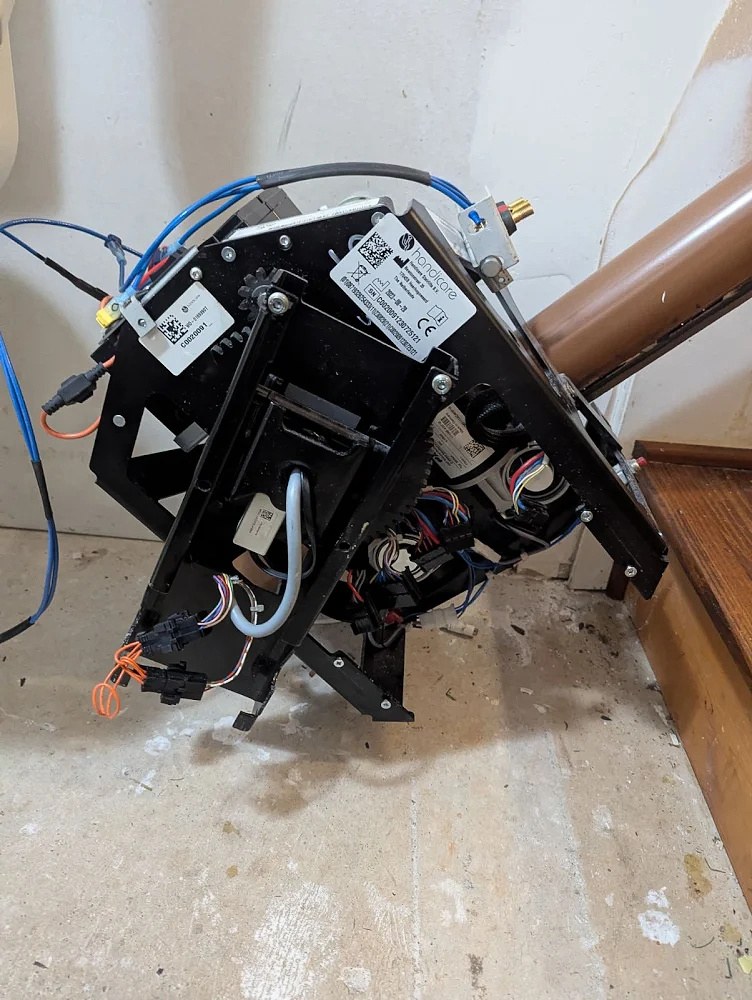
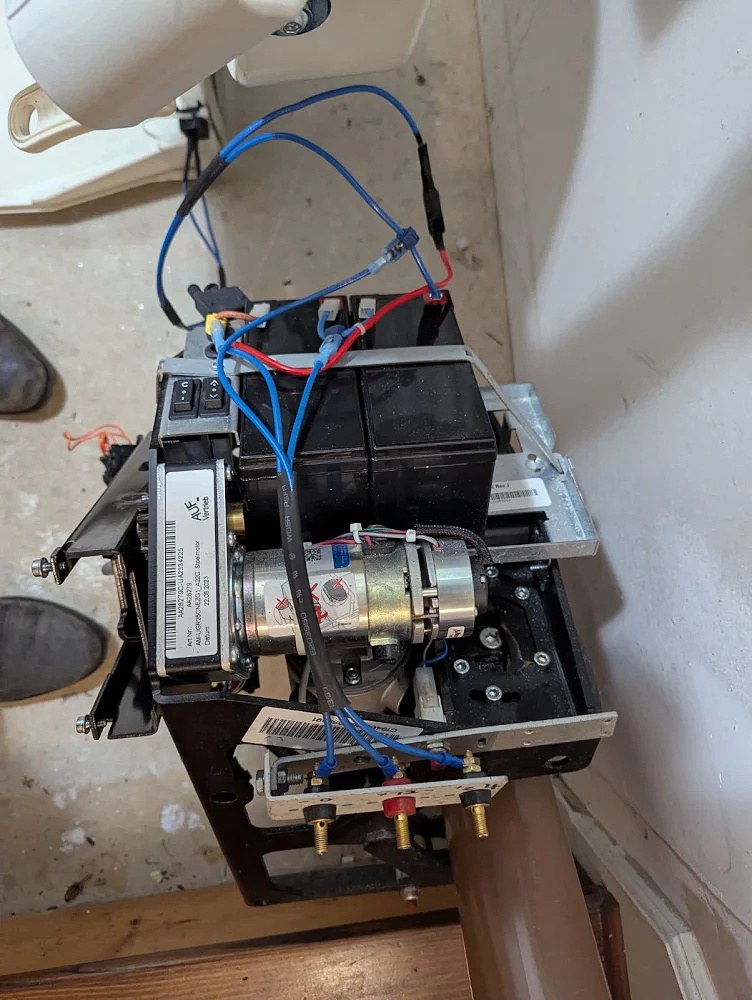
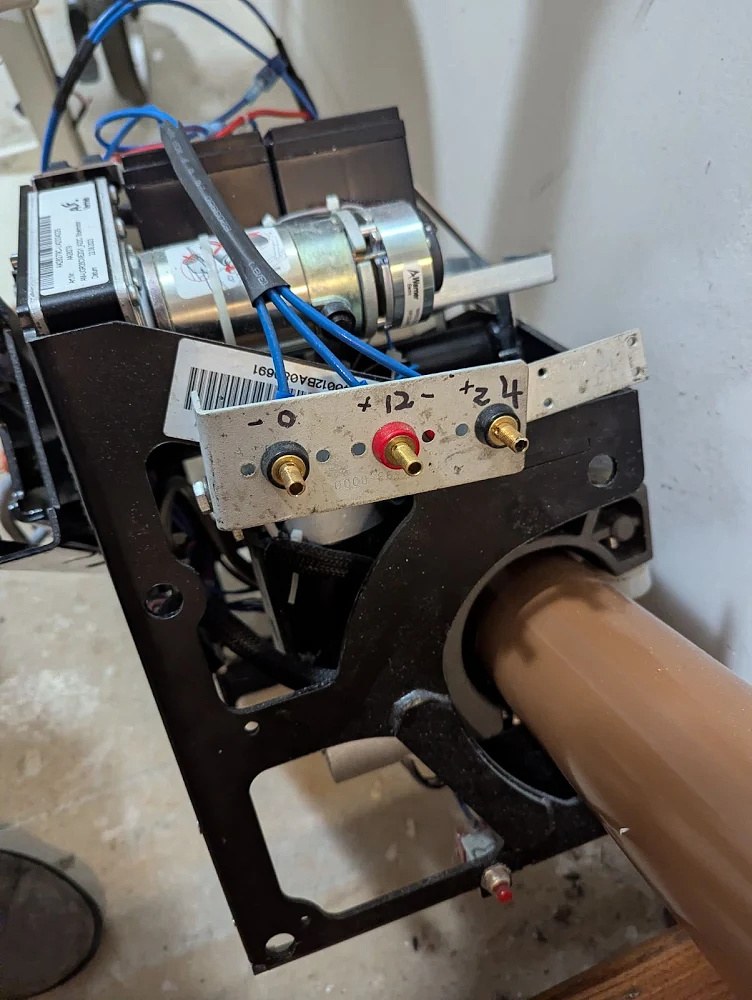
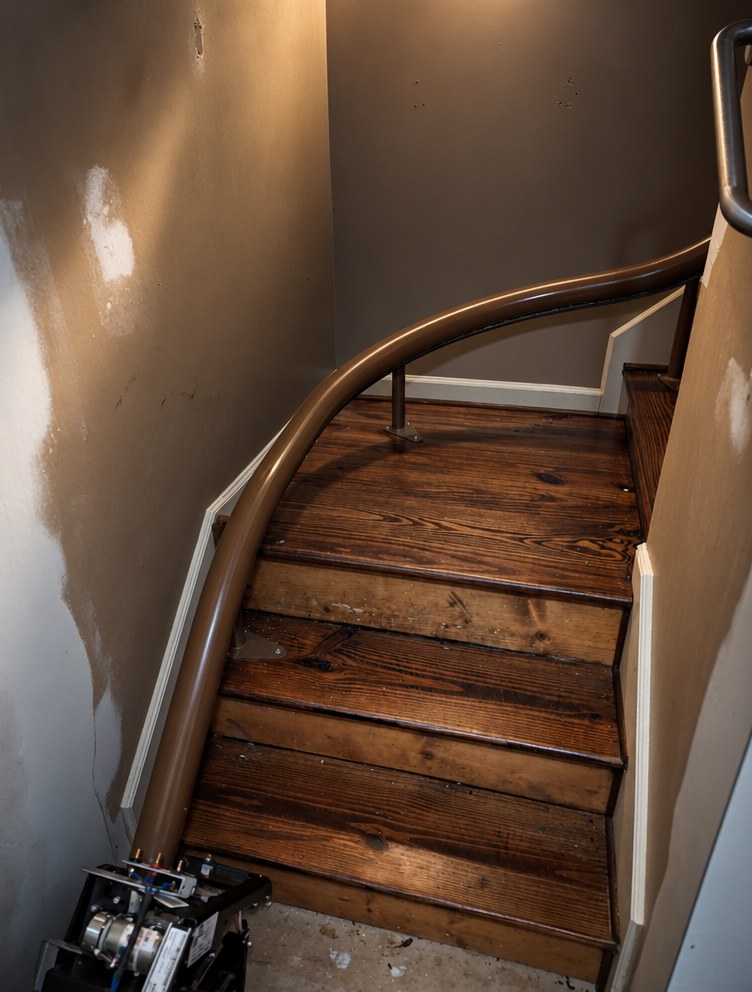
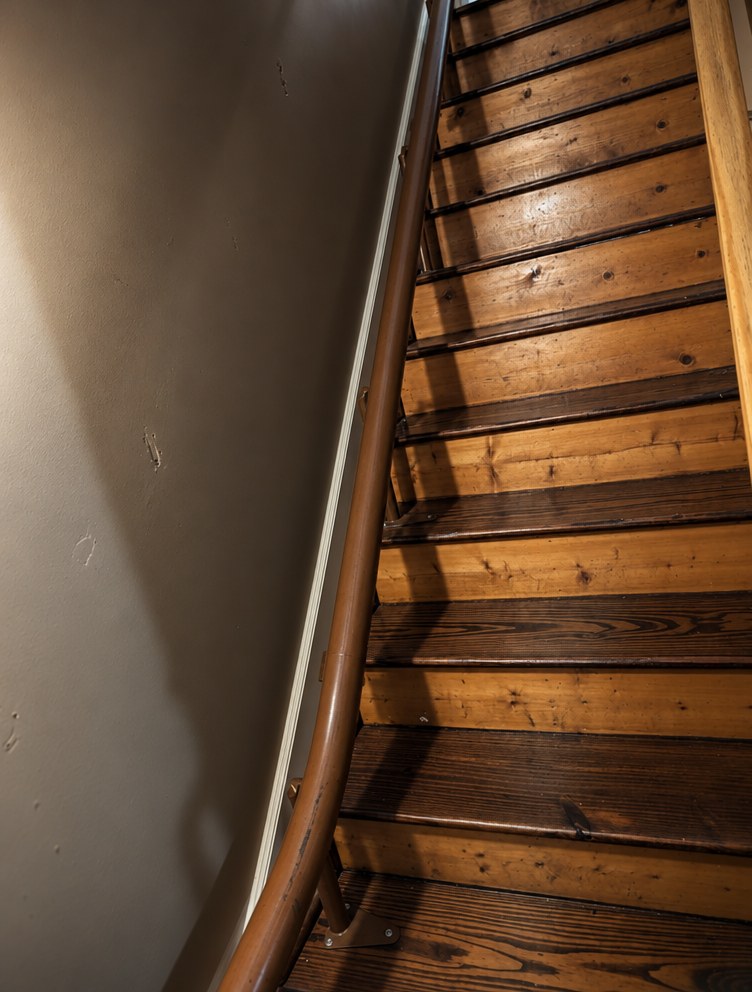
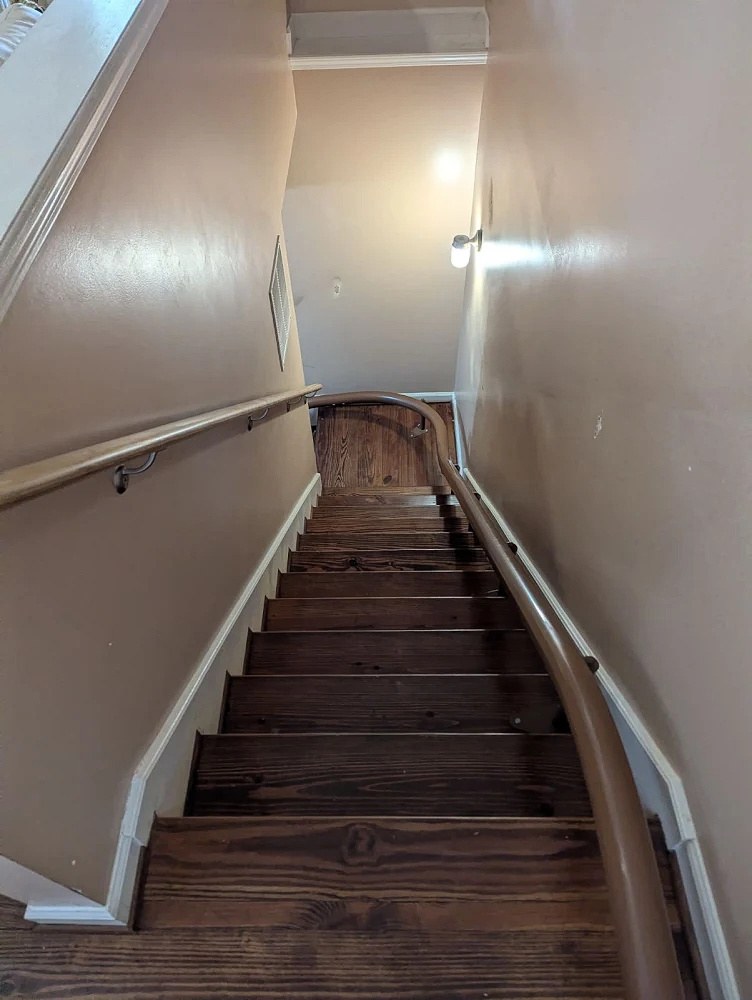
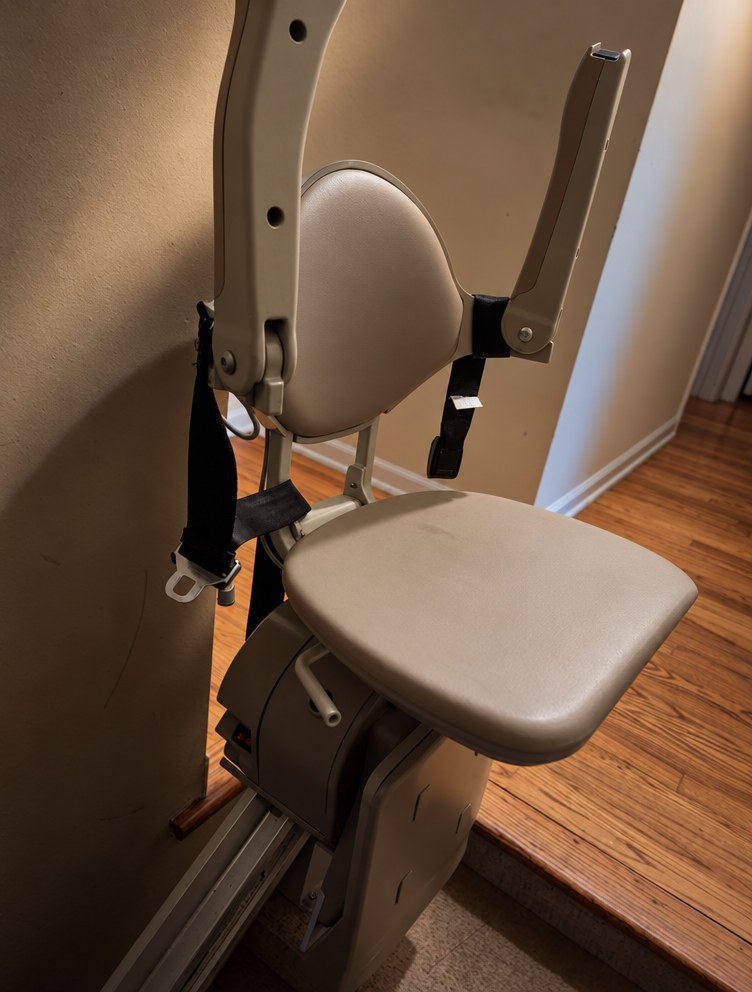
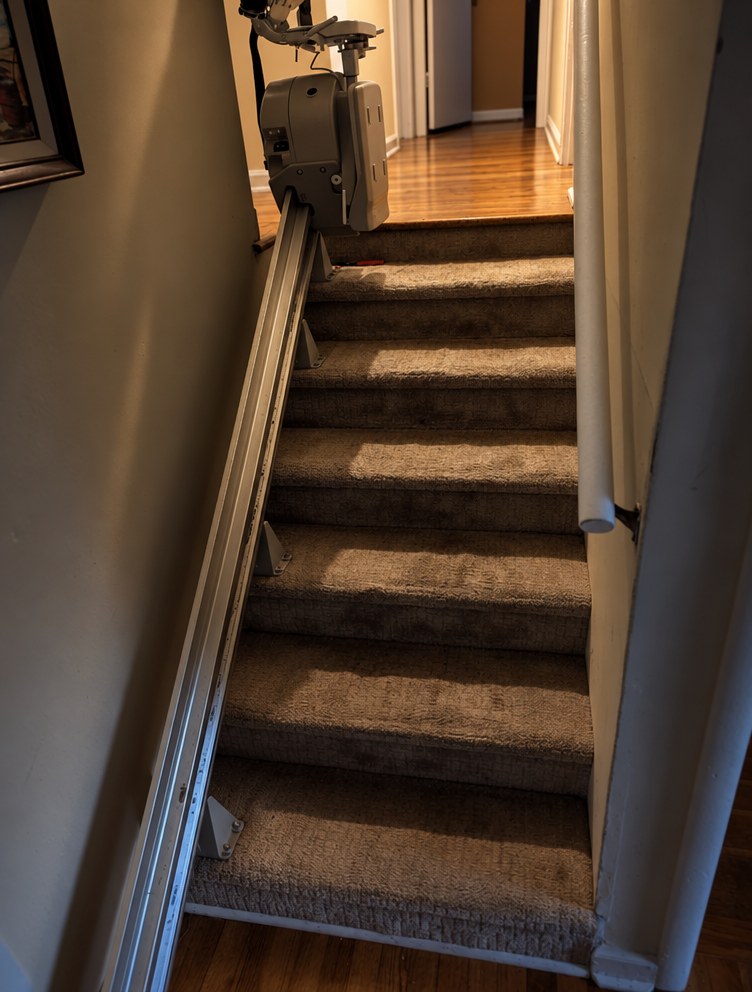
Carrying several lines means the equipment gets matched to the situation rather than the situation getting matched to the equipment.
A conversation about the person, the building or the fleet, and the budget. Free, and with no obligation to buy anything.
A technician surveys the site in person and gives you a written scope, so the price you agree to is the price of the job.
Factory-certified technicians install and commission the equipment, and stay until everyone who has to operate it can.
Maintenance and repair for as long as you own the equipment, from the people who put it in. Scheduled preventive maintenance where a contract calls for it.
Anybody can sell equipment. Installing it legally, configuring it clinically, and servicing it afterward takes credentials that have to be earned and kept current. Here is what our team holds.
Licensed elevator mechanics, state by state. Residential elevators and platform lifts are regulated work in most jurisdictions, and this is the license that makes it legal to do.
RESNA-recognized credential for evaluating a person's needs and specifying the assistive technology that fits. This is who you want configuring a power chair or a seating system.
The credential for supplying individually configured complex rehab. It is what separates a supplier who works alongside your clinical team from one who ships a box.
Training in modifying a home so someone can stay in it. It is the difference between installing equipment and understanding the house it goes into.
Industry service certification covering installation, maintenance, and repair standards across mobility equipment.
Federal certification for handling refrigerant in vehicle air conditioning. It is required to legally service a bus AC system, and it is why fleet work is something we can actually take on.
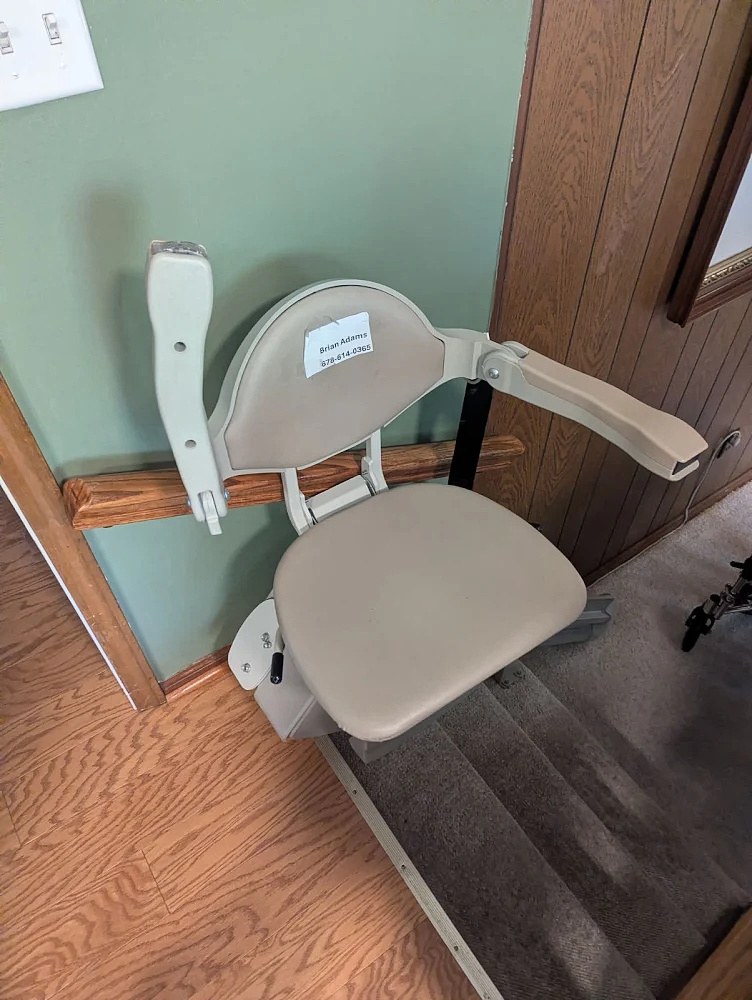
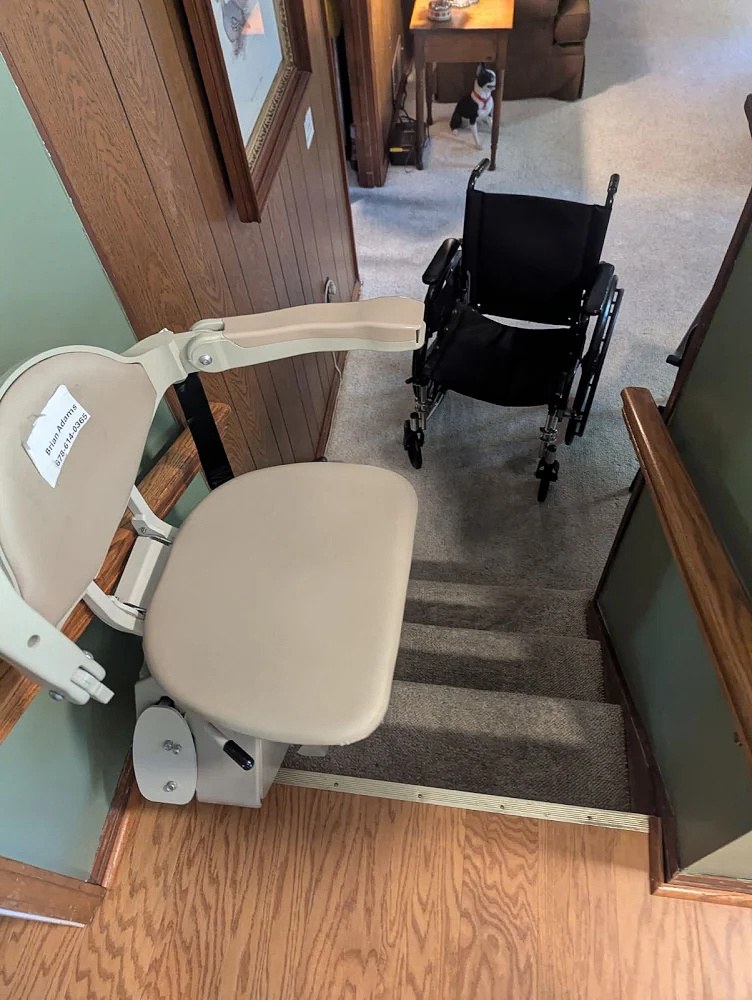
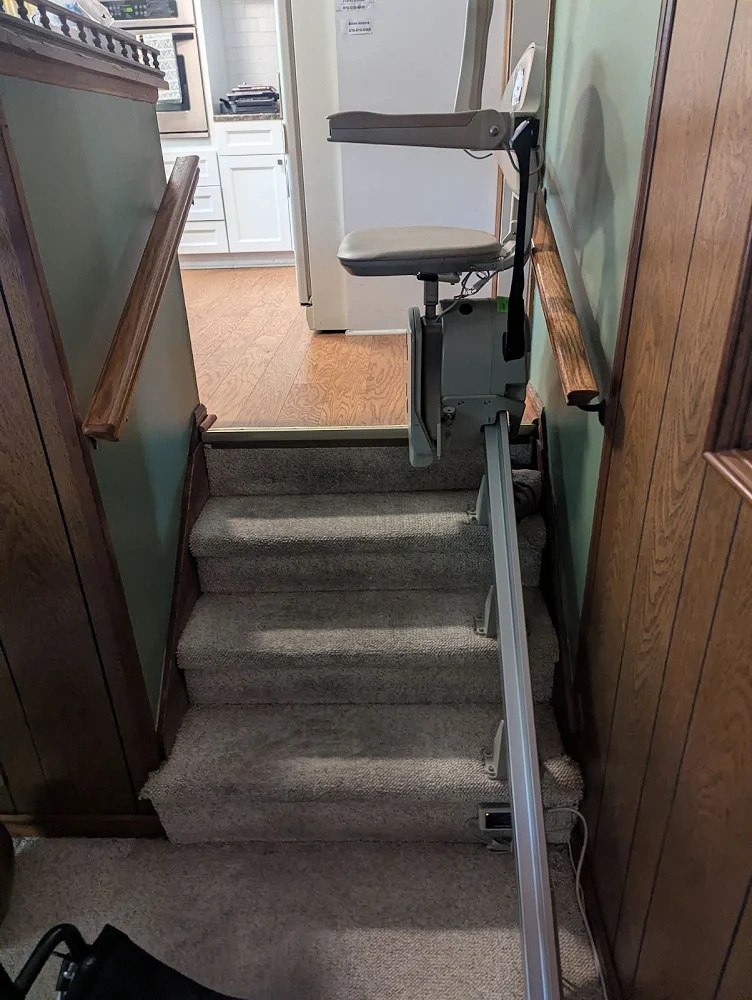
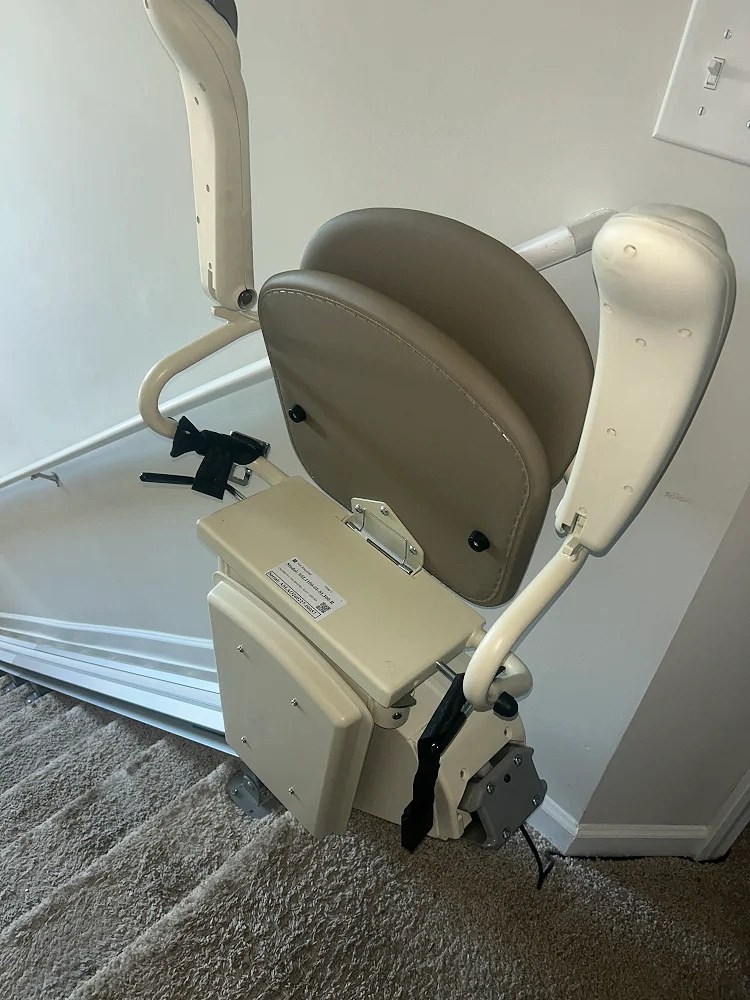
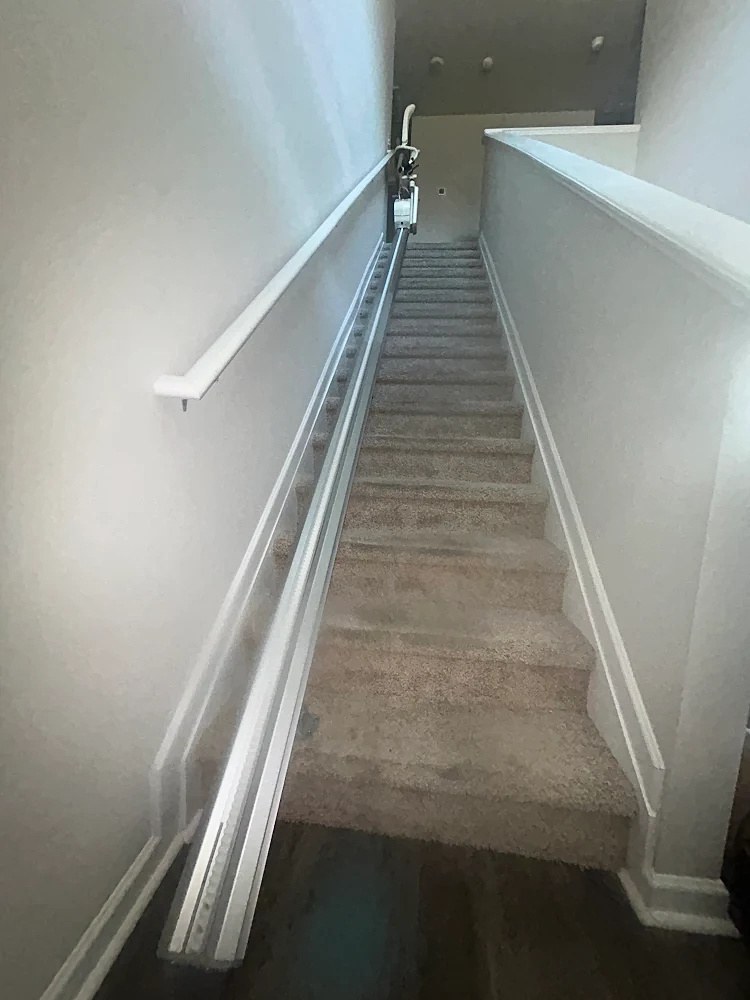
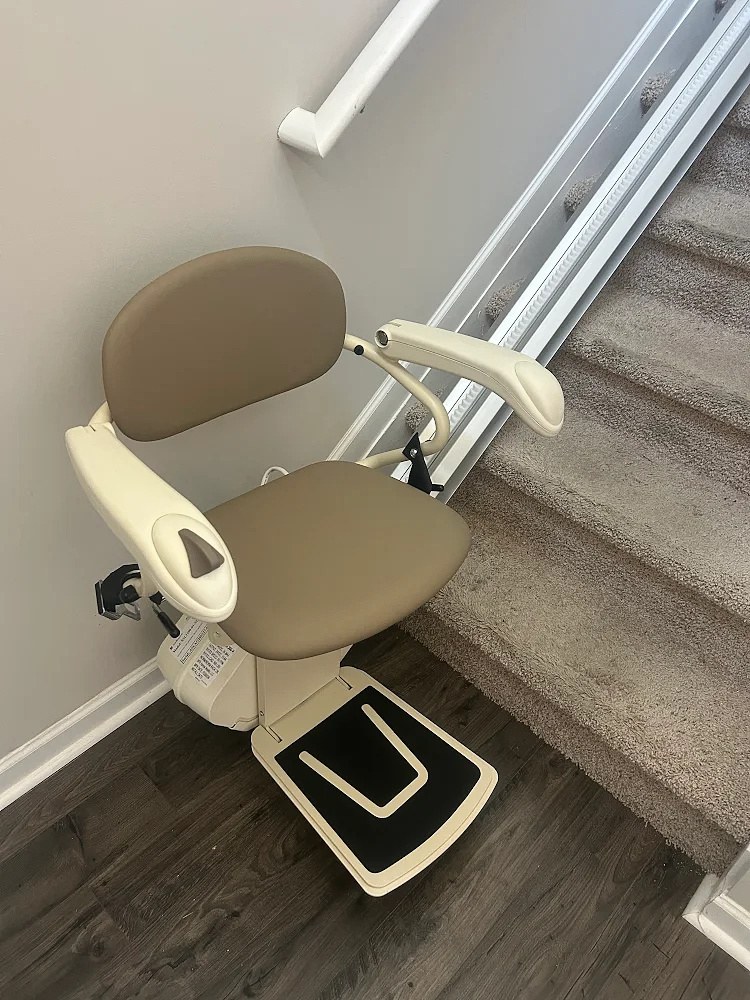
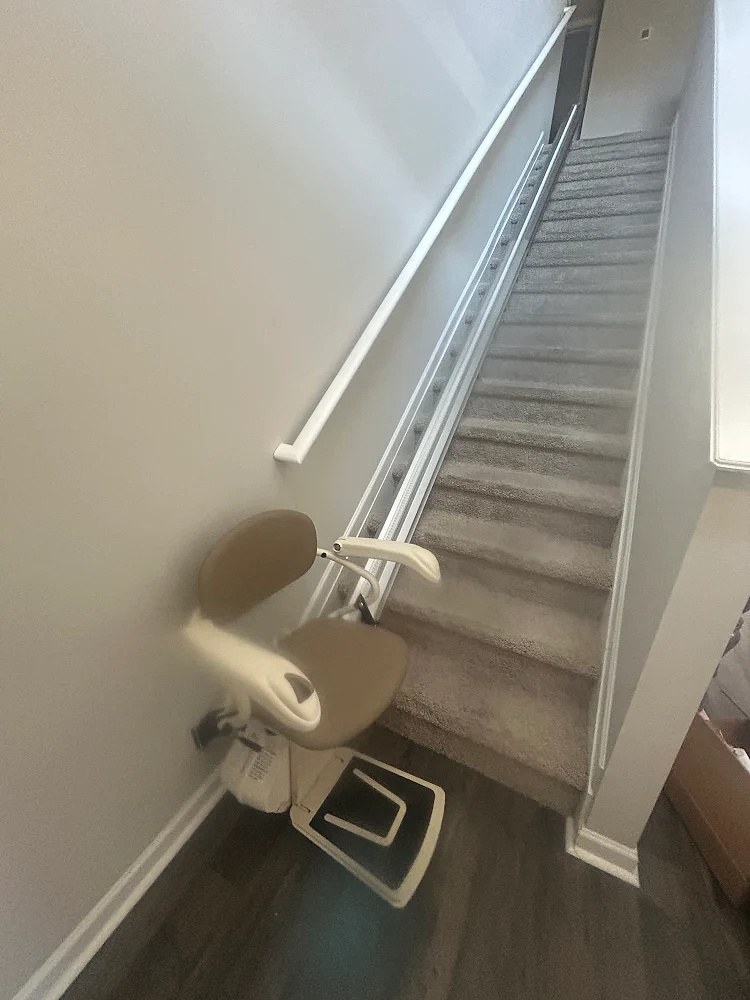
Real work in real homes and buildings, photographed on the day.
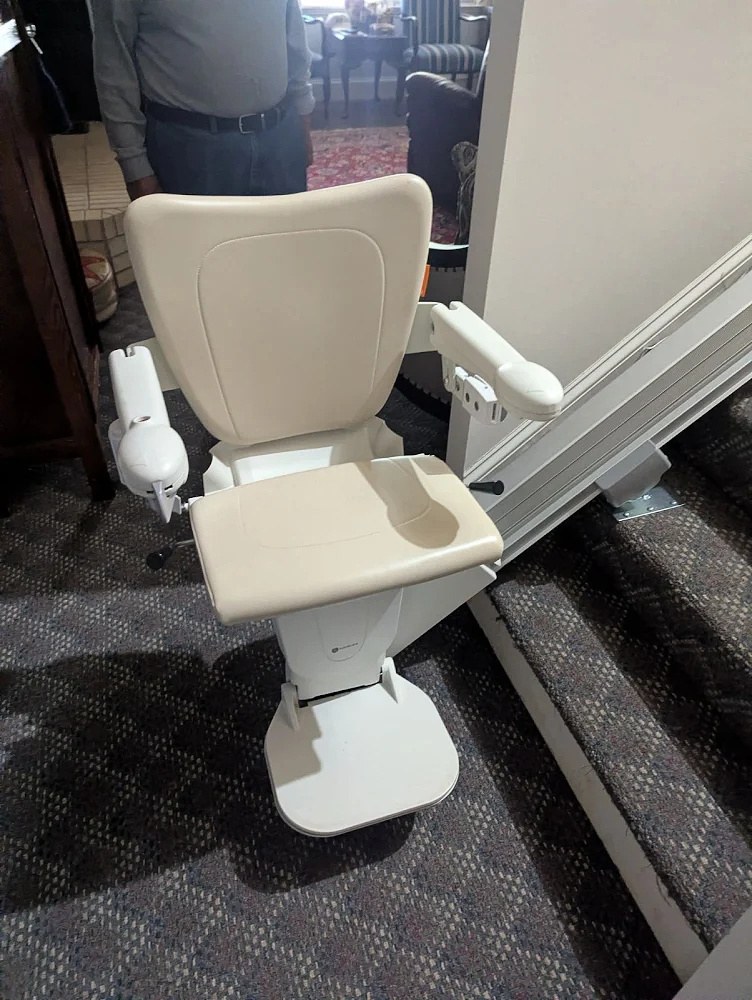
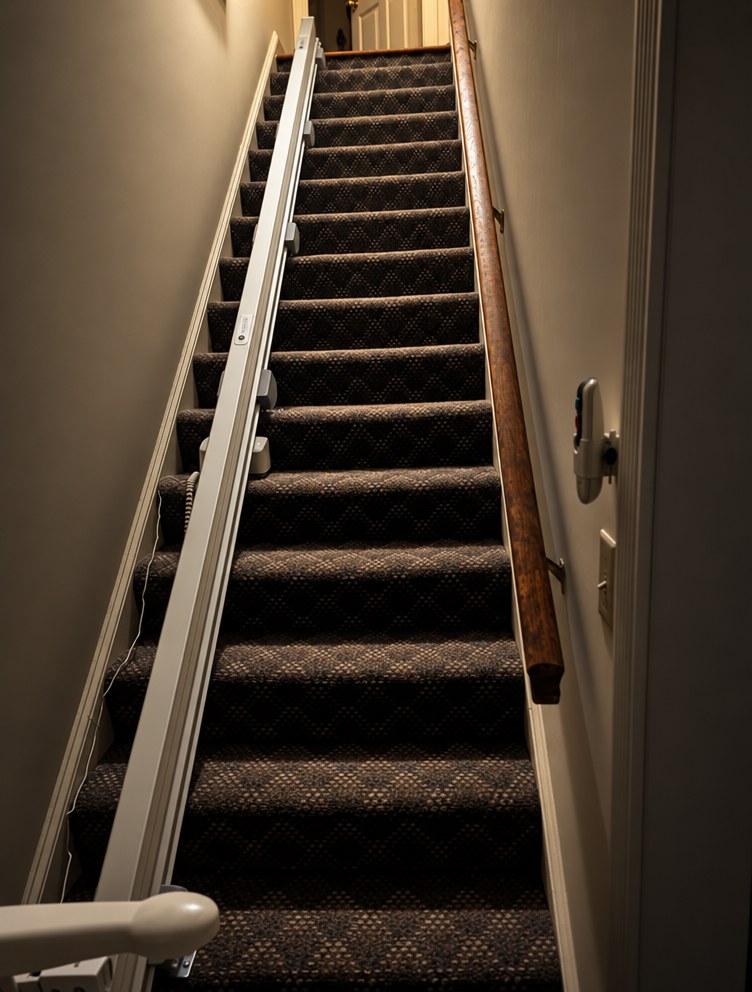
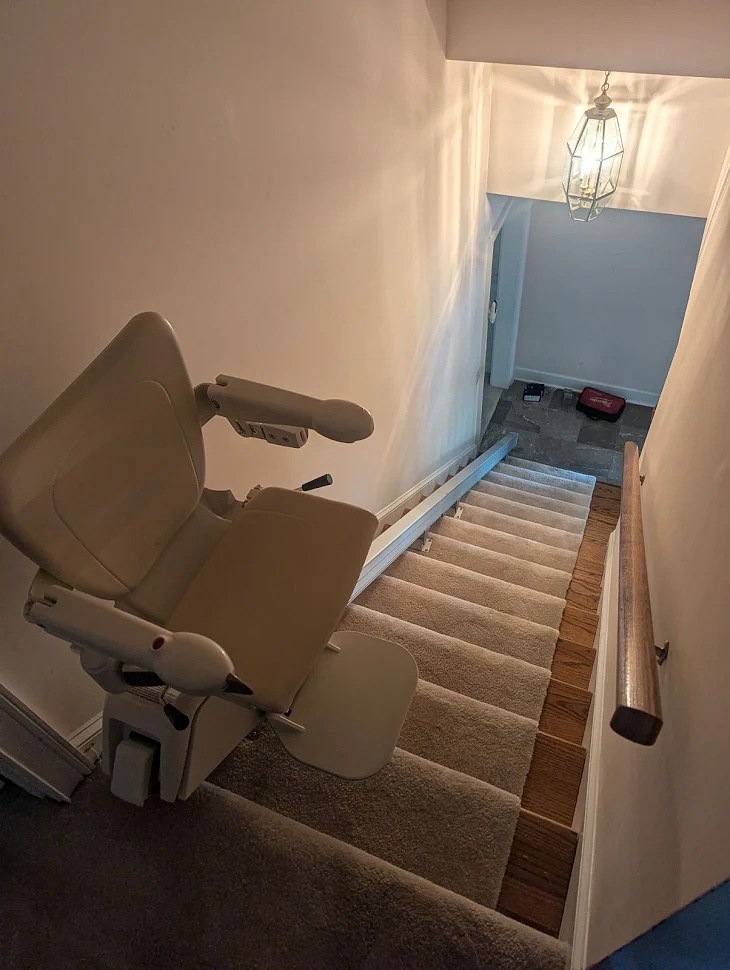
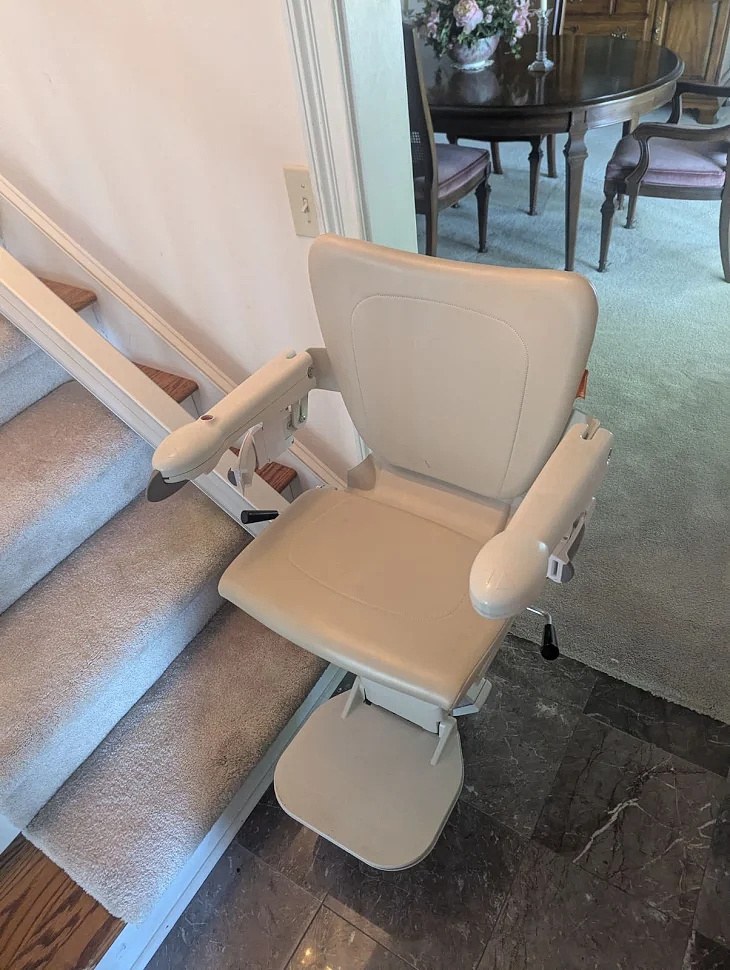
What Our Customers Say
Pulled directly from our verified Google reviews. We respond to every single one.
Customer reviews on Google
Mason is a wonderful service technician! We live in “rural country” of NE Georgia and he drove all this way to get my Dad’s chair lift up and running. Thank you, Mason AND Custom Mobility!
As a fellow business owner, I have seen this company do all of their work with as much professionalism and tact as any that I have ever encountered. I thoroughly enjoy actually witnessing people who care about their work and show it through their actions, and the owner at Customer Mobility is the ep…
My Service Technician is truly the best! He responded within a day and he fixed the chairlift in less than an hour! It’s reassuring to know that we can depend upon Custom Mobility!
A traditional elevator does. A through-floor lift does not, which is why it is often the answer in an existing home.
We do, with a licensed elevator mechanic and the code inspections the installation requires.
We commission the system and train the household on operation, the emergency lowering function, and routine care. Preventive maintenance agreements are available.
Two is the common residential case. Three or more changes the machine and the controller, so it is worth deciding at the start rather than adding a landing later.
A cab elevator runs in a shaft and looks like a small elevator. A through-floor lift opens a hatch and closes behind itself, needs far less construction, and is often the sensible retrofit.
It has to be specified that way from the start. Cab size and door width follow from who rides in it, and correcting that later is expensive.
In most states, yes, by law. We hold elevator mechanic licensing in house. Ask any competitor whether theirs is in-house or borrowed.
Battery backup, controlled lowering, an alarm, and a manual release. Elevators are among the most heavily regulated equipment we install, which is the point of the licensing.
A free survey, a written scope, and a number that does not move afterward.