
ADA Compliance Audits
Find out where a building actually stands.
A walkthrough of your property against ADA accessibility guidelines, with findings written down and a costed path to fixing what matters.
Most buildings fail on small things.
A threshold half an inch too high. A door that needs more force than a person in a chair can apply. Grab bars mounted at the wrong height. A ramp built to a slope somebody eyeballed. None of it looks like a problem until it is one.
We measure it, write down what we found, and tell you what it would take to fix. You are then free to have anybody do the work, including nobody.
- Measured on site, not from drawings
- Written findings you can act on
- Priced remediation, item by item
- Ranked by risk, not by our margin
- Re-inspection after the work
What we look at.
The path a person takes through a building, from the parking space to wherever they were going.
Arrival and approach
Parking, access aisles, signage, curb ramps, surface condition, and the route from the space to the entrance.
Entrances and doors
Clear width, threshold height, opening force, hardware, closing speed, and whether a powered operator is warranted.
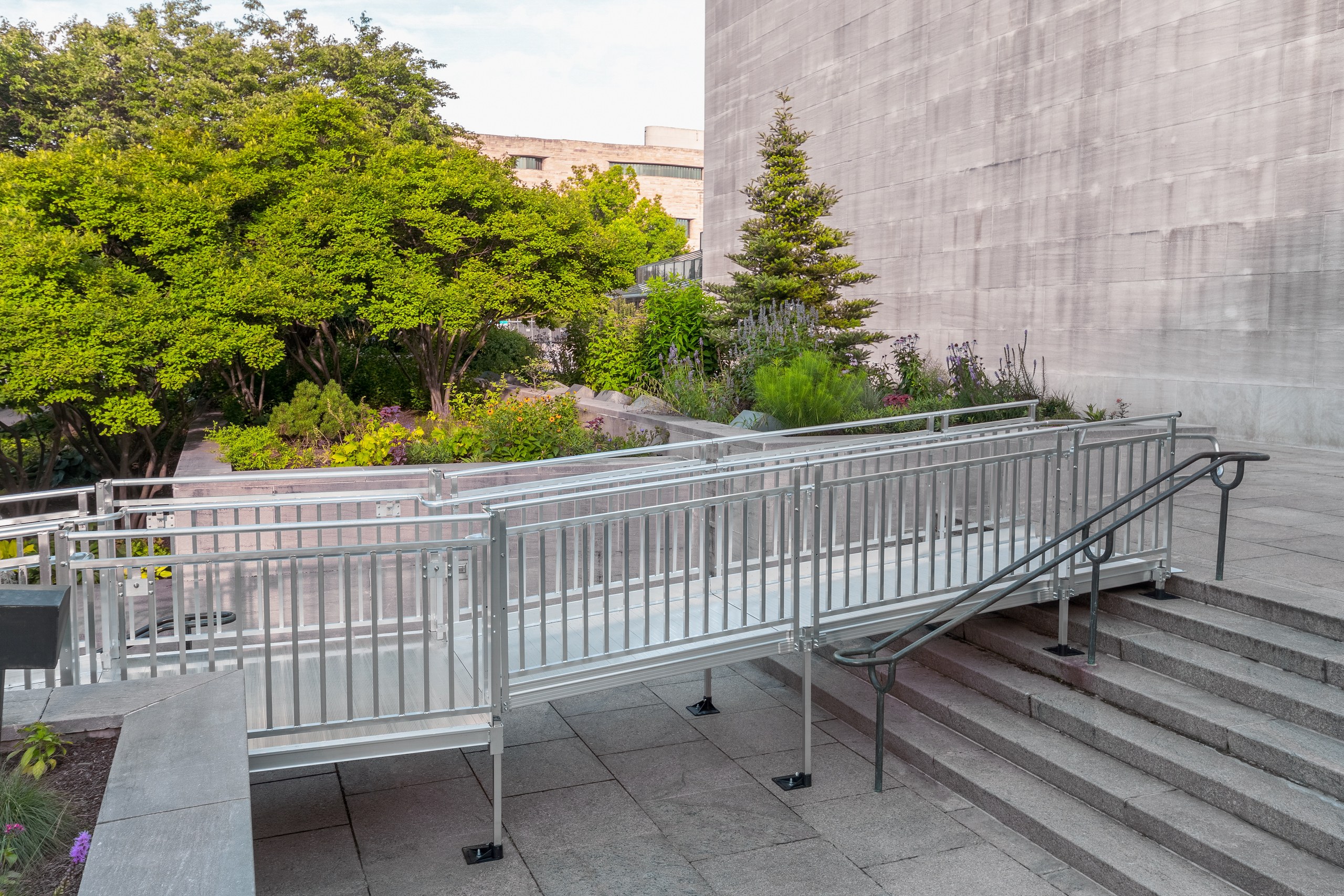
Ramps and level changes
Running slope, cross slope, landings, handrails, and edge protection, measured rather than estimated.
Vertical circulation
Whether a platform lift or elevator is required, whether an existing one still complies, and its service condition.
Restrooms
Turning space, fixture heights, grab bar placement and blocking, door swing, and reach ranges to dispensers and controls.
Interior routes
Corridor widths, protruding objects, counter and service heights, and the accessible route to whatever the building is for.
What this is, and what it is not.
This is a practical accessibility assessment by people who install this equipment for a living. It tells you where a building falls short of ADA accessibility guidelines and what it would cost to close the gap.
It is not a legal opinion, and we will not tell you that a report from us makes you immune to a complaint. Anybody who says otherwise is selling you something. If you are already facing a claim, talk to your attorney and bring us in to do the measuring.
- Written by installers, not consultants
- Every finding tied to a measurement
- Fixes you can put in a budget
- No obligation to use us for the work
How The Work Happens
Consultation
A conversation about the person, the building or the fleet, and the budget. Free, and with no obligation to buy anything.
Site survey
A technician surveys the site in person and gives you a written scope, so the price you agree to is the price of the job.
Installation
Factory-certified technicians install and commission the equipment, and stay until everyone who has to operate it can.
Service
Maintenance and repair for as long as you own the equipment, from the people who put it in. Scheduled preventive maintenance where a contract calls for it.
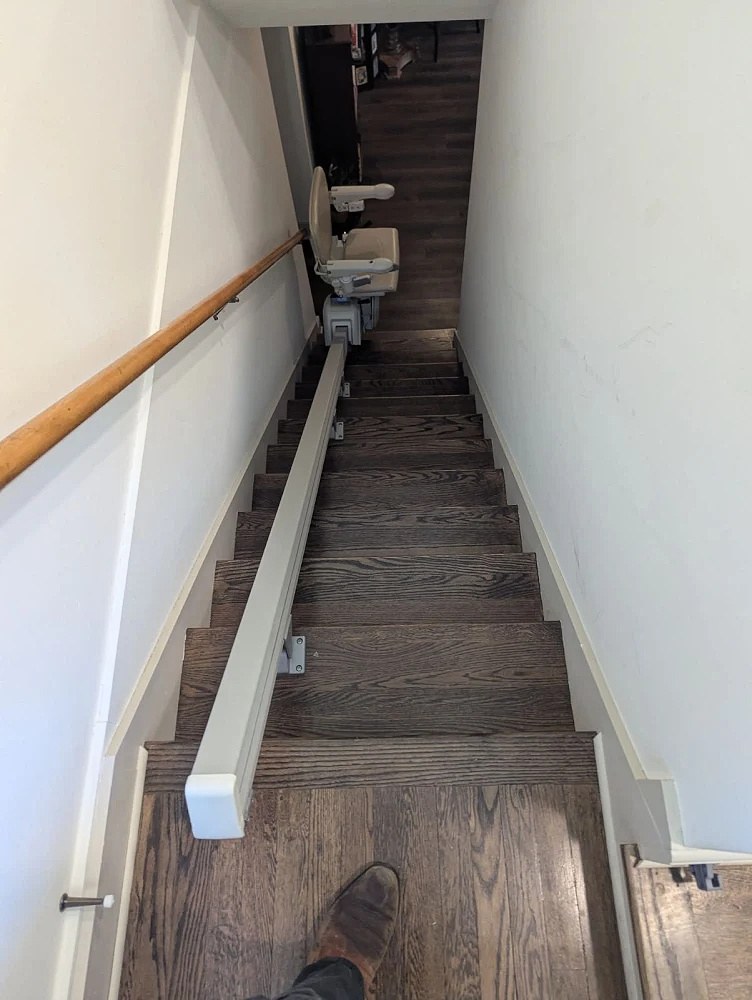
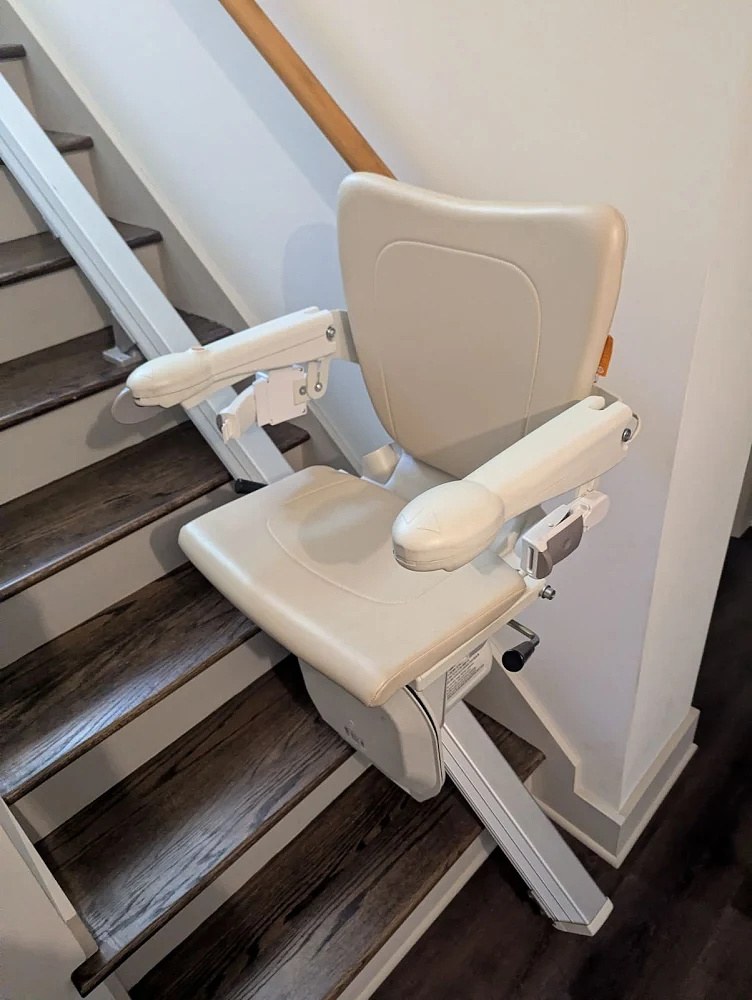
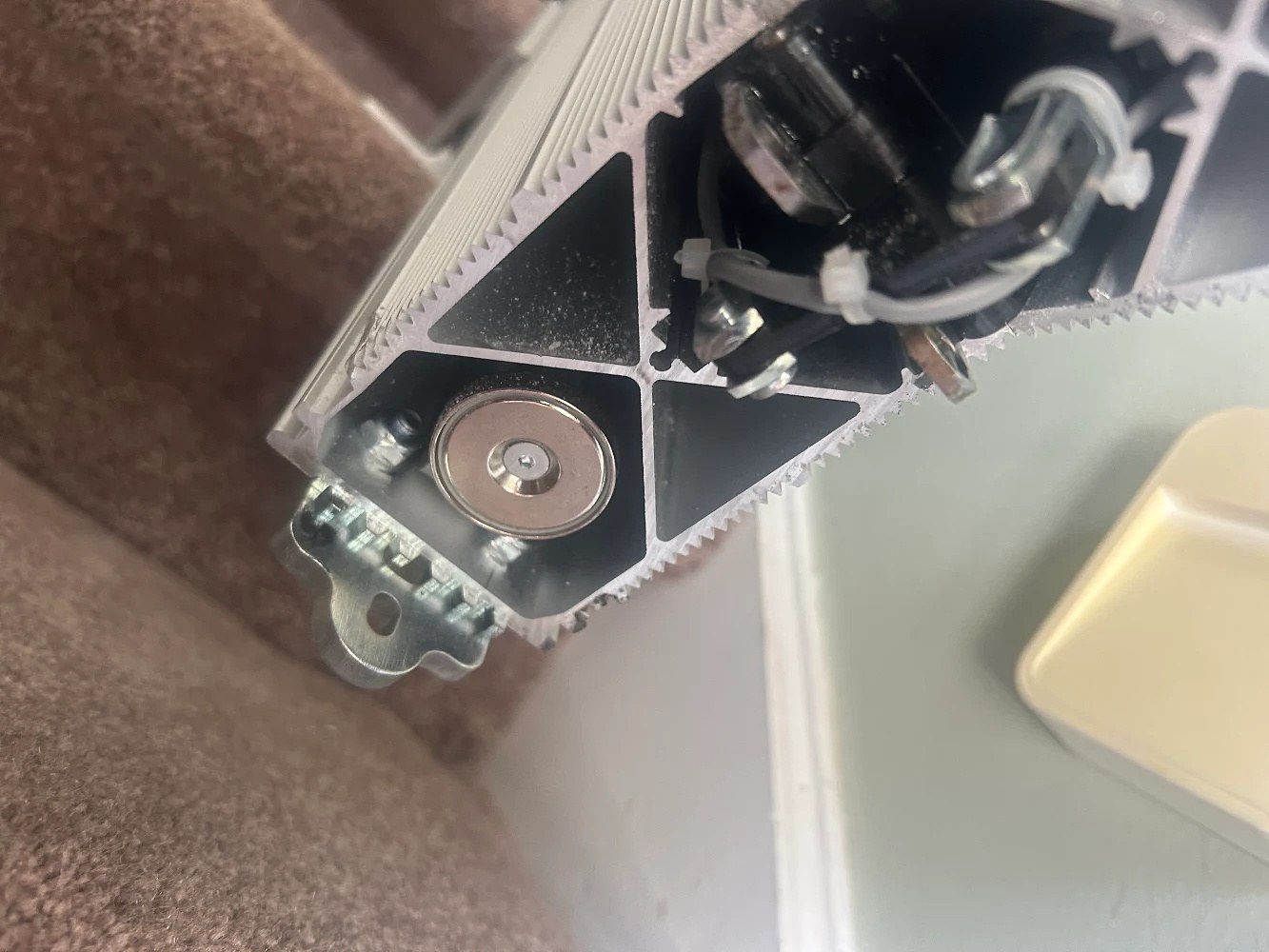
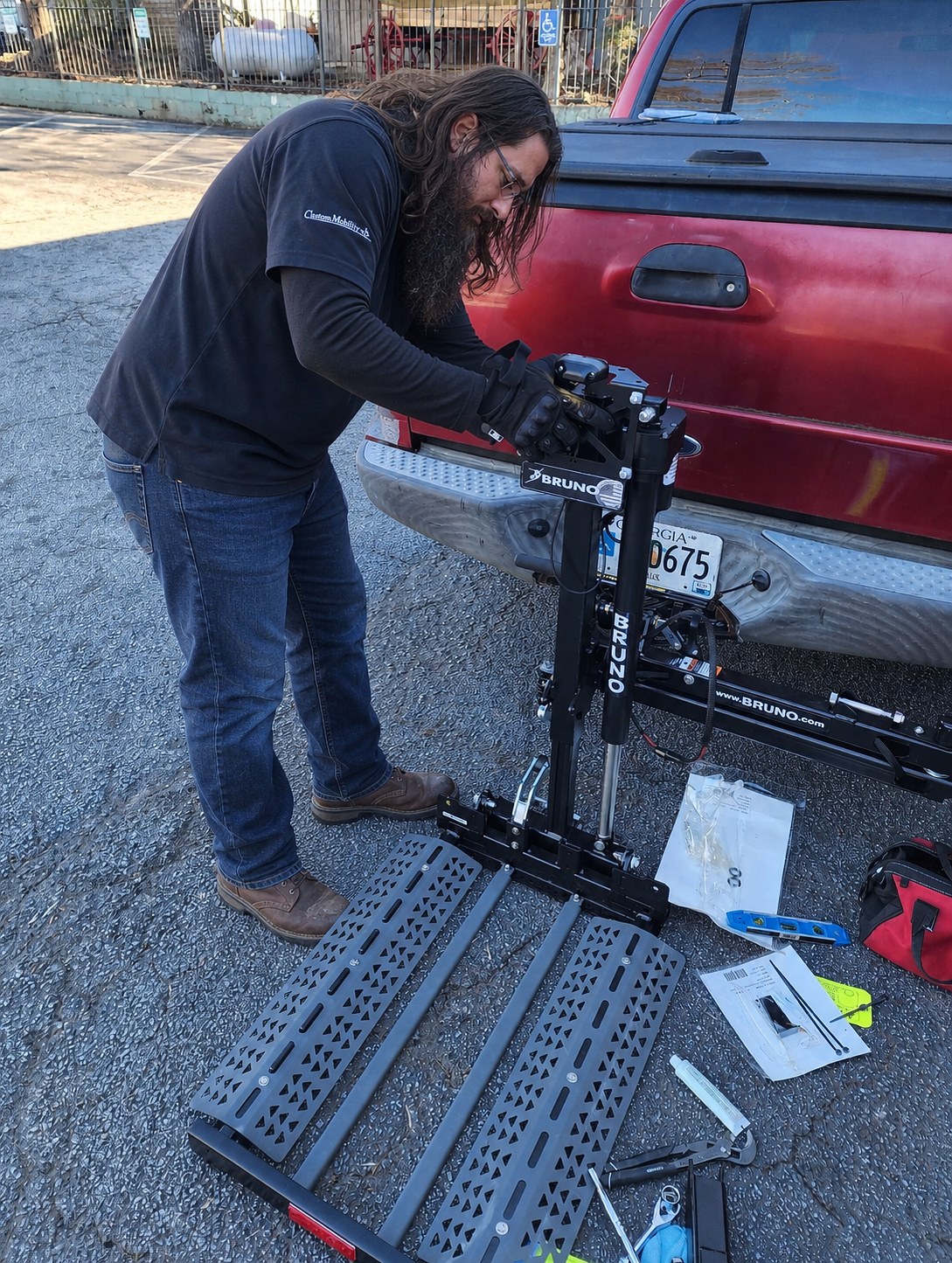
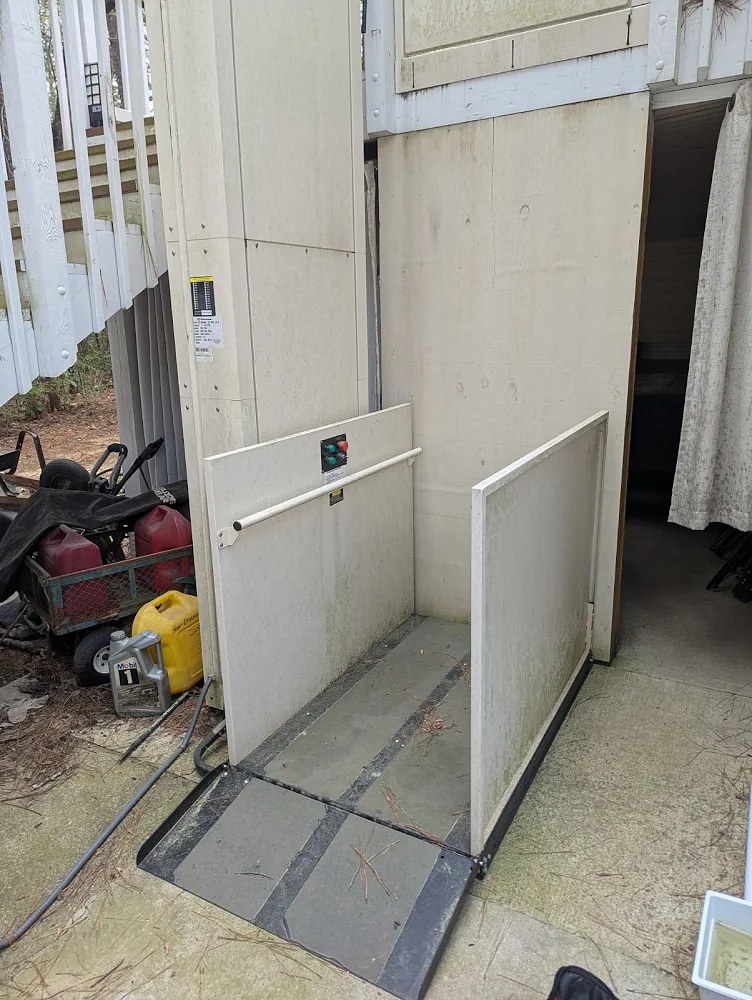
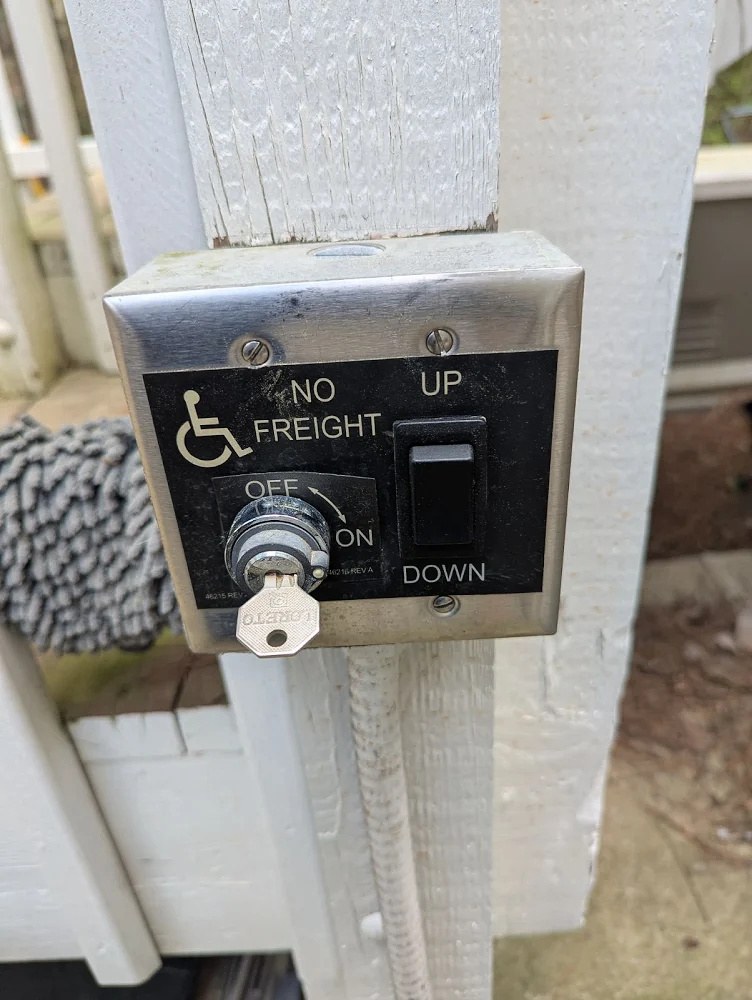
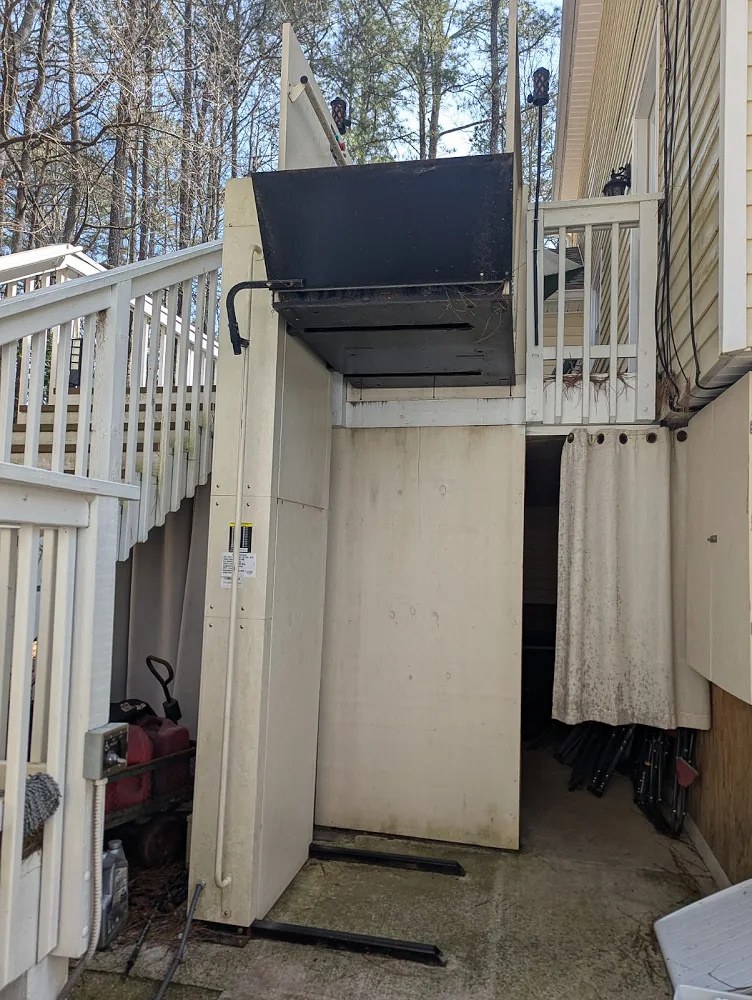
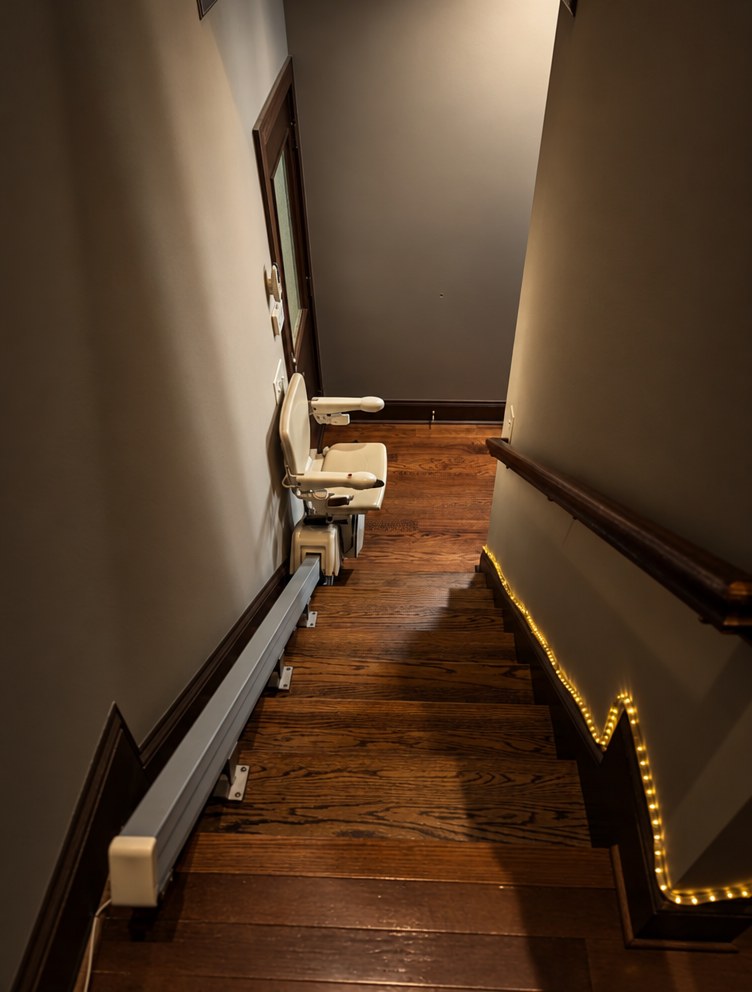
Remediation we have carried out.
Real work in real homes and buildings, photographed on the day.
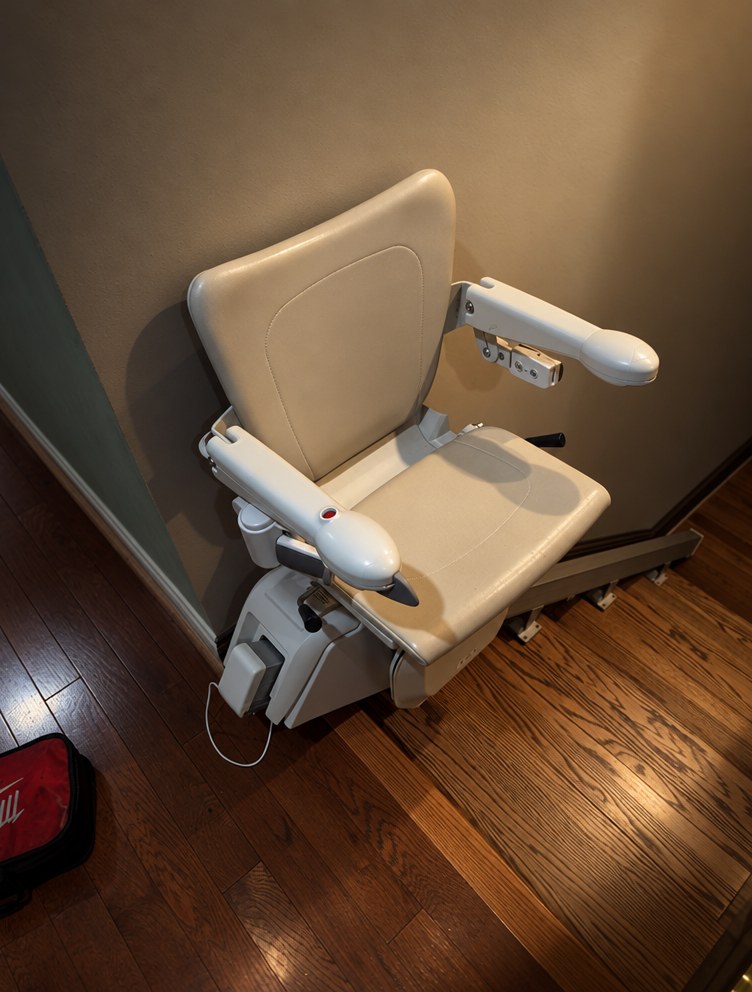
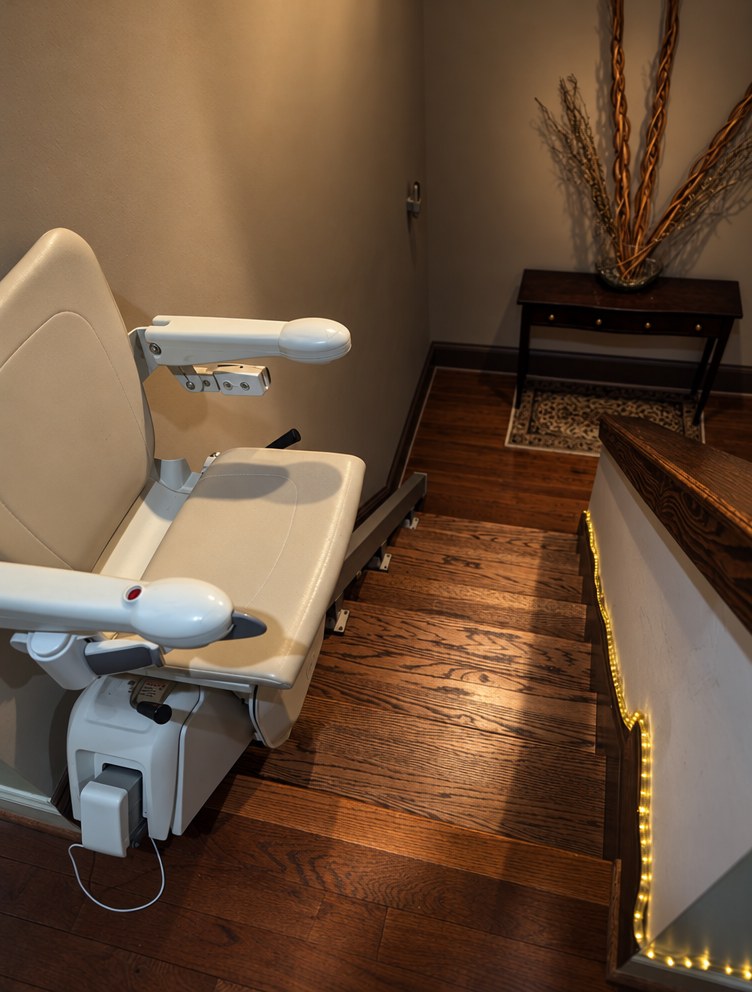
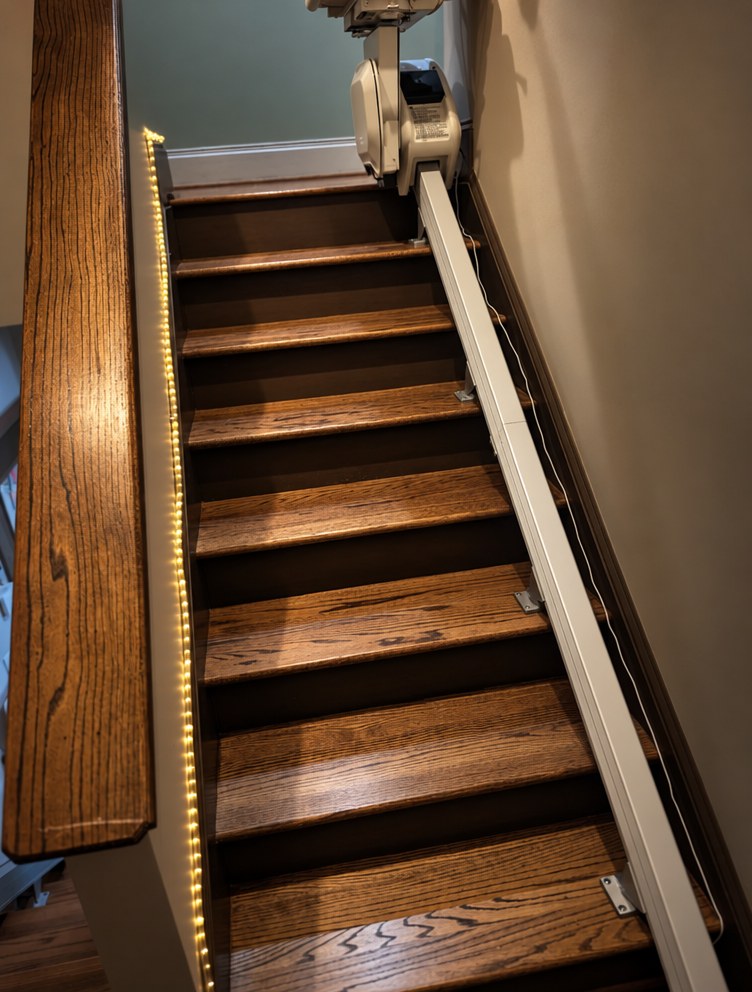
The Credentials Behind The Work
Anybody can sell equipment. Installing it legally, configuring it clinically, and servicing it afterward takes credentials that have to be earned and kept current. Here is what our team holds.
State Elevator Mechanic Licenses
Licensed elevator mechanics, state by state. Residential elevators and platform lifts are regulated work in most jurisdictions, and this is the license that makes it legal to do.
ATP, Assistive Technology Professional
RESNA-recognized credential for evaluating a person's needs and specifying the assistive technology that fits. This is who you want configuring a power chair or a seating system.
CRTS, Complex Rehab Technology Supplier
The credential for supplying individually configured complex rehab. It is what separates a supplier who works alongside your clinical team from one who ships a box.
CAPS, Certified Aging-in-Place Specialist
Training in modifying a home so someone can stay in it. It is the difference between installing equipment and understanding the house it goes into.
Mobility Service Excellence
Industry service certification covering installation, maintenance, and repair standards across mobility equipment.
EPA Section 609
Federal certification for handling refrigerant in vehicle air conditioning. It is required to legally service a bus AC system, and it is why fleet work is something we can actually take on.
Questions about audits.
How long does an audit take?
A small site is a few hours. A campus is a scheduled program. We will tell you which yours is before we start.
Do we have to use you for the remediation?
No, and the report is written so that anybody can price the work from it. We would rather you fixed it with somebody else than not at all.
Is this a legal certification?
No. It is a measured assessment against ADA accessibility guidelines. It is not legal advice and we will not pretend it is.
Can you audit several sites?
Yes. Multi-site programs are common, with one contact at our end and consistent findings across the portfolio.
What if we are mid-renovation?
That is the best time to call. Fixing a threshold before the floor goes down costs a fraction of fixing it afterward.
Find out where your building stands.
Tell us the property and what it is used for, and we will scope an audit.