
Our Solutions
Everything we sell, install, and service.
Six categories. Every one of them is quoted after a site survey and delivered with a written scope.
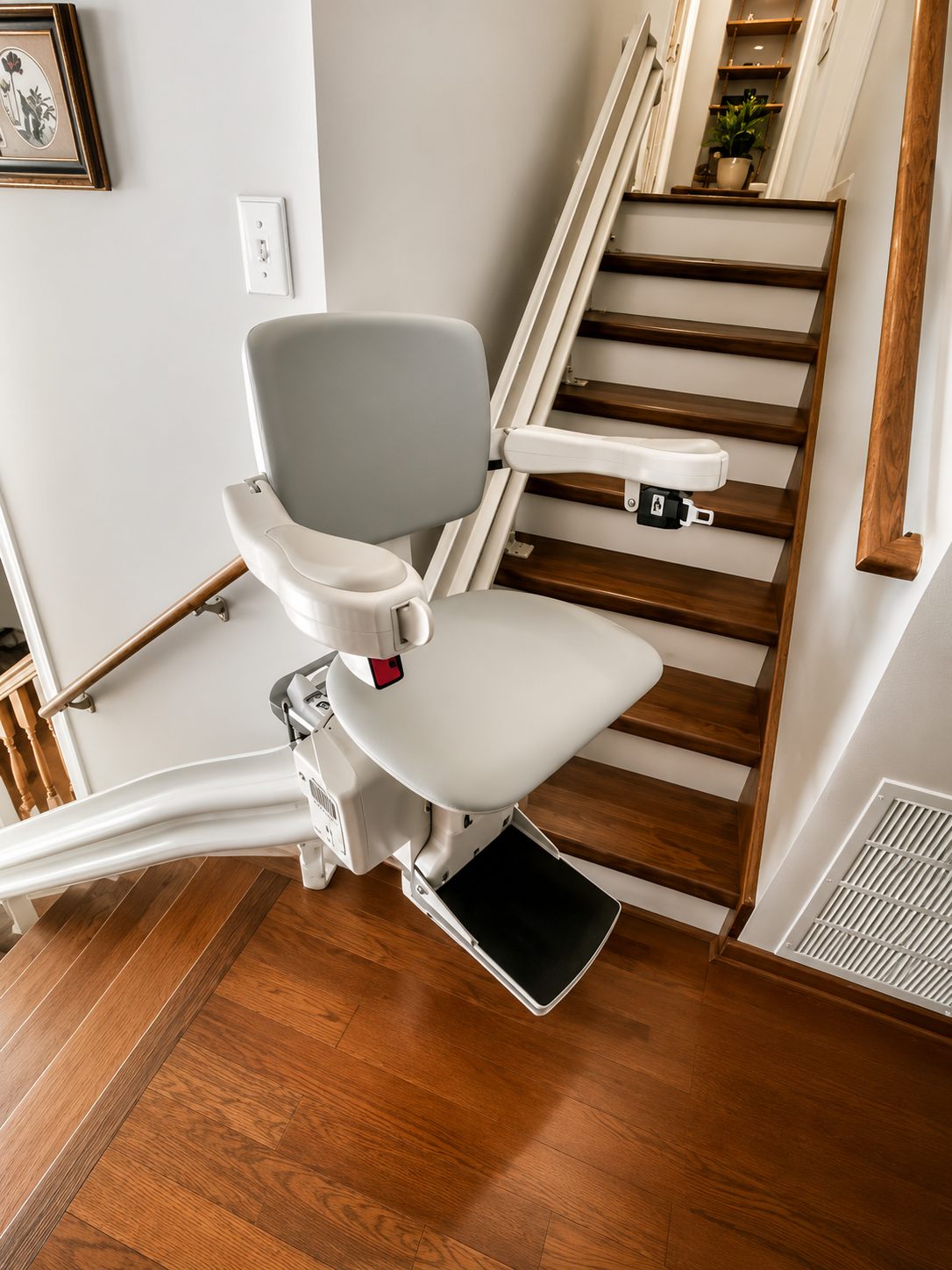 Stairlifts
Straight, curved, and outdoor
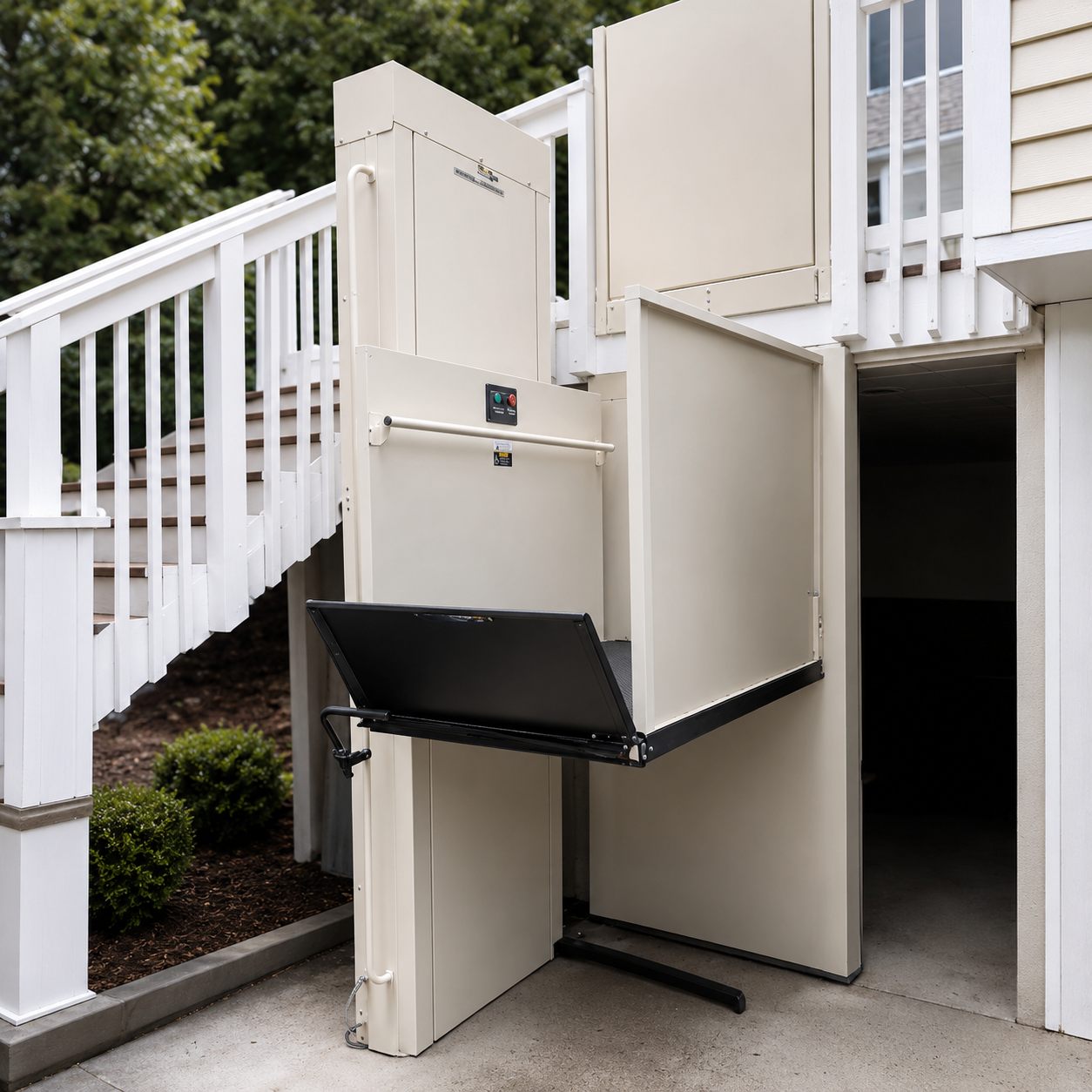 Vertical Platform Lifts
Porches, garages, and entryways
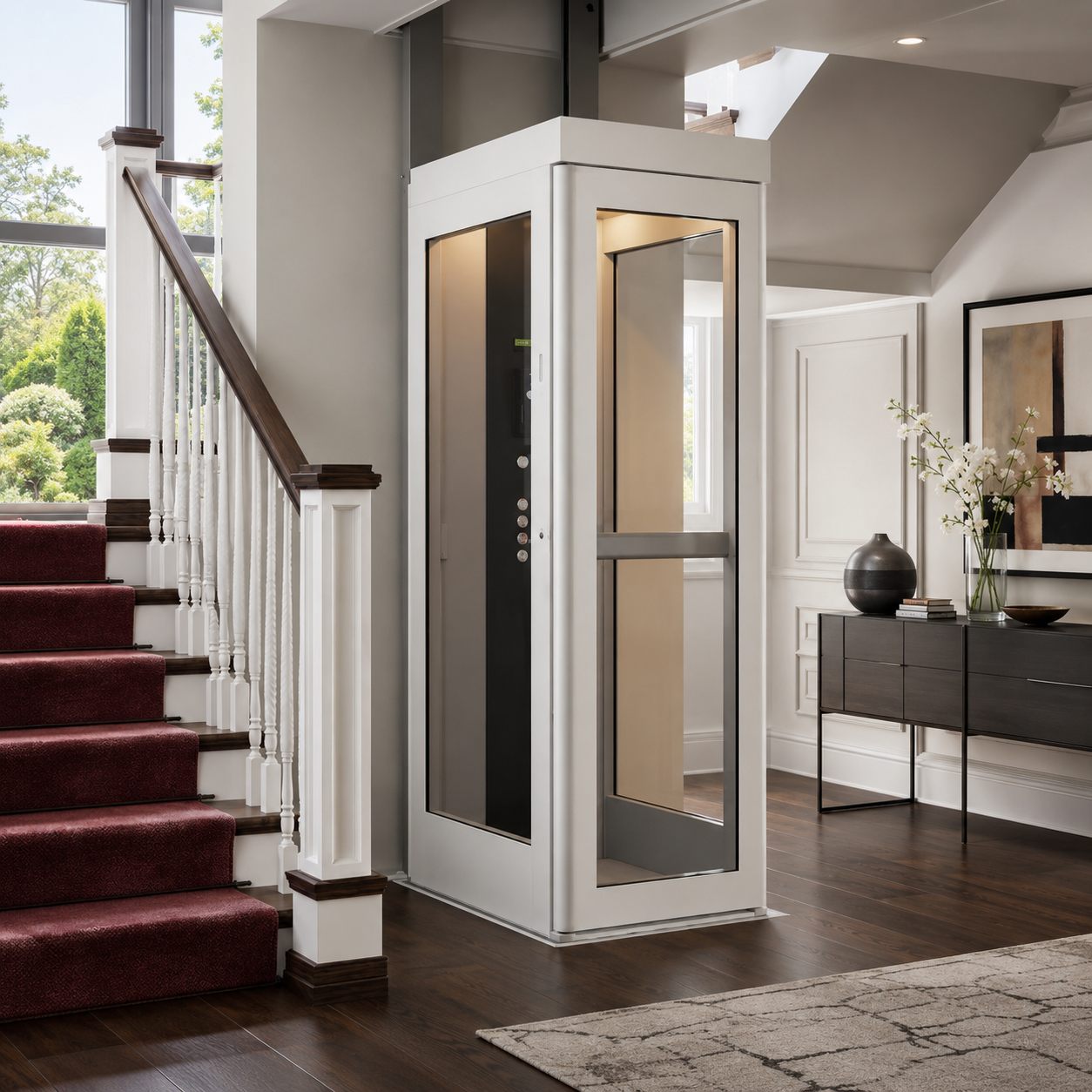 Elevators
Residential cab and through-floor
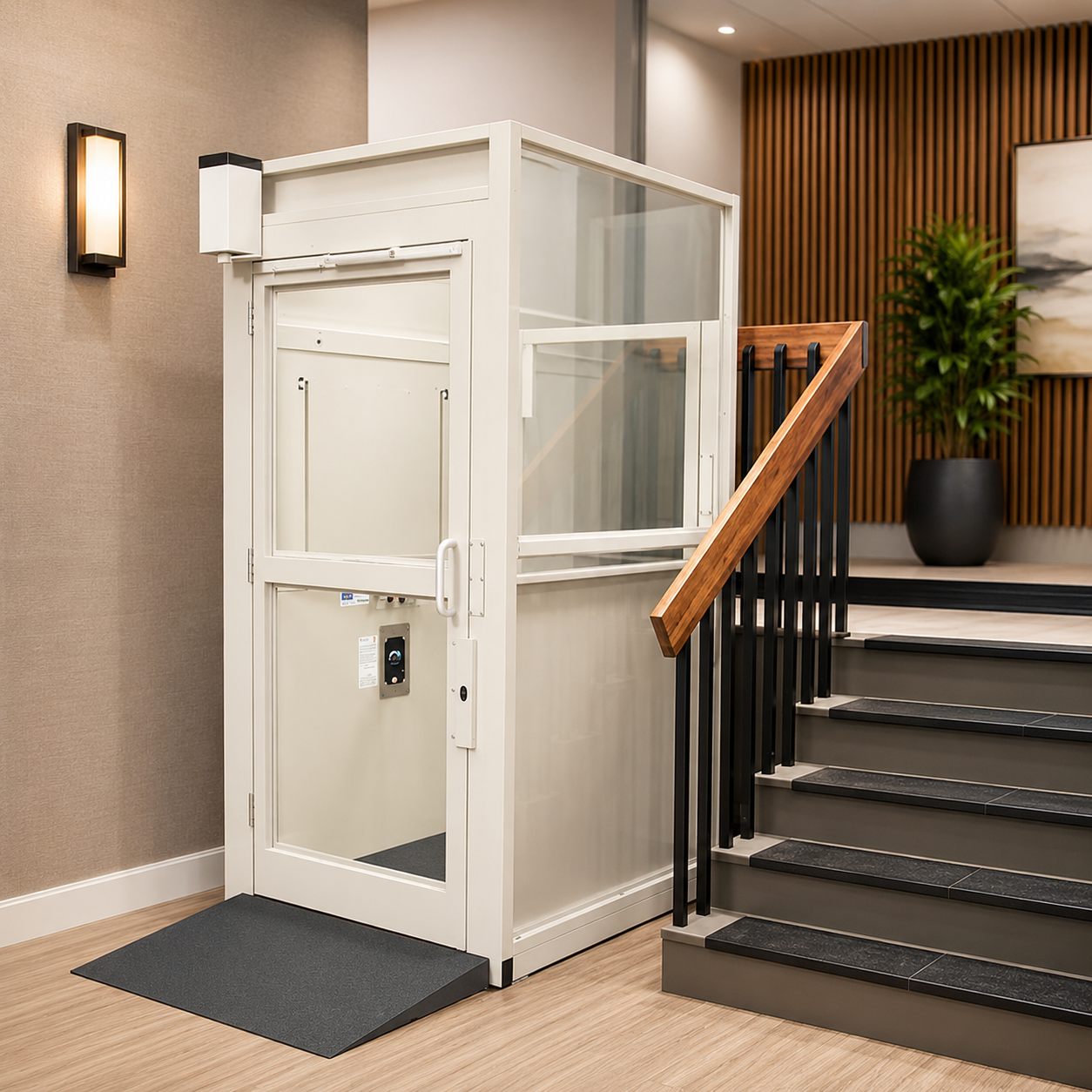 Home & Commercial Access
Ramps, doors, and bathroom access
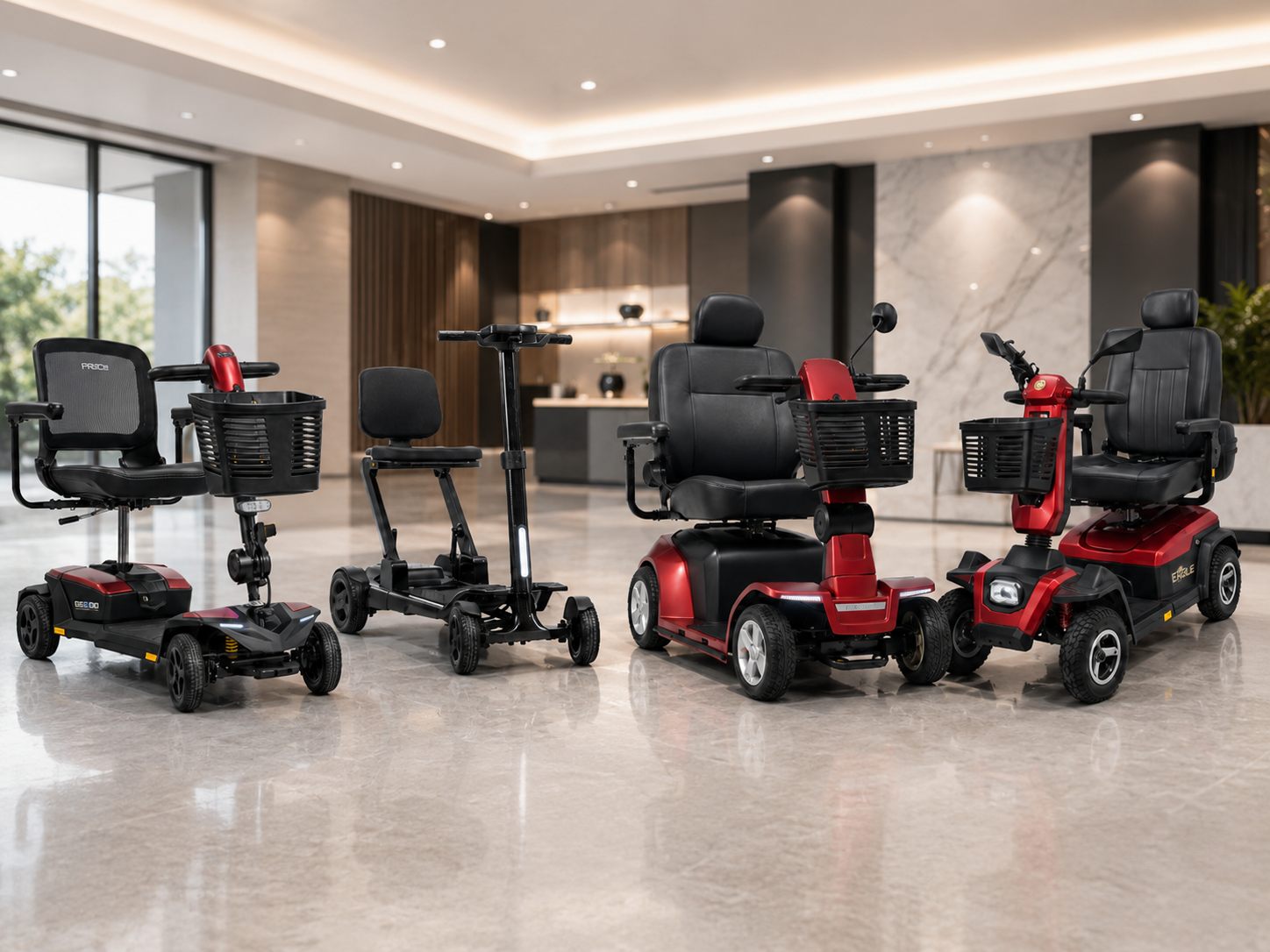 Mobility & Medical Equipment
Power chairs, scooters, and patient lifts
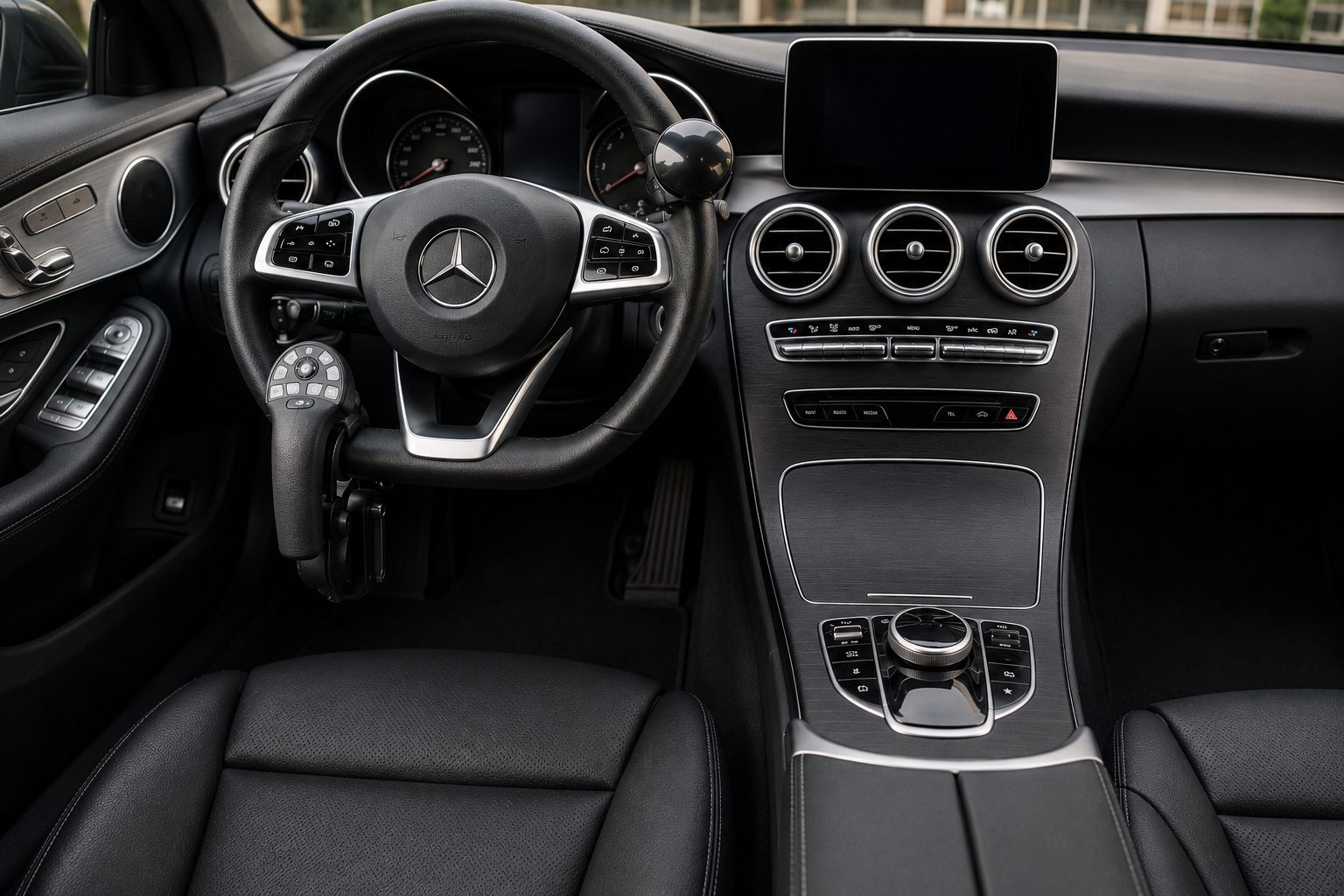 Vehicle & Driving Solutions
Lifts, conversions, and driving aids
The Credentials Behind The Work
Anybody can sell equipment. Installing it legally, configuring it clinically, and servicing it afterward takes credentials that have to be earned and kept current. Here is what our team holds.
State Elevator Mechanic Licenses
Licensed elevator mechanics, state by state. Residential elevators and platform lifts are regulated work in most jurisdictions, and this is the license that makes it legal to do.
ATP, Assistive Technology Professional
RESNA-recognized credential for evaluating a person's needs and specifying the assistive technology that fits. This is who you want configuring a power chair or a seating system.
CRTS, Complex Rehab Technology Supplier
The credential for supplying individually configured complex rehab. It is what separates a supplier who works alongside your clinical team from one who ships a box.
CAPS, Certified Aging-in-Place Specialist
Training in modifying a home so someone can stay in it. It is the difference between installing equipment and understanding the house it goes into.
Mobility Service Excellence
Industry service certification covering installation, maintenance, and repair standards across mobility equipment.
EPA Section 609
Federal certification for handling refrigerant in vehicle air conditioning. It is required to legally service a bus AC system, and it is why fleet work is something we can actually take on.
Questions People Ask Before They Call
How much does a stairlift cost?
A straight stairlift costs less than a curved one, because a curved rail is manufactured to your exact staircase. We quote after someone has seen the stairs rather than over the phone, because a phone quote is a guess and the number always moves.
Is the consultation really free?
Yes. Someone comes out, looks at the space, measures it, and tells you what it would take. There is no charge and no obligation. If the answer is that you do not need us, that is what you will hear.
What is the difference between a stairlift and a platform lift?
A stairlift carries a seated person up a staircase. A vertical platform lift carries a person along with their wheelchair, scooter, or walker straight up a height, usually at an entrance. If someone can transfer to a seat, a stairlift is normally simpler and less expensive.
How long does installation take?
A straight stairlift is two to four hours, in a single visit. A curved rail is manufactured to your staircase, which takes three to five weeks, and then one day to install once it arrives. Anybody promising you a curved lift next week is describing a straight one.
Do you work with the VA?
We have experience with VA-funded home modifications. Tell us your situation and we will tell you what we know about how it usually works.
What if I do not know what I need?
Most people do not, and that is fine. Describe which part of the day has become difficult and we will work backward from there.
Do you service school bus and transit fleets?
Yes. Wheelchair lift preventive maintenance, securement service, and bus air conditioning, on a scheduled contract with documentation produced at the visit rather than reconstructed before an audit. We are authorized on Braun, Ricon, Maxon, and Adapt Solutions lifts and hold six manufacturer relationships across bus HVAC.
Start With A Free Consultation
Someone comes out, looks at the space, and tells you what it would take. No charge, no obligation.