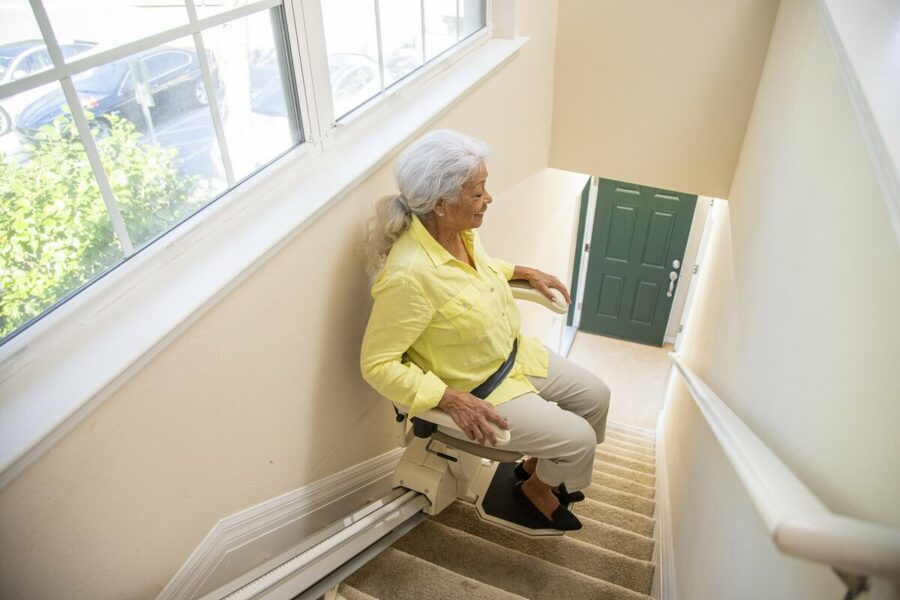
Straight Stairlifts
For a staircase with no turns and no landing. The rail is cut to your steps, so it fits the stairs you have rather than the other way around.

Free Consultation | Estimate
A mobility specialist will contact you shortly. All consultations, estimates, and scopes of work are provided completely free of charge. No pressure or obligation.
Answer a few questions about the staircase and the rider and see the stairlift we would recommend, with its price, installation included.
What each one is for, and who it suits.
For a staircase with no turns and no landing. The rail is cut to your steps, so it fits the stairs you have rather than the other way around.
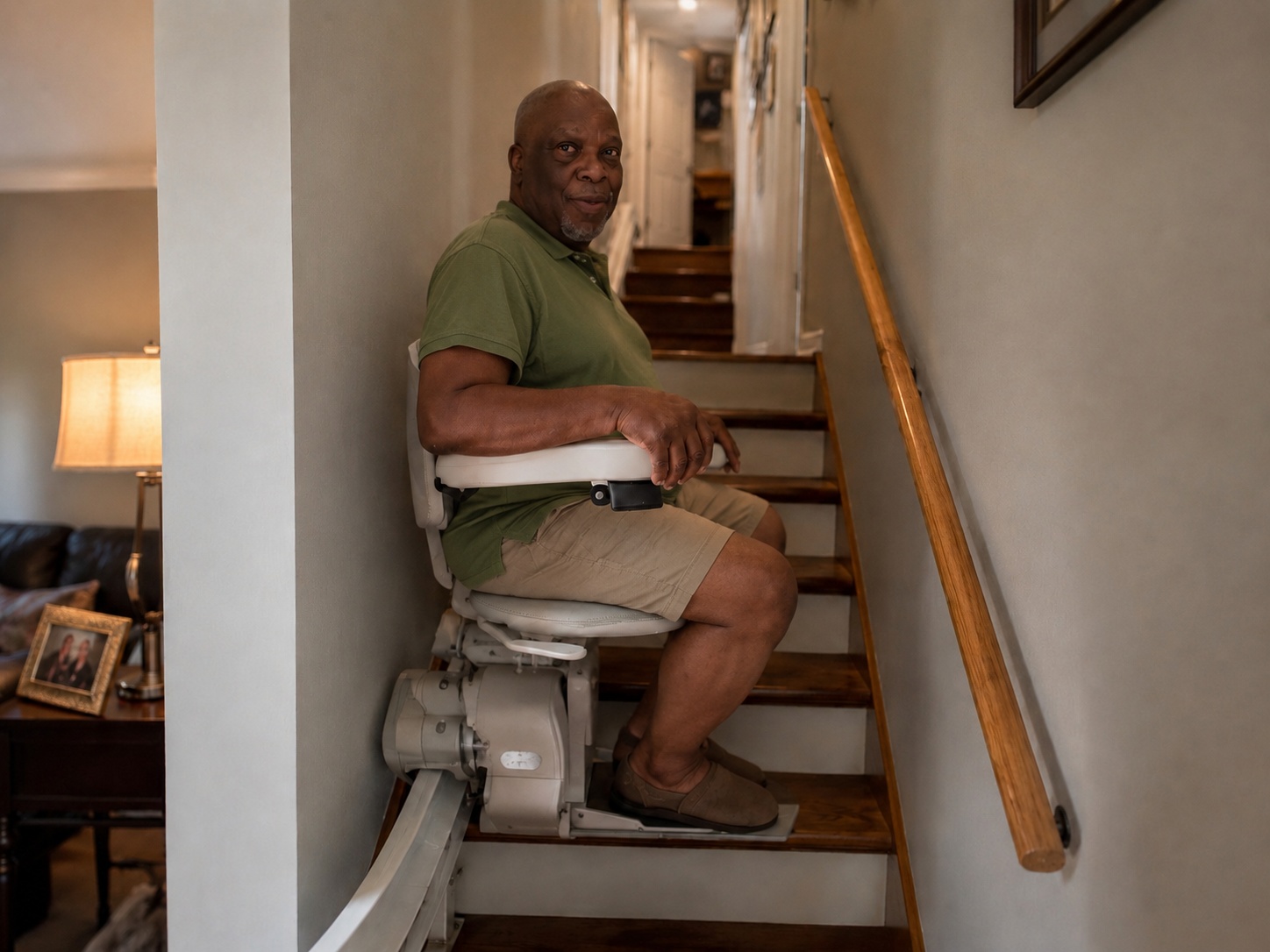
For staircases with a bend, a landing, or an intermediate turn. The rail is custom-manufactured to a measurement taken in your home.
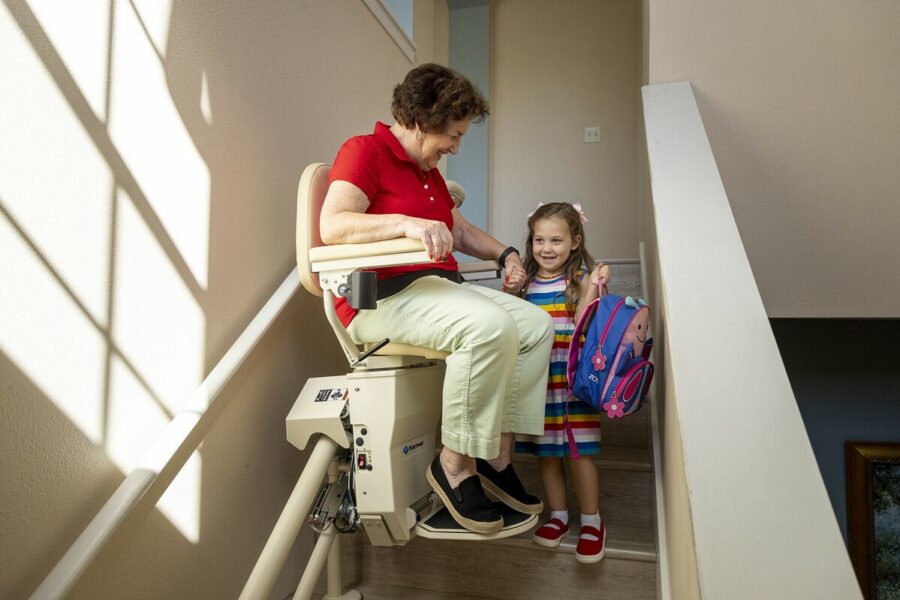
Weather-rated units for porches, decks, and exterior steps, with covers and sealed components built for sitting outside year round.
Point at one to see what it carries and what it is for. Every one of these we sell, install, and service ourselves.
Bruno · Straight stairlift
The straight stairlift most people end up with.
Bruno · Straight stairlift
When the straight lift has to carry more.
Bruno · Curved stairlift
A rail built for your staircase, not a standard one.
Harmar · Straight stairlift
The narrowest way up a tight staircase.
Harmar · Straight stairlift
More capacity, same narrow footprint.
Harmar · Heavy duty straight stairlift
For when capacity is the whole question.
Harmar · Curved stairlift
Built to the shape of your staircase.
Four questions, asked in this order, because the answer to each one narrows the next. This is the conversation we would have at the survey.
A straight flight takes a rail cut from stock, which is why it is cheaper and usually installed in a single visit. Any turn, landing, or curve needs a rail bent to your staircase, which is manufactured to measurement and takes longer.
Straight: stock rail, often same-week Curved: custom rail, manufactured to fitA stairlift folds up against the wall when parked, and the rail sits low. On most staircases everyone else walks up normally. On a narrow flight we measure the clearance that is left before we quote, rather than after.
Standard width: folds clear, no conflict Narrow flight: measured, then advised honestlyStanding, pivoting, or needing the seat to come to them decides the seat height, the swivel, and whether a powered footrest or a perch seat is the right call. This is where a cheap lift and the right lift stop being the same thing.
Independent transfer: standard seat Assisted or limited standing: powered optionsOutdoor rails and seats are built for weather, with sealed controls and a cover. An indoor lift installed on a porch fails, and we will not do it.
Indoor: standard upholstery and controls Outdoor: weather-rated rail, seat, and coverWe do not publish a figure, because the figure depends on your staircase and anybody quoting before they have seen it is guessing. These are the things that actually change it, in rough order of impact.
Straight or curved
The single biggest factor. A curved rail is manufactured to your measurements; a straight one is cut from stock.
Length of the flight
More rail, more money, though the relationship is not as steep as people expect.
Seat and transfer options
Powered swivel, powered footrest, perch seating, and heavier weight capacities all add cost, and some of them are the whole reason the lift works.
Indoor or outdoor
Weather-rated components cost more and are not optional outside.
Site work
A power outlet that has to be run, a handrail that has to come off, a stair nosing that has to be trimmed.
The bars show relative impact, not dollars. For a real number, the survey is free.
Most people are not choosing between two stairlifts. They are choosing between a stairlift and moving, or a stairlift and living downstairs. Here is that comparison as we would put it to a family.
A stairlift
CostThousands
TimeDays to weeks
You keep the bedroom, the bathroom, and the house. Reversible, and removable if the need ends.
Living downstairs
CostLittle up front
TimeImmediate
Usually means a sofa bed and no proper bathroom. It is the option that quietly costs the most in dignity.
Moving house
CostTens of thousands
TimeMonths
Sometimes genuinely the right answer. Rarely the cheap one, and it costs the neighbours and the routine as well.
A residential elevator
CostSeveral times a stairlift
TimeWeeks to months
The better answer when a wheelchair has to travel with the person, or when the stairs cannot take a rail.
Six parts, and the ones that matter most are not the ones people ask about.
Fixed to the treads, not the wall. Straight rail is cut from stock; curved is bent to your staircase.
Height, depth, and armrests fitted to the rider. Folds flat against the rail when parked.
Turns the seat at the top so nobody steps off onto a stair. Manual or powered.
Folds up out of the way. Powered versions save bending, which is the point for many riders.
Charge at the parking points and keep the lift running through a power cut.
On the armrest, plus a remote at the top and bottom so the lift can be called.
These are the three things we hear most. None of them is unreasonable.
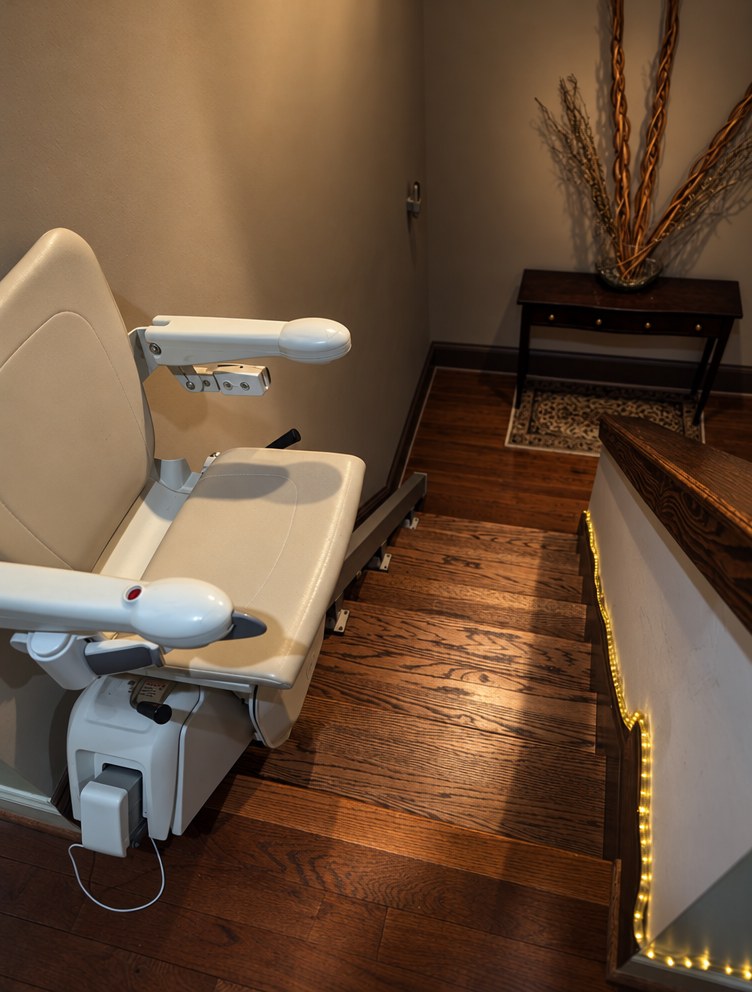
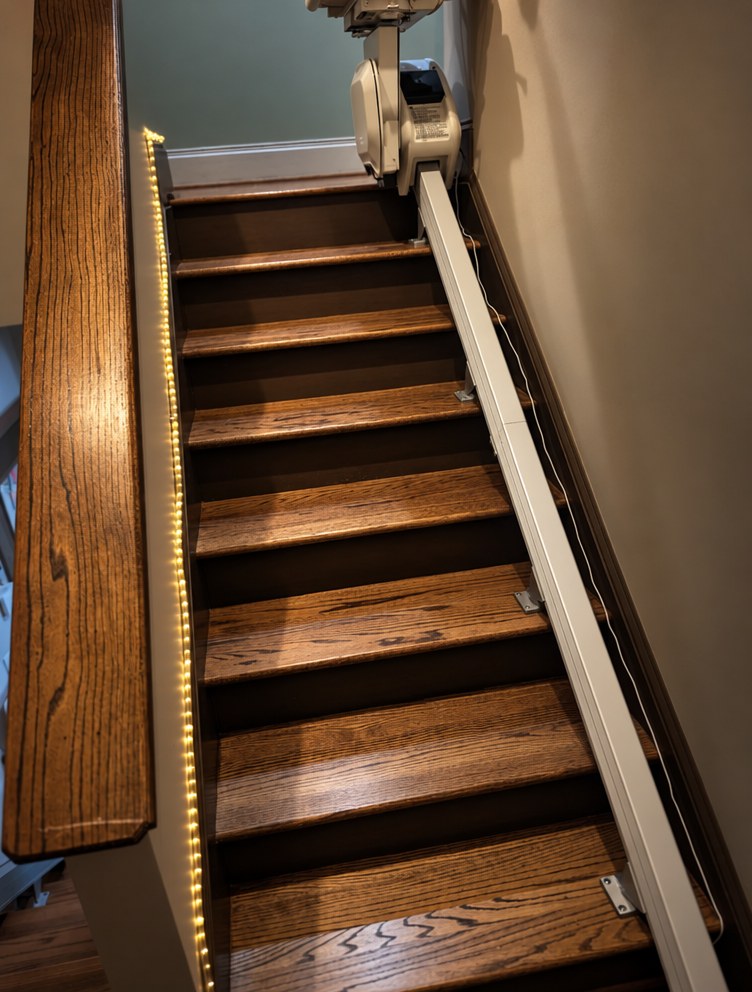
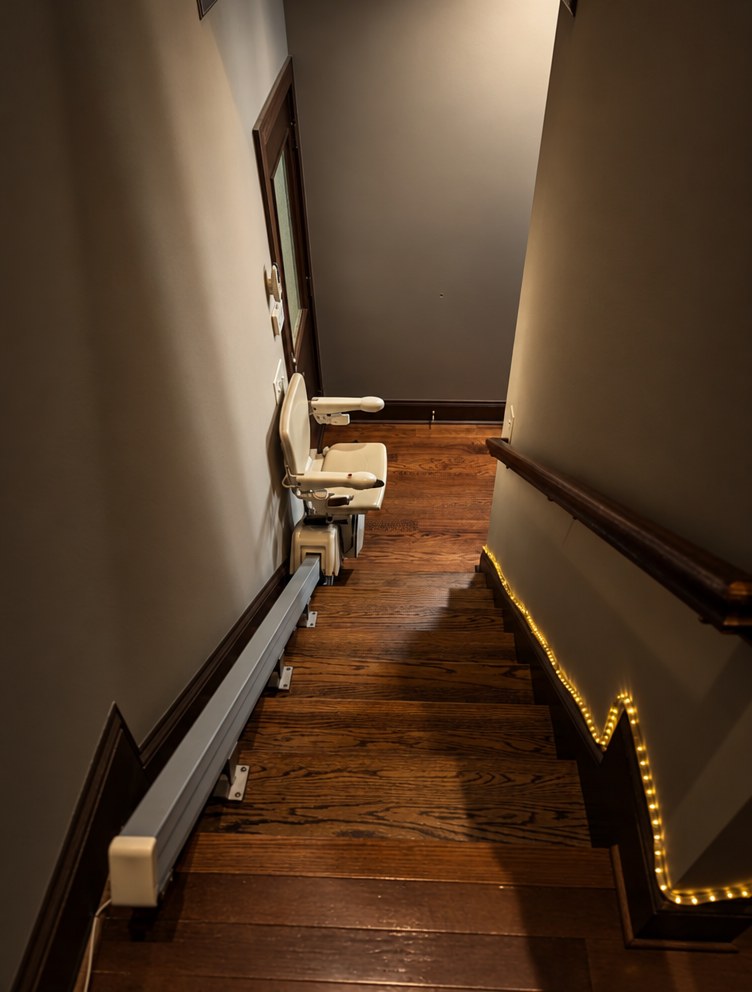
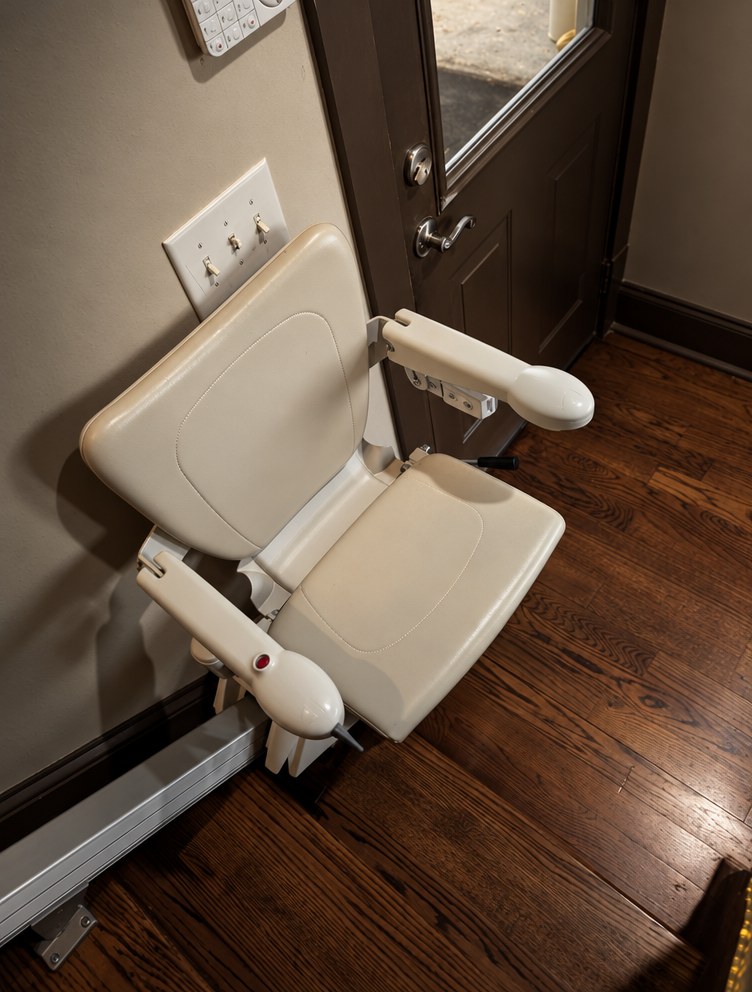
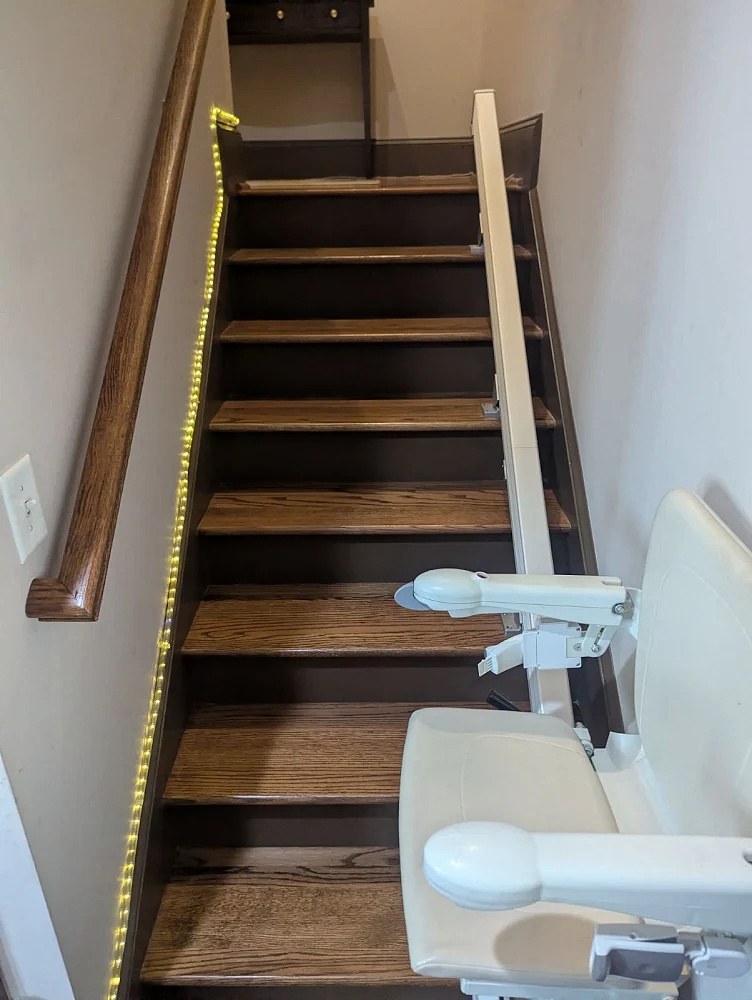
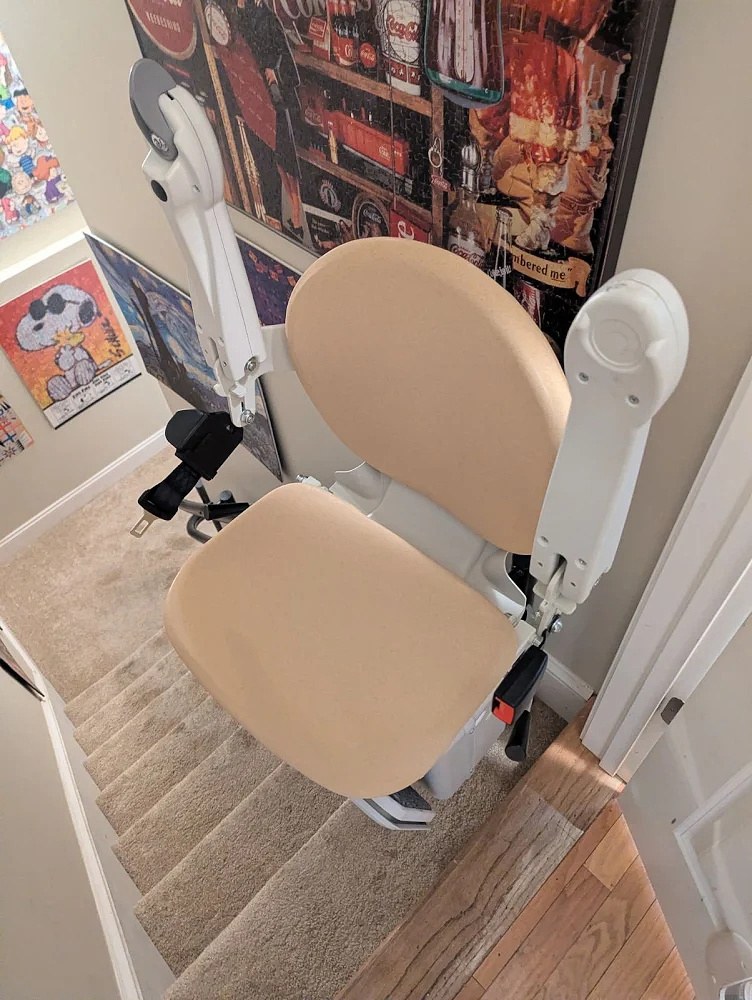
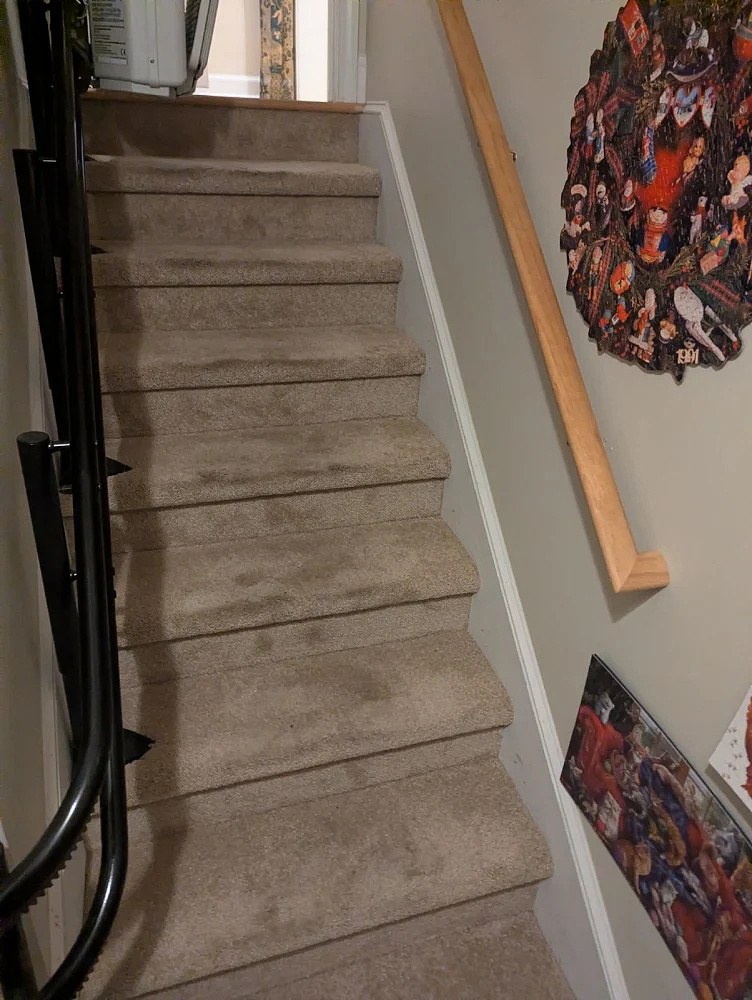
Photographed on the day, in real homes and buildings.
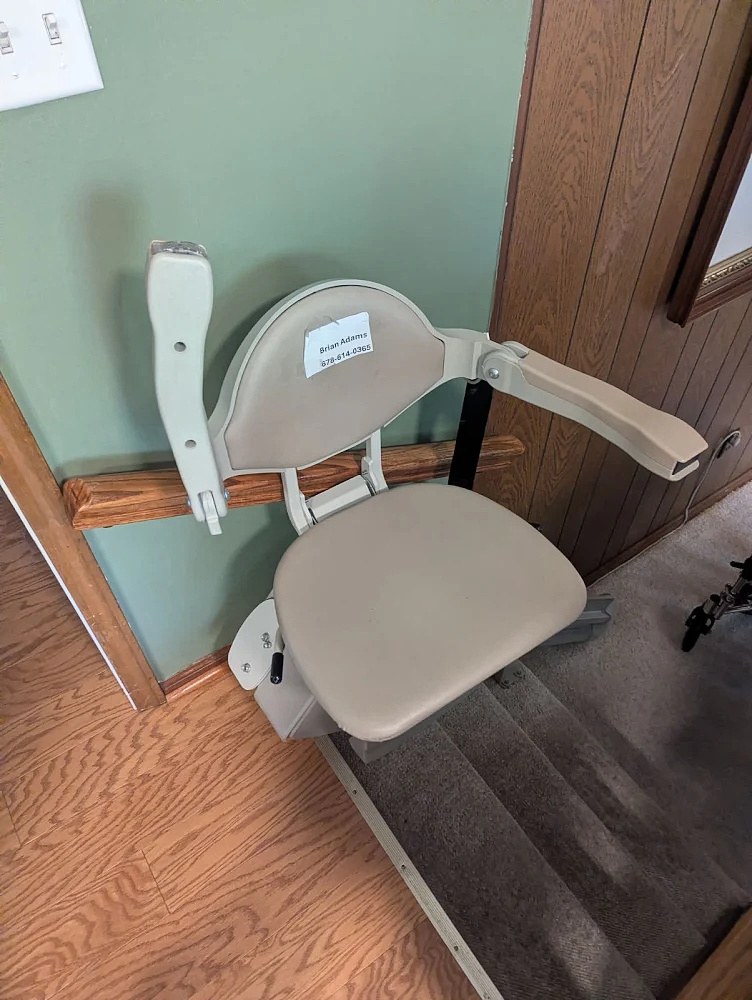
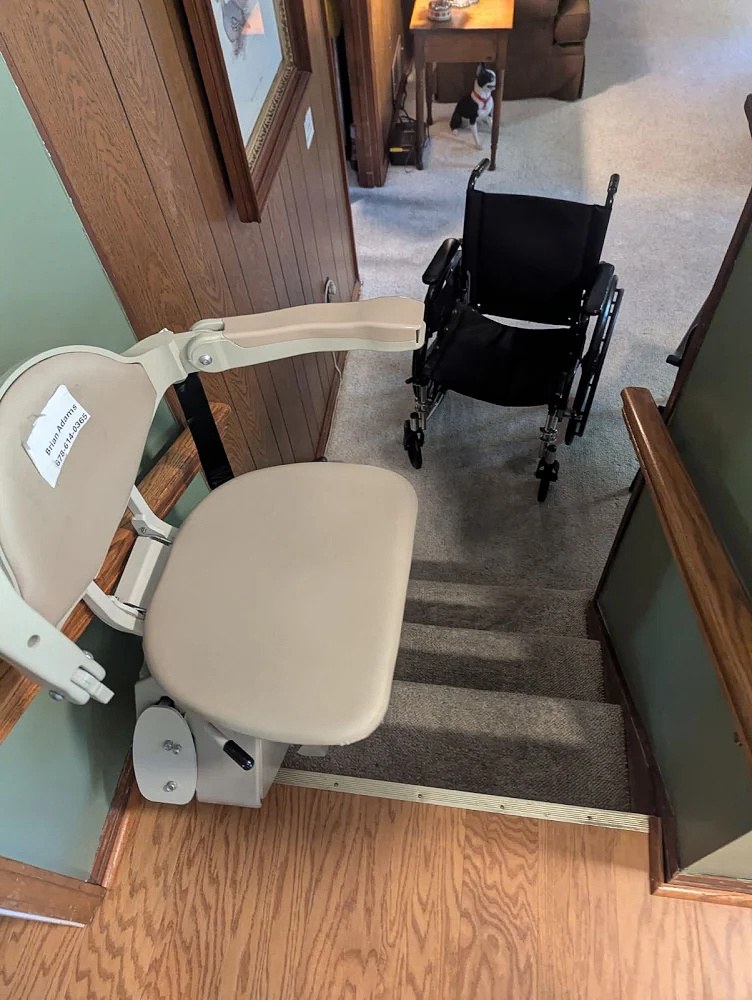
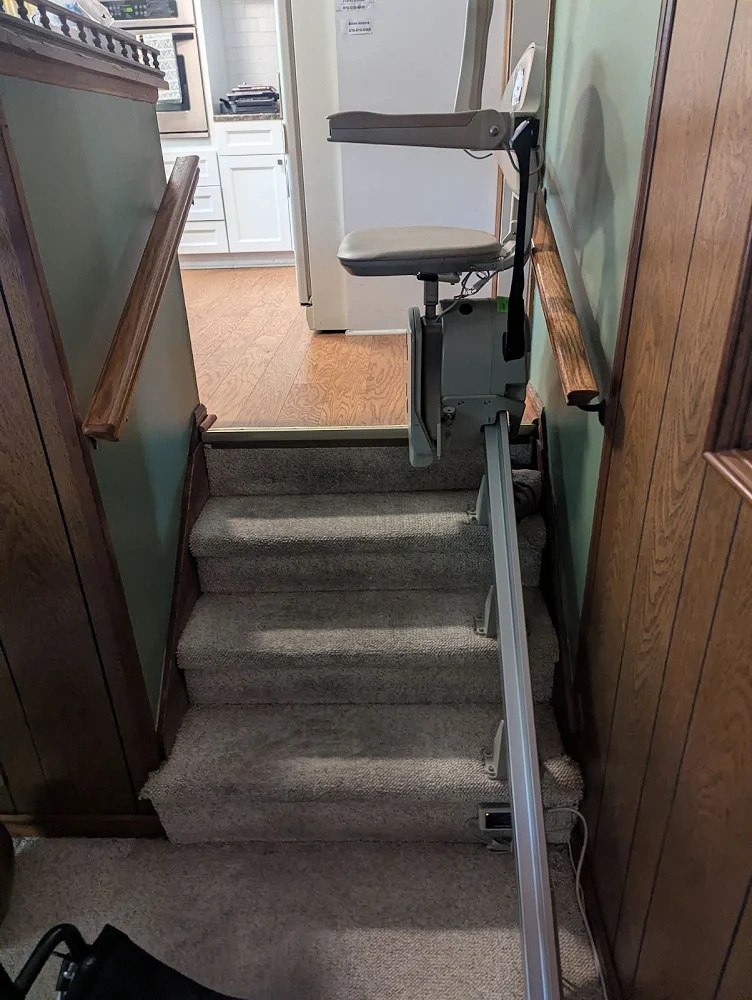
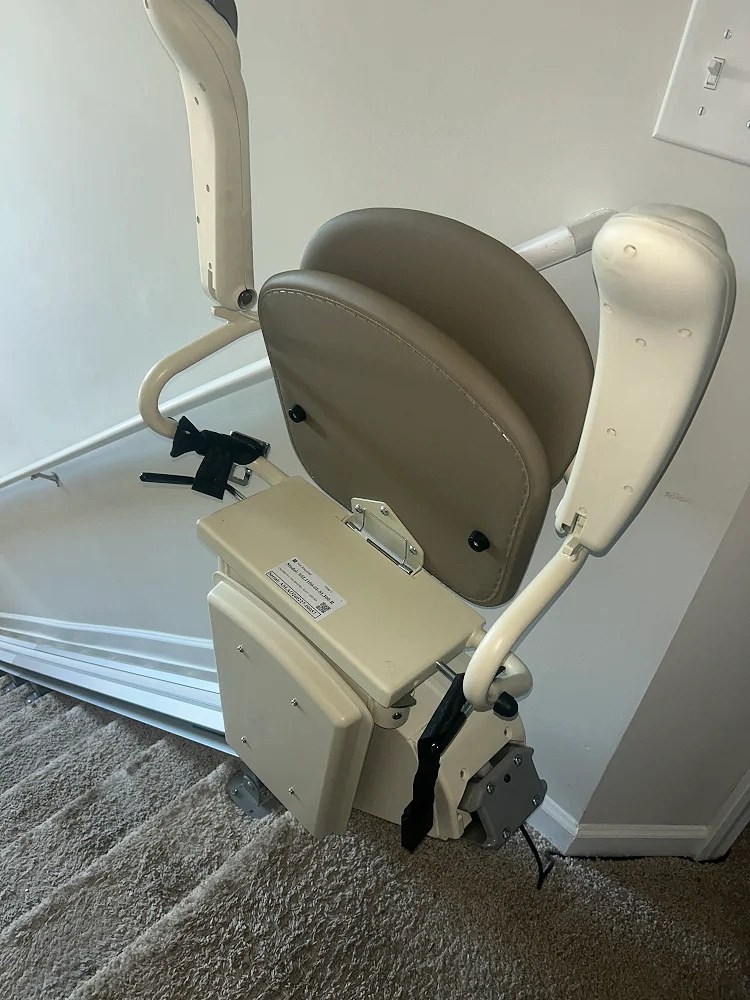
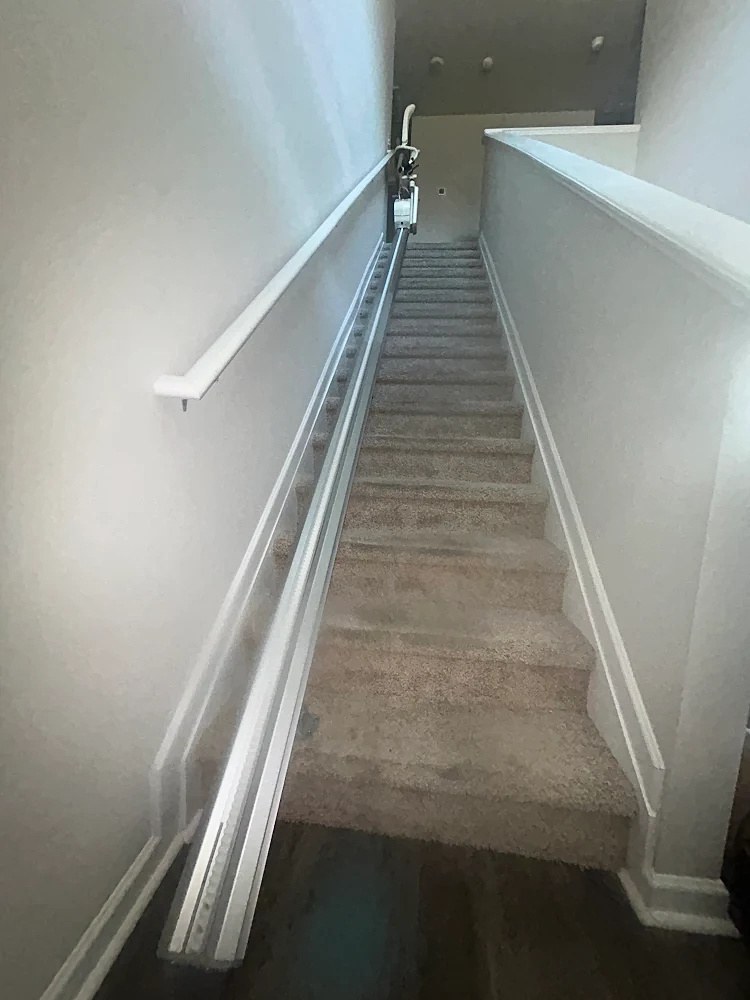
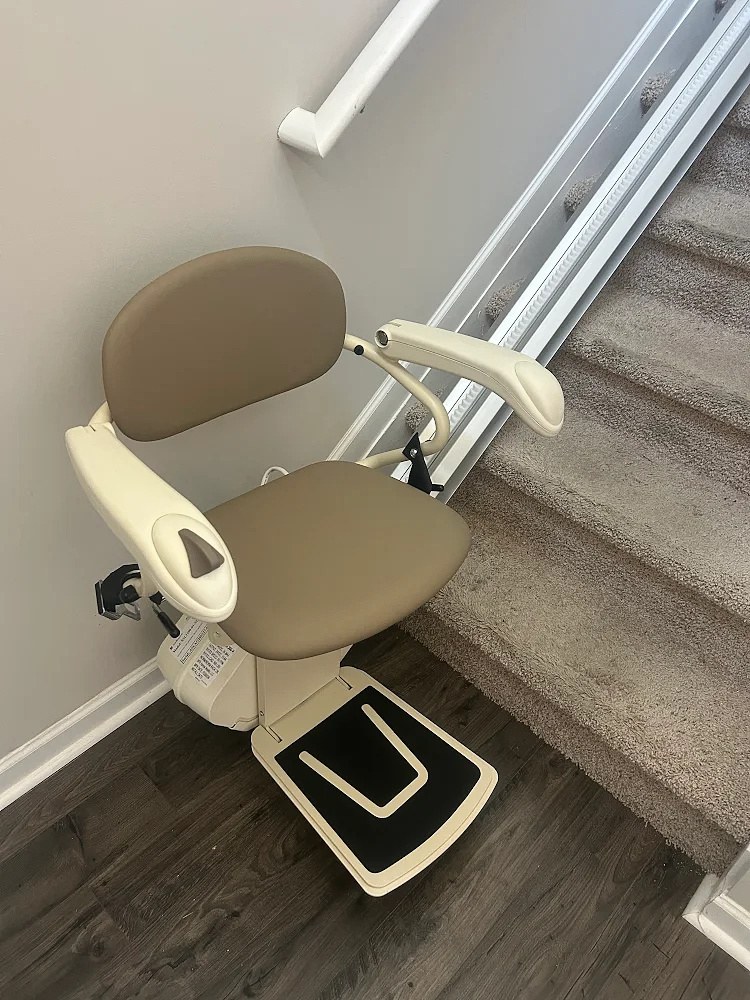
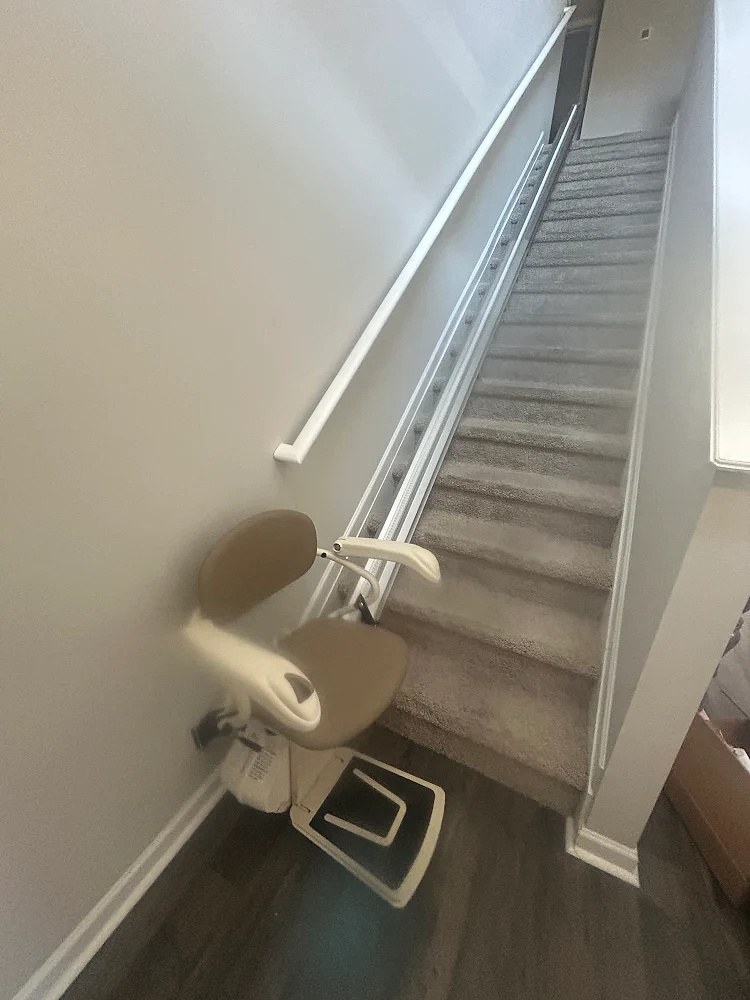
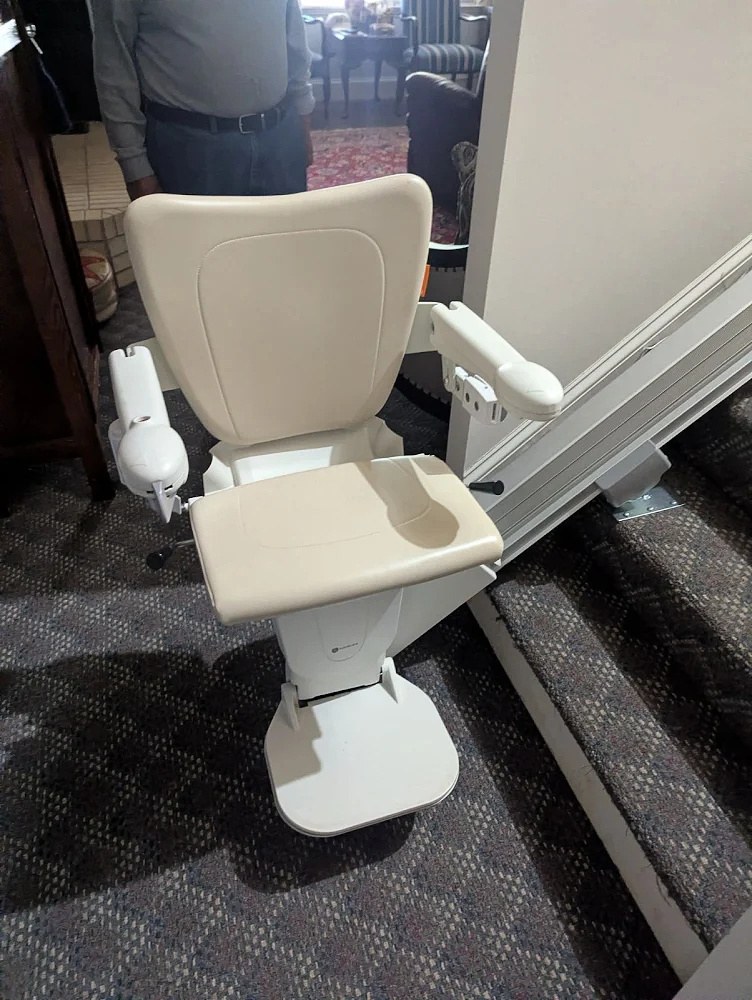
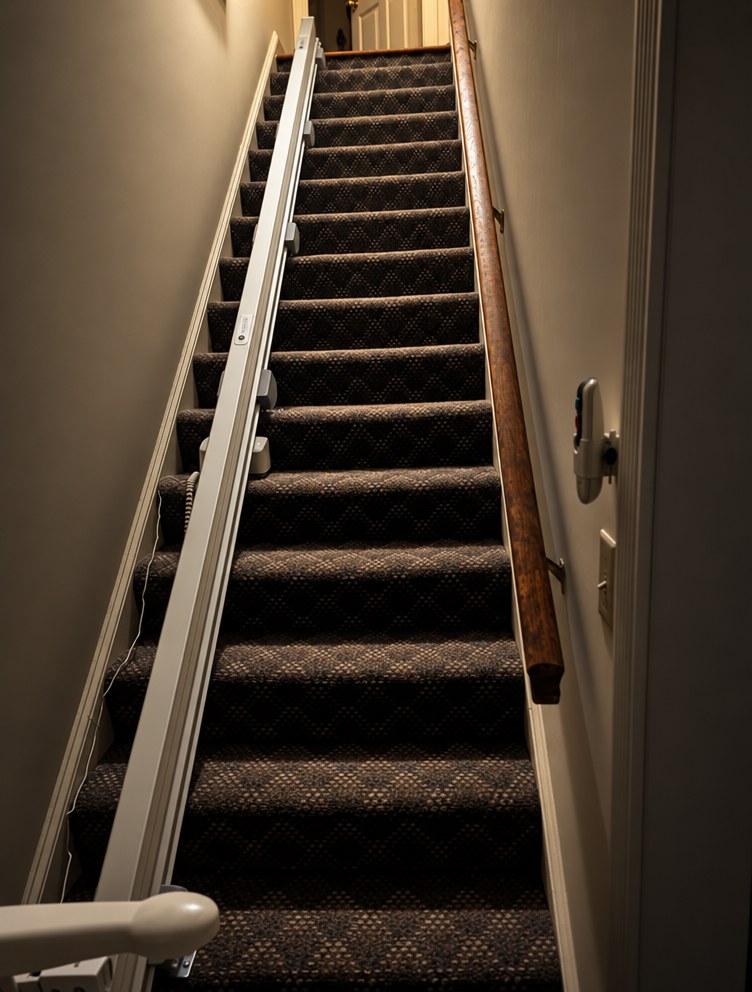
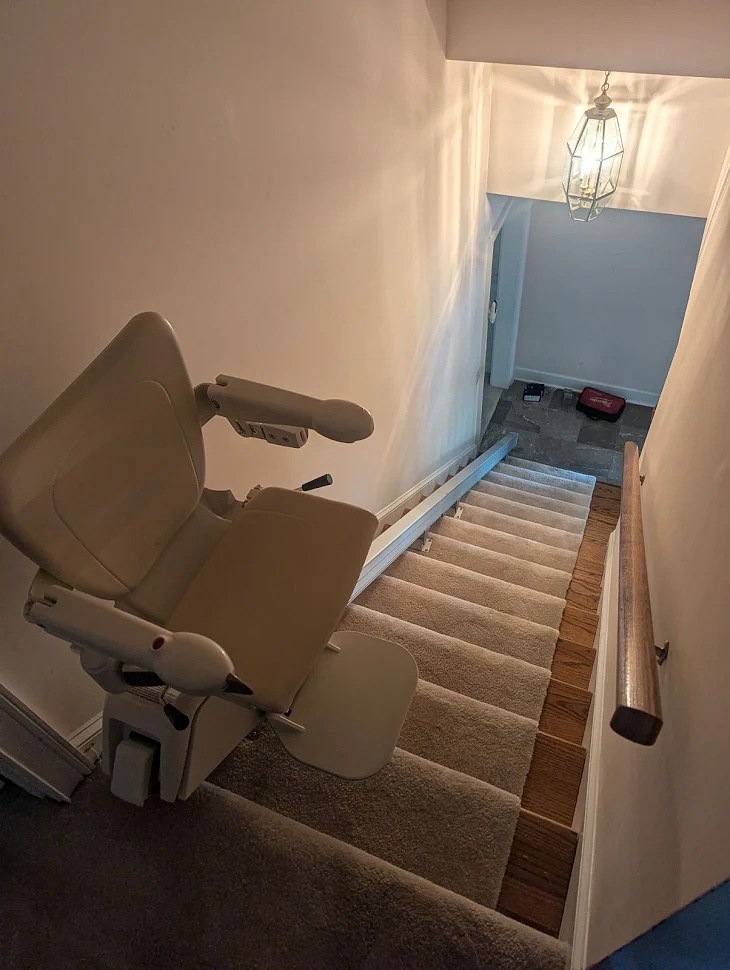
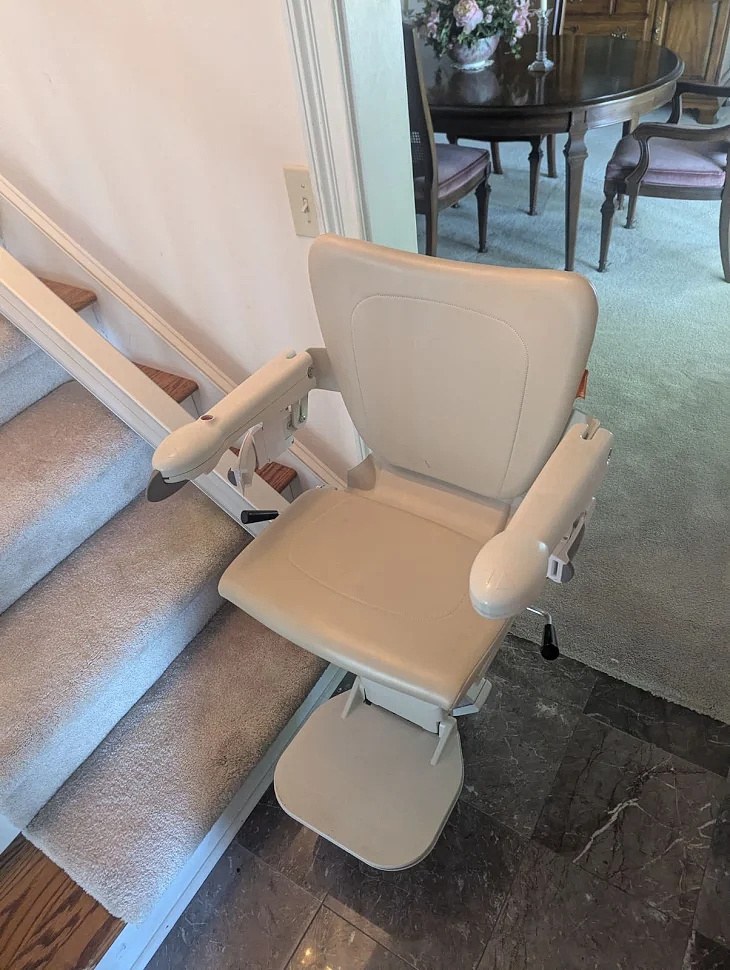
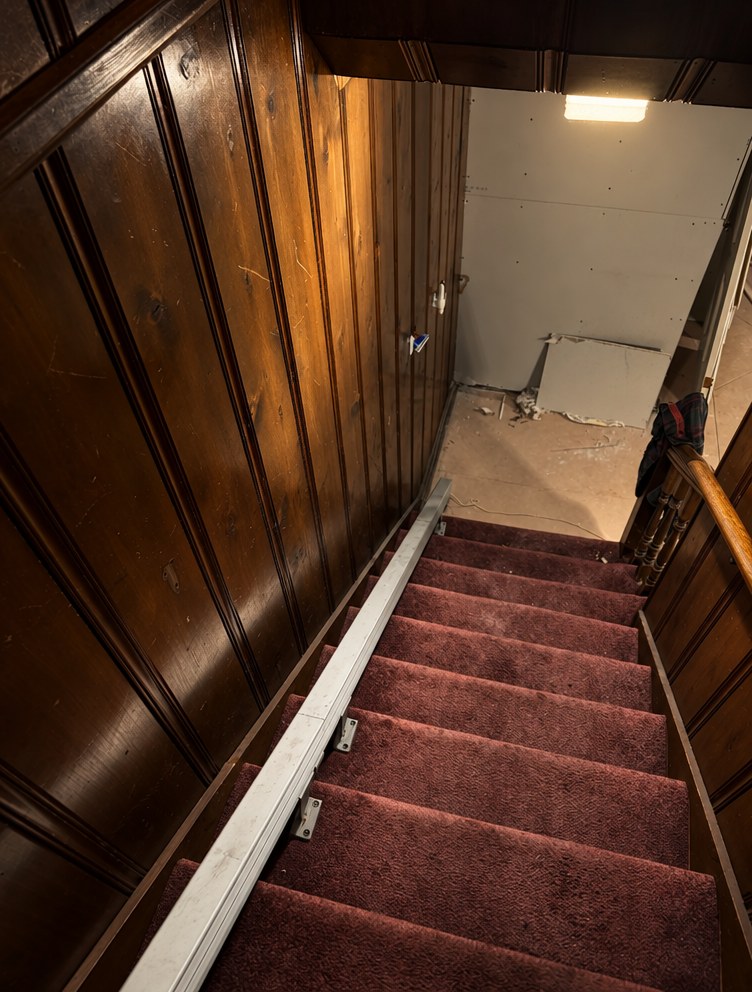
Carrying several lines means the equipment gets matched to the situation rather than the situation getting matched to the equipment.
A conversation about the person, the building or the fleet, and the budget. Free, and with no obligation to buy anything.
A technician surveys the site in person and gives you a written scope, so the price you agree to is the price of the job.
Factory-certified technicians install and commission the equipment, and stay until everyone who has to operate it can.
Maintenance and repair for as long as you own the equipment, from the people who put it in. Scheduled preventive maintenance where a contract calls for it.
Anybody can sell equipment. Installing it legally, configuring it clinically, and servicing it afterward takes credentials that have to be earned and kept current. Here is what our team holds.
Licensed elevator mechanics, state by state. Residential elevators and platform lifts are regulated work in most jurisdictions, and this is the license that makes it legal to do.
RESNA-recognized credential for evaluating a person's needs and specifying the assistive technology that fits. This is who you want configuring a power chair or a seating system.
The credential for supplying individually configured complex rehab. It is what separates a supplier who works alongside your clinical team from one who ships a box.
Training in modifying a home so someone can stay in it. It is the difference between installing equipment and understanding the house it goes into.
Industry service certification covering installation, maintenance, and repair standards across mobility equipment.
Federal certification for handling refrigerant in vehicle air conditioning. It is required to legally service a bus AC system, and it is why fleet work is something we can actually take on.
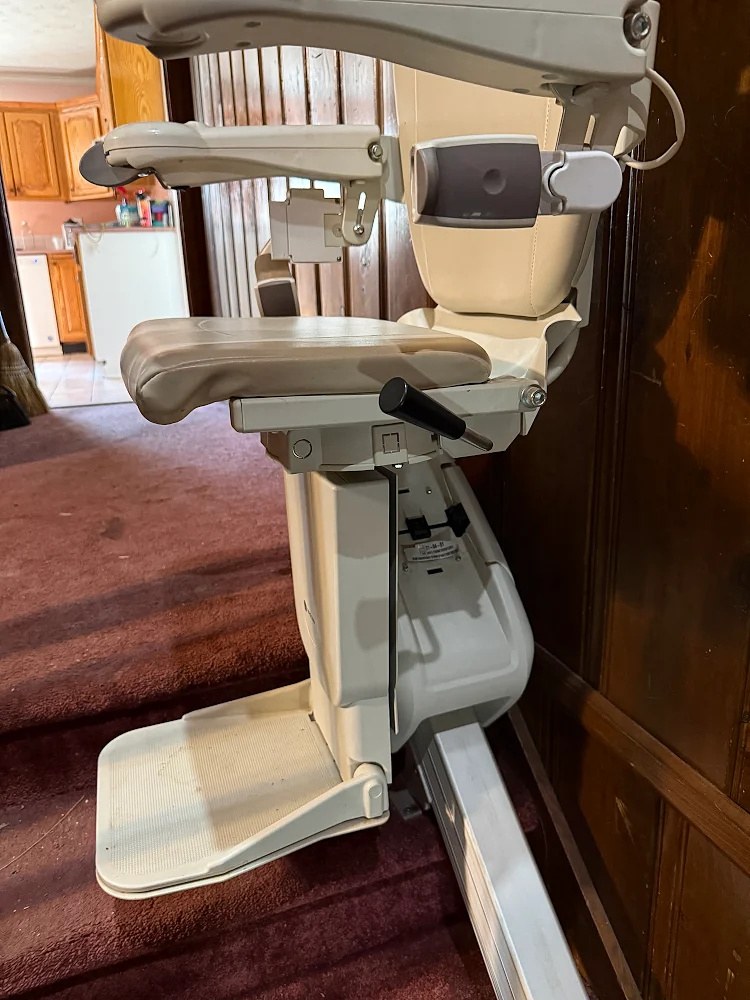
Real work in real homes and buildings, photographed on the day.
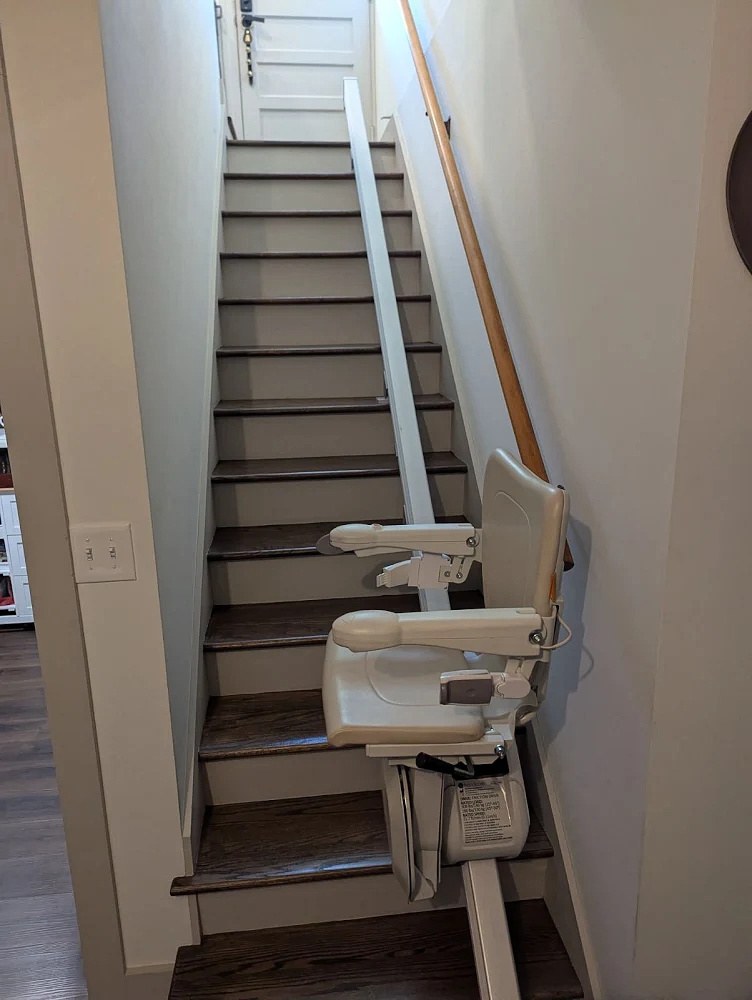
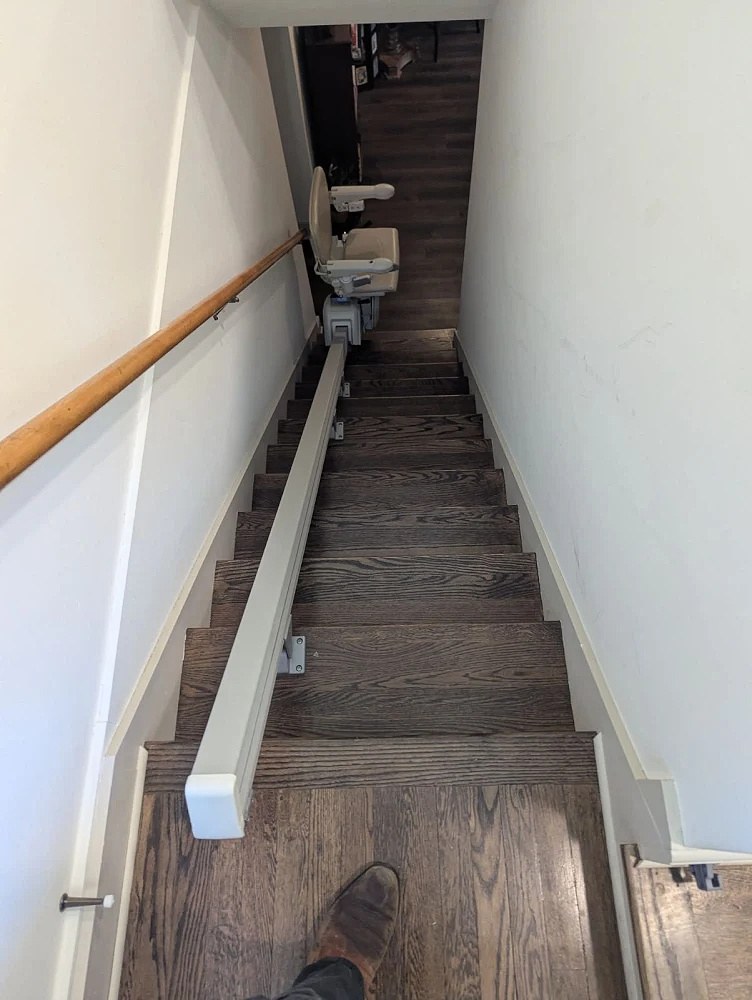
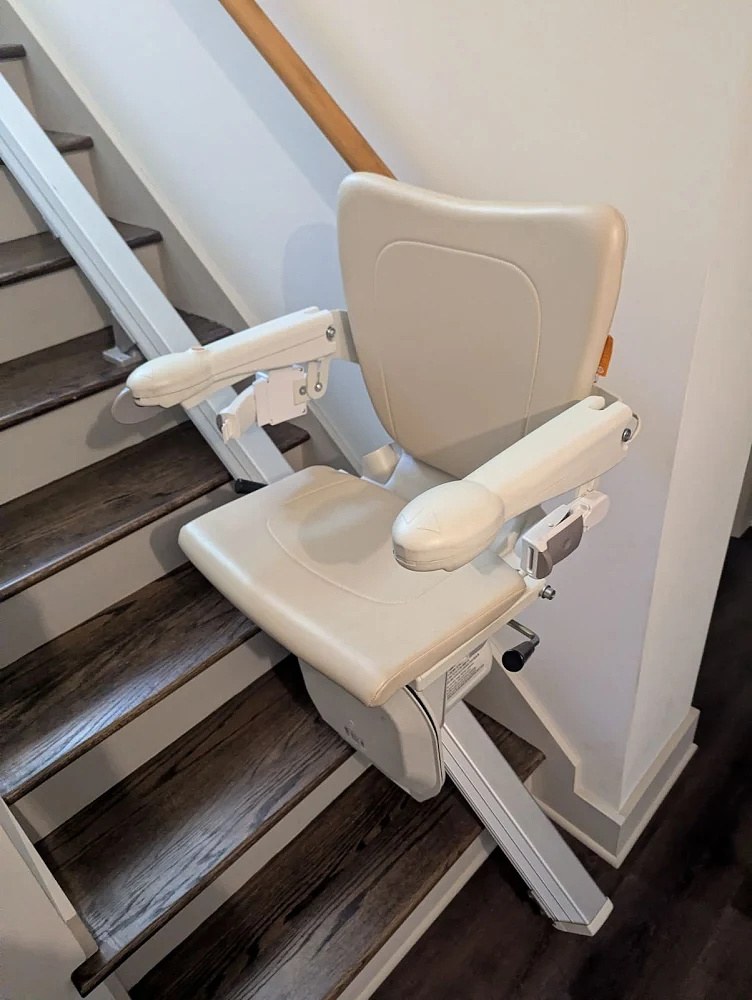
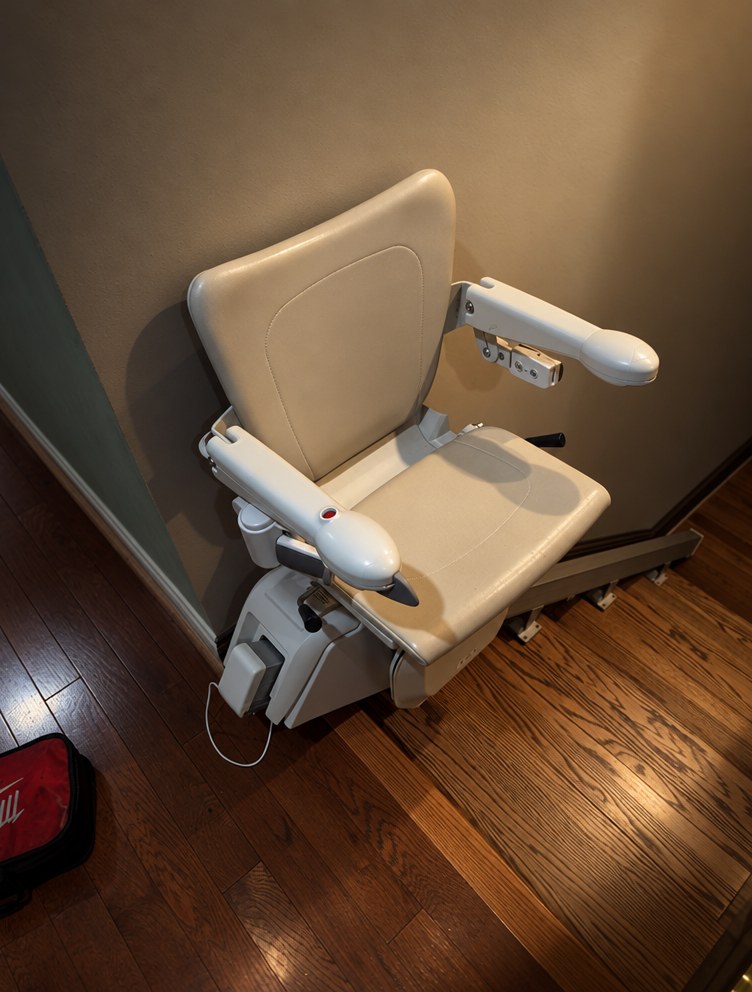
What Our Customers Say
Pulled directly from our verified Google reviews. We respond to every single one.
Customer reviews on Google
Mason is a wonderful service technician! We live in “rural country” of NE Georgia and he drove all this way to get my Dad’s chair lift up and running. Thank you, Mason AND Custom Mobility!
As a fellow business owner, I have seen this company do all of their work with as much professionalism and tact as any that I have ever encountered. I thoroughly enjoy actually witnessing people who care about their work and show it through their actions, and the owner at Customer Mobility is the ep…
My Service Technician is truly the best! He responded within a day and he fixed the chairlift in less than an hour! It’s reassuring to know that we can depend upon Custom Mobility!
A straight stairlift is two to four hours, in a single visit. A curved rail is manufactured to your staircase, which takes three to five weeks, and then one day to install once it arrives. Anybody promising you a curved lift next week is describing a straight one.
The rail fastens to the treads rather than the wall. Fasteners leave small holes that fill easily if the lift is ever removed, and the staircase is still fully usable on foot with the lift parked.
Yes. The seat, footrest, and arms fold up when the lift is parked, and we park it at the end of the run that suits the household.
The units we install run on batteries that charge at the parking points, so the lift keeps working through an outage.
It is a padded seat, a seatbelt, and a switch you hold. Our technician stays until everyone in the house has used it and is comfortable, including anyone who will be helping.
Perch seats and powered swivel seats exist for exactly that. Tell us during the survey and we will spec accordingly.
A straight flight takes a rail cut from stock, installed in two to four hours in one visit. Any turn or landing needs a rail manufactured to your staircase: three to five weeks to build, then one day to fit.
A free survey, a written scope, and a number that does not move afterward.