Your clinical team writes it up
A therapist, physician, or case manager at your VA medical center documents what you need. This is where eligibility is decided, and it is decided by the VA rather than by us.
Determined by the VA, not by a vendor
Free Consultation | Estimate
A mobility specialist will contact you shortly. All consultations, estimates, and scopes of work are provided completely free of charge. No pressure or obligation.
Every VA job we have done has arrived the same way. Most of it happens before we are involved at all.
A therapist, physician, or case manager at your VA medical center documents what you need. This is where eligibility is decided, and it is decided by the VA rather than by us.
Determined by the VA, not by a vendorThe requirement goes out and vendors bid on it. We are set up as a federal contractor, which is what lets us be awarded the work directly rather than through somebody else.
Open competitive bidA technician measures on site and installs what the VA authorized. If we find something the scope does not cover, we say so and it goes back to the VA rather than getting added quietly.
Built to the authorized scopeThe equipment is serviced by the same company that installed it. You are not handed to a subcontractor once the paperwork closes.
Serviced by the installersWe cannot tell you what the VA will pay for. Nobody outside the VA can, and any vendor who says otherwise is guessing with your time. Eligibility, benefit, and authorization are decided by your medical center.
What we can tell you is what we have been contracted to supply in the past, how the process has run, and roughly how long it took. That is useful information and it is honest information, and we will not dress it up as a promise.
If you are at the beginning of this, the person to speak to is your therapist, physician, or case manager at the VA. They start the paperwork. We come in after.
You do not need to know the product name. Your VA team writes up the need; this is simply what tends to be authorized for each part of a house.
Steps up to the door, a threshold that catches a wheel, a door too heavy to hold open.
The bedroom and the proper bathroom are upstairs, and the stairs have become the hard part of every day.
Getting in and out of the bath or shower, and standing up again. Most falls at home happen in this room.
Getting out of a chair without help, and getting from room to room without holding the furniture.
The chair will not go in the trunk, or getting into the seat has become the hard part of every trip.
If you have already been approved
If your equipment has been approved but the work has not gone out to bid yet, you are allowed to tell your VA team who you would prefer to do it. A veteran naming a preferred provider is a normal part of the process, and it is the one point where what you want carries real weight.
So if you have talked to us, or somebody you trust has, say so to your prosthetics representative or your case manager before the requirement goes out. It costs you nothing and it takes one sentence.
The sentence
"I would like to request My Mobility Center as my preferred provider for this equipment."
The VA still runs its process and still makes the award. Naming a provider is a preference rather than a decision, and we would not tell you otherwise. But it is a preference that gets recorded, and it is free to express.
This is the part that causes the most disappointment, so it is worth being plain about before we arrive rather than on the day.
None of this is us being difficult. The scope is what the VA authorized and paid for, and we are not permitted to quietly expand it. If you want additional work done privately alongside it, ask and we will quote that separately.
For VA staff
We bid on accessibility and mobility requirements nationwide as a registered federal contractor. Every technician we have is mobile, so a medical center in any state is scheduled the same way.
Set up to be awarded work directly rather than through an intermediary, with W-9, certificates, licensing, and justification letters on request.
Not borrowed from a subcontractor. On elevator and platform lift work the license is a legal requirement rather than a credential.
Vetted, drug and alcohol tested, never subcontracted. The people who survey the job are the people who install it.
Assistive Technology Professionals and Complex Rehab Technology Suppliers, so seating and mobility is specified clinically rather than from a catalog.
General liability, commercial auto, garage keepers, workers compensation, and umbrella. Higher limits available where required.
Produced on site rather than reconstructed afterward, and service continues with the same company once the contract closes.
Equipment we have installed on VA contracts. What is authorized in any individual case is decided by the VA, not by this list.
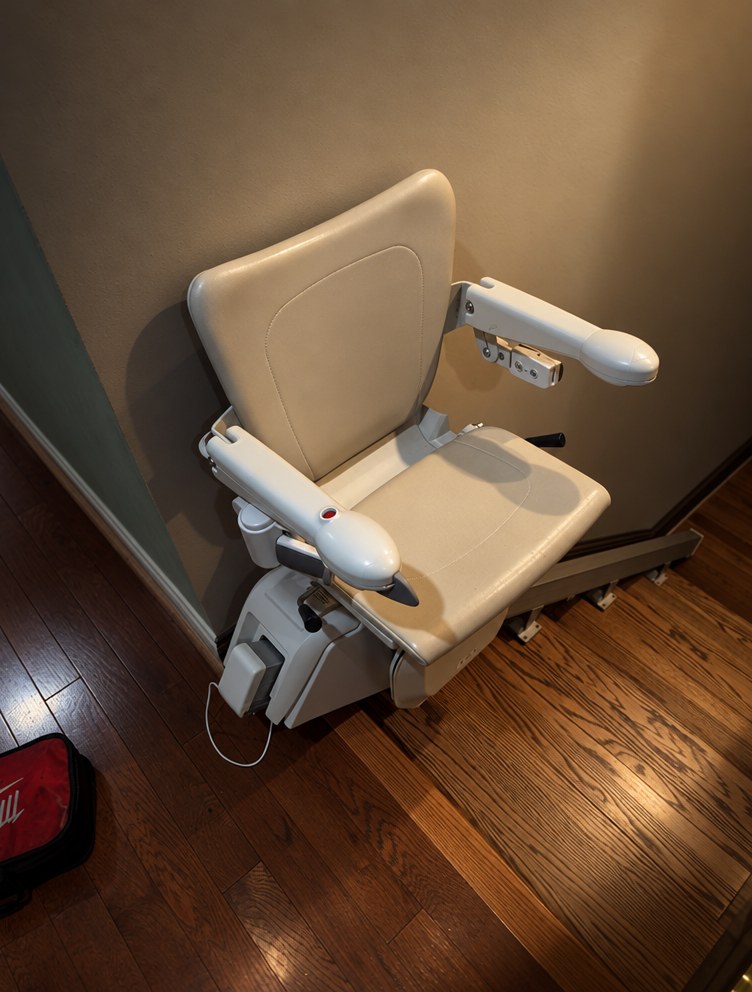
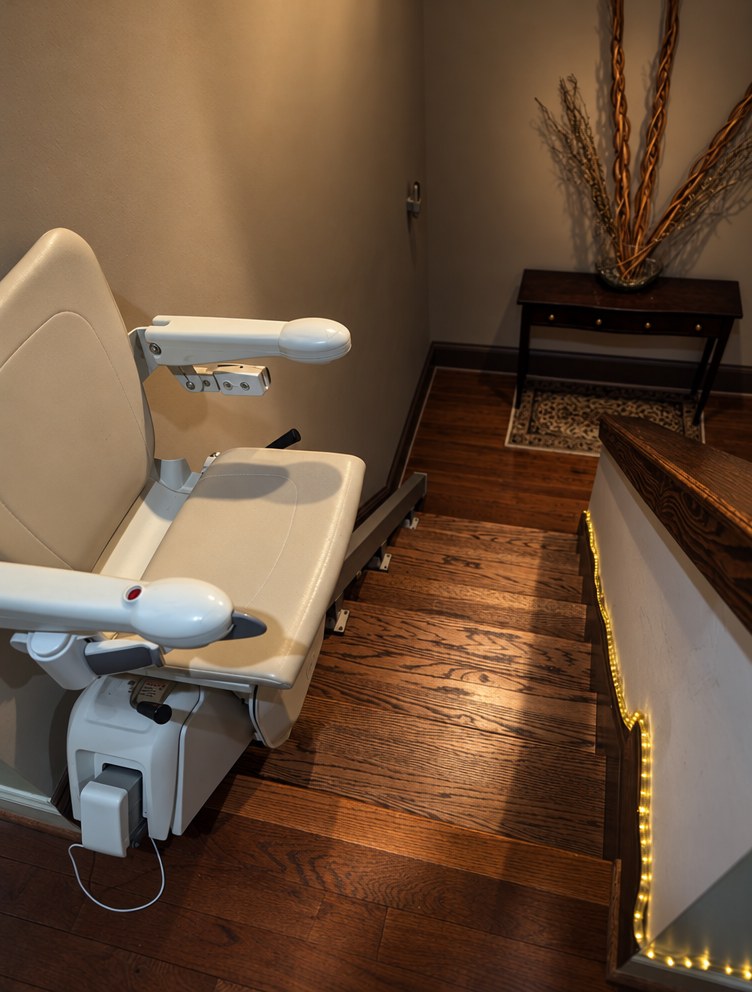
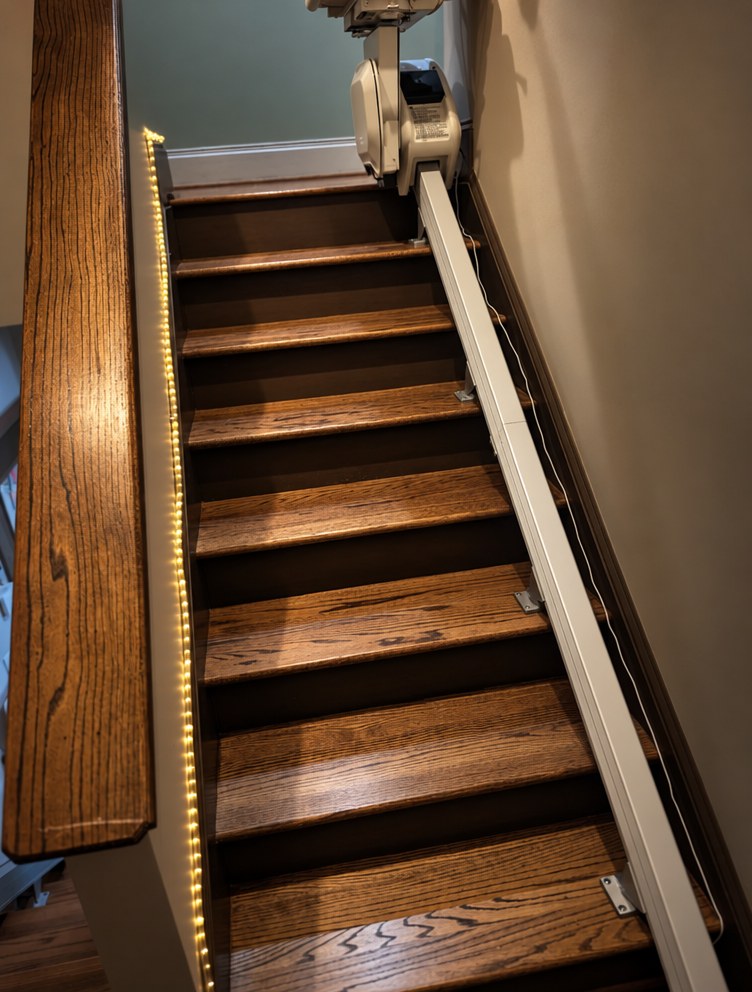
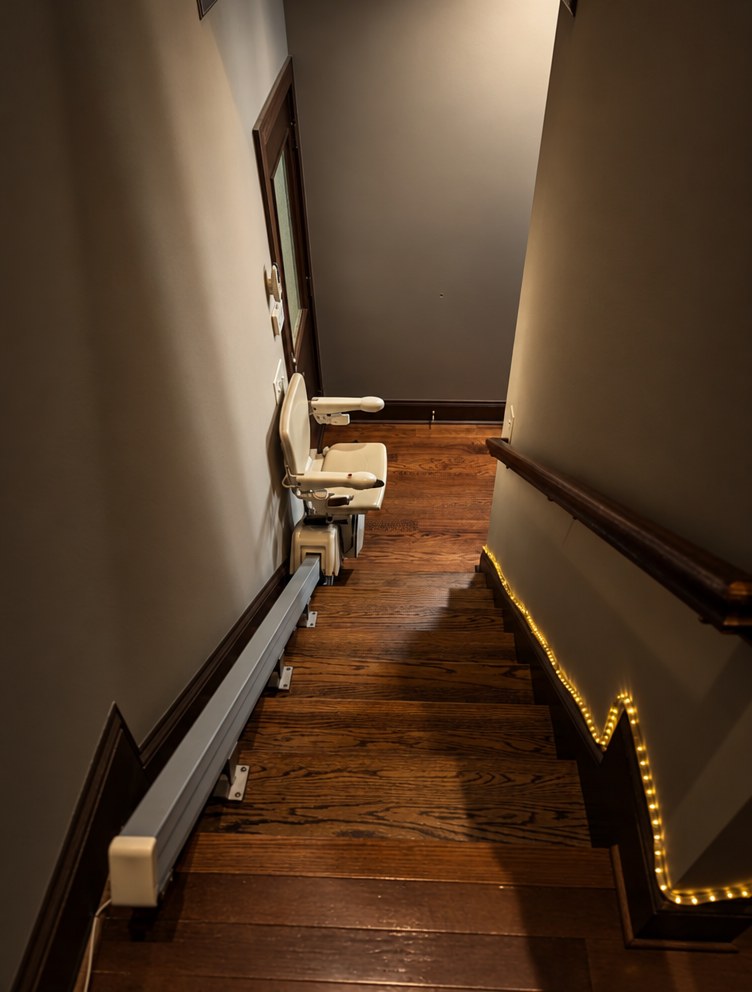
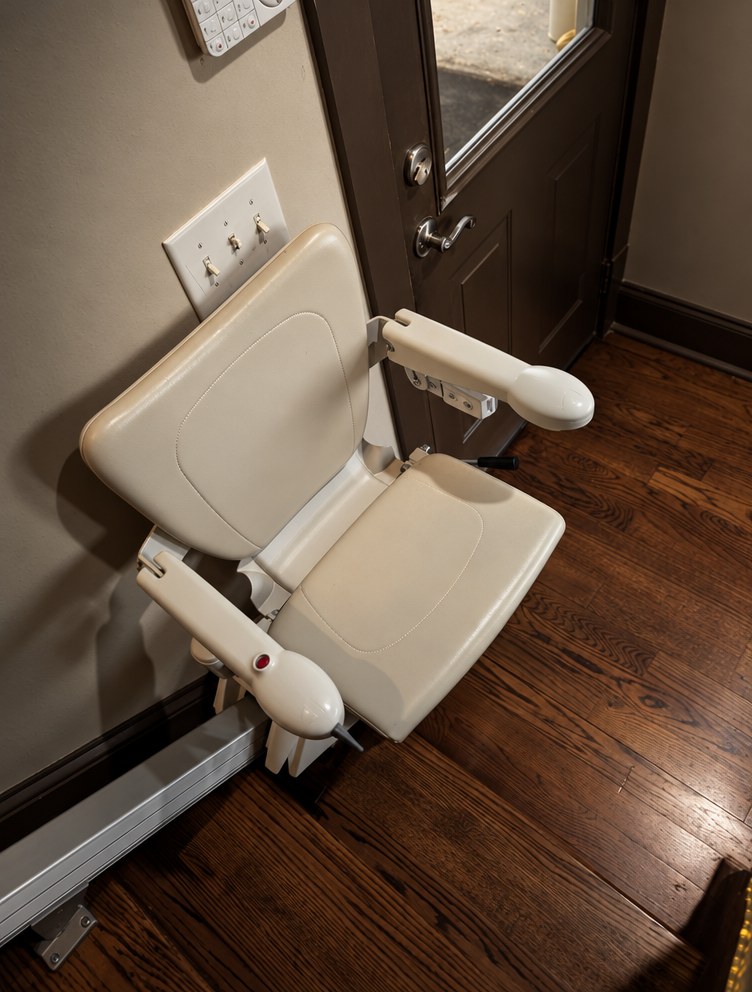
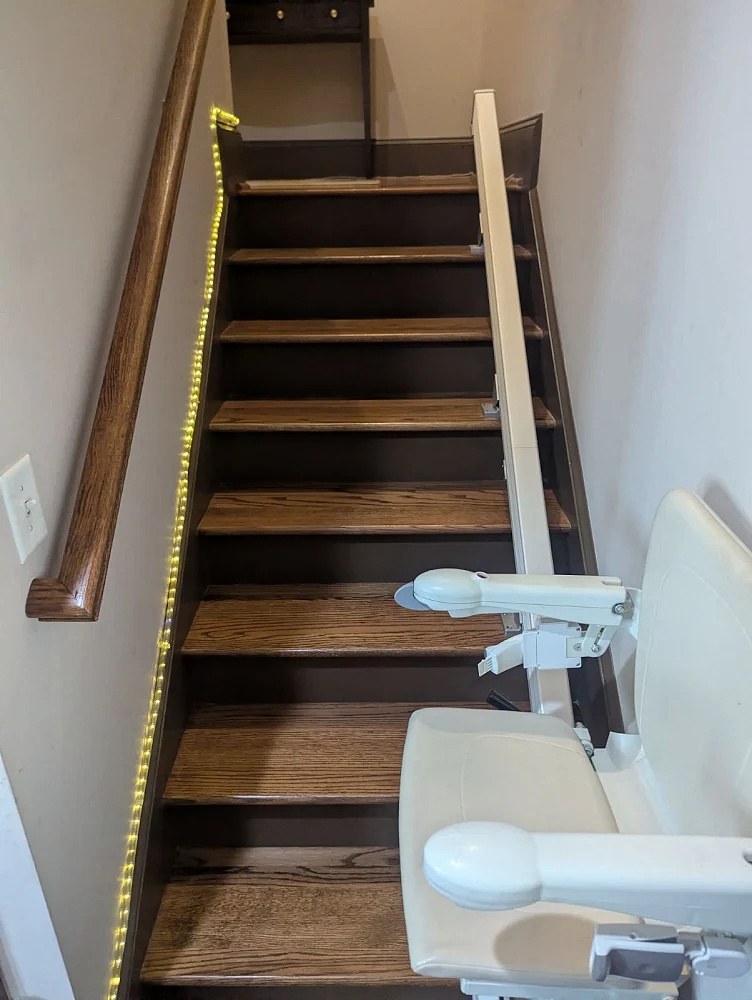
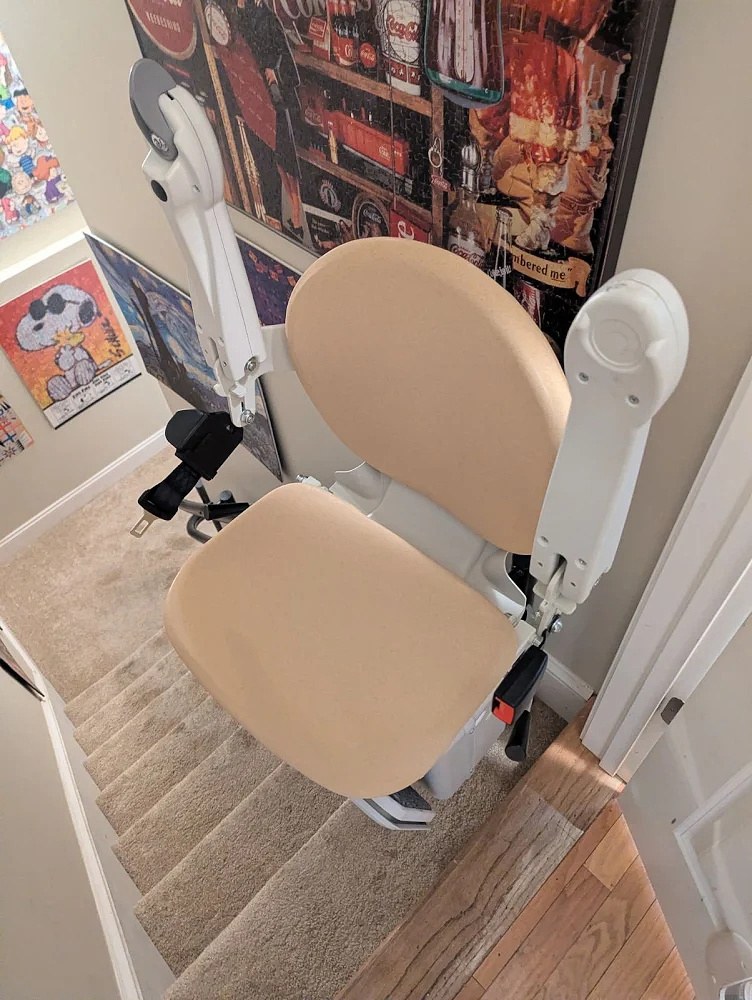
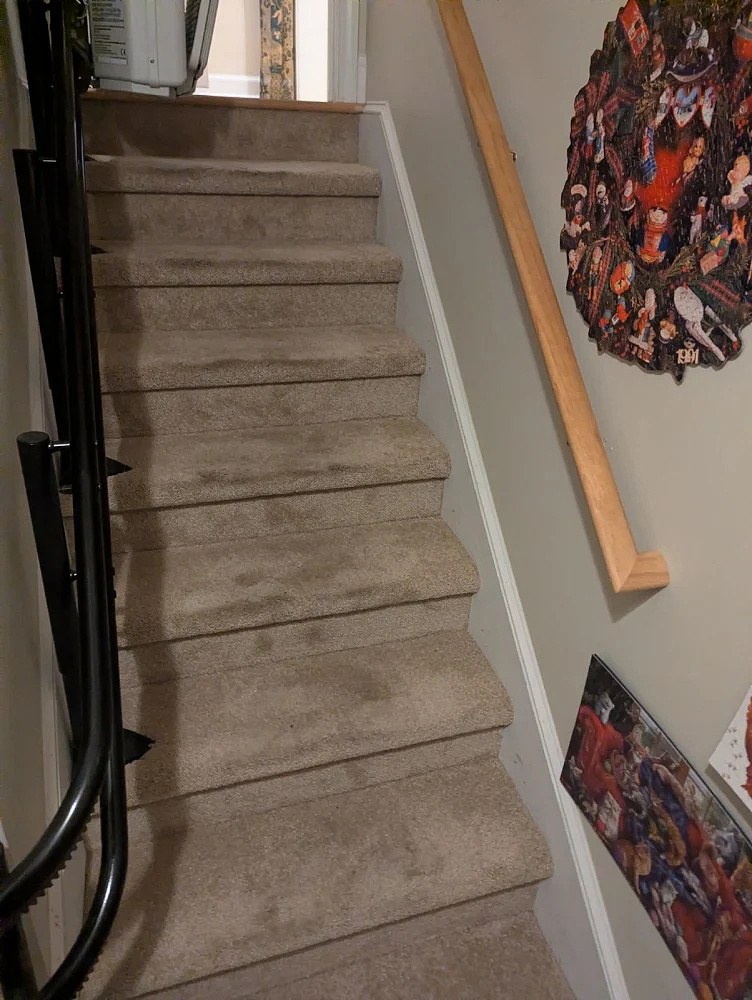
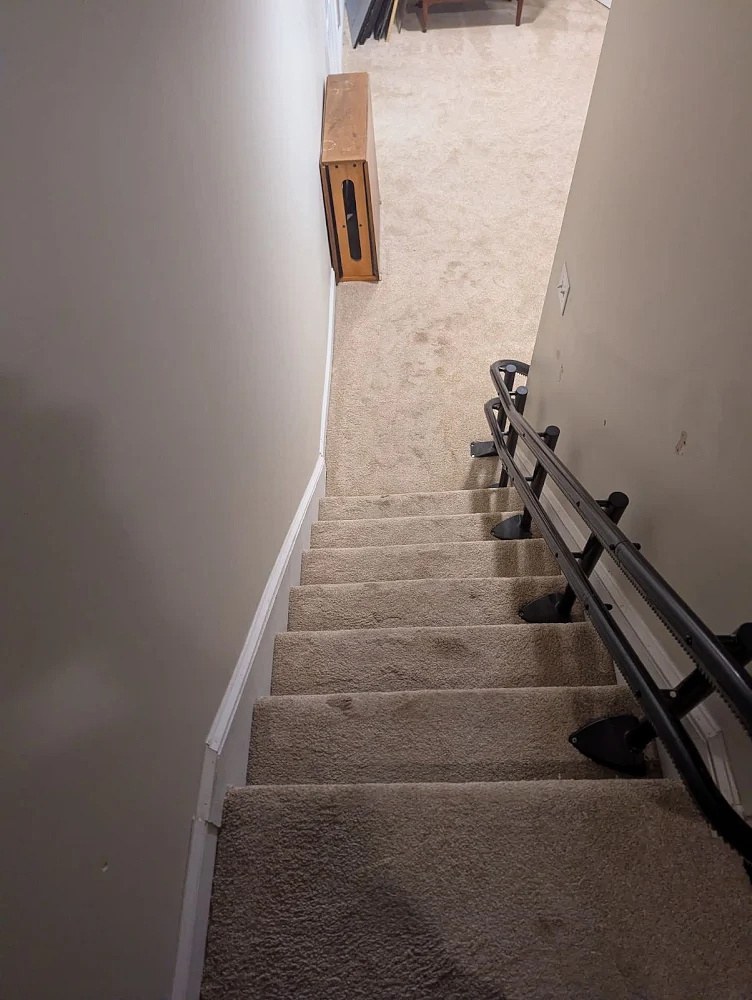
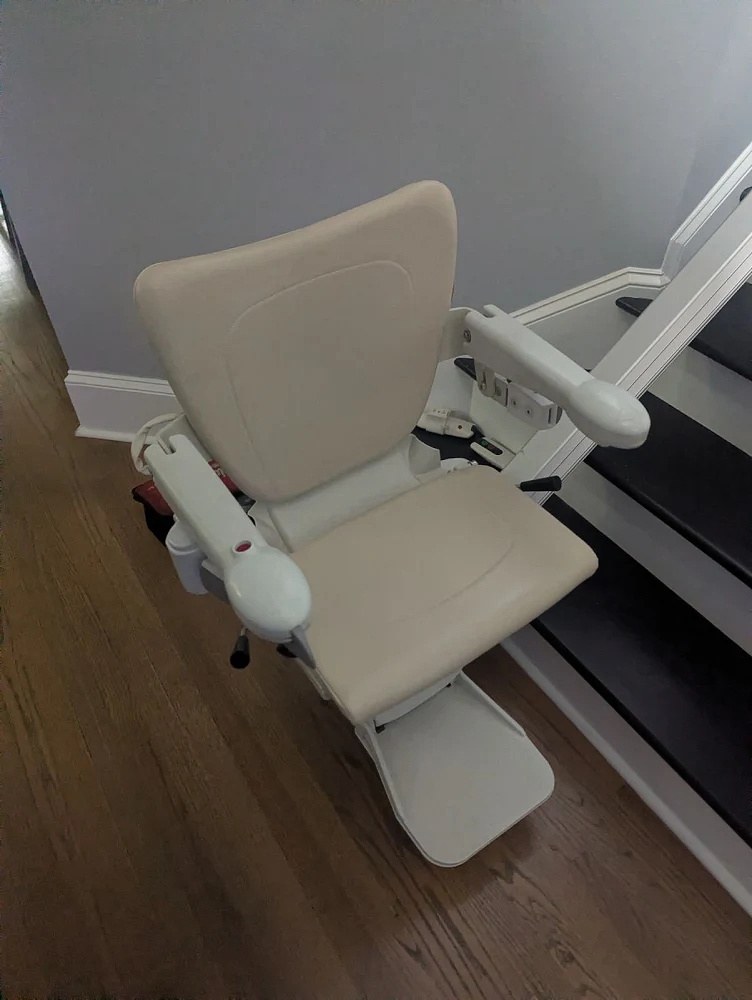
Straight, curved, and outdoor stairlifts, measured, installed, and serviced by credentialed technicians.
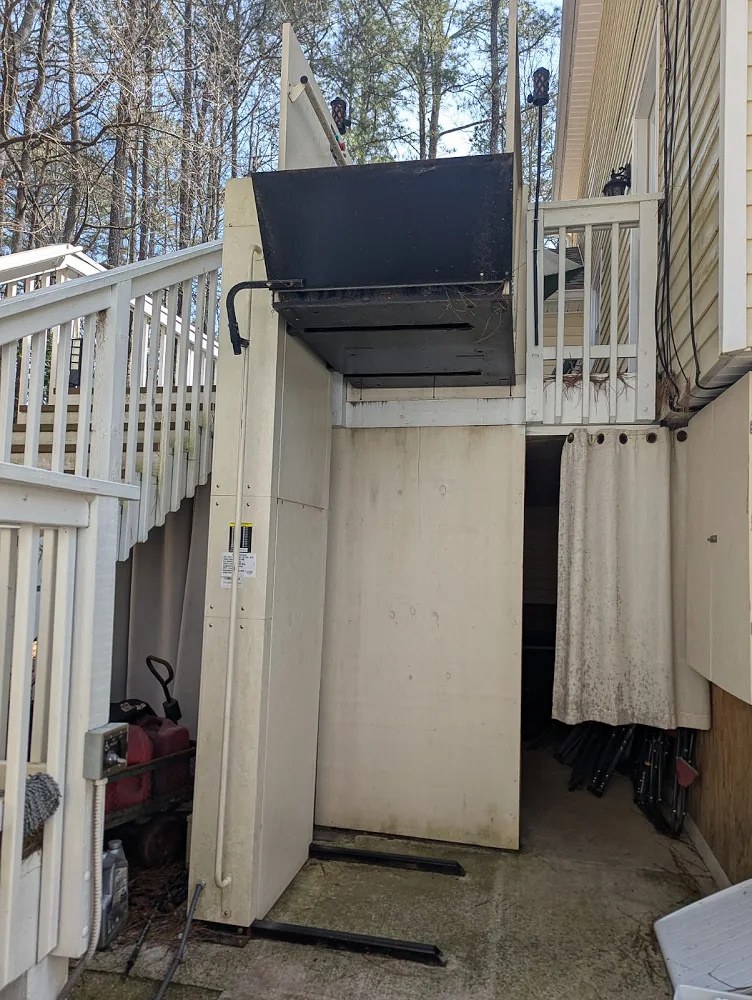
Wheelchair platform lifts for homes, businesses, and outdoor entrances.
All vertical platform liftsRamps, automatic door openers, ceiling lift tracks, and access infrastructure for homes and businesses.
All home & commercial accessPower mobility, complex rehab and seating, standing frames, showering and changing equipment, patient lifts, and home medical. Configured by ATPs and CRTS on staff.
Scooter and wheelchair lifts, hand controls, left foot accelerators, passenger brakes, transfer seats, securement, and fleet lift and bus air conditioning service.
Four things we hear on nearly every call. Turn a card over.
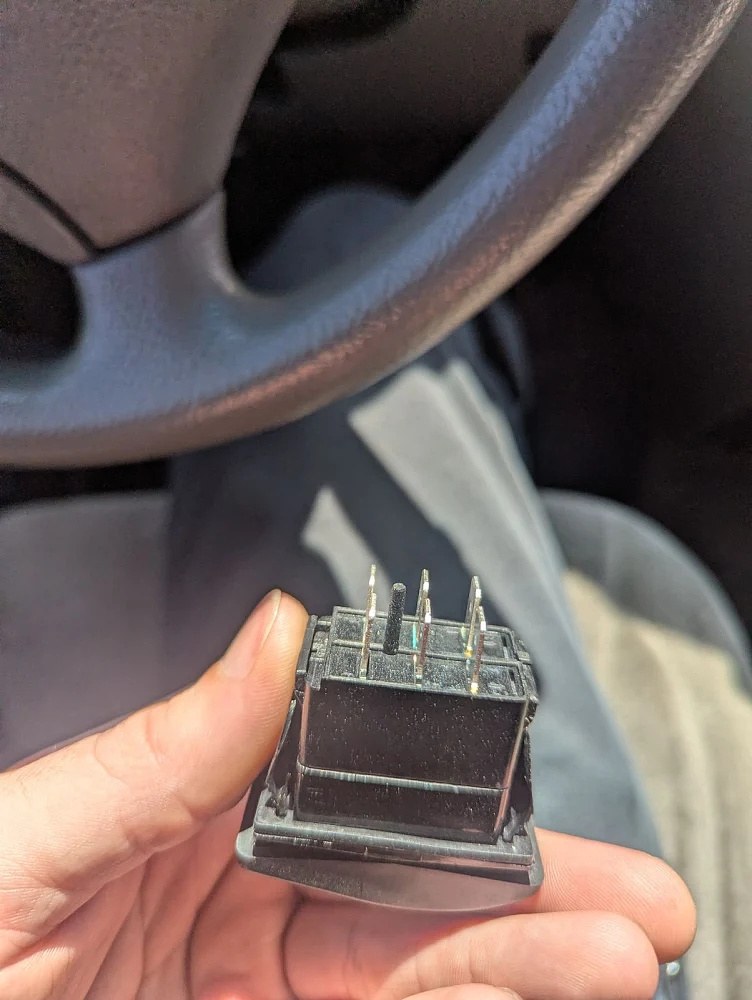
Photographed on the day, with permission.
Anybody can sell equipment. Installing it legally, configuring it clinically, and servicing it afterward takes credentials that have to be earned and kept current. Here is what our team holds.
Licensed elevator mechanics, state by state. Residential elevators and platform lifts are regulated work in most jurisdictions, and this is the license that makes it legal to do.
RESNA-recognized credential for evaluating a person's needs and specifying the assistive technology that fits. This is who you want configuring a power chair or a seating system.
The credential for supplying individually configured complex rehab. It is what separates a supplier who works alongside your clinical team from one who ships a box.
Training in modifying a home so someone can stay in it. It is the difference between installing equipment and understanding the house it goes into.
Industry service certification covering installation, maintenance, and repair standards across mobility equipment.
Federal certification for handling refrigerant in vehicle air conditioning. It is required to legally service a bus AC system, and it is why fleet work is something we can actually take on.
We cannot answer that, and we will not pretend to. Your VA medical center decides. Start with your therapist, physician, or case manager, and they will begin the paperwork.
The requirement is put out and awarded through the VA's own process. We are registered as a federal contractor, which is what lets the award come to us directly.
No, we do not file benefit applications. If a program authorizes equipment we supply, we are able to work with it, but the application itself is between you and the VA.
Yes, if the work has been approved but has not gone out to bid yet. Tell your prosthetics representative or case manager that you would like to request us as your preferred provider. The VA still runs its process and makes the award, but your preference is recorded and it costs you nothing to state it.
Dozens across the country. Our teams are mobile by design, so we schedule a medical center in any state the same way.
The site is left clean and the installation is done properly, but restoring finishes is not part of an equipment scope. If you want that work done, ask and we will quote it separately.
Not on the VA scope, because we cannot add to what was authorized. Privately, often yes. Ask the technician and we will price it as a separate job.
We do not select or recommend equipment based on what it might do to the value of a house. We select what keeps the person moving safely, and on a VA job we install what the VA authorized. Equipment customized to one veteran is unlikely to add value, because the next occupant probably needs something different. We have seen accessible equipment add as much as twenty percent to a property, but treat that as an observation from the field rather than a promise, and never as a reason to buy.
We do. The company that installed it is the company that maintains it.
Talk to the veteran's care team first, since authorization runs through them. If the work ends up being private, we are happy to quote it.
Send it over and we will take it from there. If you are earlier than that, start with your VA care team and come back to us when you have paperwork.