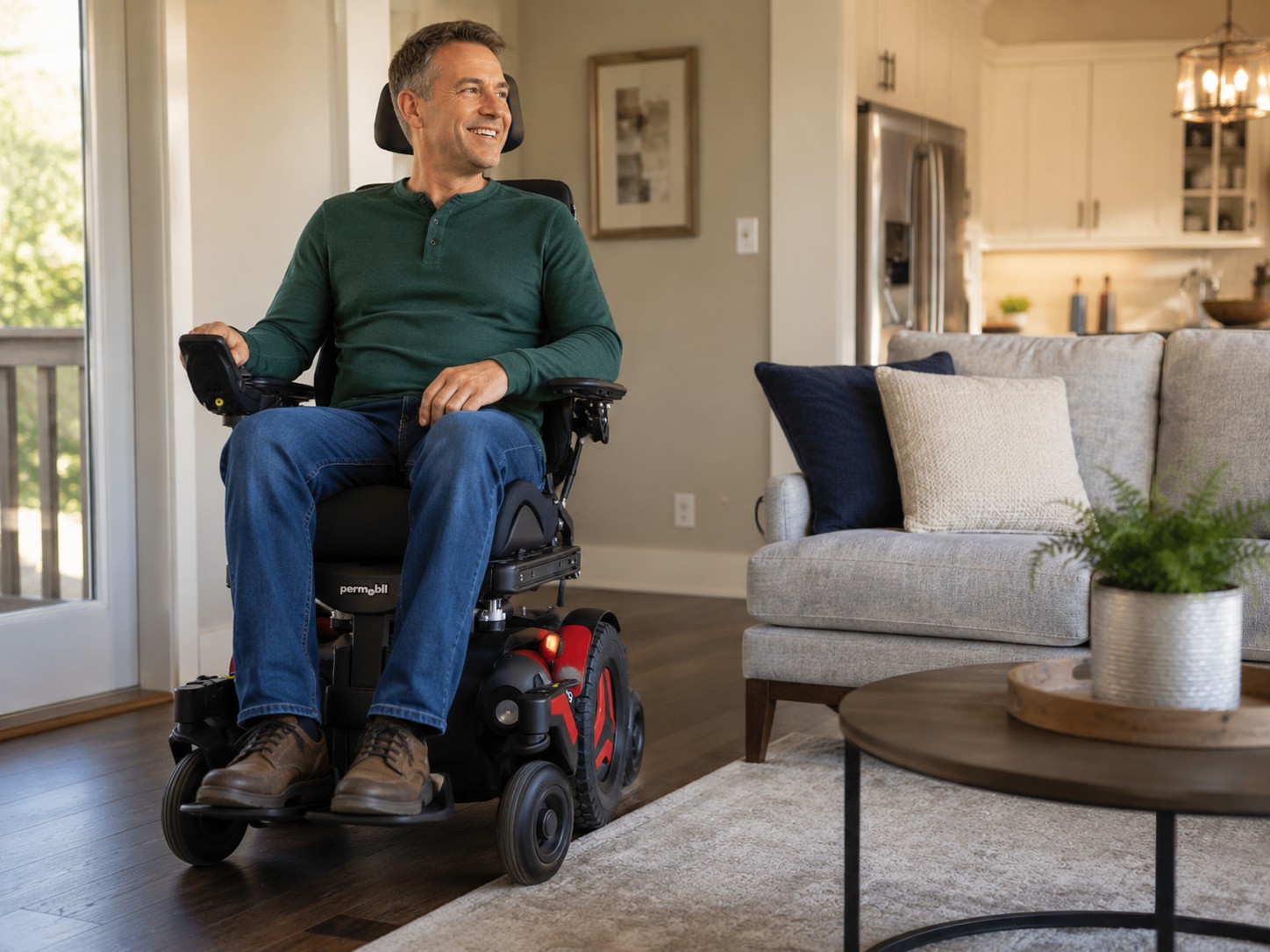
Power Wheelchairs
Powered mobility for daily indoor and outdoor use, configured to the user, the home, and the way they actually move through a day.

Free Consultation | Estimate
A mobility specialist will contact you shortly. All consultations, estimates, and scopes of work are provided completely free of charge. No pressure or obligation.
What each one is for, and who it suits.
Powered mobility for daily indoor and outdoor use, configured to the user, the home, and the way they actually move through a day.
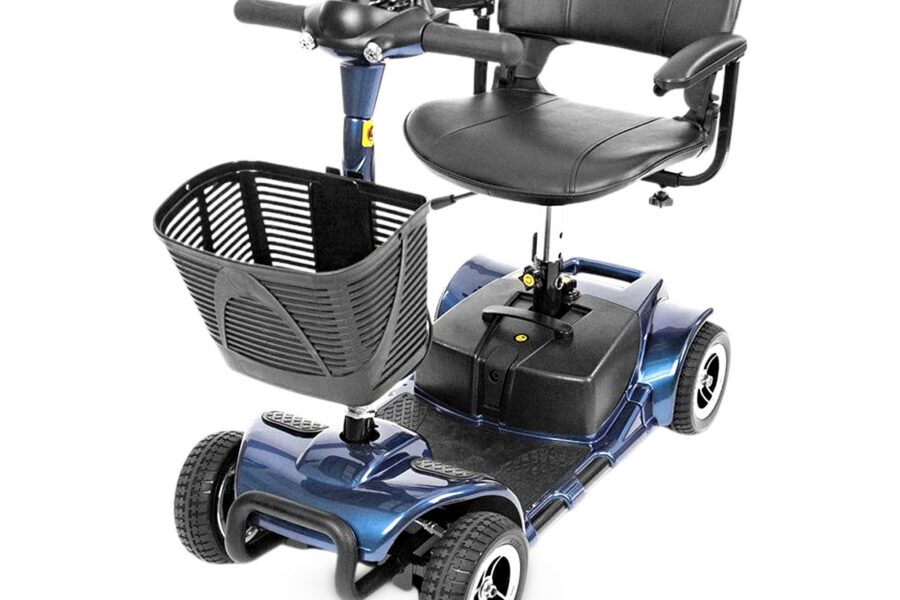
Three and four wheel scooters for range and independence outside the home, including folding and travel models.
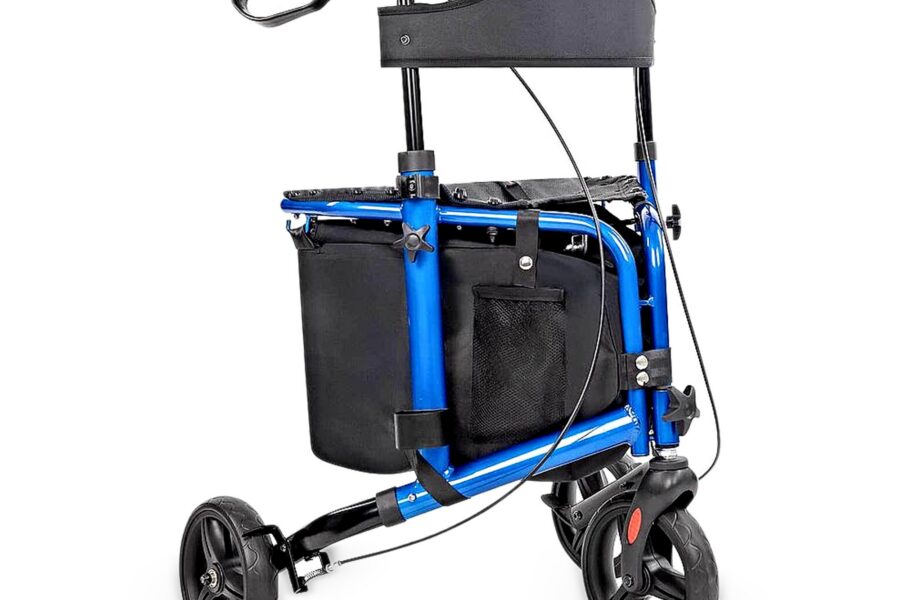
Manual mobility and walking support, fitted properly so it helps rather than hinders.
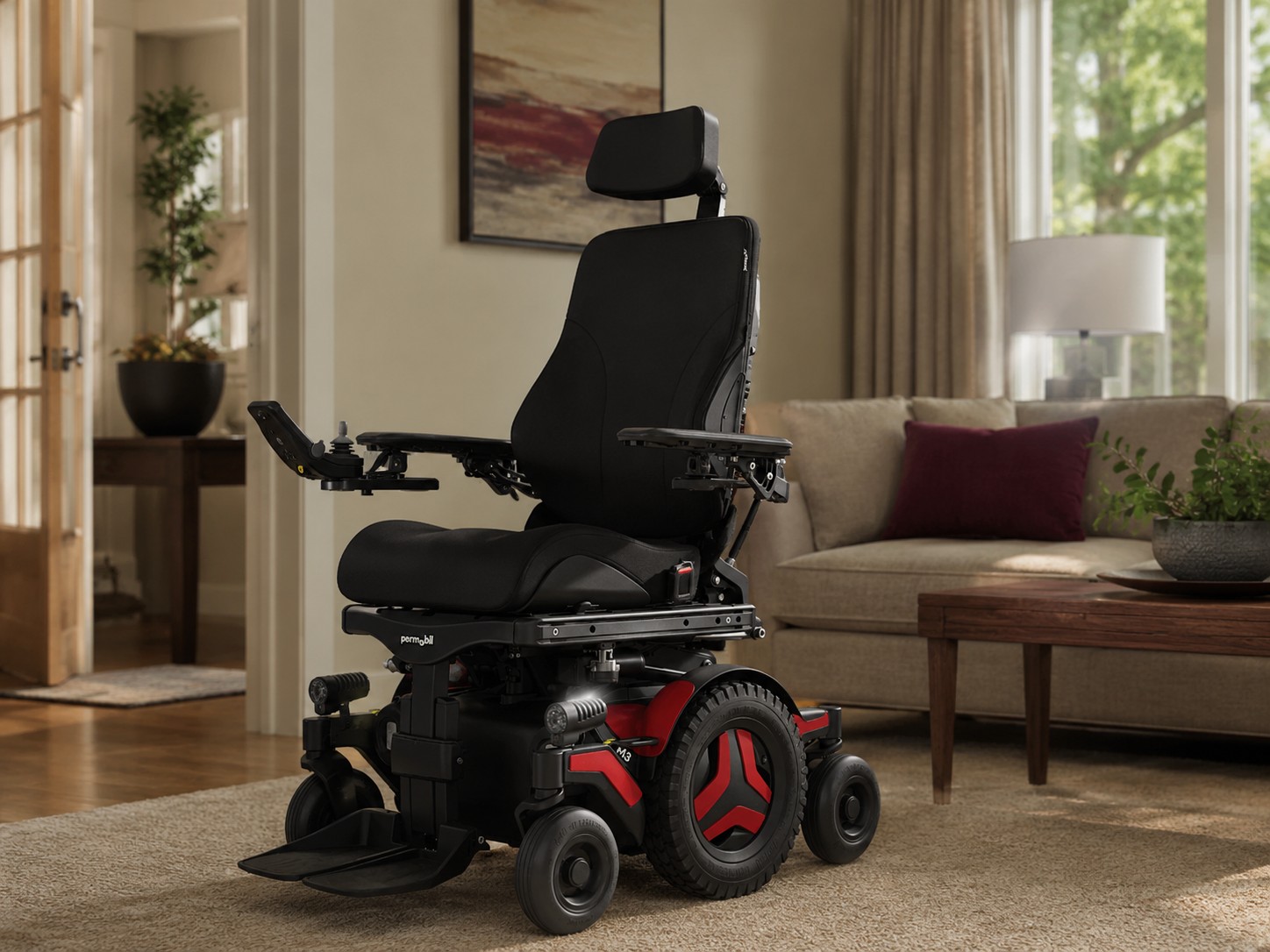
Configured power mobility and seating for medically complex needs. We have Assistive Technology Professionals and Complex Rehab Technology Suppliers on staff, and we work directly with the treating clinical team.
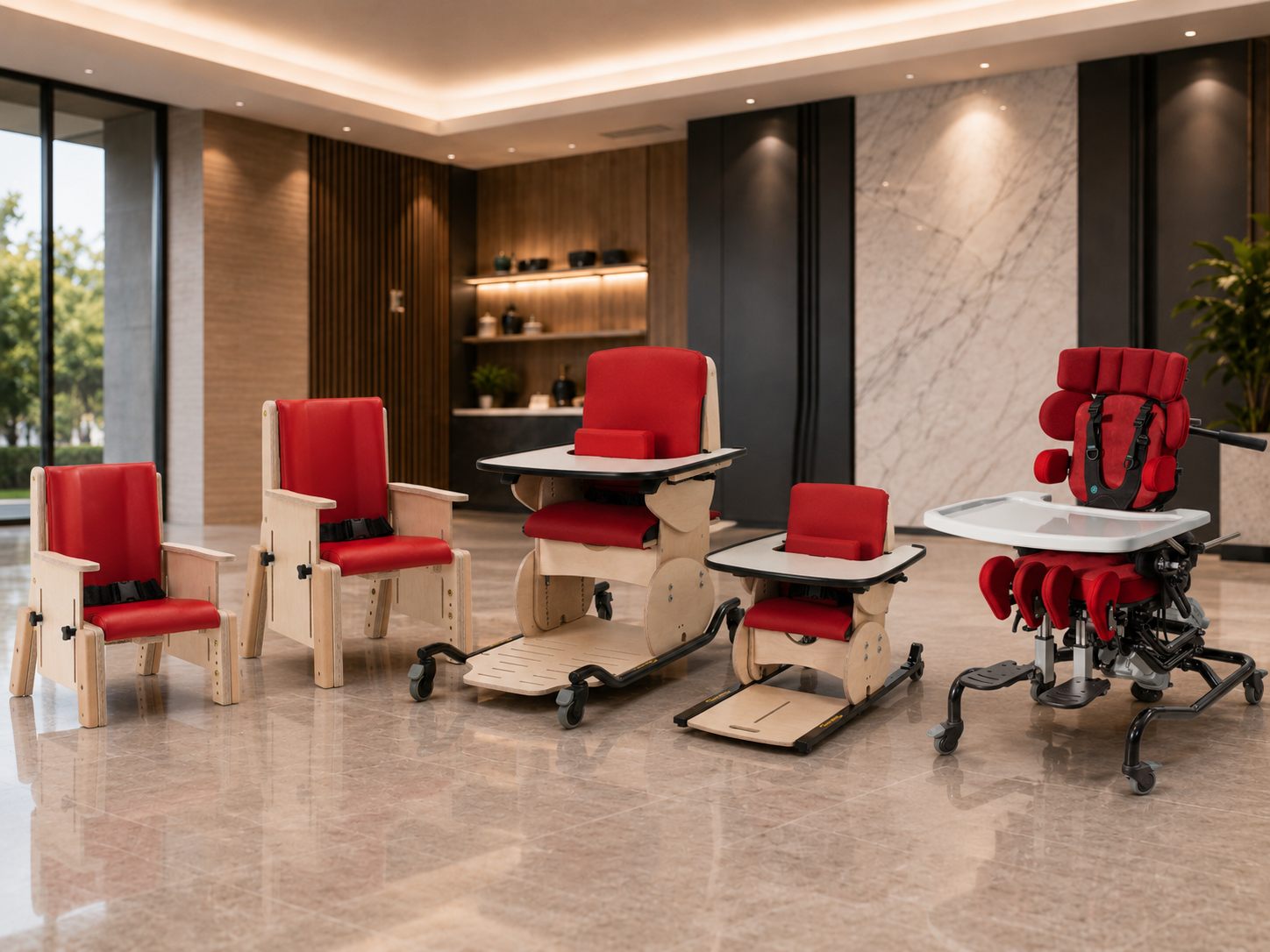
Specialist positioning chairs, adjustable corner chairs, floor sitters, cushions, and back support for users who need help holding a safe, sustainable position.
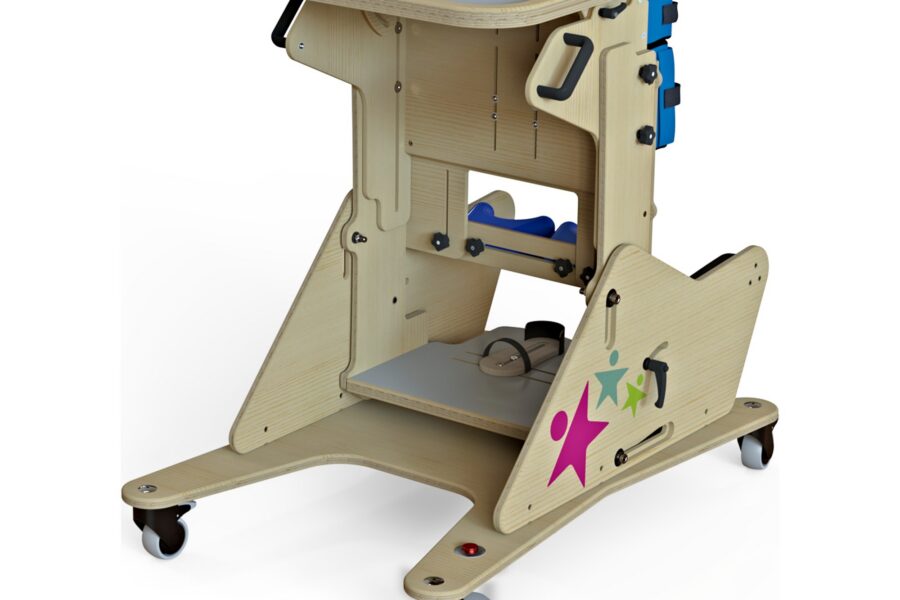
Supported standing for weight bearing, circulation, and the therapy goals a clinician has set, for both children and adults.
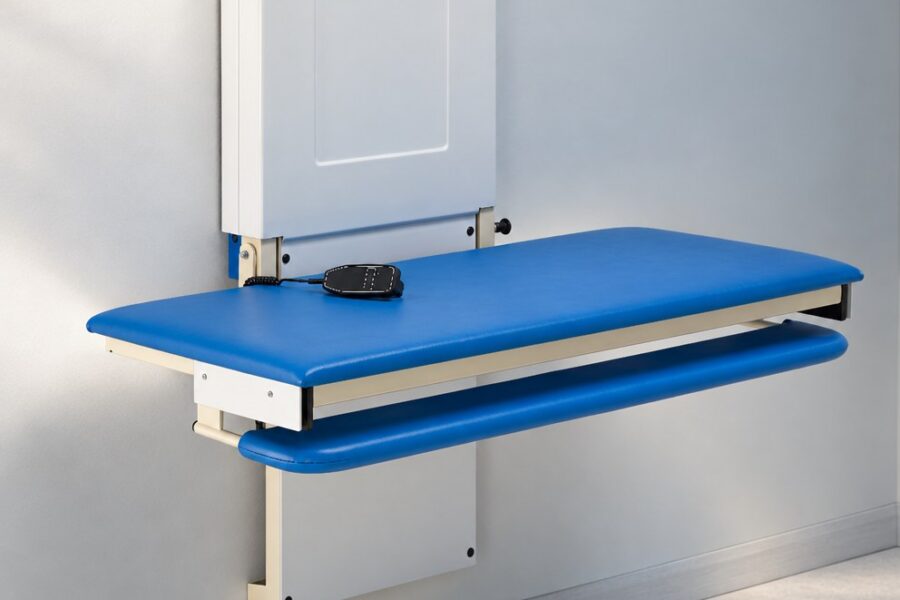
Shower benches and chairs, shower trolleys and stretchers, and height-adjustable changing tables, so bathing and personal care are safe for the person and for whoever assists.
Height-adjustable and tilting tables and desks for postural alignment, wheelchair clearance, school, work, and therapy.
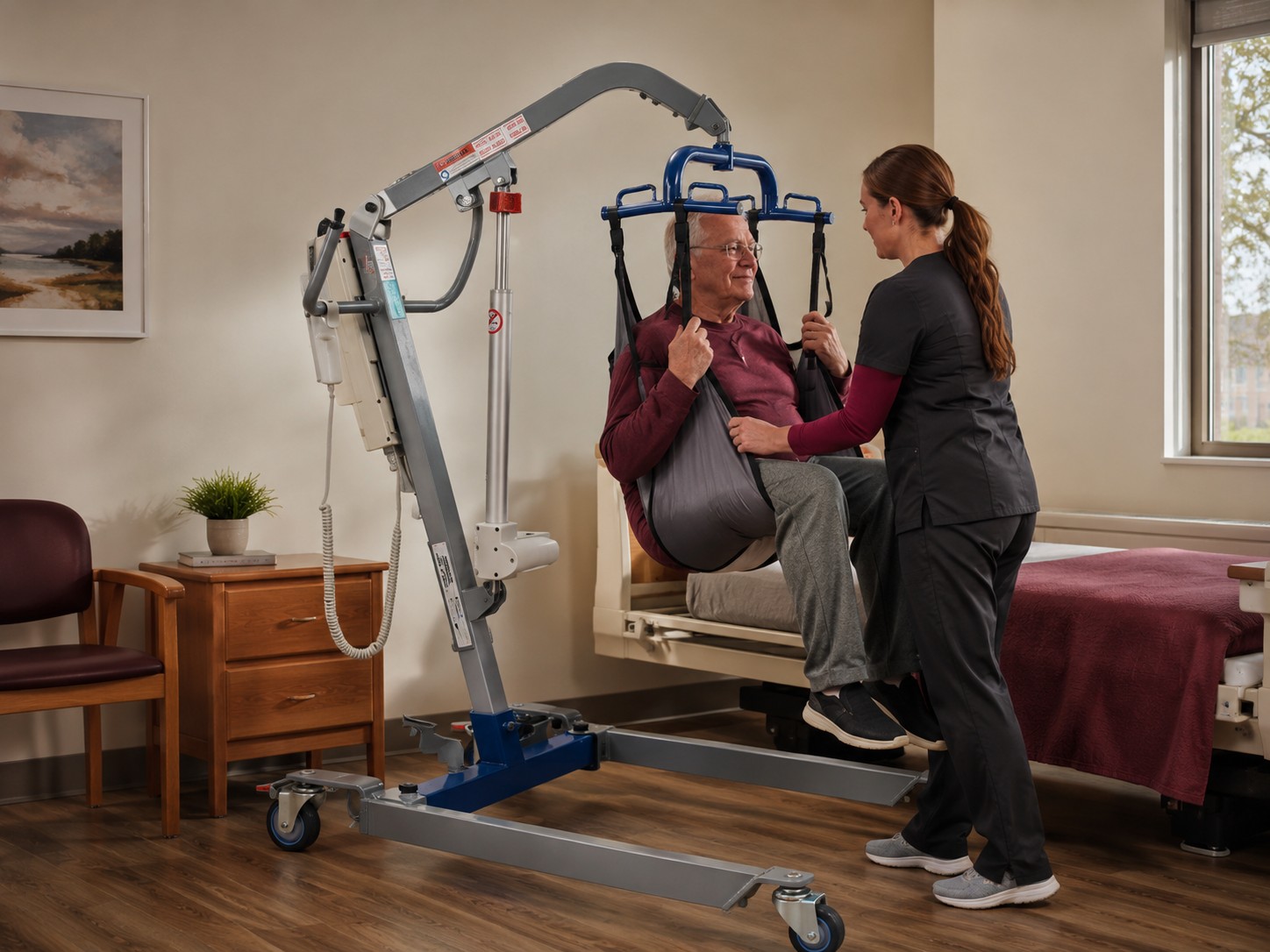
Floor lifts, sit-to-stand lifts, and ceiling track systems that make transfers safer for the person and for the caregiver.
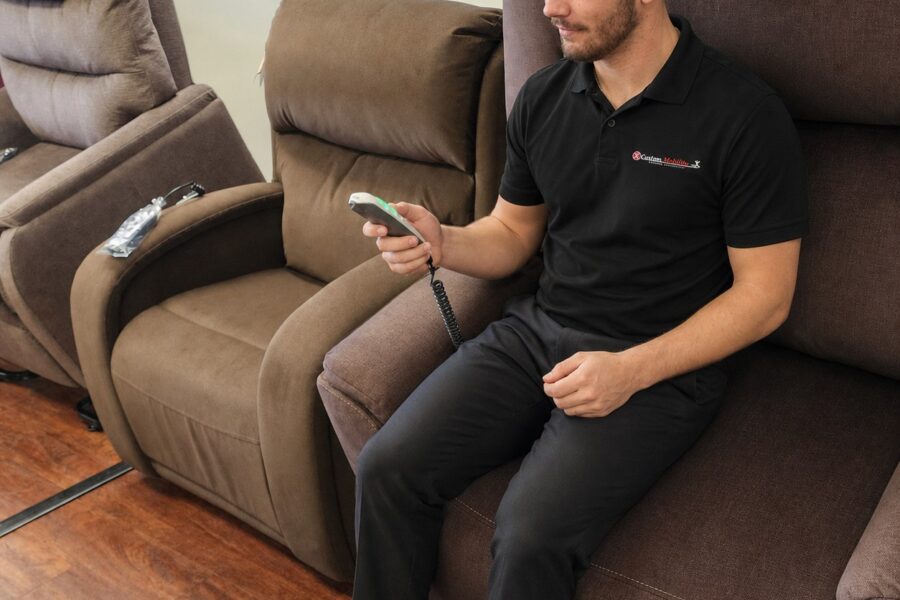
Powered recliners that assist standing, for users who struggle to rise from a seated position.
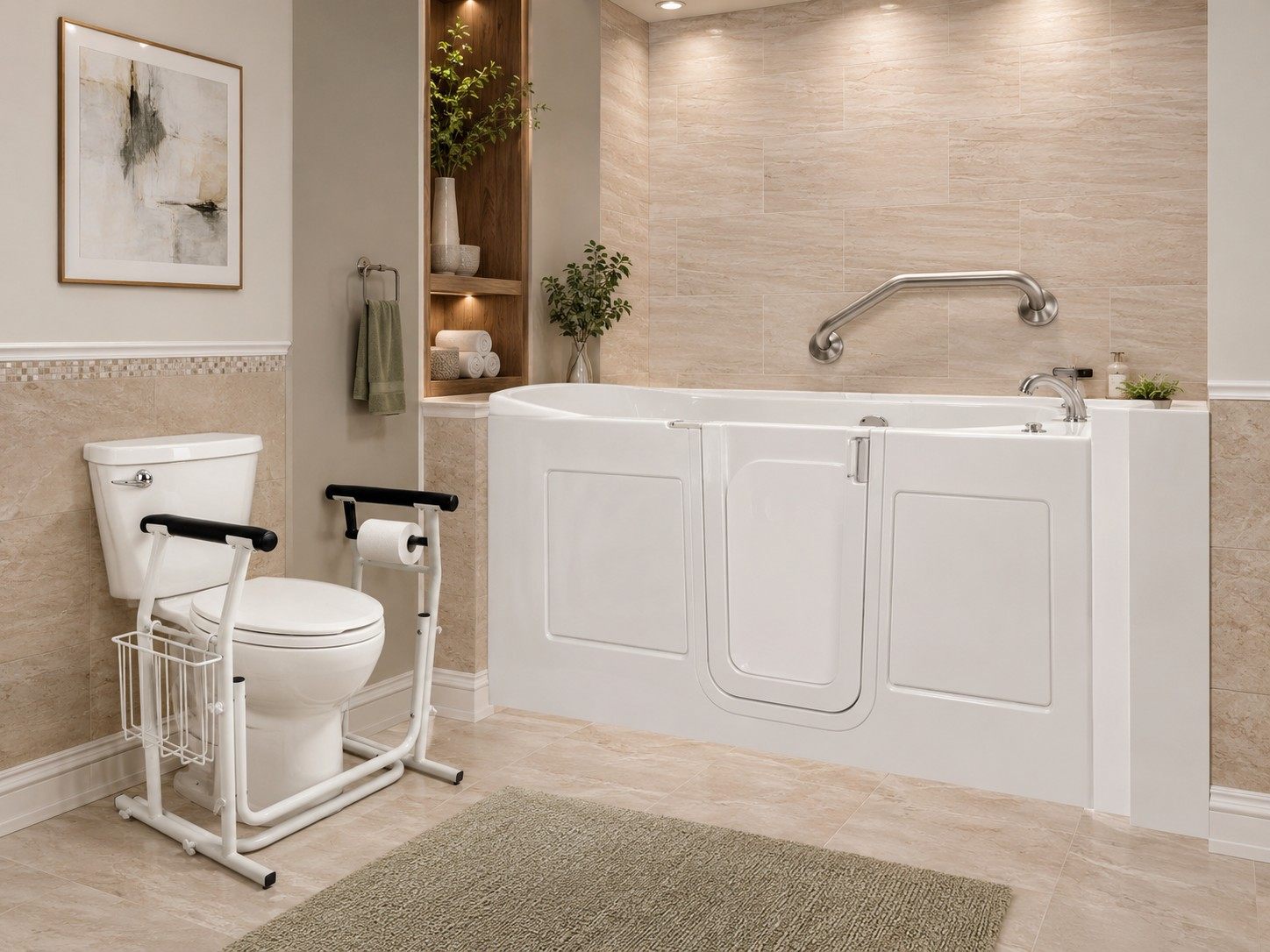
Grab bars, transfer benches, shower seating, and the fixtures that reduce falls in the highest-risk room in the house.
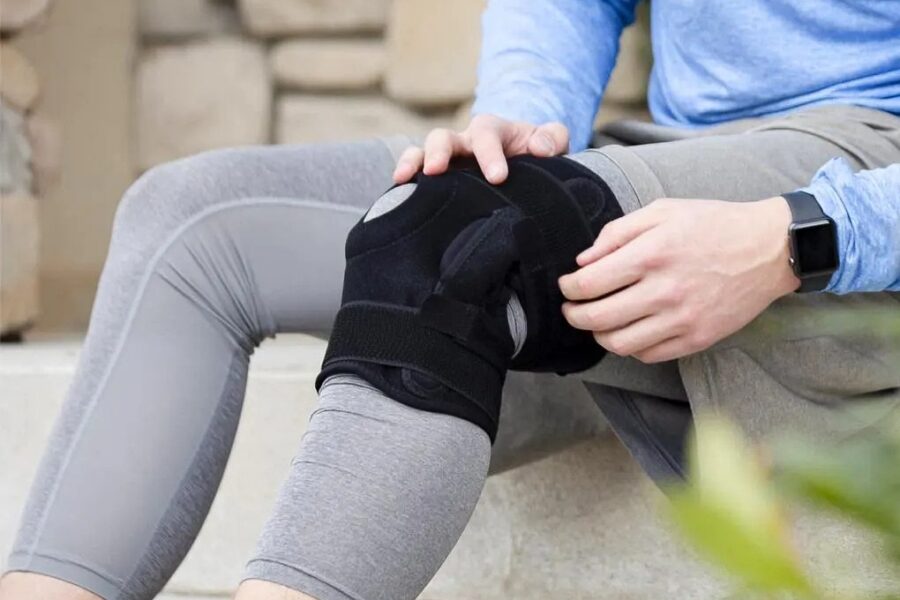
Orthotic bracing and support products.
Four questions, and none of them start with a catalog. This is the part most sellers skip.
Indoors needs a tight turning circle and a narrow base. Outdoors needs ground clearance, bigger wheels, and range. A chair chosen for one is frustrating in the other, and most people need both.
Mostly indoors: compact, tight turning Outdoors too: clearance and rangeIf it has to go in a car, that decides a great deal. Folding and travel models come apart or fold flat. A full-size chair needs a vehicle lift or a conversion, which is a separate conversation and a real cost.
In a trunk: folding or travel model Stays full size: vehicle lift neededAn hour a day and eight hours a day are different machines. Full-time use means seating, pressure management, and positioning specified properly, which is what our ATPs and CRTS are for.
Occasional: standard seating All day: clinical seating and positioningIf somebody has to lift it, disassemble it, or push it, their strength is part of the specification. This is the question that most often changes the answer late, so we ask it early.
Independent user Caregiver assisting: weight mattersMobility equipment spans a huge range. These are the factors that actually decide where in it you land.
Seating and positioning
Clinical seating for full-time use is frequently more than the chair under it, and it is what prevents pressure injuries.
Power or manual
A powered base is a different tier from a manual chair, and worth it when it buys somebody their independence back.
Powered functions
Tilt, recline, elevating legrests, and seat elevate. Each is clinically justified for some people and unnecessary for others.
Portability
Folding and travel models trade range and durability for weight. Sometimes the right trade, sometimes not.
Weight capacity
Heavy-duty frames and motors cost more, and using a chair beyond its rating is how frames fail.
The bars show relative impact, not dollars. For a real number, the survey is free.
You can buy a power chair in several places. They are not the same purchase.
From us
CostVaries by spec
TimeDays to weeks
Fitted to the person by ATPs and CRTS, delivered and set up, and serviced afterward by the same company. Try it before you commit.
An online marketplace
CostOften less
TimeDays
Fine for a walker or a cushion. For a chair somebody sits in all day, nobody measured them and nobody services it when it fails.
A big box store
CostLess
TimeSame day
One or two models, no fitting, no seating assessment, and no service. Genuinely fine for occasional use.
Our own store
CostListed online
TimeShips
If you know what you want, buy it from us online and it still comes with our service behind it.
Six parts. The first one is the one people think about least and regret most.
Cushion, back, and positioning. For anybody sitting all day this is the most important purchase on the list and the one that prevents pressure injuries.
Front, mid, or rear wheel drive. Decides turning circle, how it handles thresholds, and how it behaves outdoors.
Real range rather than catalog range. These are consumables and the most common thing we replace.
Joystick, and alternatives where a joystick will not work. Position and sensitivity are part of the fitting.
Tilt, recline, legrests, seat elevate. Clinically justified for some, expensive habit for others. We will say which.
Not a part, but it decides what year three looks like. Ask any seller who fixes it when it stops.
Four things we hear about chairs and scooters.
Photographed on the day, in real homes and buildings.
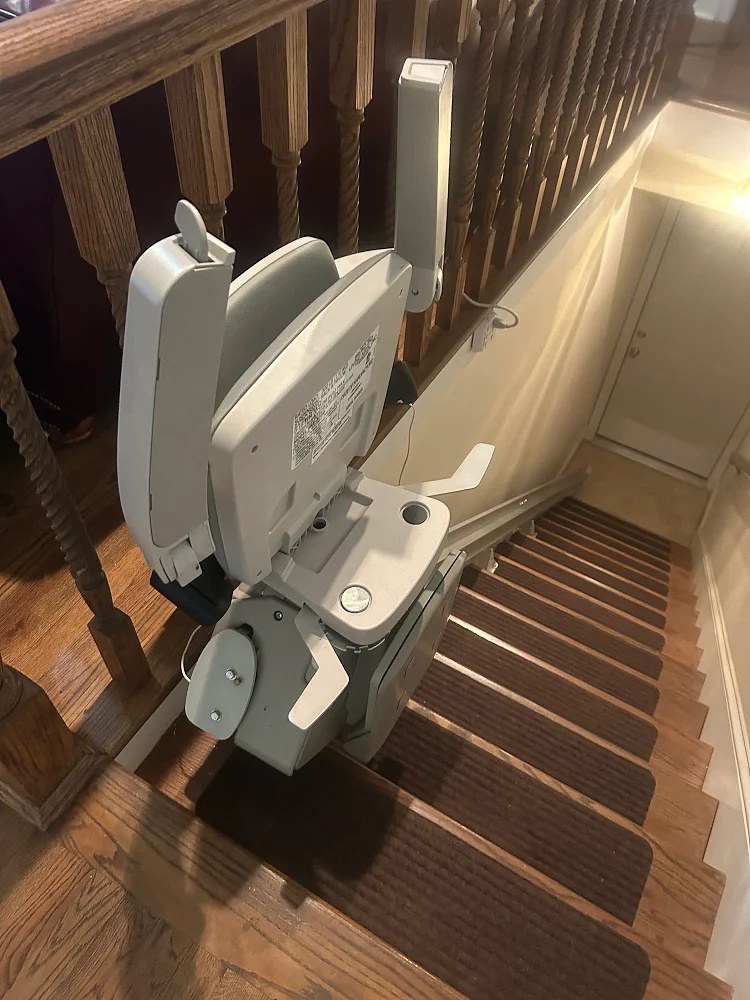
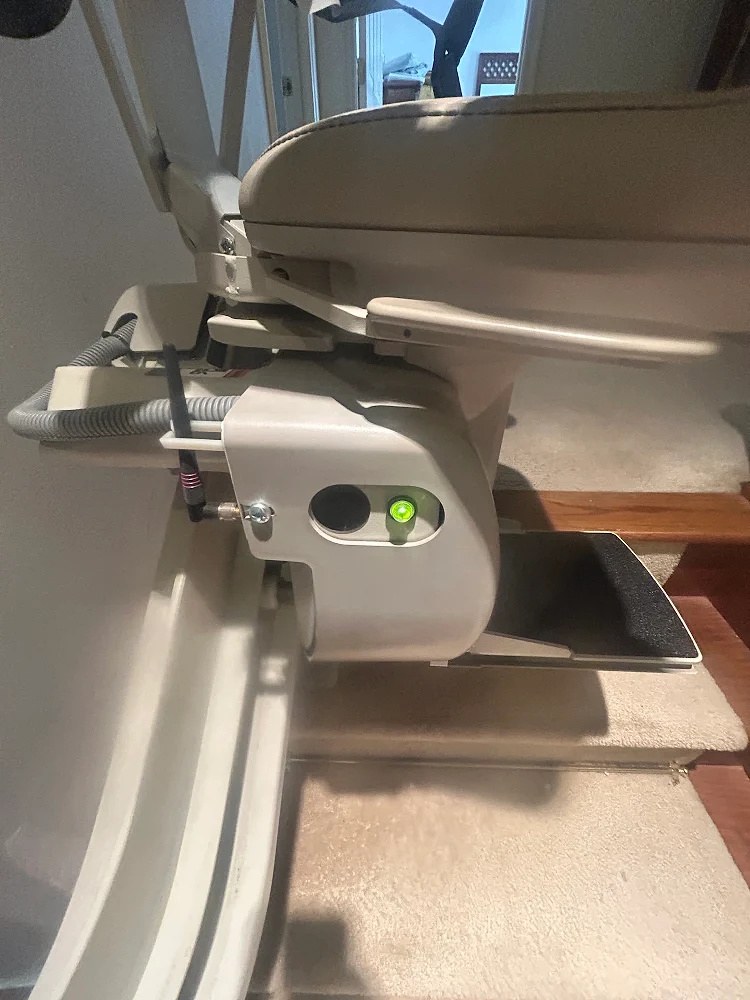
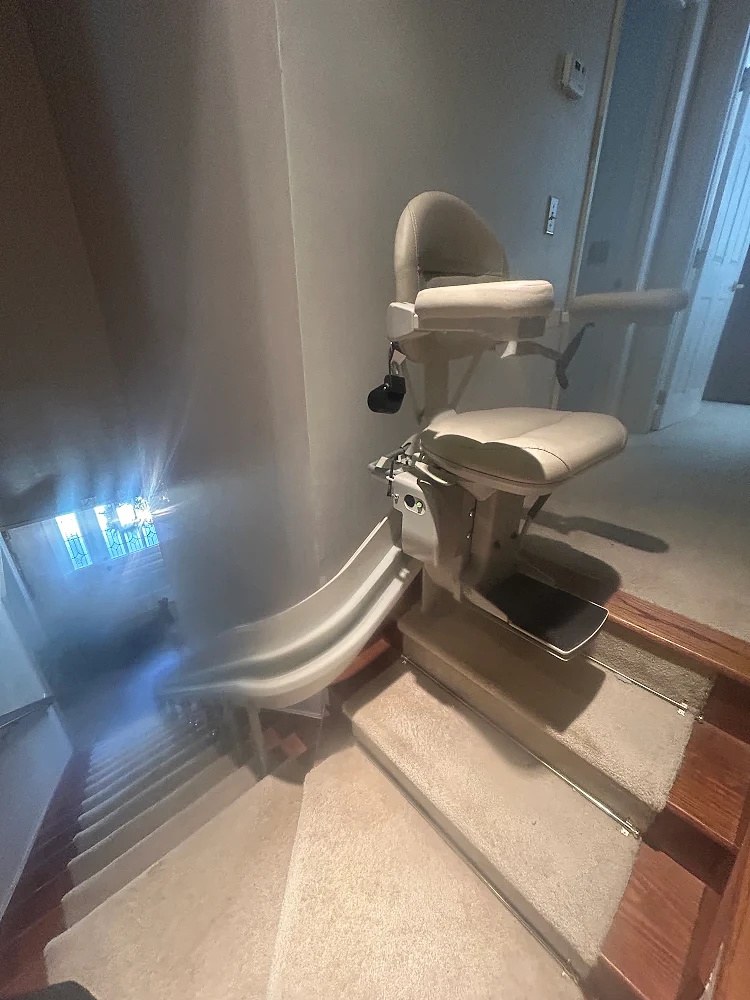
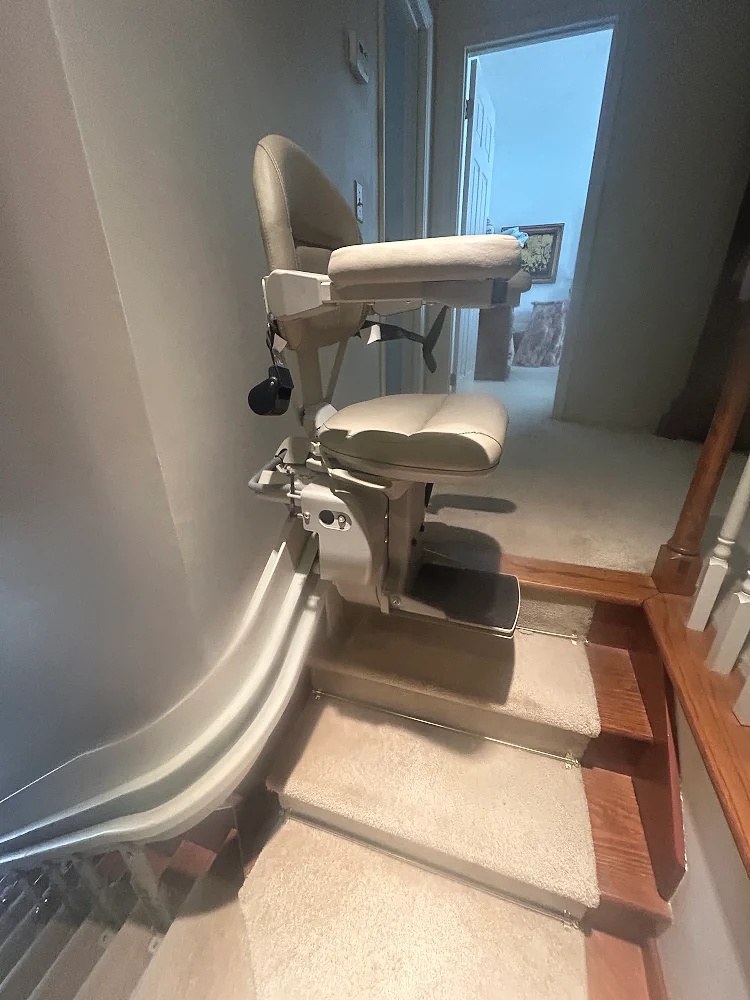
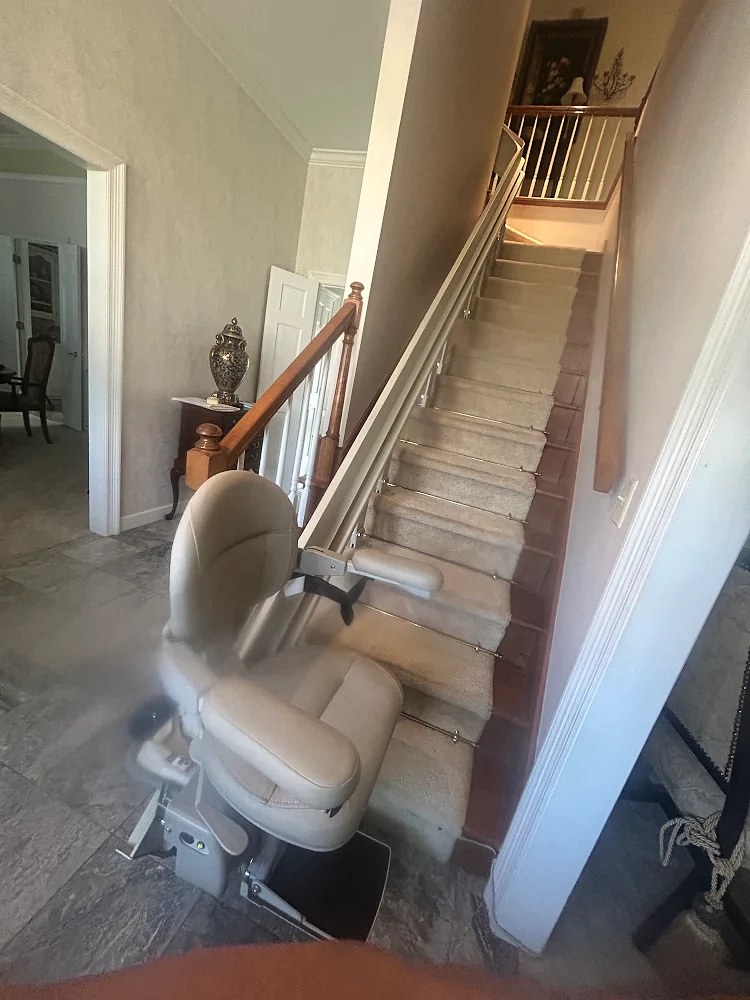
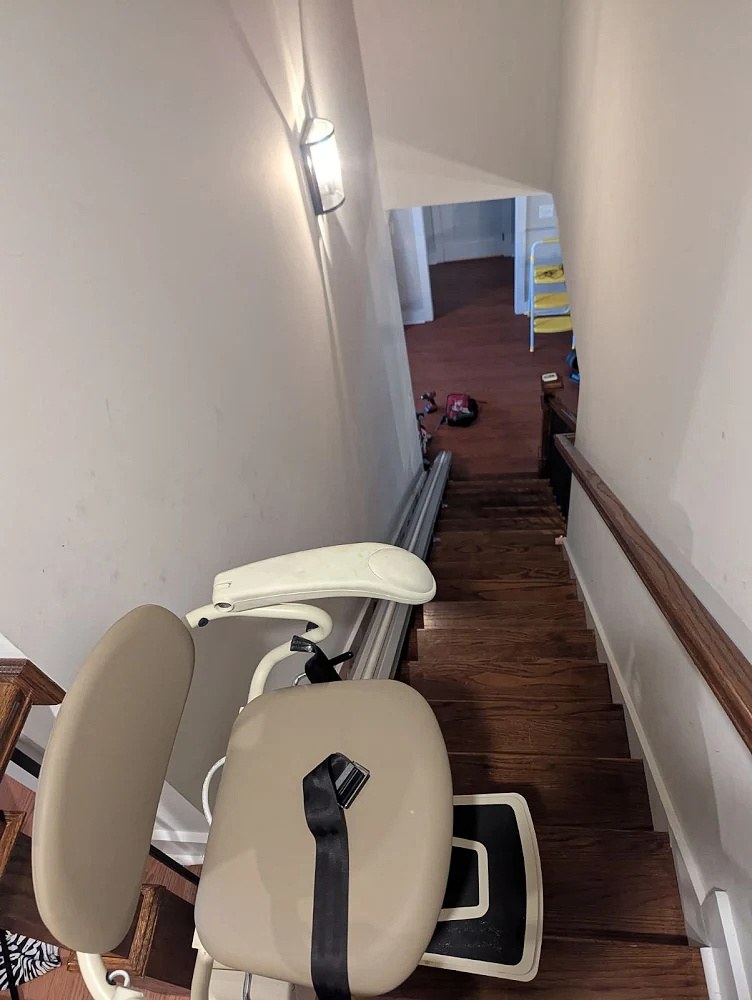
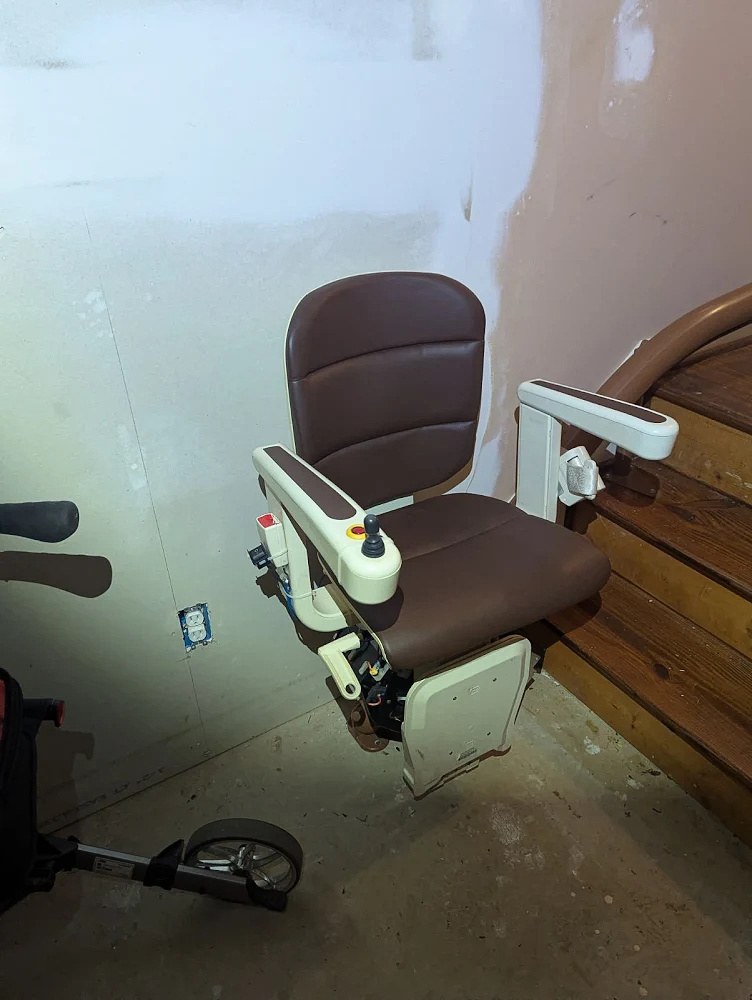
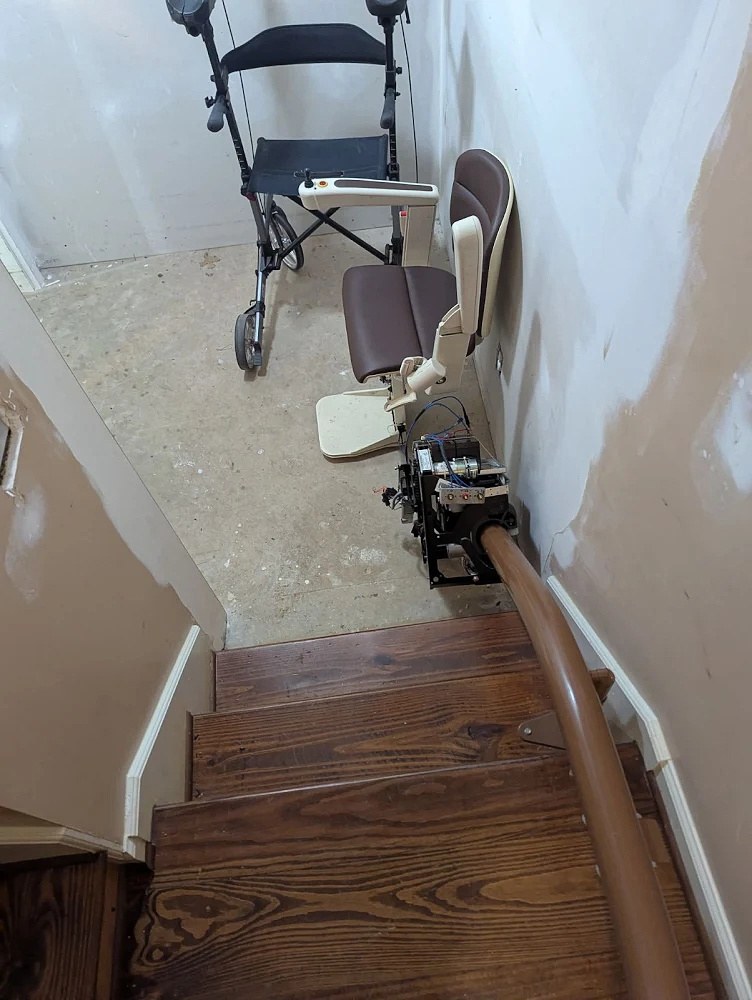
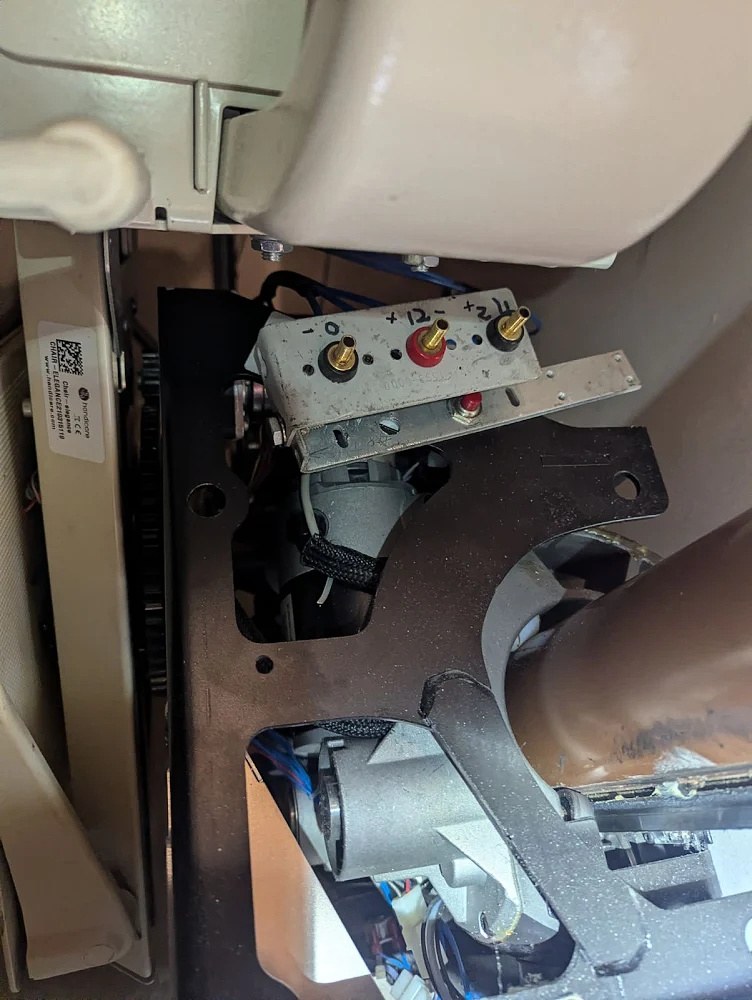
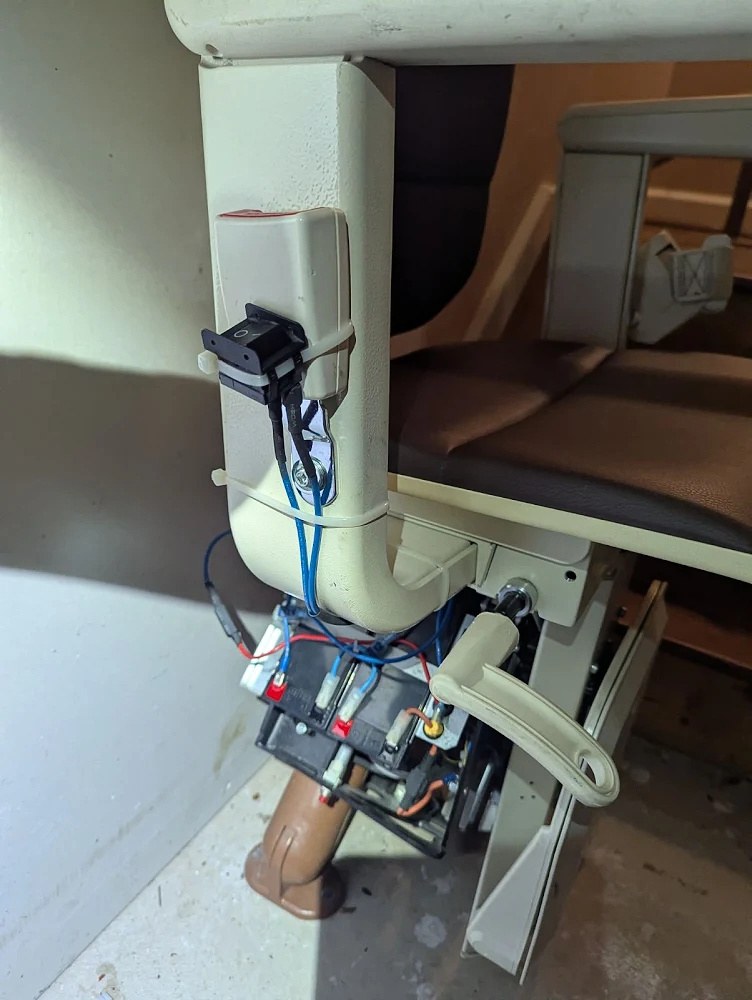
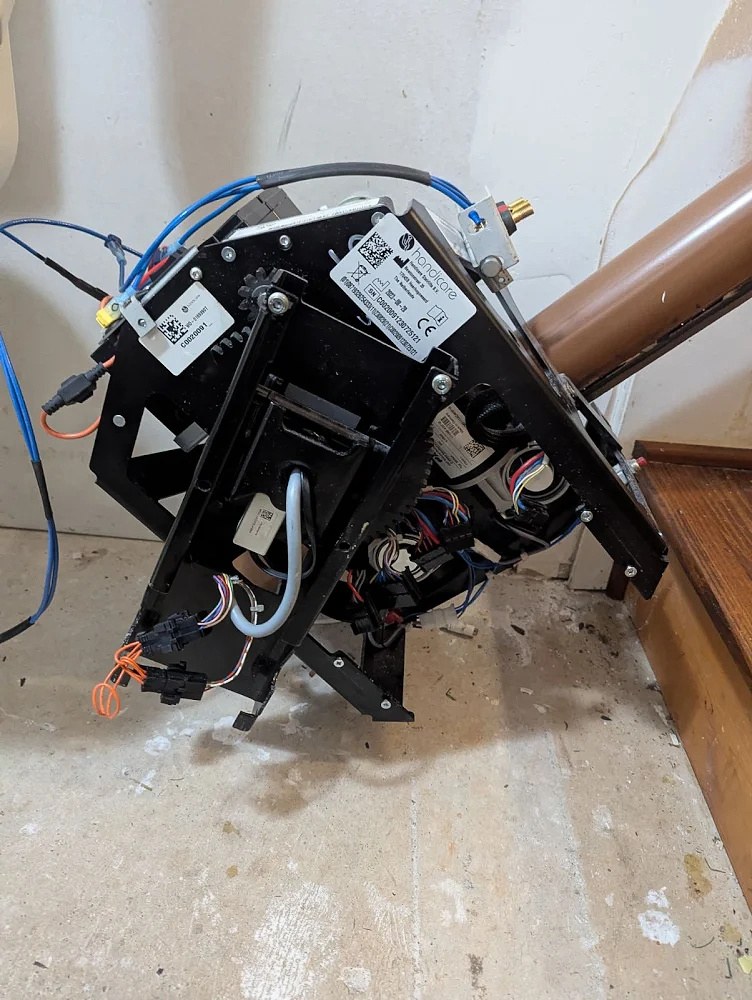
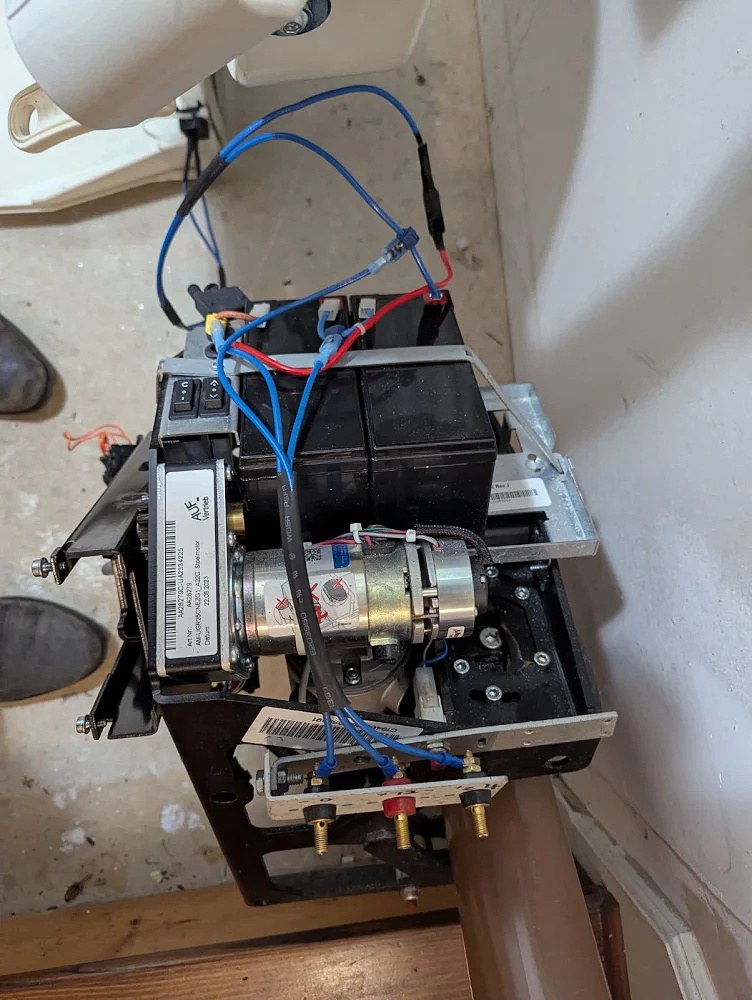
Carrying several lines means the equipment gets matched to the situation rather than the situation getting matched to the equipment.
A conversation about the person, the building or the fleet, and the budget. Free, and with no obligation to buy anything.
A technician surveys the site in person and gives you a written scope, so the price you agree to is the price of the job.
Factory-certified technicians install and commission the equipment, and stay until everyone who has to operate it can.
Maintenance and repair for as long as you own the equipment, from the people who put it in. Scheduled preventive maintenance where a contract calls for it.
Anybody can sell equipment. Installing it legally, configuring it clinically, and servicing it afterward takes credentials that have to be earned and kept current. Here is what our team holds.
Licensed elevator mechanics, state by state. Residential elevators and platform lifts are regulated work in most jurisdictions, and this is the license that makes it legal to do.
RESNA-recognized credential for evaluating a person's needs and specifying the assistive technology that fits. This is who you want configuring a power chair or a seating system.
The credential for supplying individually configured complex rehab. It is what separates a supplier who works alongside your clinical team from one who ships a box.
Training in modifying a home so someone can stay in it. It is the difference between installing equipment and understanding the house it goes into.
Industry service certification covering installation, maintenance, and repair standards across mobility equipment.
Federal certification for handling refrigerant in vehicle air conditioning. It is required to legally service a bus AC system, and it is why fleet work is something we can actually take on.
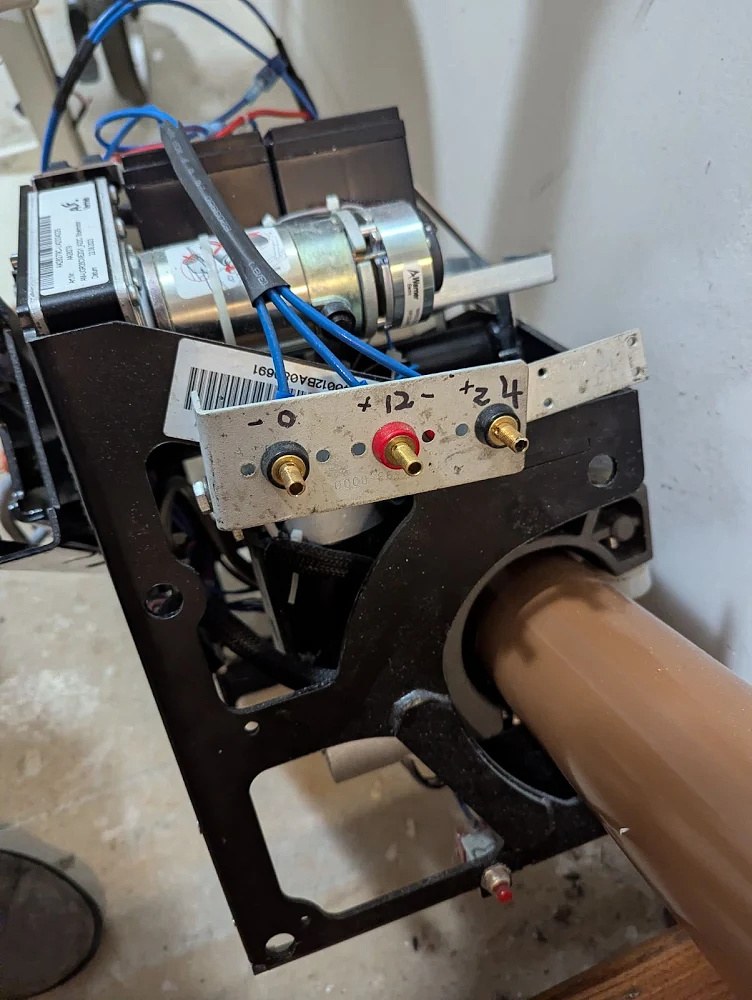
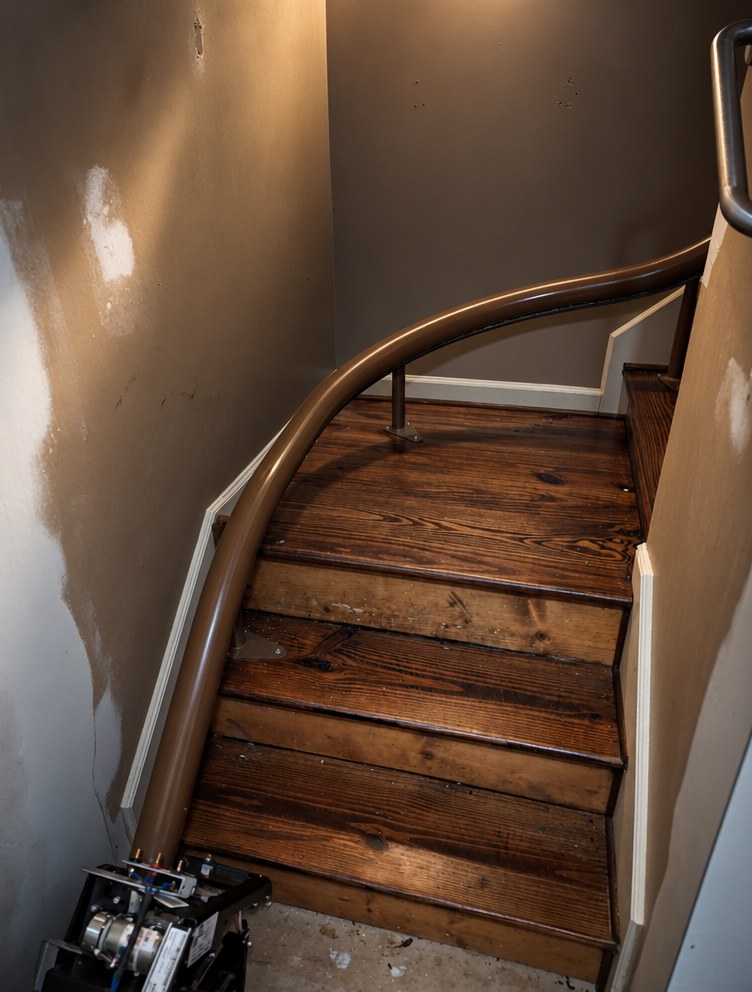
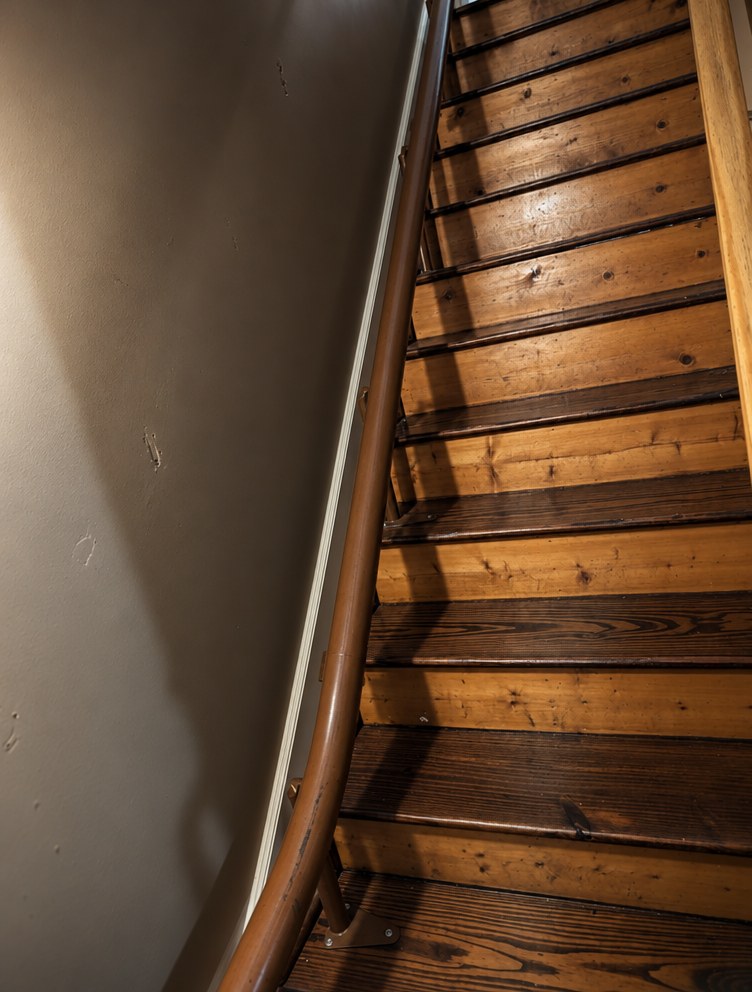
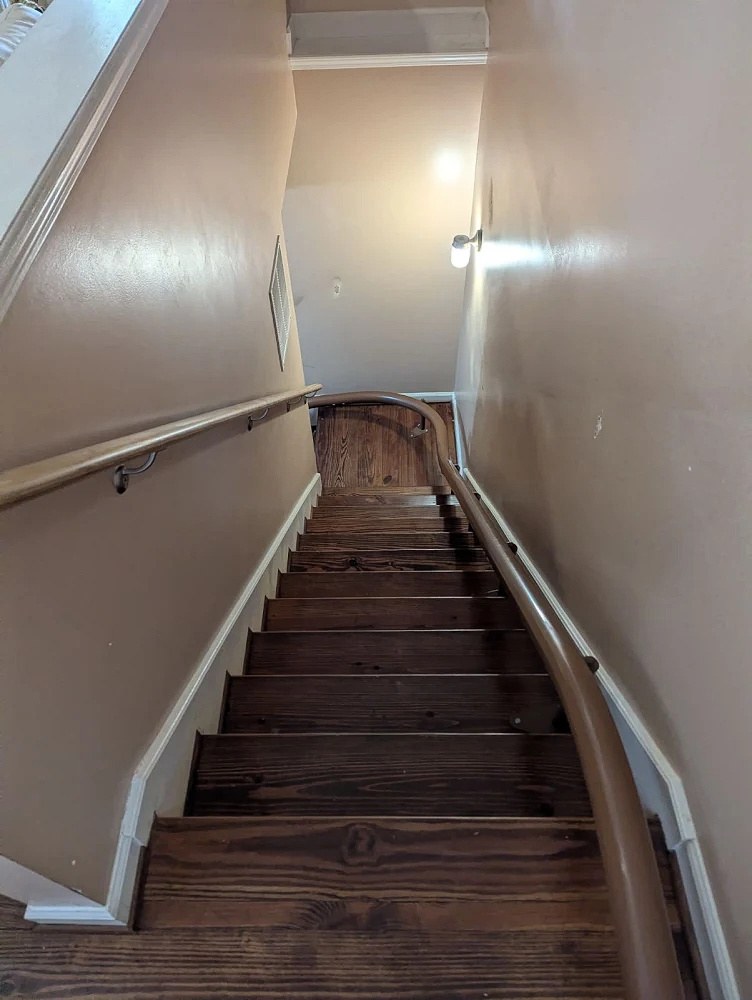
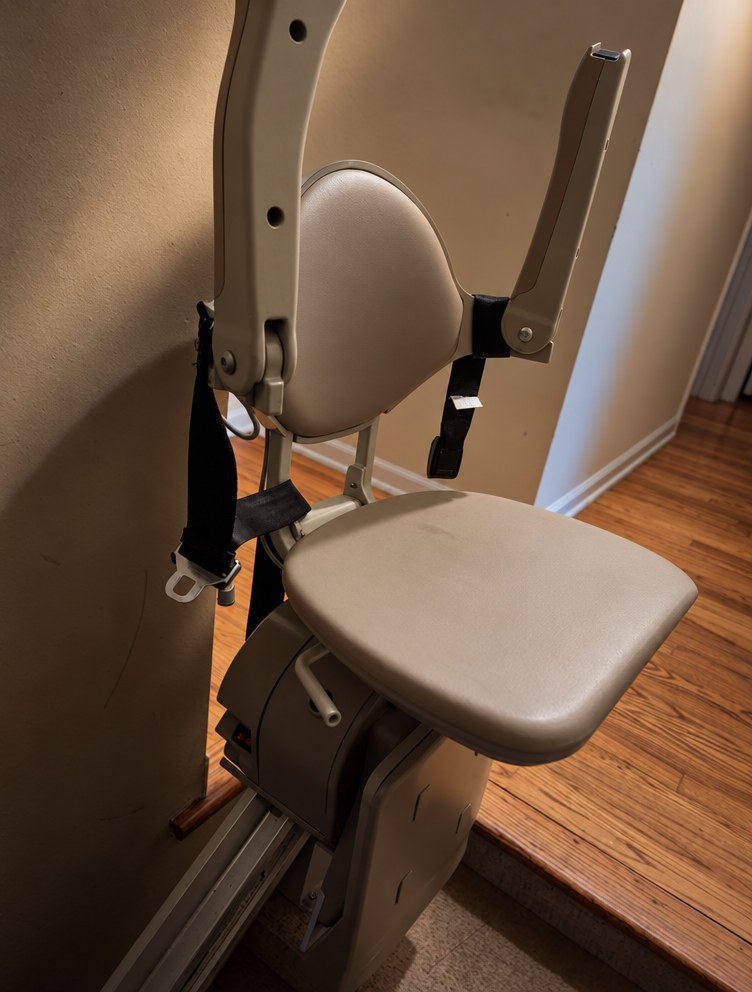
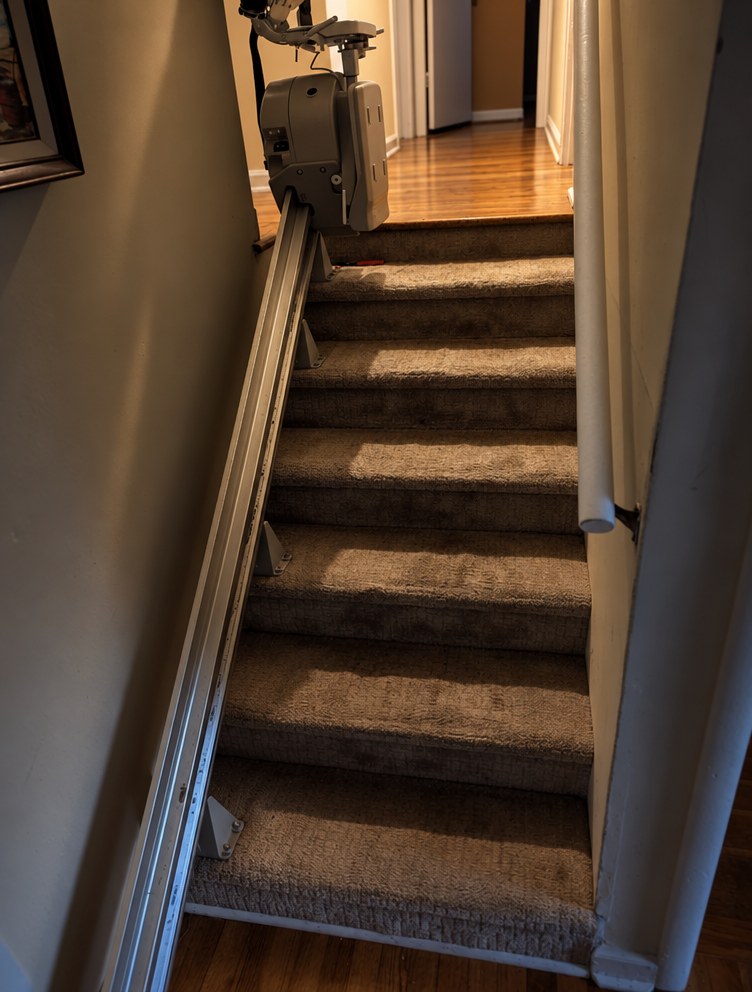
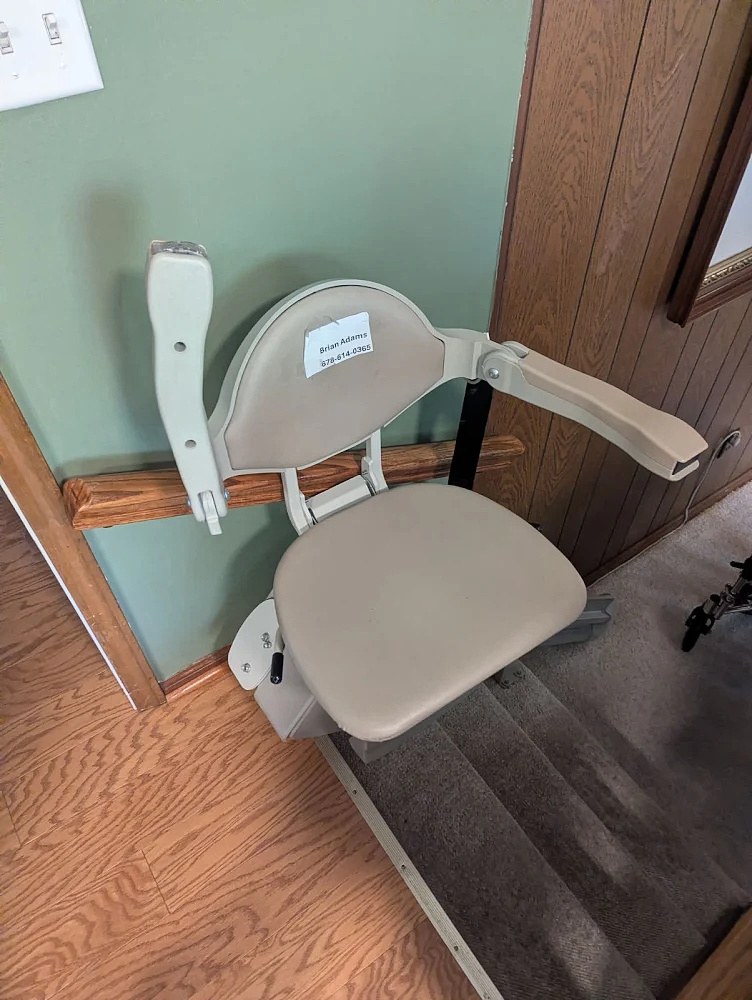
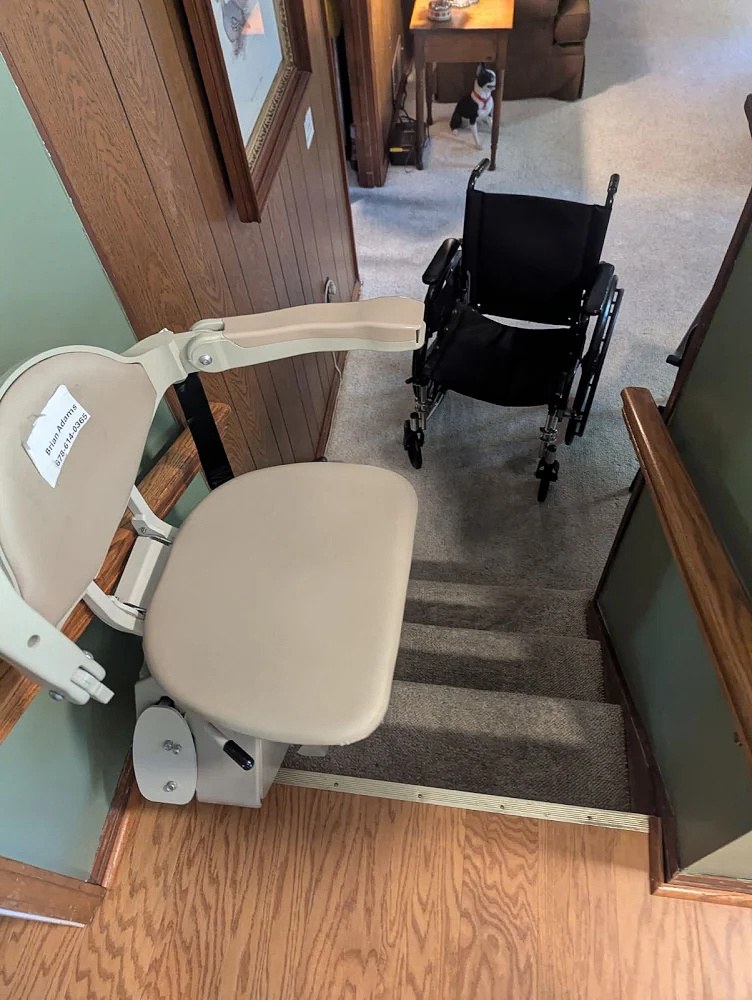
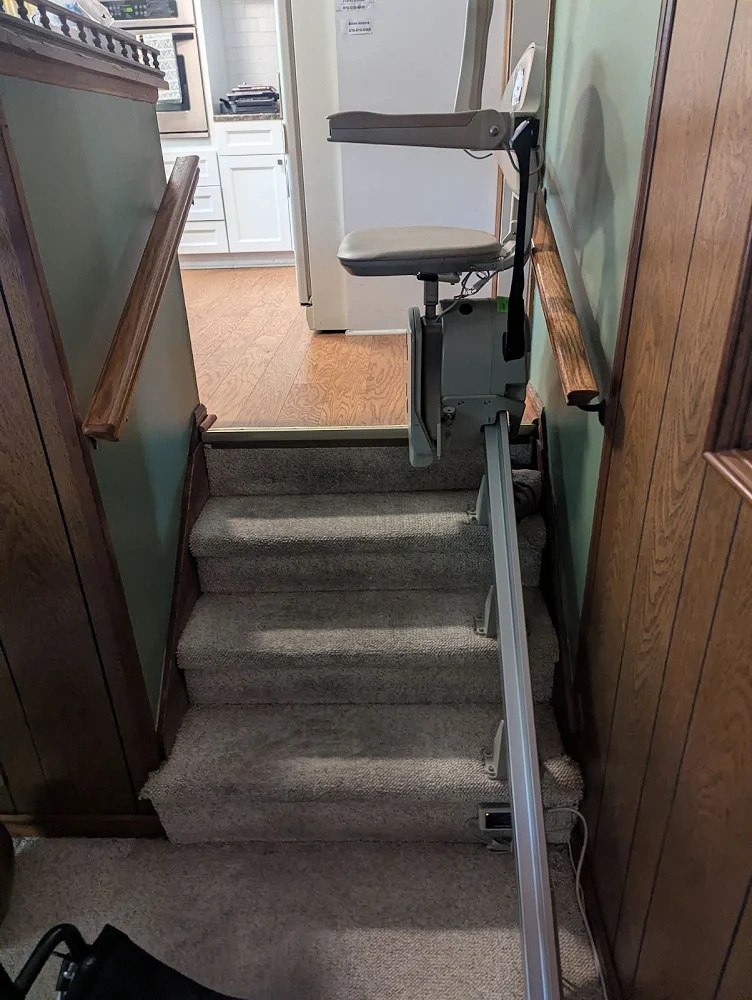
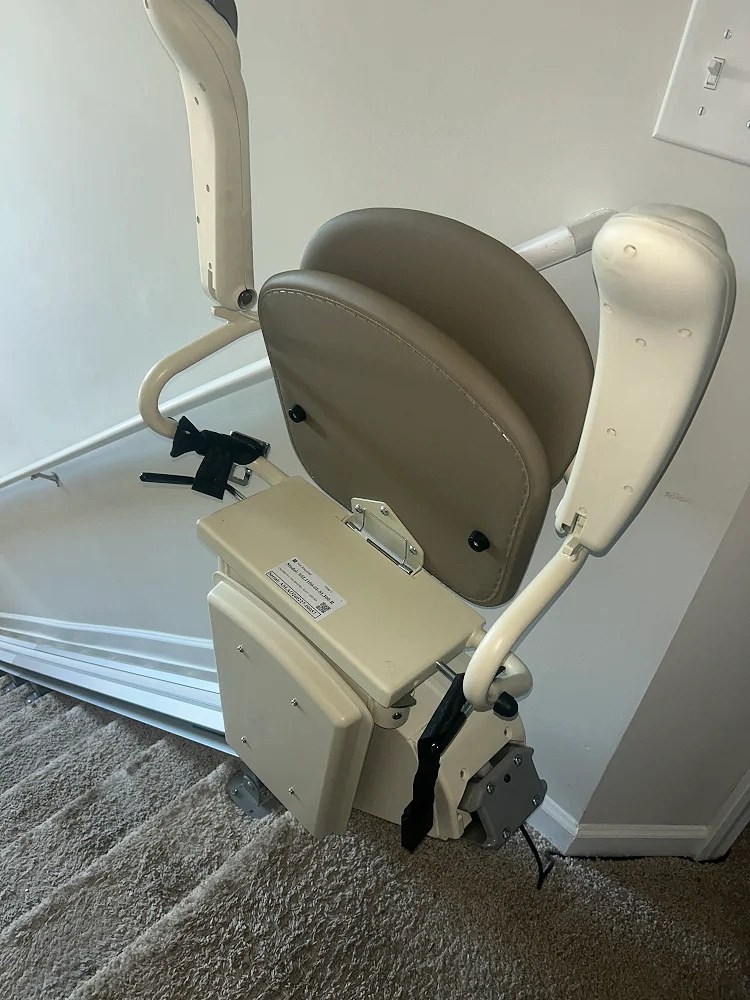
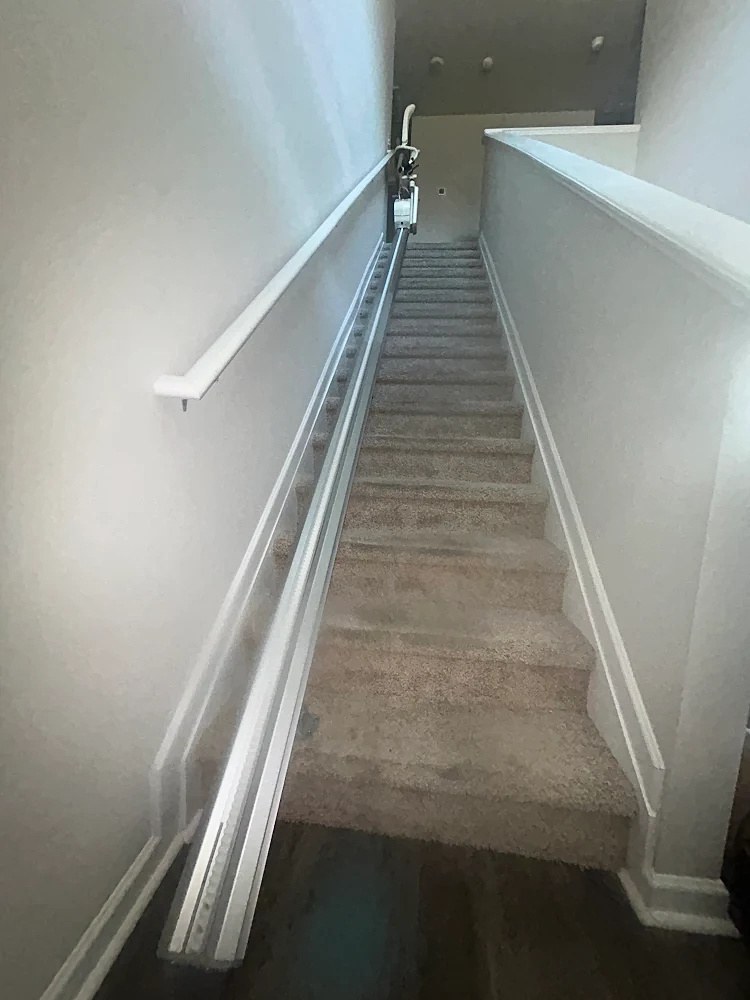
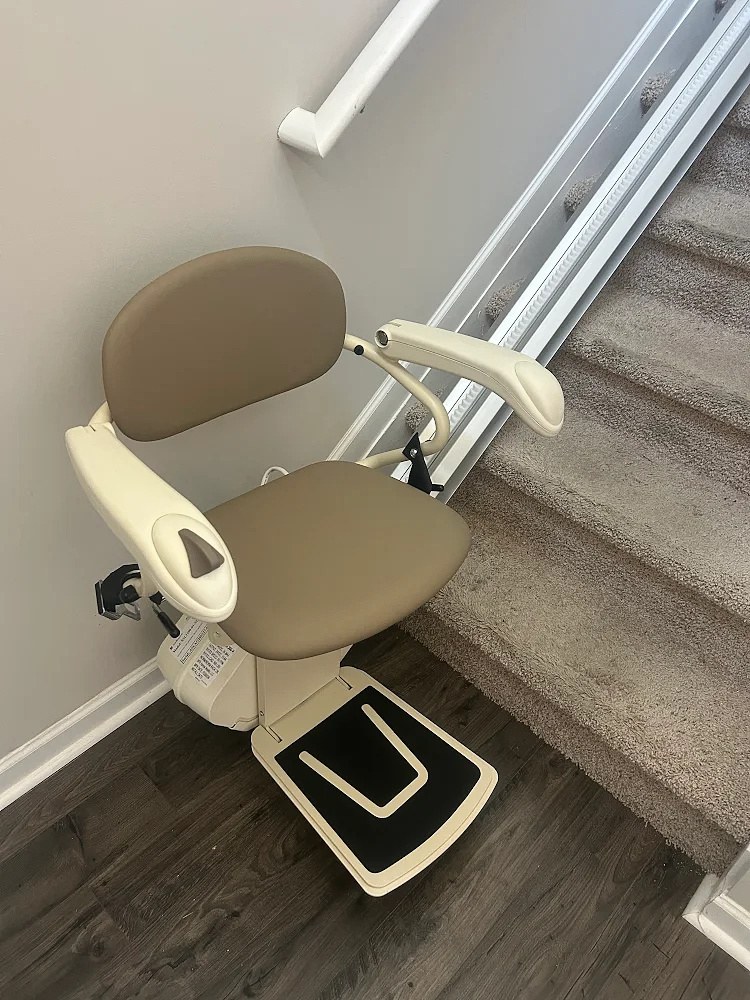
Real work in real homes and buildings, photographed on the day.
What Our Customers Say
Pulled directly from our verified Google reviews. We respond to every single one.
Customer reviews on Google
Mason is a wonderful service technician! We live in “rural country” of NE Georgia and he drove all this way to get my Dad’s chair lift up and running. Thank you, Mason AND Custom Mobility!
As a fellow business owner, I have seen this company do all of their work with as much professionalism and tact as any that I have ever encountered. I thoroughly enjoy actually witnessing people who care about their work and show it through their actions, and the owner at Customer Mobility is the ep…
My Service Technician is truly the best! He responded within a day and he fixed the chairlift in less than an hour! It’s reassuring to know that we can depend upon Custom Mobility!
It is individually configured mobility and seating for people whose needs a standard chair cannot meet. If a clinician has raised custom seating, tilt, recline, or specialized positioning, that is complex rehab. Our ATPs work with your therapist to specify it.
Yes. Paediatric positioning, floor sitters, corner chairs, standing frames, and school tables are part of what we carry.
Yes. Shower benches and chairs for someone who can transfer, and shower trolleys or stretchers where lying down is the only safe option, along with grab bars and barrier-free access.
We do not yet bill health insurance. We do work with VA contracts, Medicaid depending on the state and program, financing, homeowners insurance claims where equipment has been damaged, and workers compensation after a work-related injury. Tell us your situation and we will say plainly which of those applies.
Yes. Come to the showroom or ask for an in-home evaluation.
Yes, including batteries, tires, controllers, seating adjustments, and warranty work.
Yes. Our ATPs and CRTS specify seating and positioning with your clinical team where there is one. Equipment chosen without measuring the person is what gets abandoned in a hallway.
Ask this at the start rather than after delivery. Folding and travel models go in a trunk. A full-size chair needs a vehicle lift or a conversion, and we do those too.
A free survey, a written scope, and a number that does not move afterward.