
About Us
Thirty-five years of getting people up the stairs.
My Mobility Center sells, installs, and services mobility and accessibility equipment. Our Georgia location has been doing this work since 1990.
What we do
We sell, install, and service the equipment that gets people through a doorway, up a staircase, into a bathroom, and into a vehicle. Stairlifts, elevators, platform lifts, ramps, door operators, power mobility, complex rehab seating, patient lifts, vehicle conversions, and adaptive driving controls.
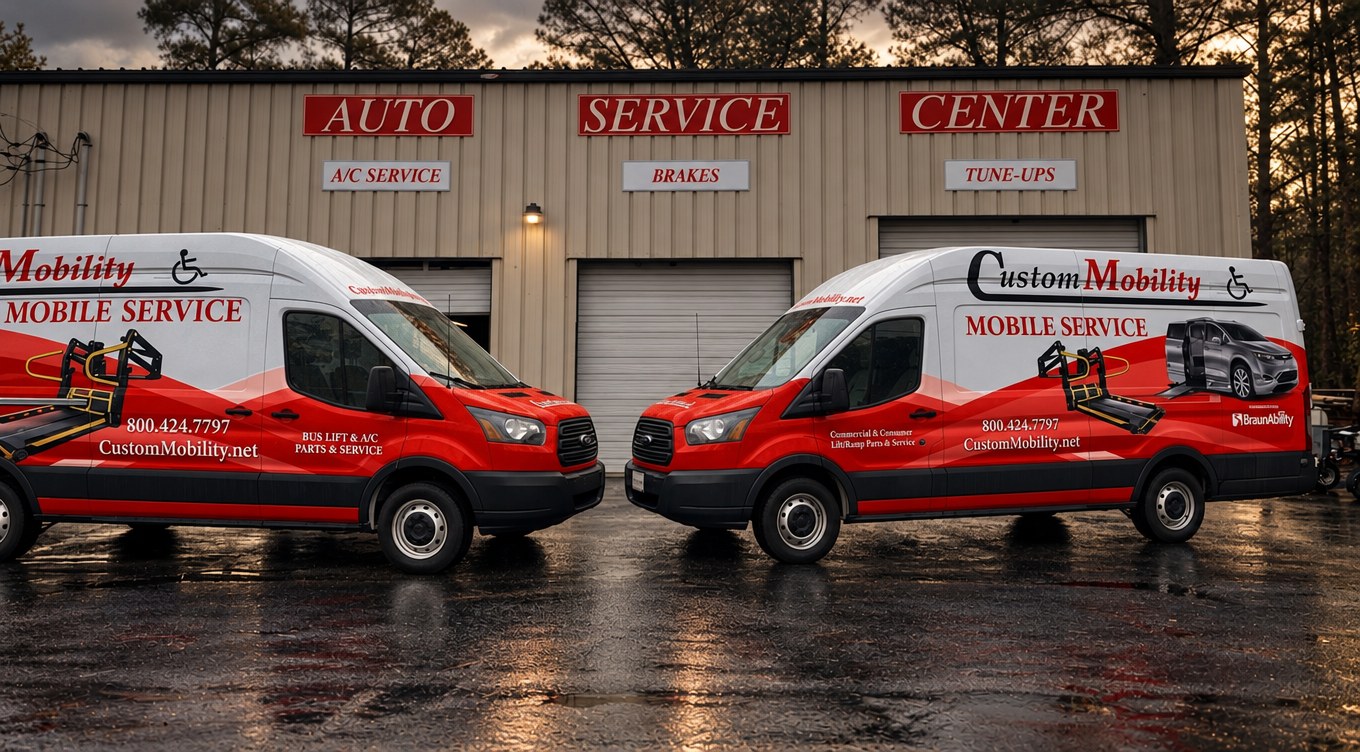
We also service wheelchair lifts and air conditioning on school district and transit fleets. Those two halves of the business are not as separate as they look. The discipline a state audit demands of fleet work is the discipline we bring to a house.
The history
The company began in 1990 as Make-A-Way Corporation, building wheelchair-accessible vehicles and custom wheelchairs. It grew into a regional dealer covering vehicles, home access, and fleet service across the Southeast.
In 2024 the company was purchased by its current owners, who have been building on it since. The heritage we inherited is real. The work is ours.
How we are built
Our technicians are our employees. The person who surveys your home works for the same company as the person who installs the equipment and the person who comes back to service it. That is the whole model, and it is the reason we can put a written scope in front of you and then honor it.
Every one of those technicians is mobile. That is not a compromise made for distance, it is the design. It means the question of whether we can serve an address is a scheduling question rather than a territory question, and it is why we work in 33 states rather than in a radius around a shop.
Why the two halves of the business belong together
Home access and fleet service look like different companies to most people in this industry, and most companies do one or the other. Doing both changes how we work.
Fleet contracts are inspected. A state DOT audit does not care how friendly the technician was; it wants the record. Working to that standard for years means the documentation habits, the parts discipline, and the scheduled maintenance thinking come with us into a house, where nobody is auditing anything and the customer simply gets the benefit.
It runs the other way too. Spending our days in living rooms with people who are frightened about losing their independence is a useful corrective for anyone who might otherwise treat a lift as a line item on a purchase order.
What we will not do
We do not quote over the phone, because that number is a guess designed to get an appointment. We do not sell equipment we cannot service. We do not take on work that needs a credential we do not hold, and we will tell you who does rather than improvise.


The work in numbers.
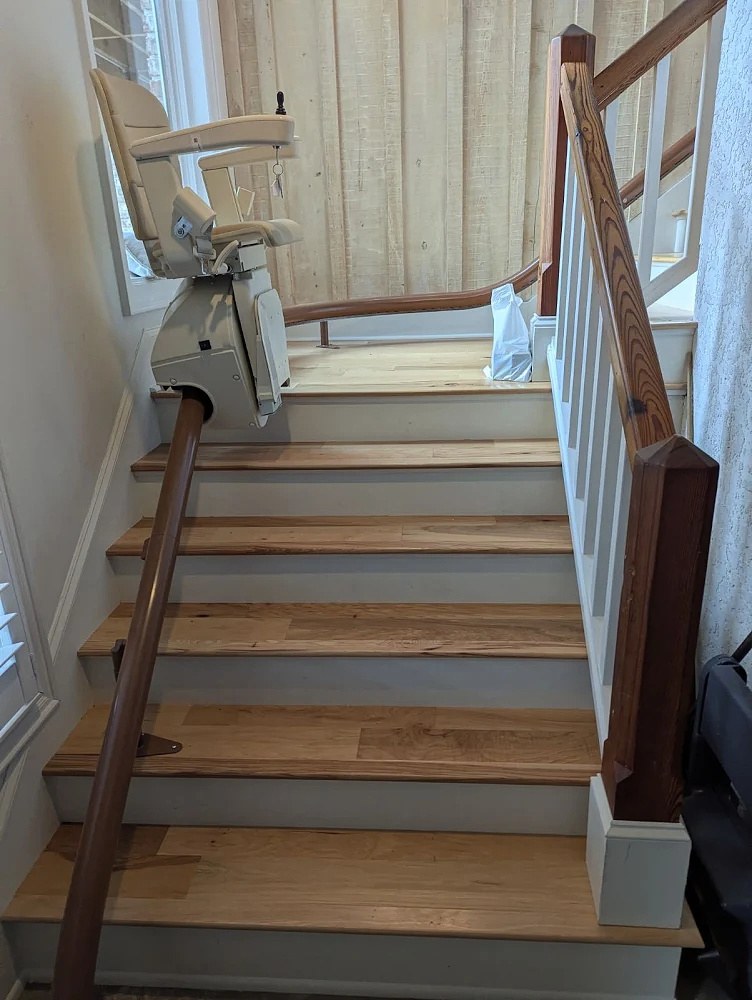
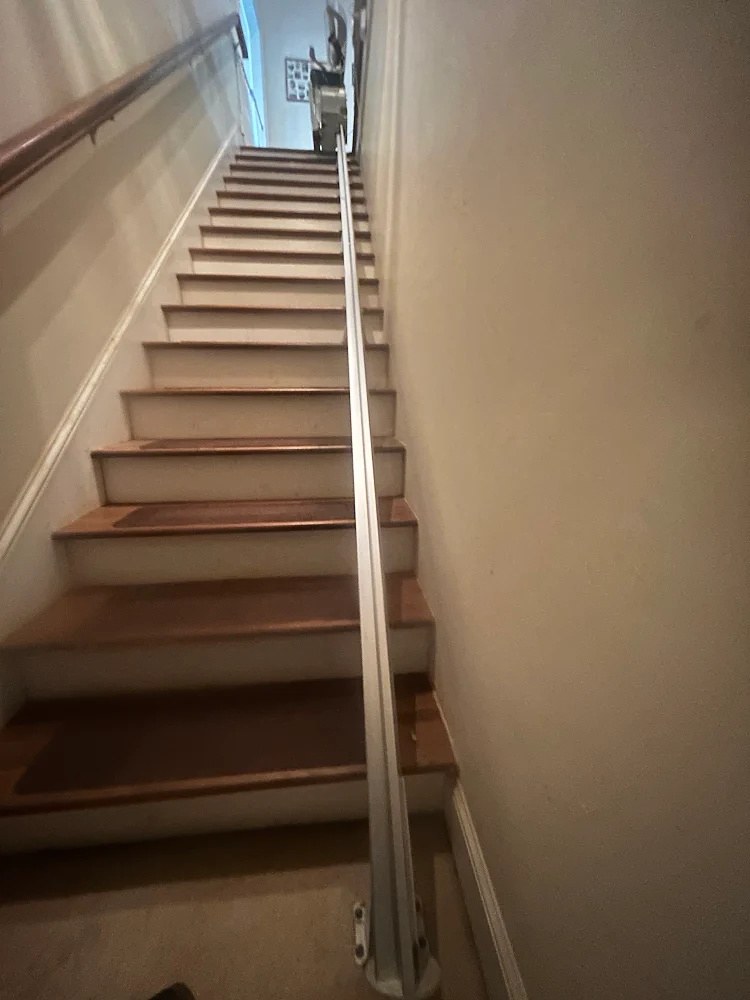
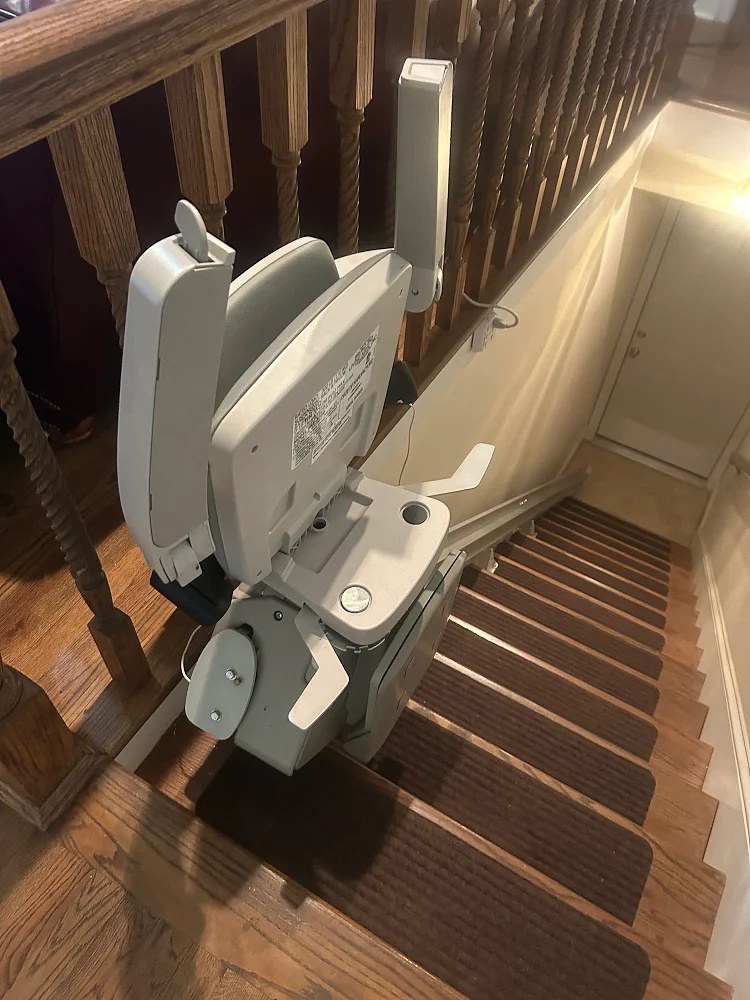
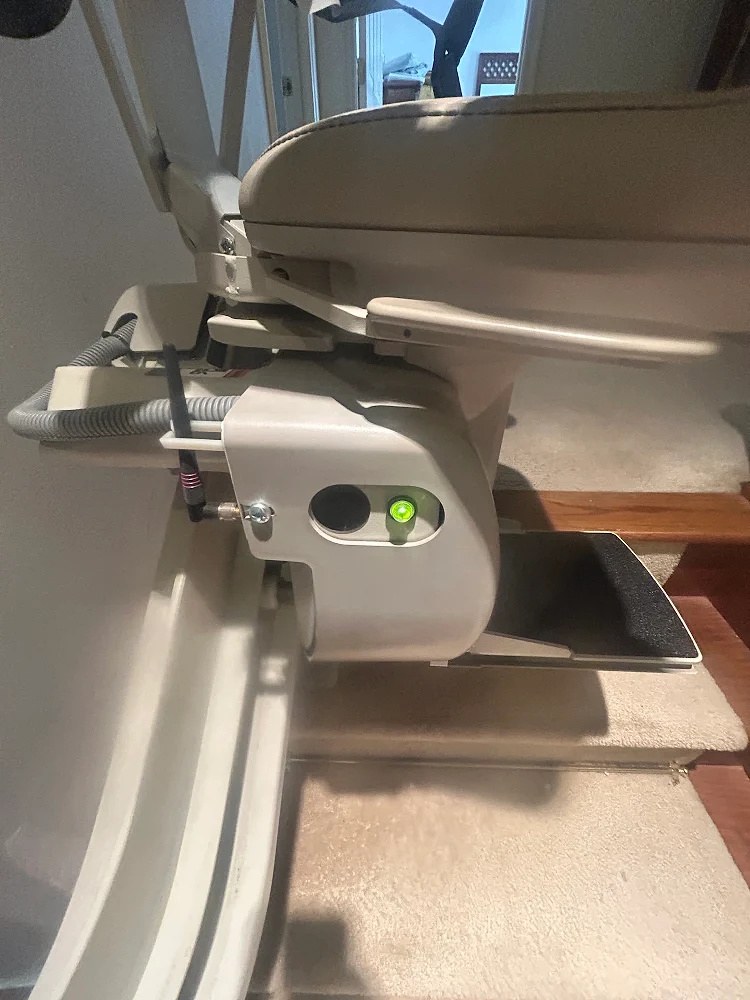
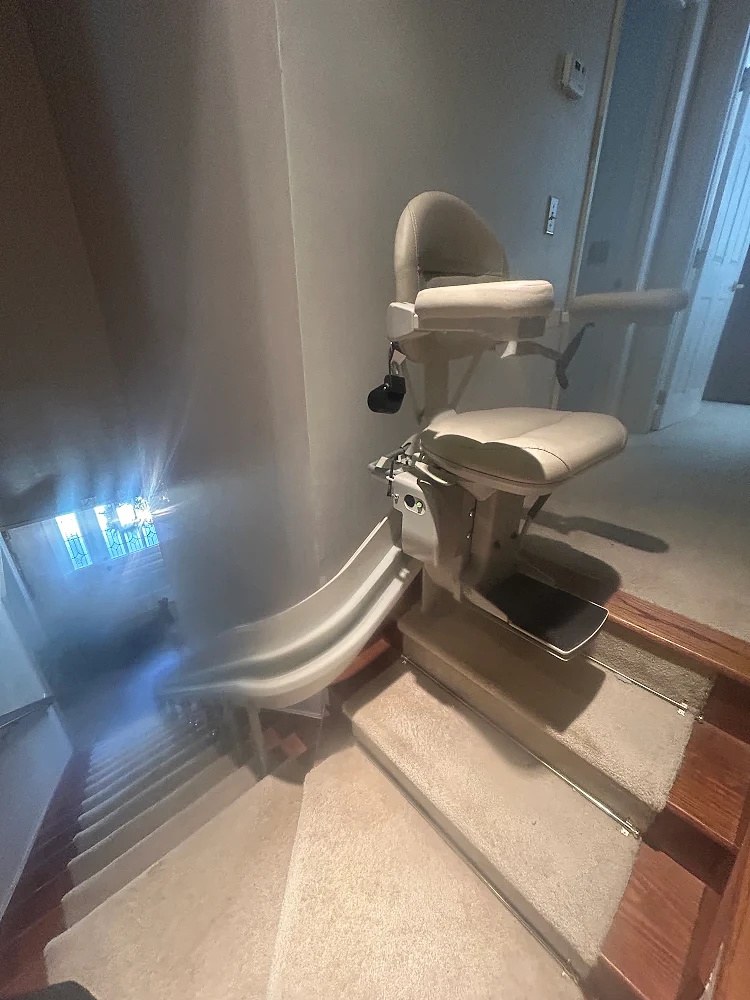
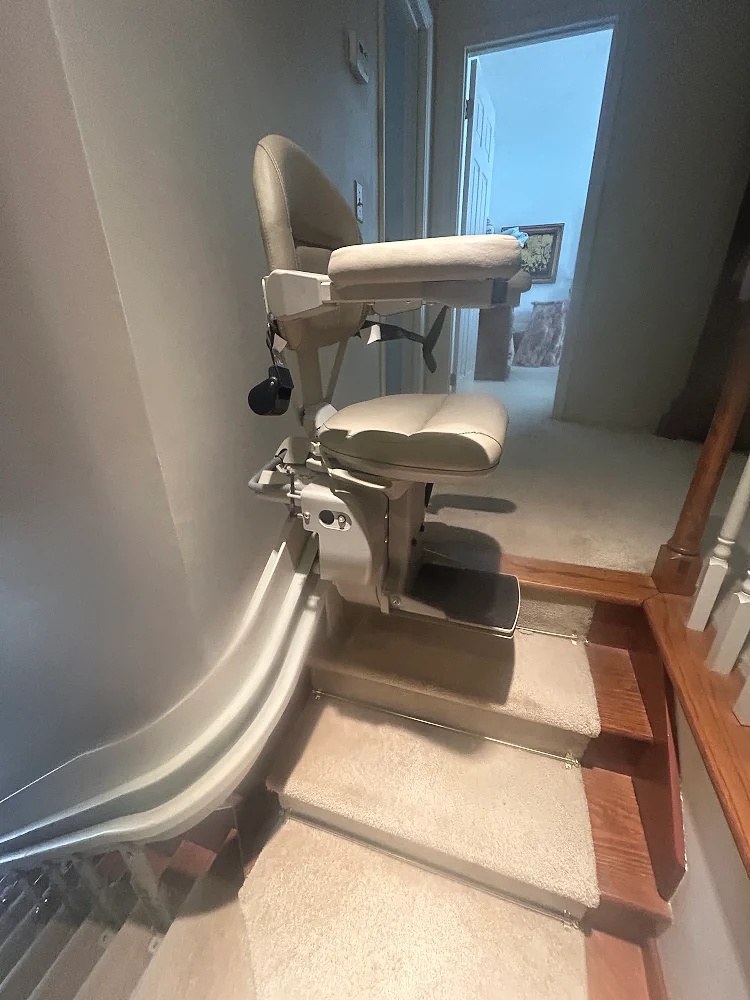
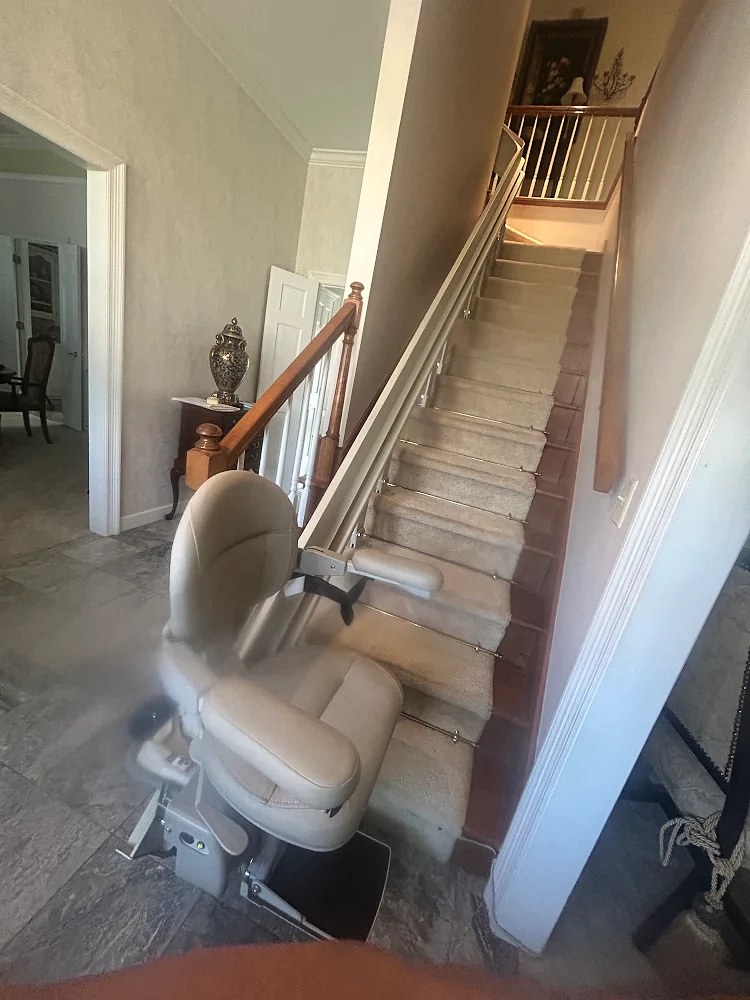
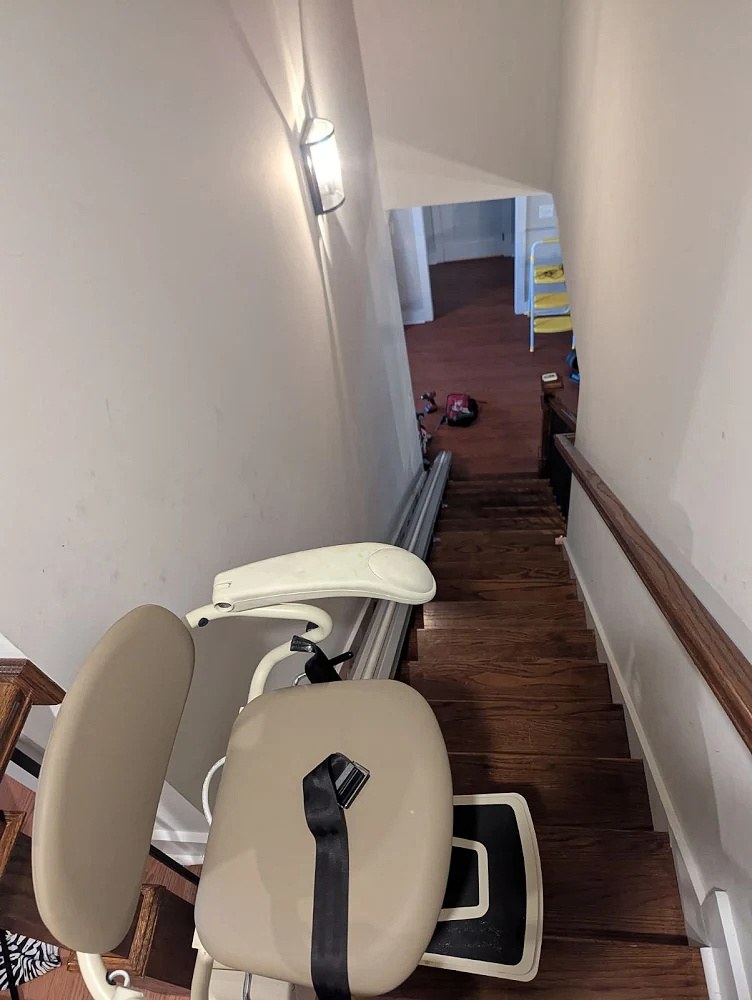
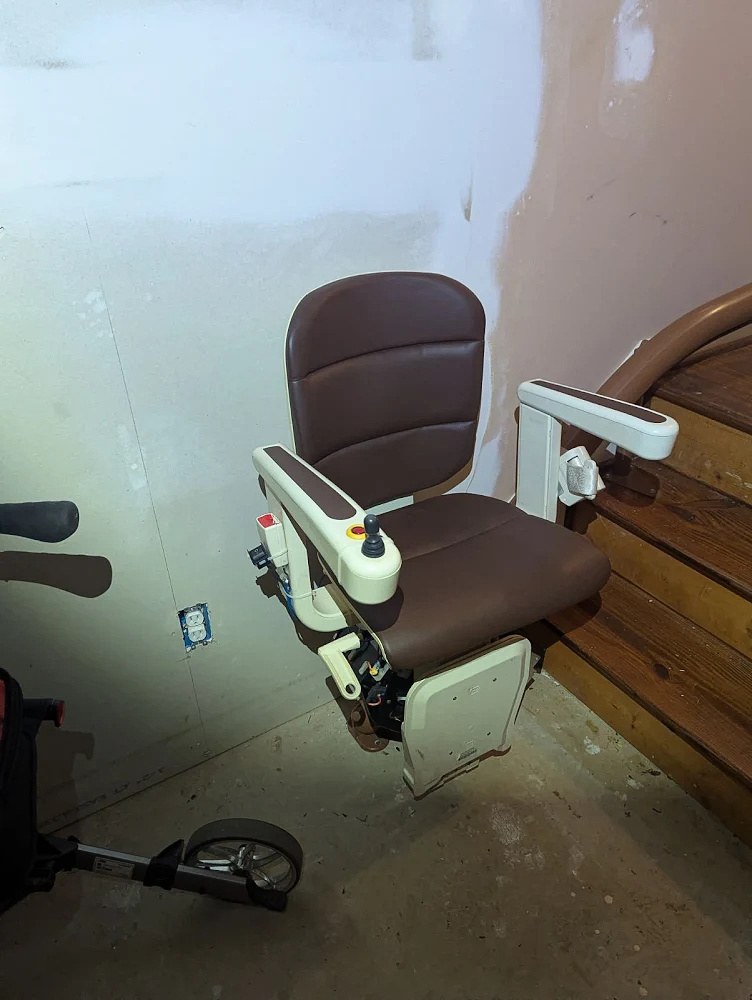
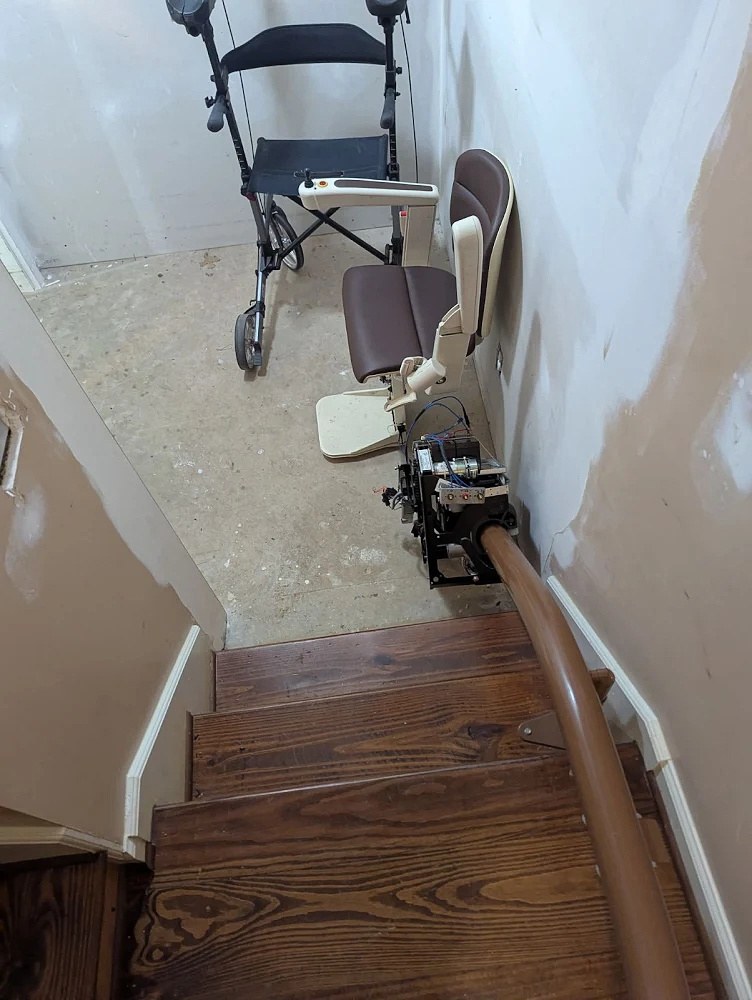
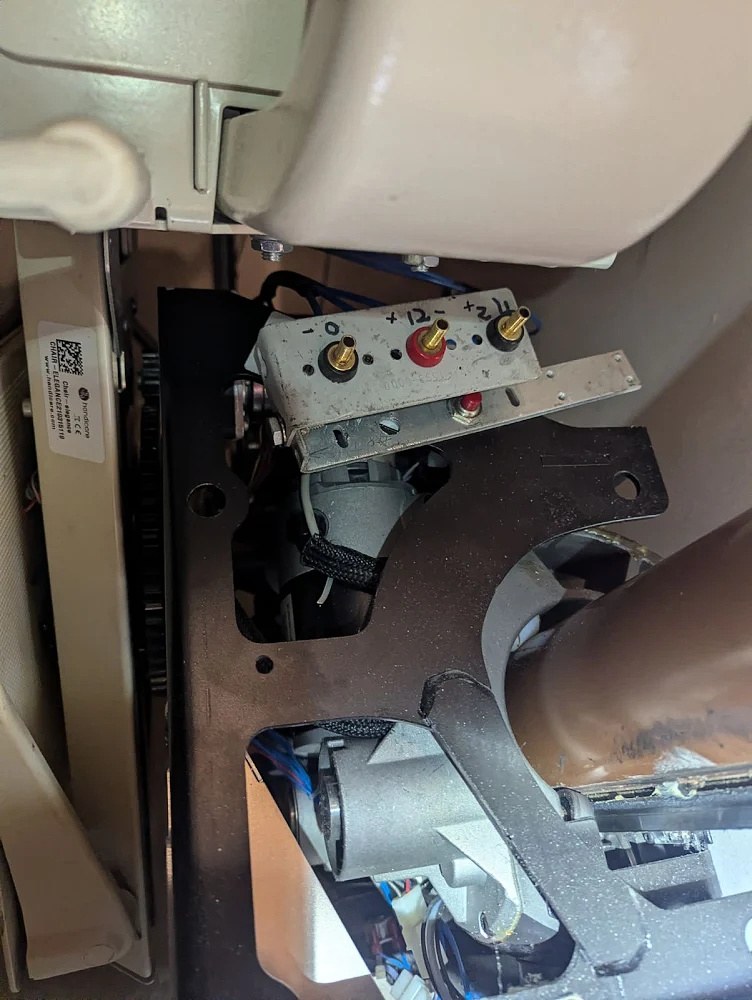
Recent Installations
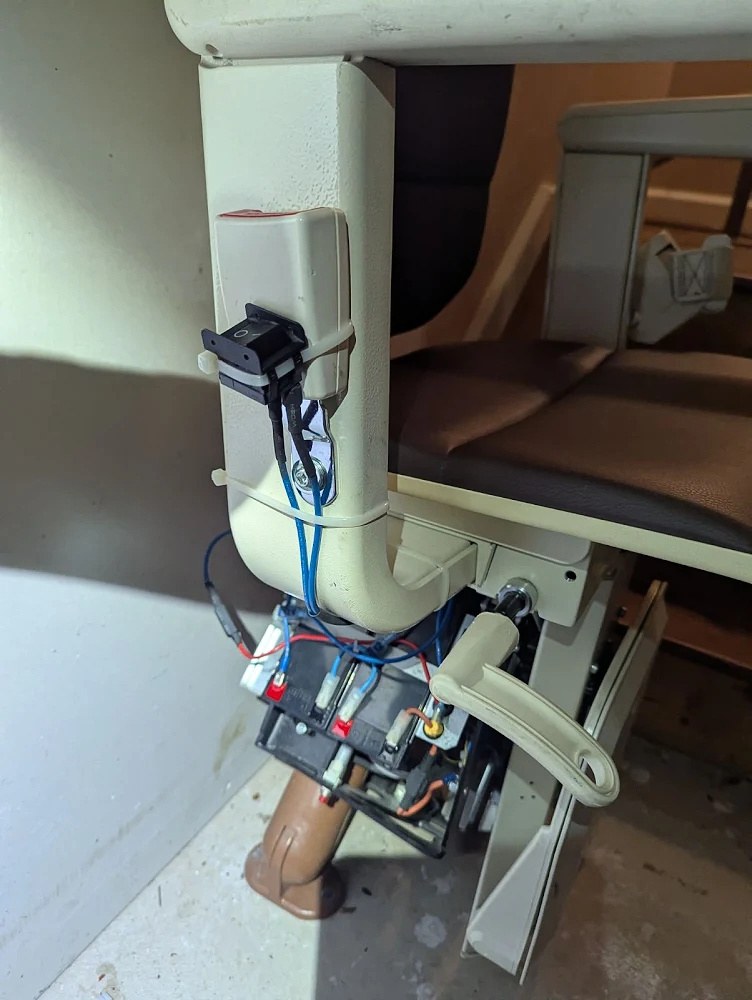
Real work in real homes and buildings, photographed on the day.
The Credentials Behind The Work
Anybody can sell equipment. Installing it legally, configuring it clinically, and servicing it afterward takes credentials that have to be earned and kept current. Here is what our team holds.
State Elevator Mechanic Licenses
Licensed elevator mechanics, state by state. Residential elevators and platform lifts are regulated work in most jurisdictions, and this is the license that makes it legal to do.
ATP, Assistive Technology Professional
RESNA-recognized credential for evaluating a person's needs and specifying the assistive technology that fits. This is who you want configuring a power chair or a seating system.
CRTS, Complex Rehab Technology Supplier
The credential for supplying individually configured complex rehab. It is what separates a supplier who works alongside your clinical team from one who ships a box.
CAPS, Certified Aging-in-Place Specialist
Training in modifying a home so someone can stay in it. It is the difference between installing equipment and understanding the house it goes into.
Mobility Service Excellence
Industry service certification covering installation, maintenance, and repair standards across mobility equipment.
EPA Section 609
Federal certification for handling refrigerant in vehicle air conditioning. It is required to legally service a bus AC system, and it is why fleet work is something we can actually take on.
How The Work Happens
Consultation
A conversation about the person, the building or the fleet, and the budget. Free, and with no obligation to buy anything.
Site survey
A technician surveys the site in person and gives you a written scope, so the price you agree to is the price of the job.
Installation
Factory-certified technicians install and commission the equipment, and stay until everyone who has to operate it can.
Service
Maintenance and repair for as long as you own the equipment, from the people who put it in. Scheduled preventive maintenance where a contract calls for it.
About questions.
How long have you been in business?
Founded in 1990 and operating continuously since. The current owners purchased the company in 2024 and have been building on it.
Are you a franchise?
No. My Mobility Center is family-owned and the technicians are our employees.
Why do you do both home access and fleet work?
Because each makes the other better. Fleet contracts are audited, which builds documentation and maintenance discipline that we carry into houses where nobody is auditing anything. And spending our days with families worried about losing their independence keeps a lift from becoming a line item.
What will you not take on?
Work that needs a credential we do not hold, and equipment we cannot service afterward. We will tell you who does it instead rather than improvise.
Start With A Free Consultation
Someone comes out, looks at the space, and tells you what it would take. No charge, no obligation.