VA Programs
A federal contractor and approved vendor to the VA. We cannot tell you what the VA will pay for, only what we have been contracted to supply before. There is a page on how it runs.

Free Consultation | Estimate
A mobility specialist will contact you shortly. All consultations, estimates, and scopes of work are provided completely free of charge. No pressure or obligation.
Most people cannot name the product they need, and there is no reason they should. Point at the part of the house instead.
Steps up to the door, a threshold that catches a wheel, a door too heavy to hold open.
The bedroom and the proper bathroom are upstairs, and the stairs have become a decision several times a day.
Getting in and out of the bath or shower, and standing up again. Most falls at home happen in this room.
Getting out of a chair without help, and getting from room to room without holding the furniture.
The chair will not go in the trunk, or getting into the seat has become the hard part of every trip.
Equipment for the house and for the car, surveyed and fitted by our own technicians. Open a card to see what is in it.
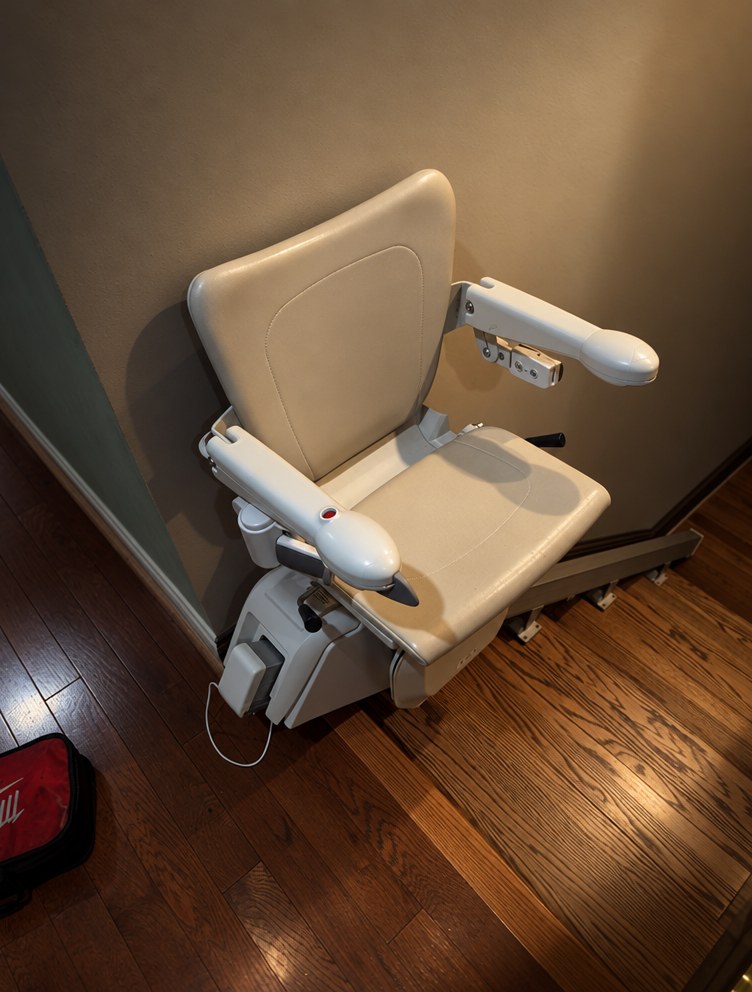
Straight, curved, and outdoor stairlifts, measured, installed, and serviced by credentialed technicians.
Wheelchair platform lifts for homes, businesses, and outdoor entrances.
All vertical platform liftsResidential elevators and through-floor lifts engineered to the home and built to code.
All elevatorsRamps, automatic door openers, ceiling lift tracks, and access infrastructure for homes and businesses.
All home & commercial accessPower mobility, complex rehab and seating, standing frames, showering and changing equipment, patient lifts, and home medical. Configured by ATPs and CRTS on staff.
Scooter and wheelchair lifts, hand controls, left foot accelerators, passenger brakes, transfer seats, securement, and fleet lift and bus air conditioning service.
Tell us which of these is you and the list gets shorter. We do not yet bill health insurance, though property and workers compensation claims are a different matter and have paid for this equipment before.
A federal contractor and approved vendor to the VA. We cannot tell you what the VA will pay for, only what we have been contracted to supply before. There is a page on how it runs.
Some equipment is covered under Medicaid depending on the state and the program. We will tell you honestly whether yours is likely to be, rather than start paperwork that goes nowhere.
Where equipment has been damaged by a storm, a power surge, or similar, homeowners policies have paid to replace stairlifts and platform lifts. If yours has been damaged, start a claim and tell us the claim number.
After a work-related injury, workers compensation has paid for stairlifts and platform lifts to be installed. If you have an open claim, tell us on the first call and we will work with your adjuster.
Financing is available so a job can be paid monthly rather than at once. Ask at the quote and we will lay out what the payments would actually be.
We do not yet bill health insurance. Homeowners and workers compensation claims are handled differently and we have worked with both. If that changes we will say so here.
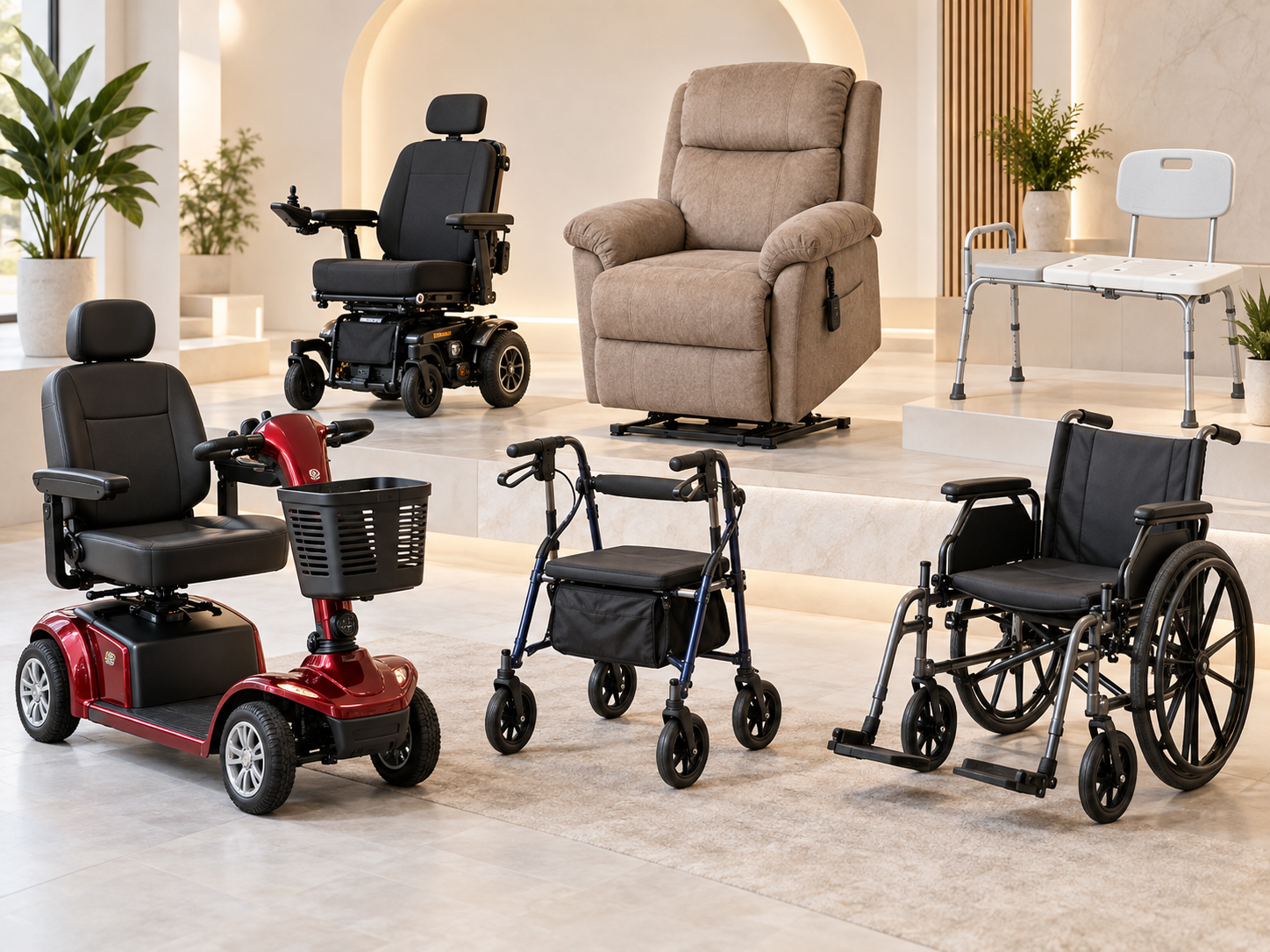
The online store
Not everything needs a site survey and a written scope. If you know what you want, or you would rather browse than talk to anybody yet, our store lists every product line we carry, with prices.
Stairlifts, elevators, platform lifts, and vehicle lifts are surveyed and installed rather than shipped, so those live on their own pages. Everything below is in the store.
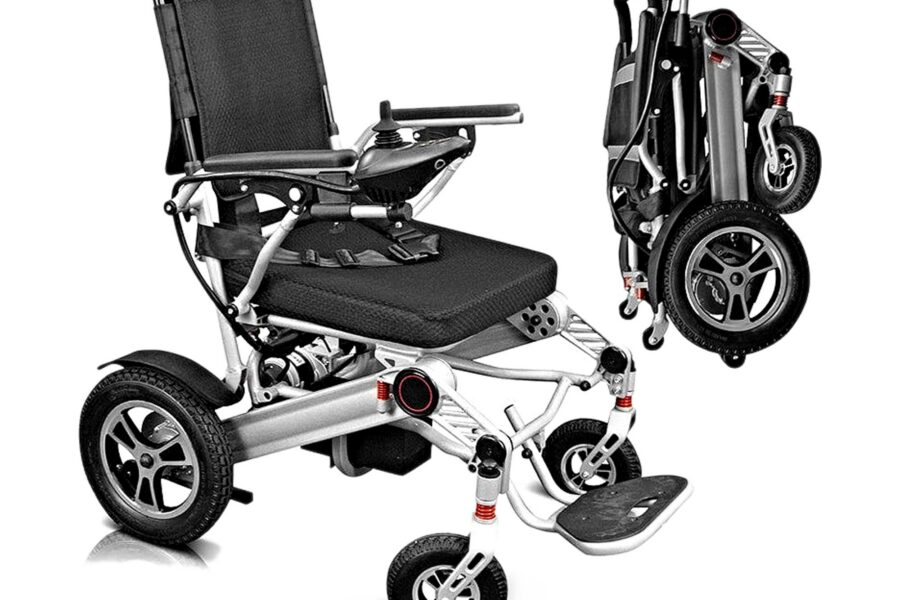 Power Wheelchairs
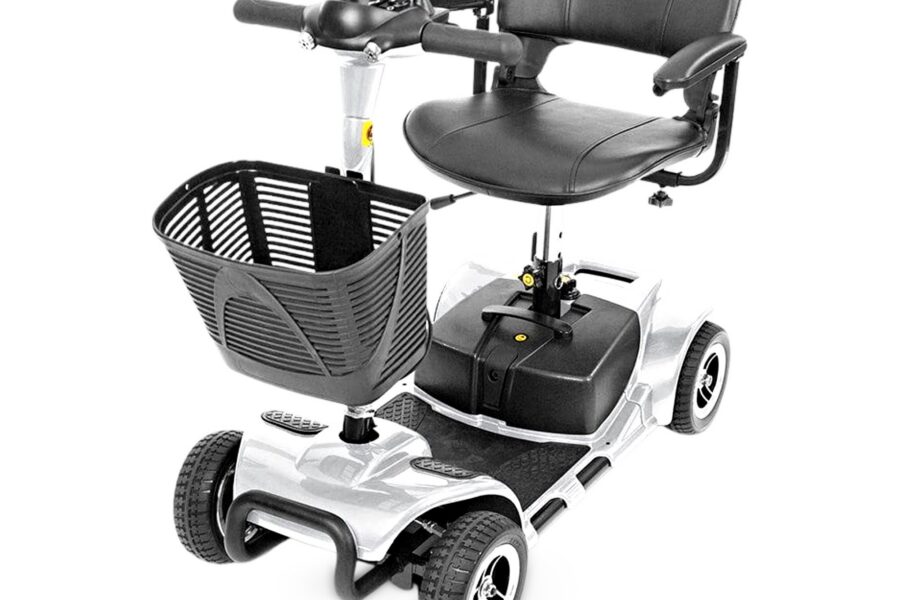 Mobility Scooters
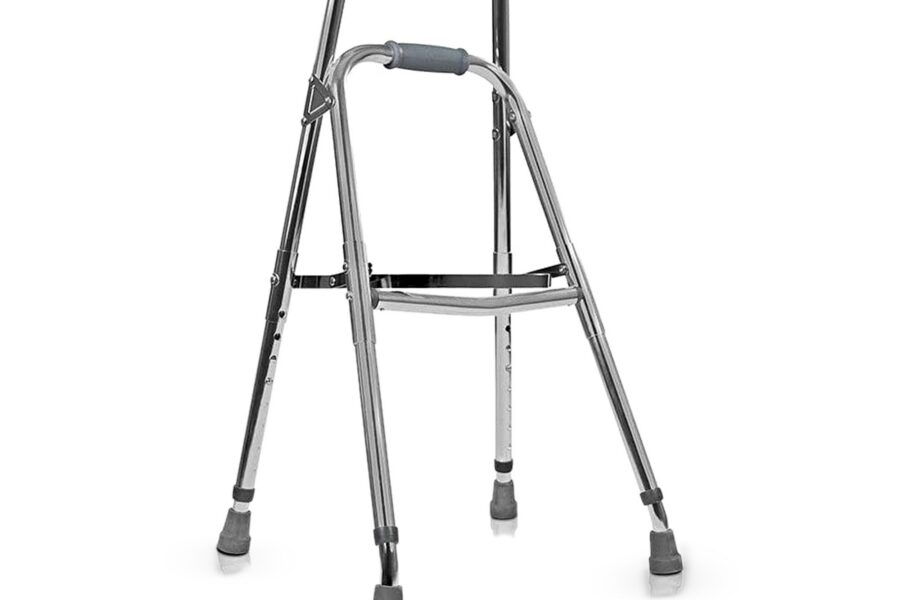 Wheelchairs
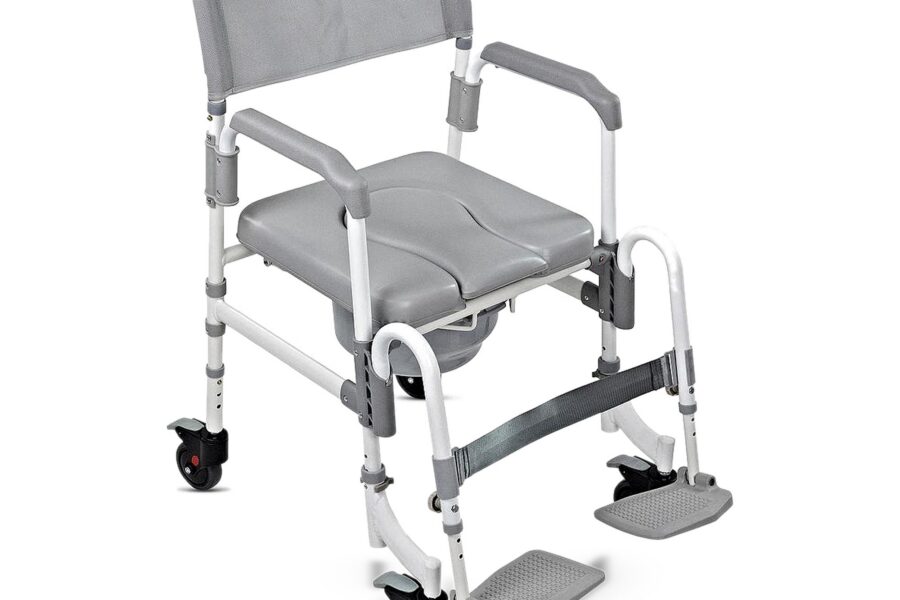 Walkers & Rollators
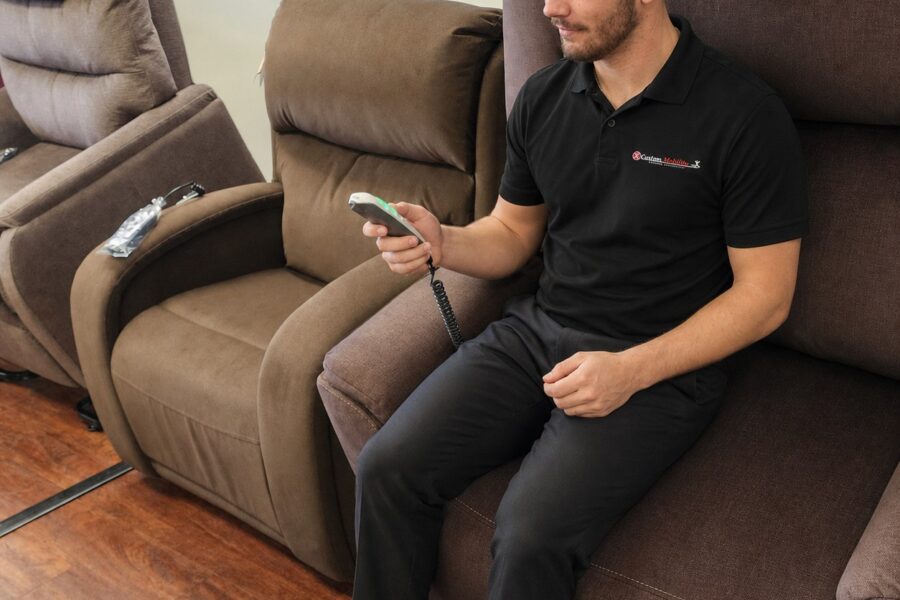 Lift Recliners
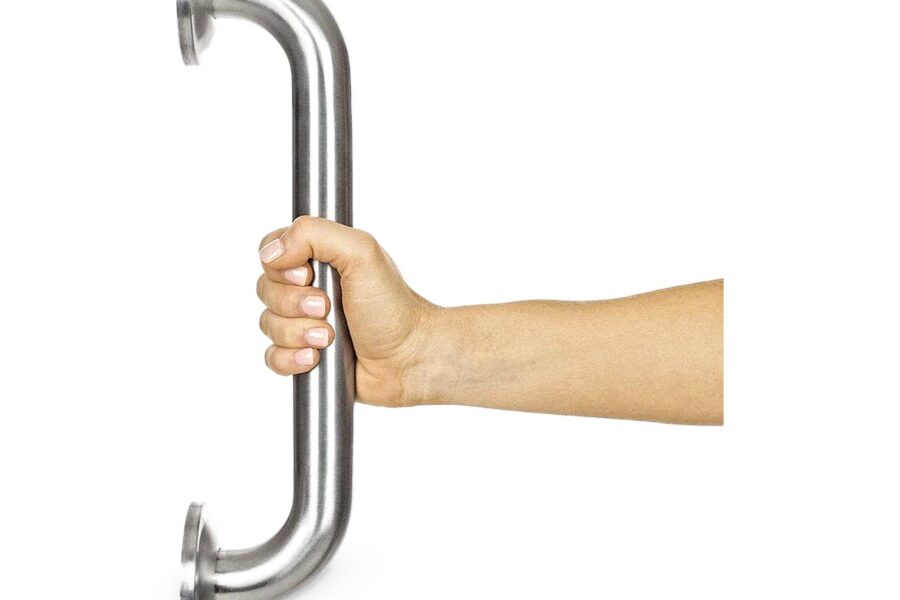
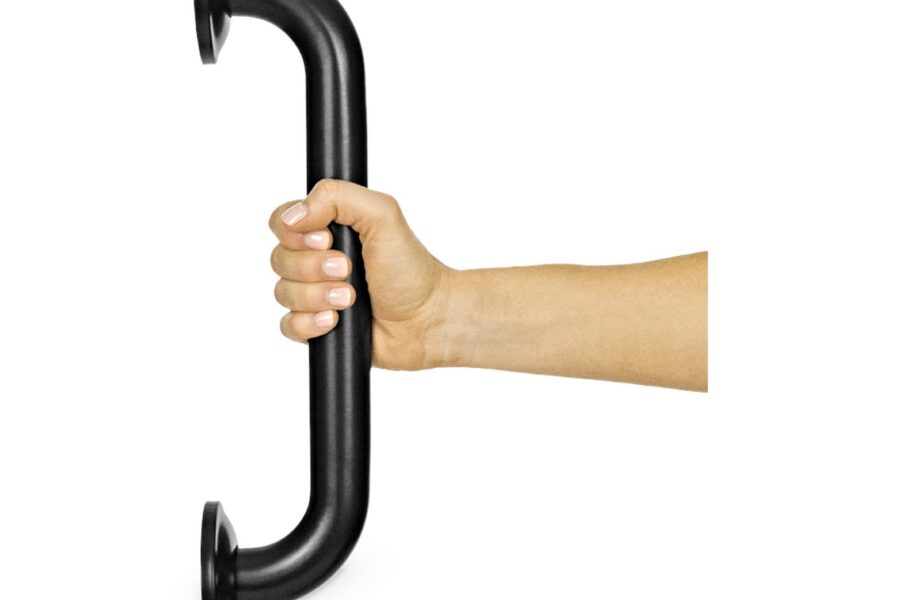 Bathroom Safety
 Changing & Showering
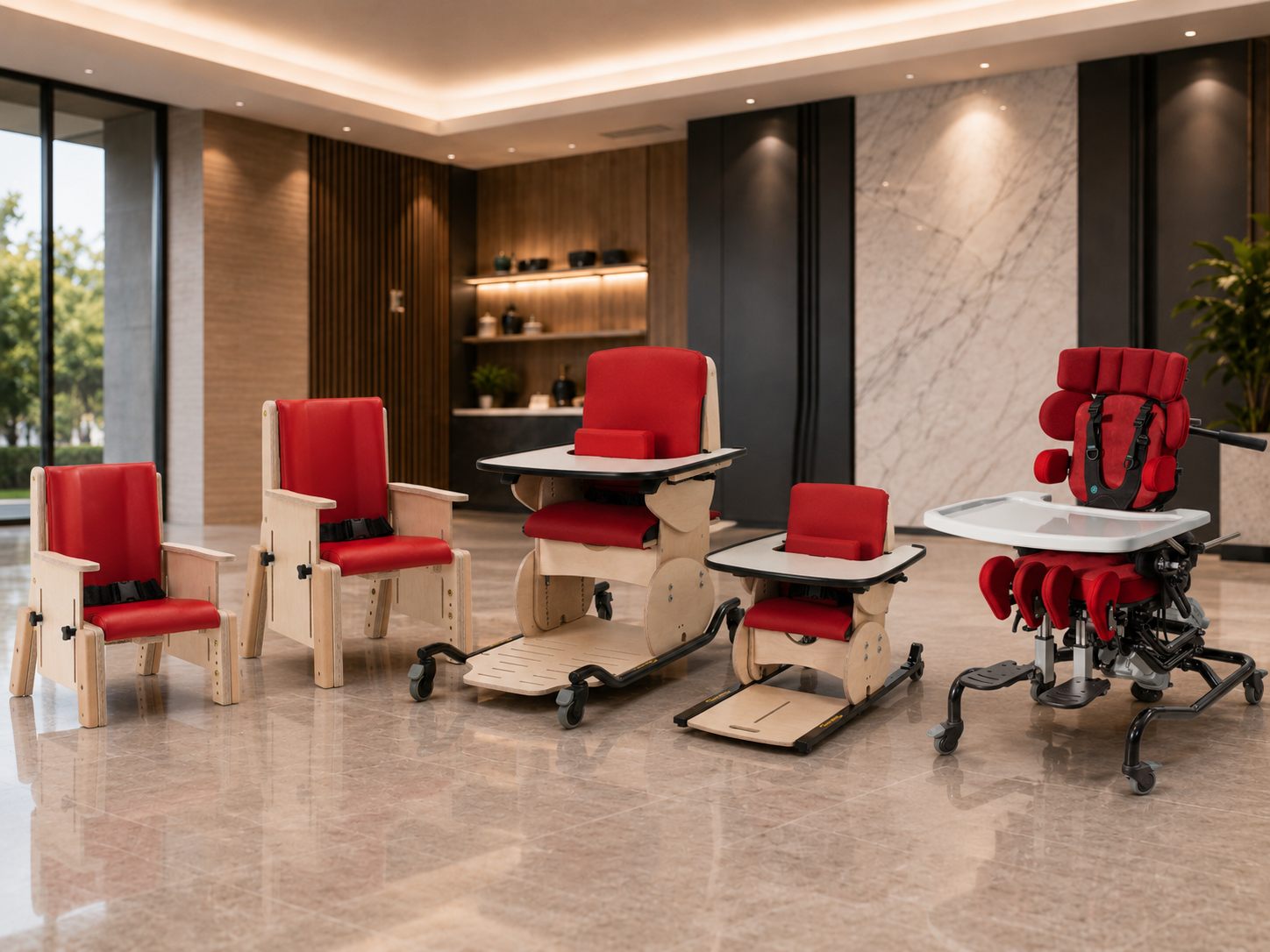 Postural Seating
Standing Frames
Tables & Desks
Therapy & Stools
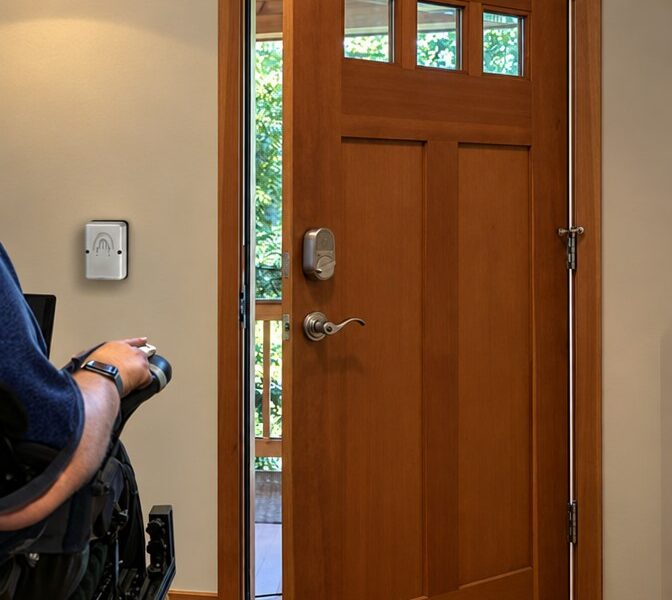 Automatic Door Openers
Still want a person? Everything in the store is sold and serviced by the same technicians, so call us instead and we will talk it through.
Wheelchair accessible vehicles
A wheelchair accessible minivan cost about $40,000 three years ago. Today it is $70,000 and up.
So we stopped selling them. Instead you buy a high-roof van from a dealer at a normal price, and we install the wheelchair lift and securement for under $12,500. Most people end up between $32,500 and $42,500 for everything.
A converted minivan today
$70,000 and up
The route we now recommend
$32,500 to $42,500 all in
Five steps. You can stop at any of them, and nothing is charged until you have said yes to a written scope.
Not what product you think you need. The stairs, the front step, the bath, getting into the car. Working out the product is our job.
A call, not a sales pitchOn site, at your address, free. We check the space, the power, and the structure, and we talk through how the room actually gets used.
Free, and no obligationAn itemized scope and a price, with the lead time stated honestly. The price you agree to is the price of the job. Take as long as you like with it.
The price does not moveOur own people, not a subcontractor, who stay until everyone who has to operate it can operate it confidently.
Our own crewsThe company that installed it is the company that maintains it. You are not handed to somebody else once the invoice clears.
Same company, years laterPhotographed on the day, with permission.
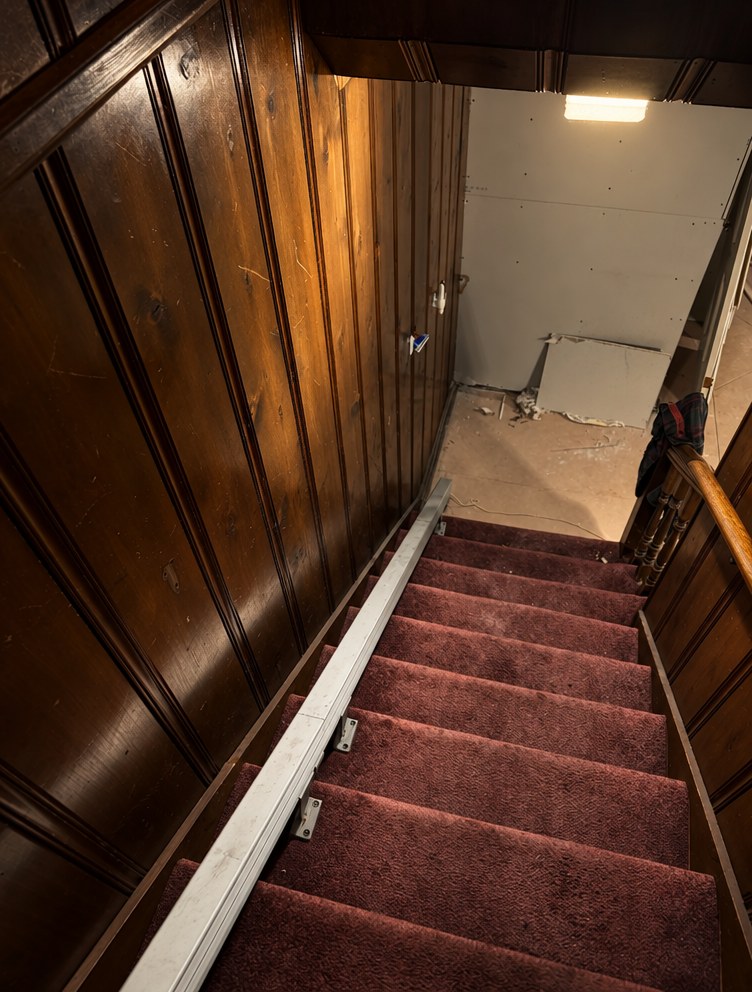
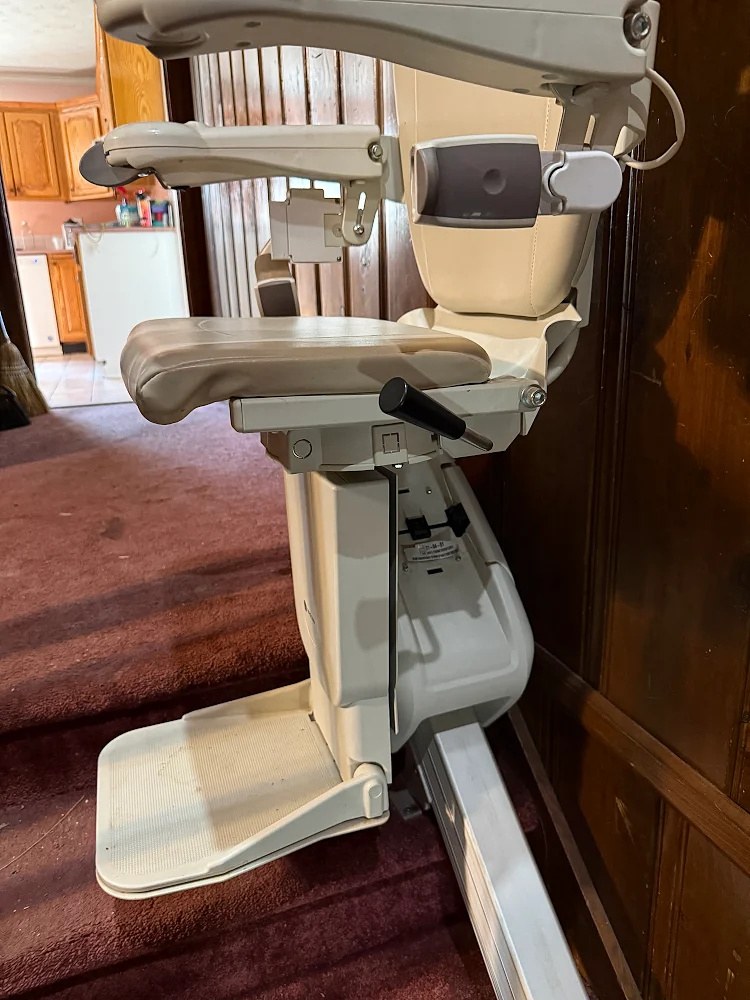
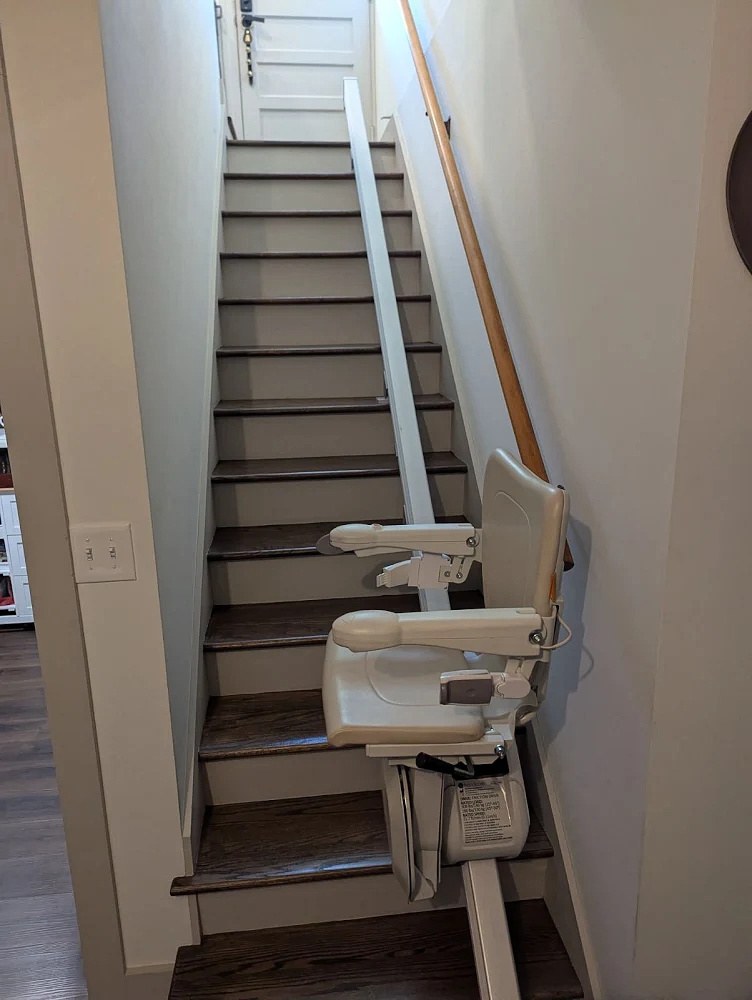
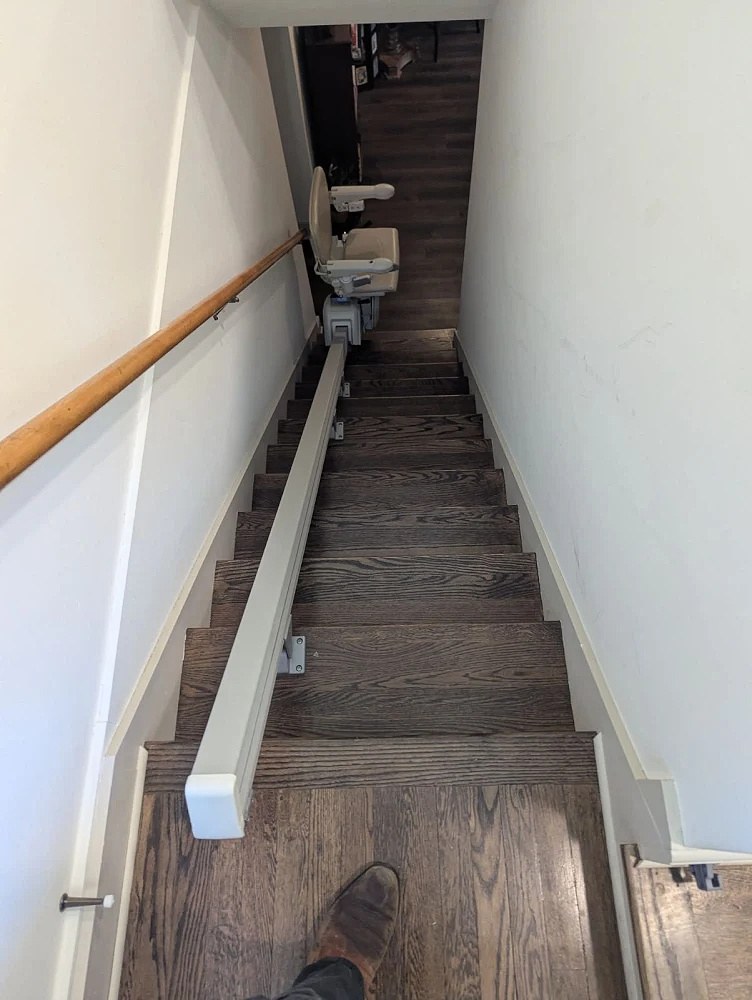
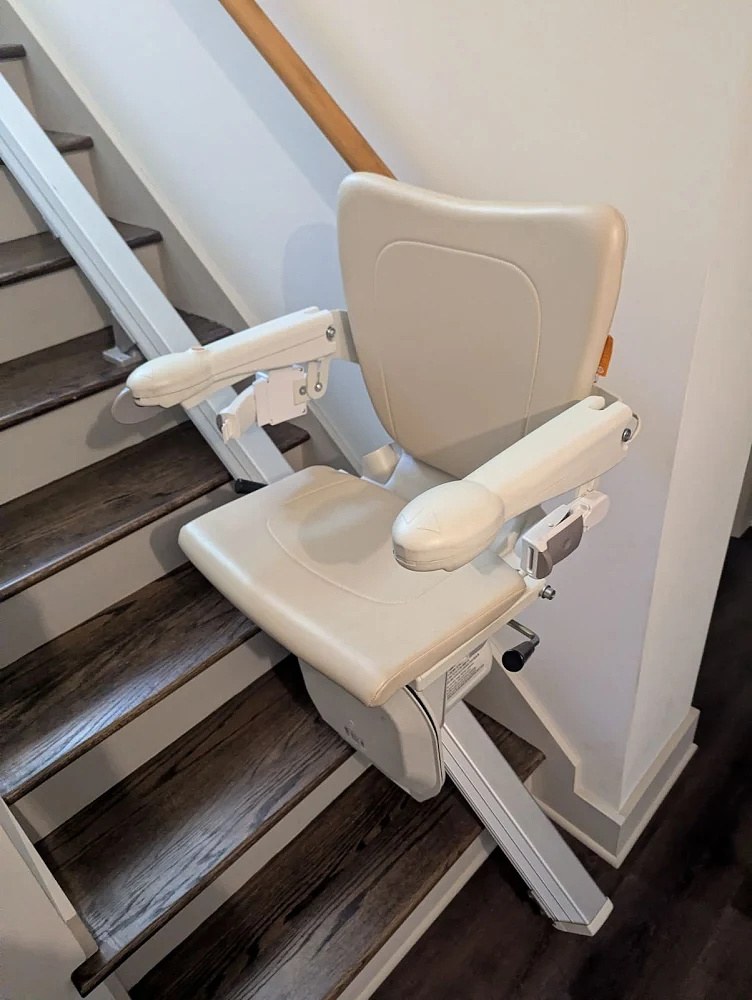
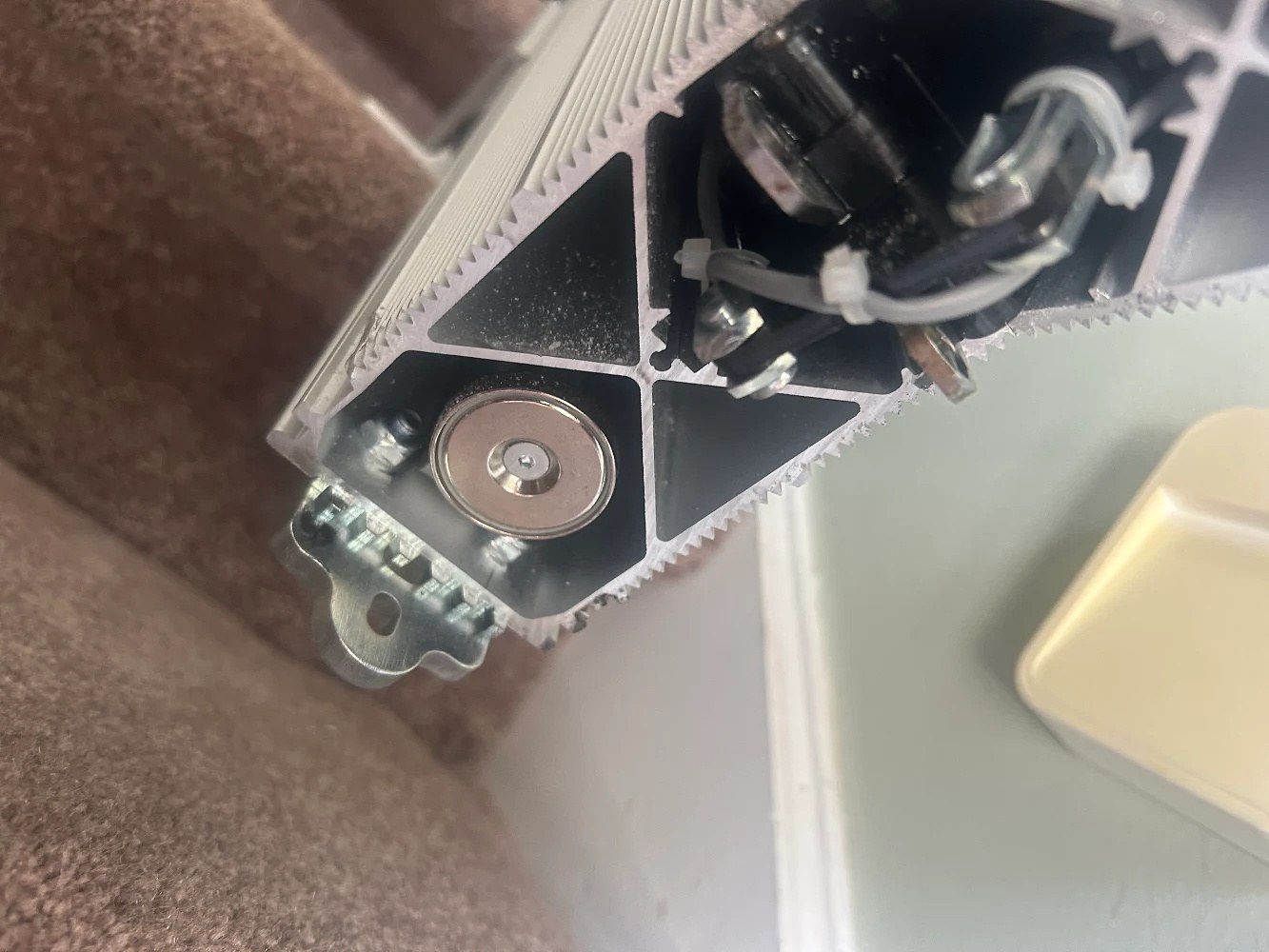
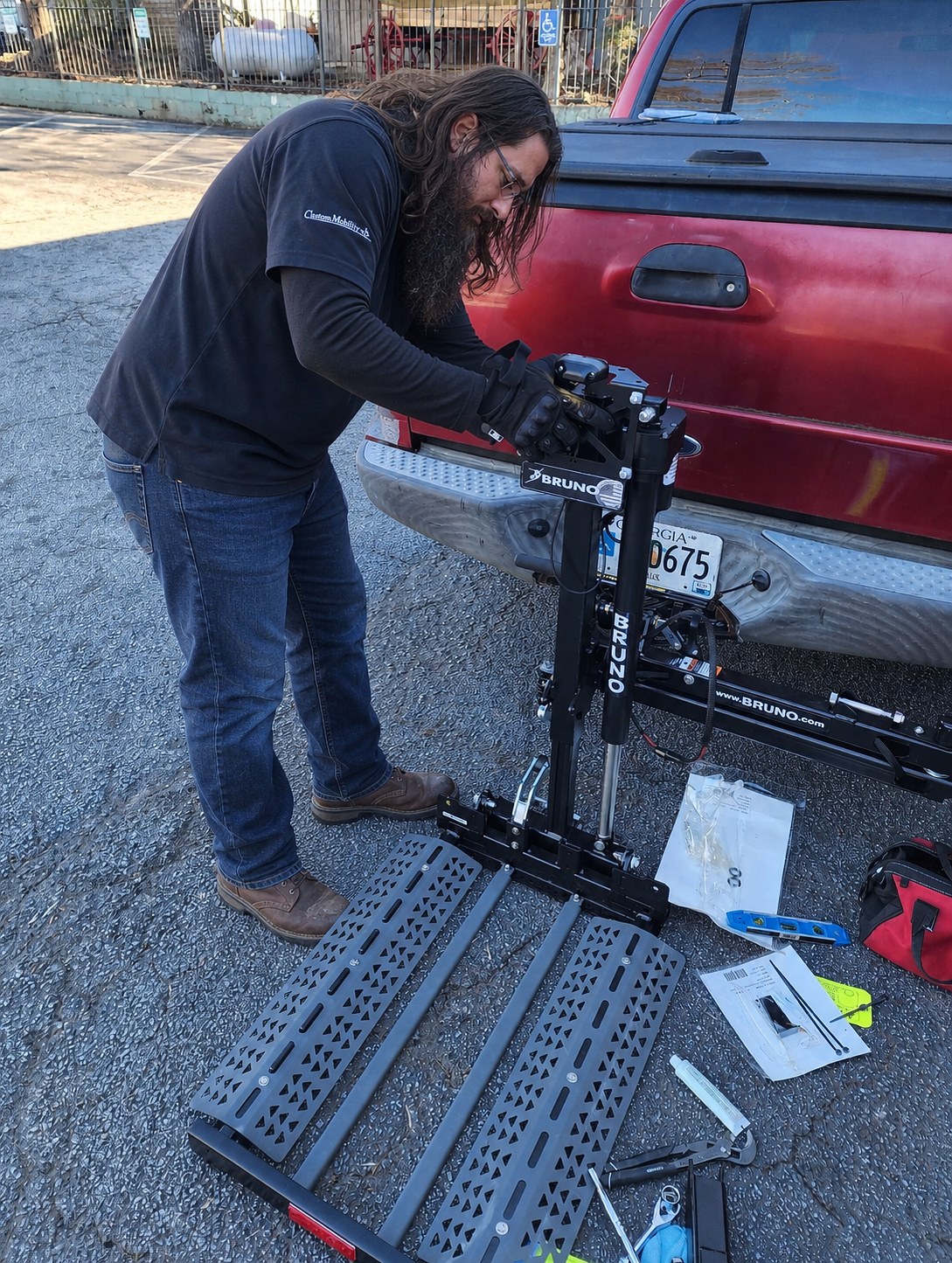
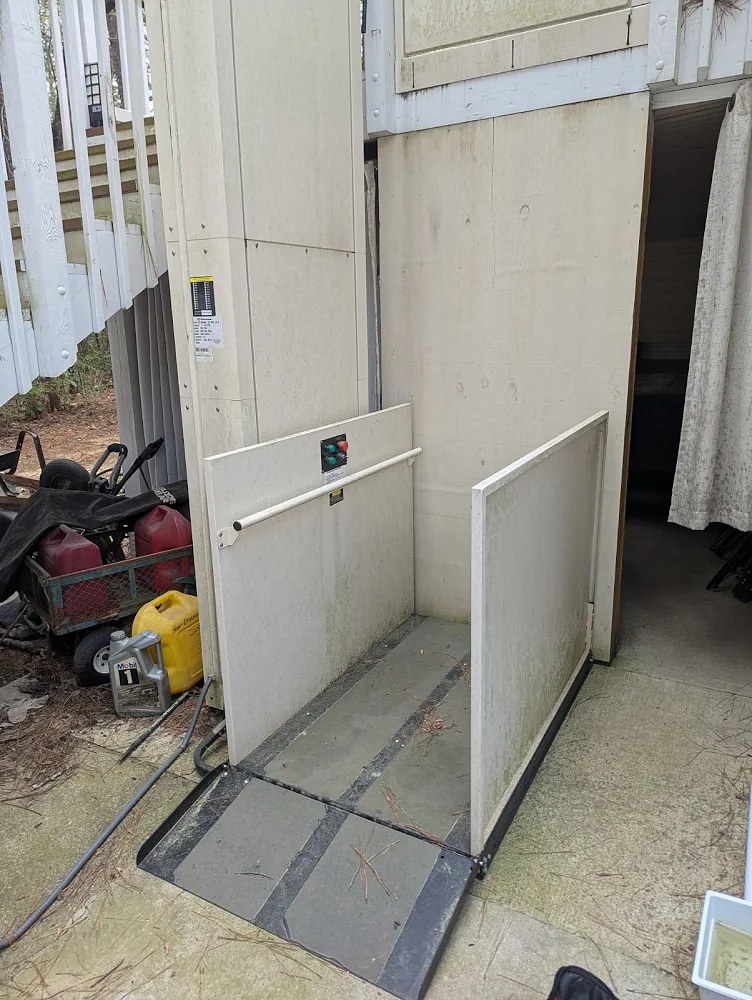
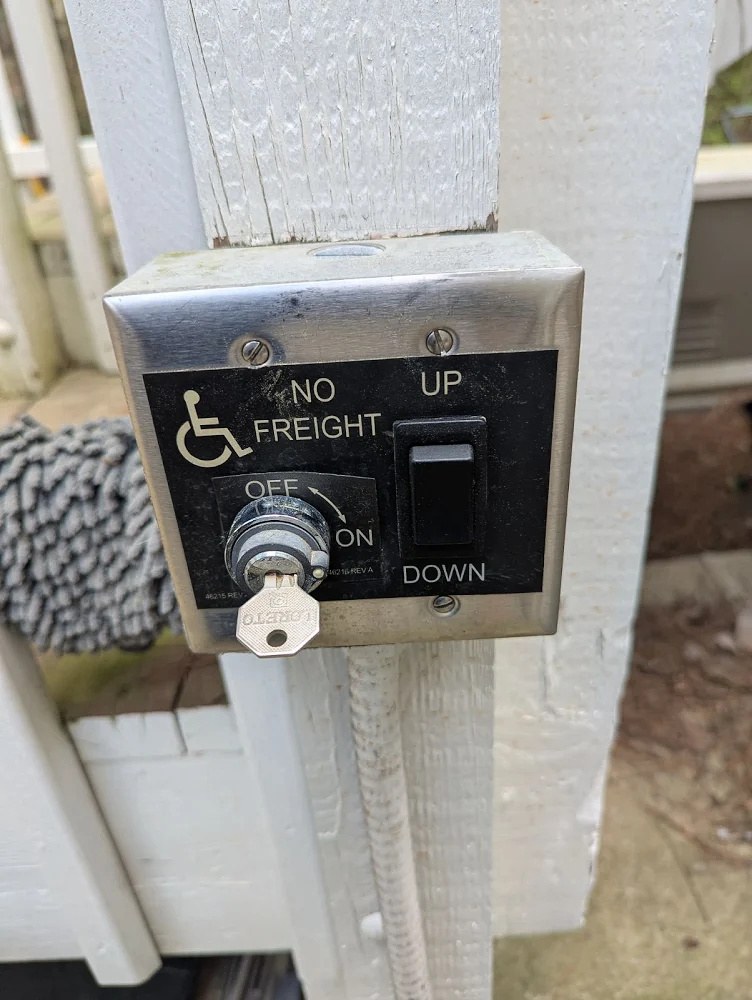
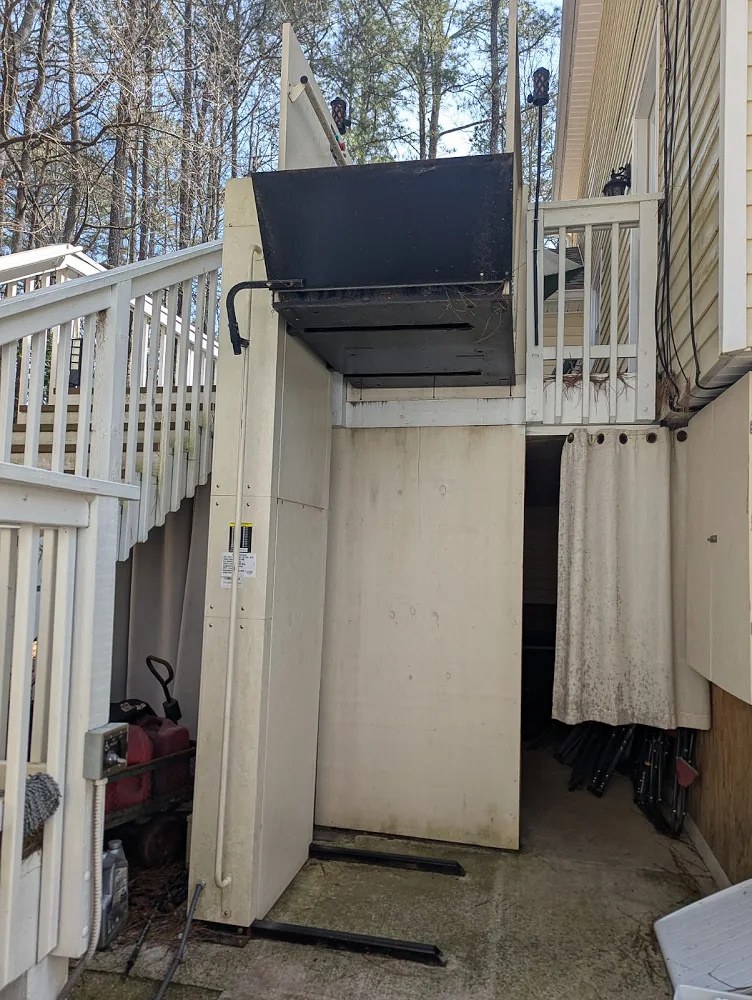
Adult children, in-home caregivers, and occupational therapists are usually part of this, and often they are the ones who called us. We are happy to walk any of them through it, on the phone or at the house, as many times as it takes.
And if the person who actually needs the equipment does not want it in the house, that is normal and worth taking seriously. Come at it as keeping the upstairs bedroom rather than as giving something up, and let them be in the room for the survey. We will not push.
It is rarely the price and rarely the equipment. Turn a card over for the honest answer.
Anybody can sell equipment. Installing it legally, configuring it clinically, and servicing it afterward takes credentials that have to be earned and kept current. Here is what our team holds.
Licensed elevator mechanics, state by state. Residential elevators and platform lifts are regulated work in most jurisdictions, and this is the license that makes it legal to do.
RESNA-recognized credential for evaluating a person's needs and specifying the assistive technology that fits. This is who you want configuring a power chair or a seating system.
The credential for supplying individually configured complex rehab. It is what separates a supplier who works alongside your clinical team from one who ships a box.
Training in modifying a home so someone can stay in it. It is the difference between installing equipment and understanding the house it goes into.
Industry service certification covering installation, maintenance, and repair standards across mobility equipment.
Federal certification for handling refrigerant in vehicle air conditioning. It is required to legally service a bus AC system, and it is why fleet work is something we can actually take on.
What Our Customers Say
Pulled directly from our verified Google reviews. We respond to every single one.
Customer reviews on Google
Mason is a wonderful service technician! We live in “rural country” of NE Georgia and he drove all this way to get my Dad’s chair lift up and running. Thank you, Mason AND Custom Mobility!
As a fellow business owner, I have seen this company do all of their work with as much professionalism and tact as any that I have ever encountered. I thoroughly enjoy actually witnessing people who care about their work and show it through their actions, and the owner at Customer Mobility is the ep…
My Service Technician is truly the best! He responded within a day and he fixed the chairlift in less than an hour! It’s reassuring to know that we can depend upon Custom Mobility!
A straight stairlift costs less than a curved one, because a curved rail is manufactured to your staircase. We quote after a site survey rather than over the phone, because a phone quote is a guess.
Financing is available. Ask during the consultation and we will walk through the options.
We have experience with VA-funded home modifications. Tell us your situation and we will tell you what we know.
That is normal and it is worth taking seriously. Nobody wants equipment in their house. Come at it as keeping the upstairs bedroom rather than as giving something up, and let them be in the room for the survey. We will not push.
A stairlift carries a seated person up a staircase. A platform lift carries a person and their wheelchair or walker straight up a height, usually at an entrance. If someone can transfer to a seat, a stairlift is usually simpler and less expensive. The survey settles it.
A straight stairlift is two to four hours in one visit. A curved rail takes three to five weeks to manufacture and one day to install once it lands. A platform lift or a vehicle conversion takes longer. We give you a real date at the quote rather than an optimistic one.
For permanent work the owner has to agree to it. For removable equipment, often not. Tell us the situation and we will work out what is possible.
Very common, and worth taking seriously rather than overriding. Have them at the survey, come at it as keeping the upstairs bedroom rather than giving something up, and we will not push. We have walked away from jobs where the person did not want the equipment.
Yes. A stairlift rail fixes to the treads rather than the wall and comes off. We have removed lifts from houses being sold and the stairs were fine underneath.
We will come look at it, measure it, and tell you what it would take. If the answer is that you do not need us, we will tell you that too.