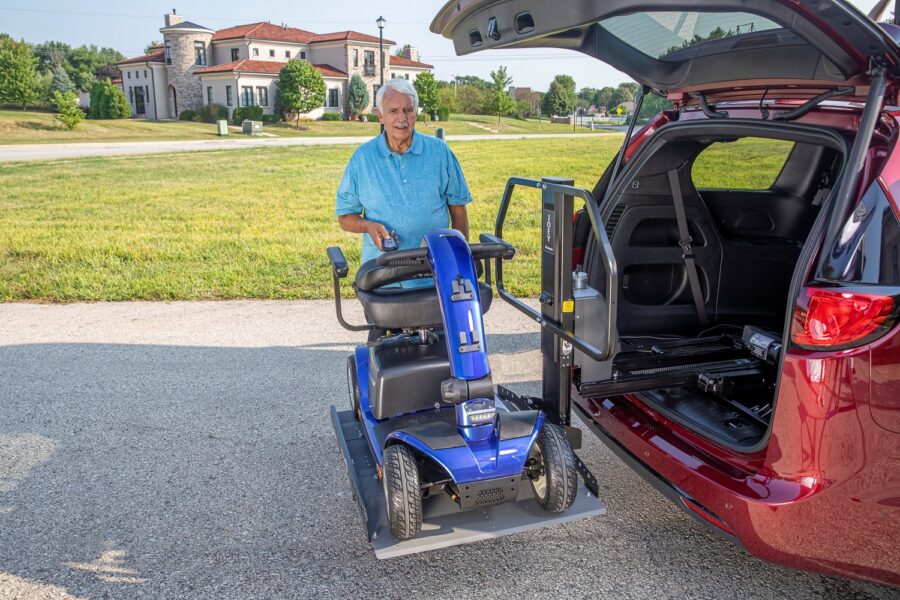
Scooter and Wheelchair Lifts
Interior and exterior lifts and carriers that load a scooter, power chair, or manual chair into the vehicle without anyone lifting it.

Free Consultation | Estimate
A mobility specialist will contact you shortly. All consultations, estimates, and scopes of work are provided completely free of charge. No pressure or obligation.
Tell us the bus or van and see the BraunAbility commercial lift that fits it, with its price, install kit and installation included.
Tell us the vehicle and see the BraunAbility transfer seat base that fits it, with its price, installation included.
What each one is for, and who it suits.
Interior and exterior lifts and carriers that load a scooter, power chair, or manual chair into the vehicle without anyone lifting it.
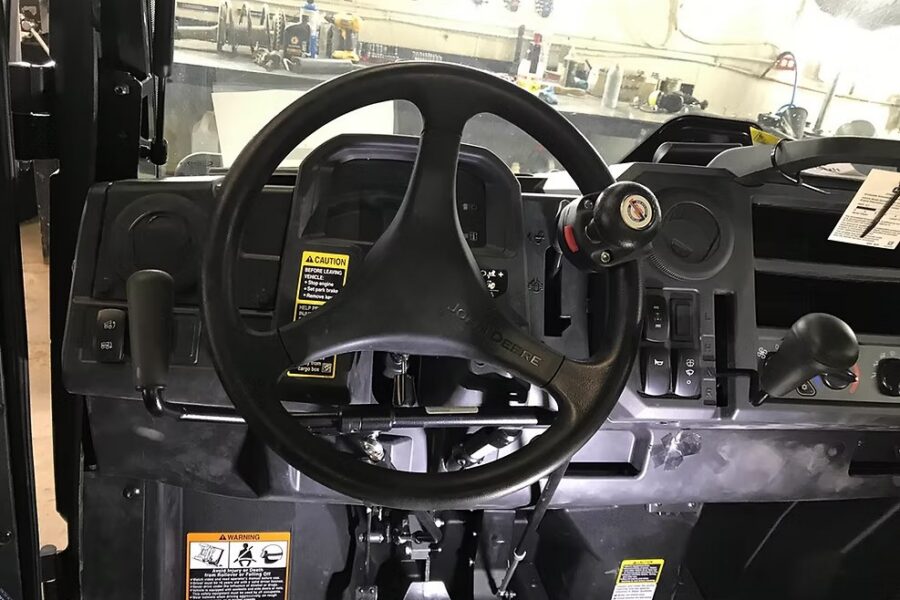
Push-rock, push-pull, and electronic hand controls, installed to the specification a driver rehabilitation evaluation produced.
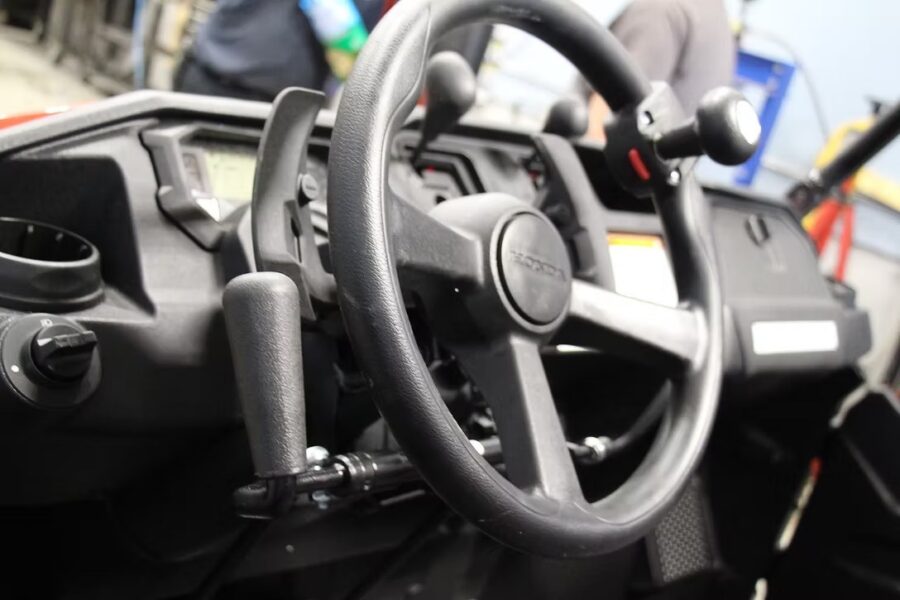
Quick-release and permanent left foot accelerator systems for drivers who cannot safely use the right pedal.
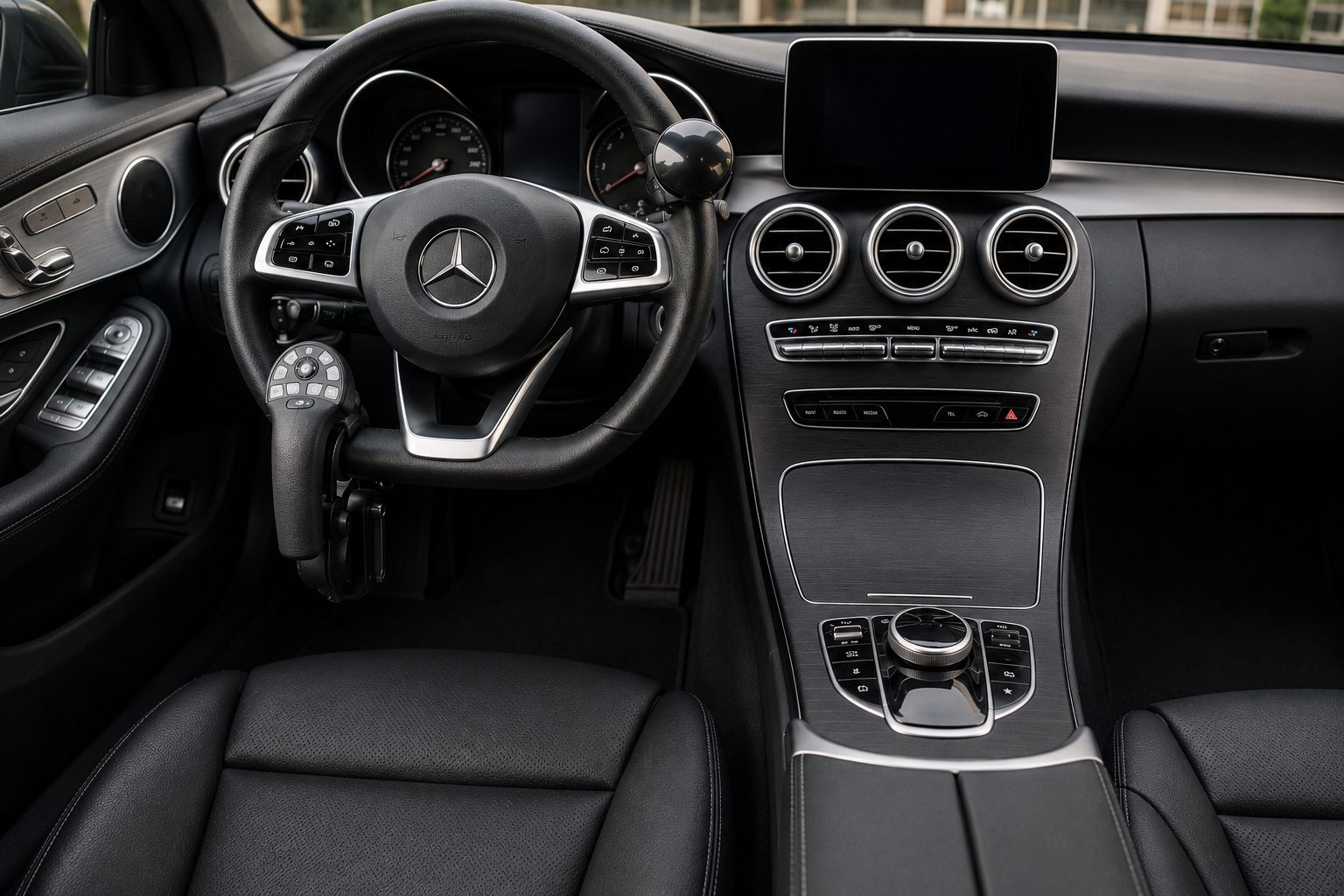
Instructor and caregiver brake systems for a passenger who needs the ability to stop the vehicle.
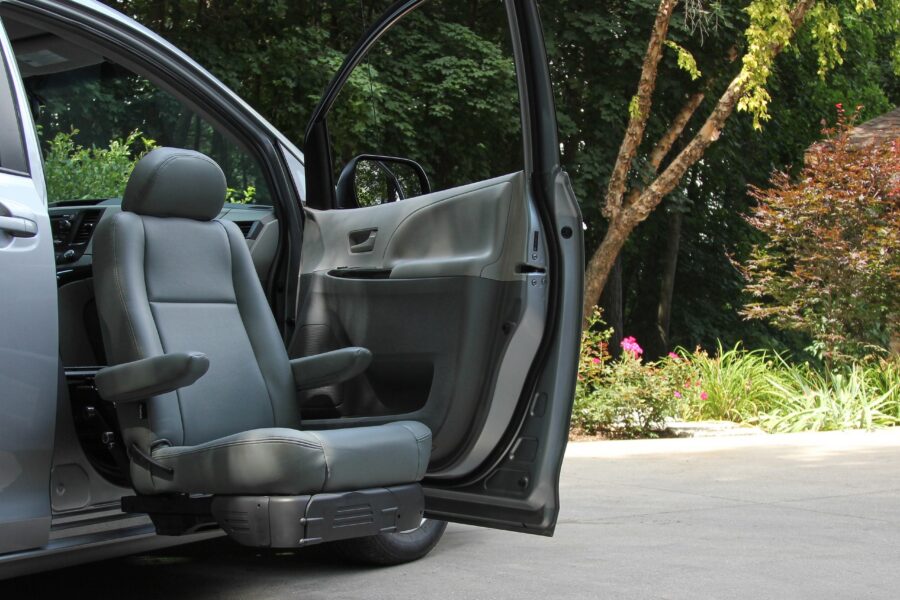
Powered transfer seats and turning seat bases that bring the seat out to the person rather than making the person climb in.
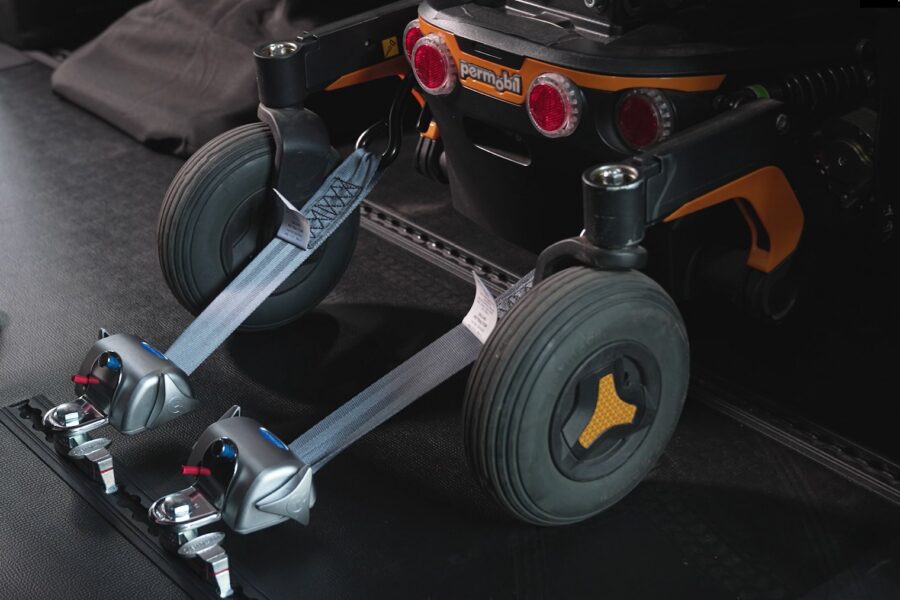
Retractor and docking securement and occupant restraint for personal vehicles and for fleets.
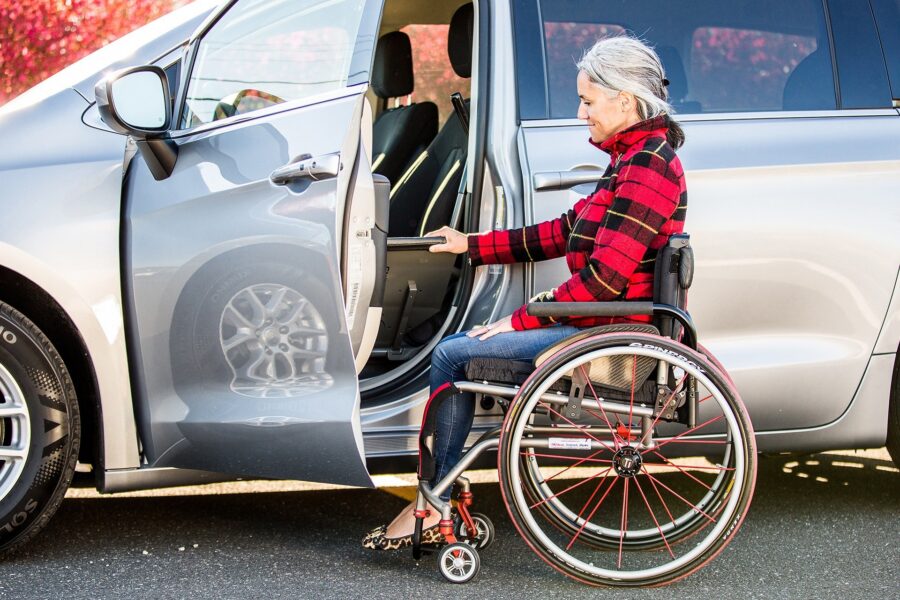
Lowered floors, ramps, and full accessibility conversions for personal and commercial vehicles.
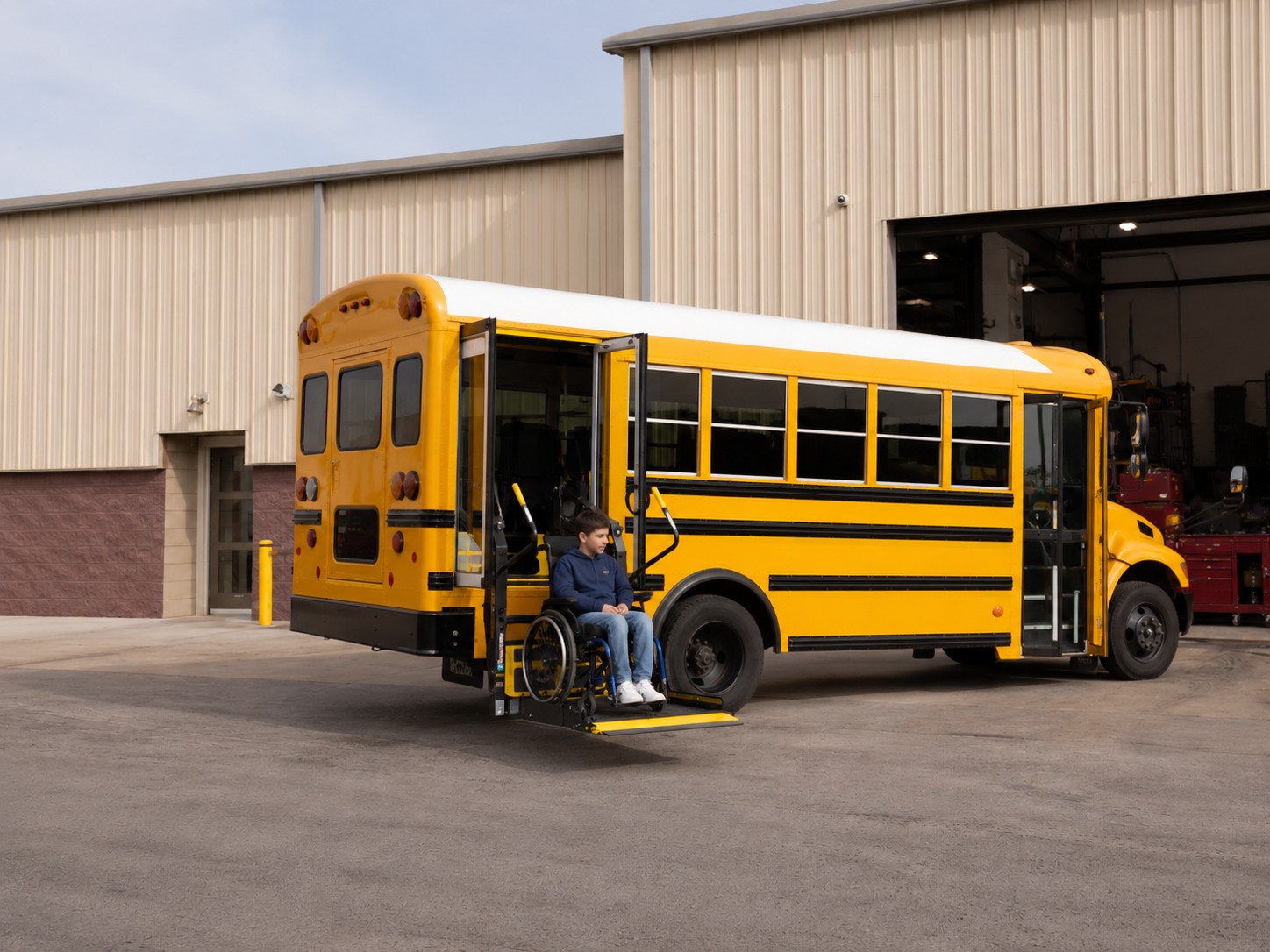
Wheelchair lift preventive maintenance and repair, plus bus air conditioning service, for school district and transit fleets.
Four questions. The first one splits the whole conversation in two.
Driving means controls: hand controls, a left foot accelerator, a passenger brake, or steering aids. Riding means getting in, getting seated, and getting the equipment aboard. Different work, different specialists.
Driving: adaptive controls Riding: access and securementA folding walker goes in a trunk. A scooter or power chair needs a lift, and the weight and dimensions decide which. This is where guessing gets expensive, so we measure the equipment rather than trust the brochure.
Light and folding: hitch or trunk lift Heavy: platform lift or conversionTransfer is often harder than the equipment. A turning seat that swings out and lowers can be the difference between managing a car and not, and it is frequently cheaper than the alternatives.
Transfers unaided: seat as is Difficult transfer: turning seatNot every vehicle can be adapted. Roof height, floor structure, payload, and airbag placement all matter, and sometimes the honest answer is that a different vehicle costs less than adapting this one.
Suitable: adapt what you have Not suitable: change vehicle firstVehicle work ranges from a set of hand controls to a full conversion. These are the factors.
Conversion or add-on
Cutting and rebuilding a floor is a different order of work from fitting a lift to a vehicle as it stands.
Lift type and capacity
Hitch, trunk, interior, or platform. Capacity has to exceed the actual weight of the actual equipment.
Driving controls
Mechanical hand controls, left foot accelerators, and passenger brakes each carry different fitting and evaluation requirements.
Transfer seating
A powered turning seat is a substantial component and often the thing that makes the whole vehicle usable.
The vehicle itself
Some vehicles take equipment easily and some fight it. We will tell you before you spend money on the wrong one.
Securement
Track, retractors, and occupant restraint where somebody travels seated in their wheelchair.
The bars show relative impact, not dollars. For a real number, the survey is free.
Adapting a car is usually cheaper than replacing it, until it is not.
Adapt your current vehicle
CostHundreds to thousands
TimeDays
Hand controls, a lift, a turning seat. Keeps the vehicle you already own and is right far more often than people assume.
A converted vehicle
CostTens of thousands
TimeWeeks
A lowered floor and ramp, for traveling seated in a wheelchair. The right answer when nothing else gets the person aboard.
A different used vehicle
CostVaries
TimeWeeks
Sometimes changing the vehicle costs less than adapting the one on the drive. We will say so when it does.
Giving up driving
CostNothing
TimeImmediate
The default when nobody explains the alternatives, and the one that costs the most independence.
Six things, depending on whether you drive or ride.
Accelerator and brake operated by hand, fitted so they do not interfere with the airbag or with anybody else driving the car.
For a driver who has use of the left foot but not the right. A removable pedal that leaves the vehicle usable by others.
A second brake for an instructor or a family member. Common where somebody is returning to driving after an injury.
Hitch, trunk, interior, and platform lifts for scooters and power chairs. Capacity matched to the actual equipment.
A seat that swings out and lowers, so getting in is a step across rather than a climb down.
Track, retractors, and occupant restraint for traveling seated in a wheelchair. This is safety equipment, not an accessory.
Four things we hear about vehicles.
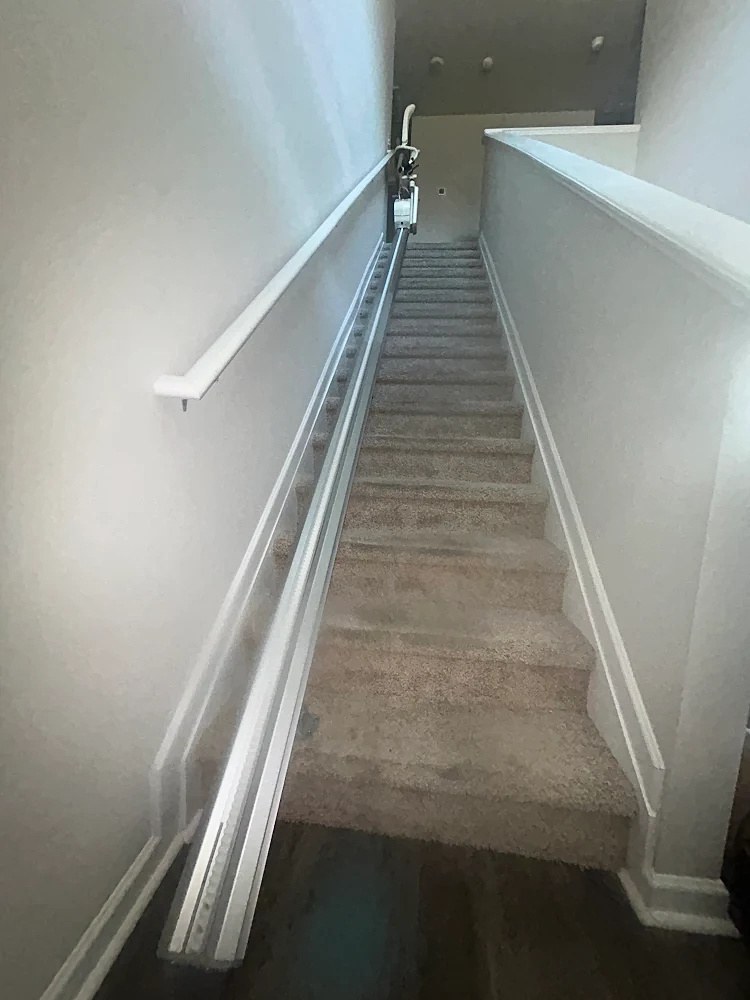
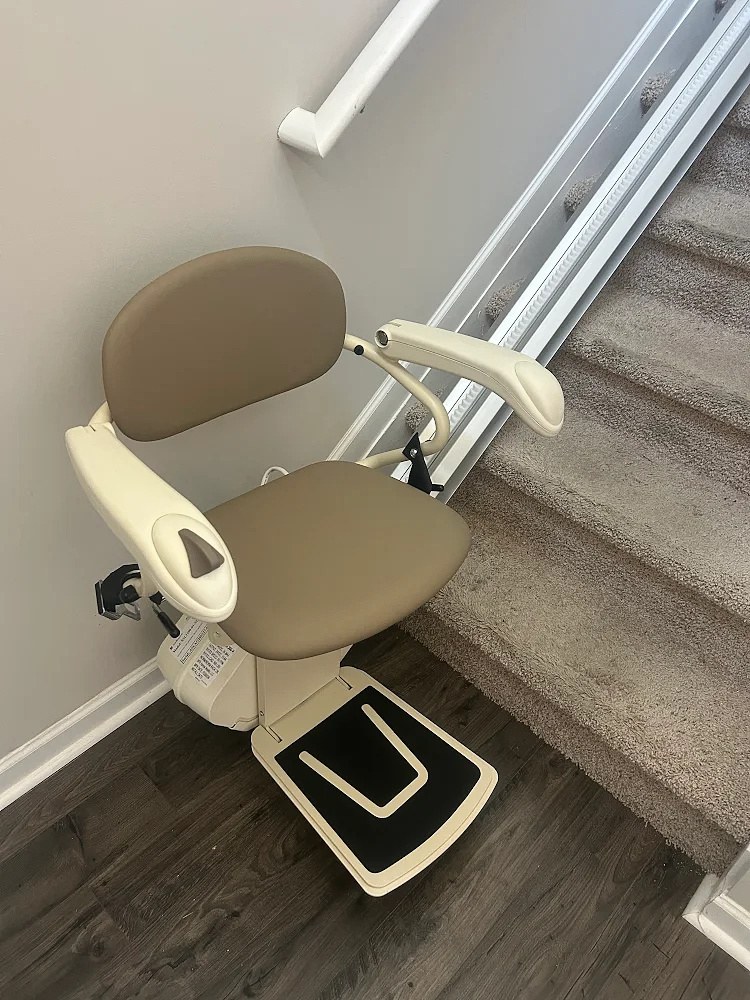
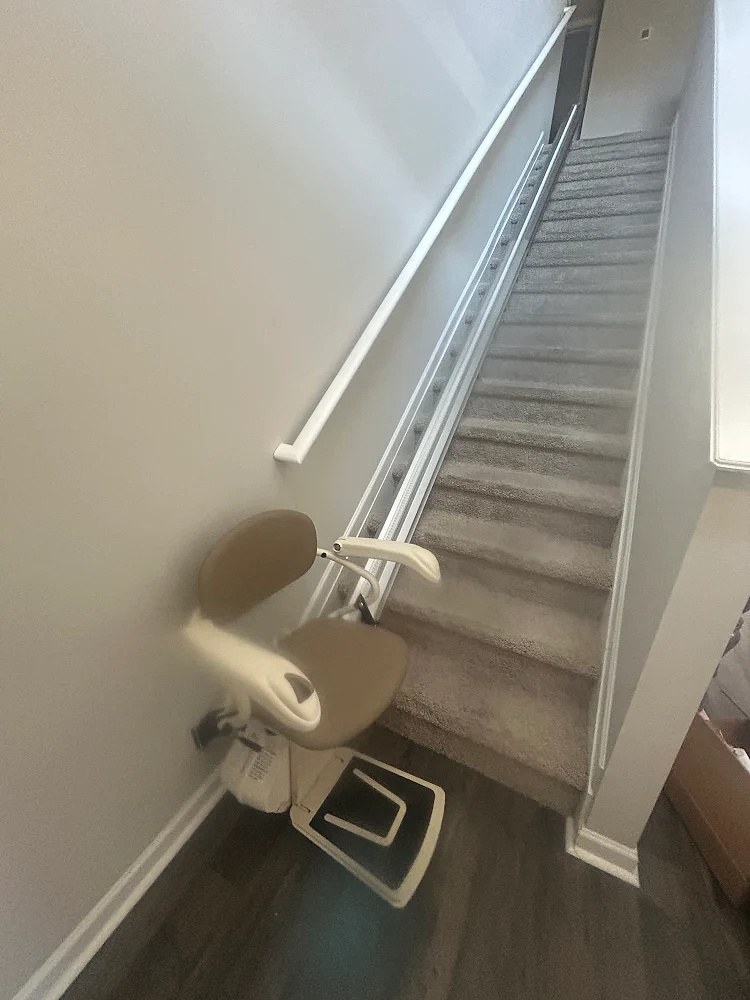
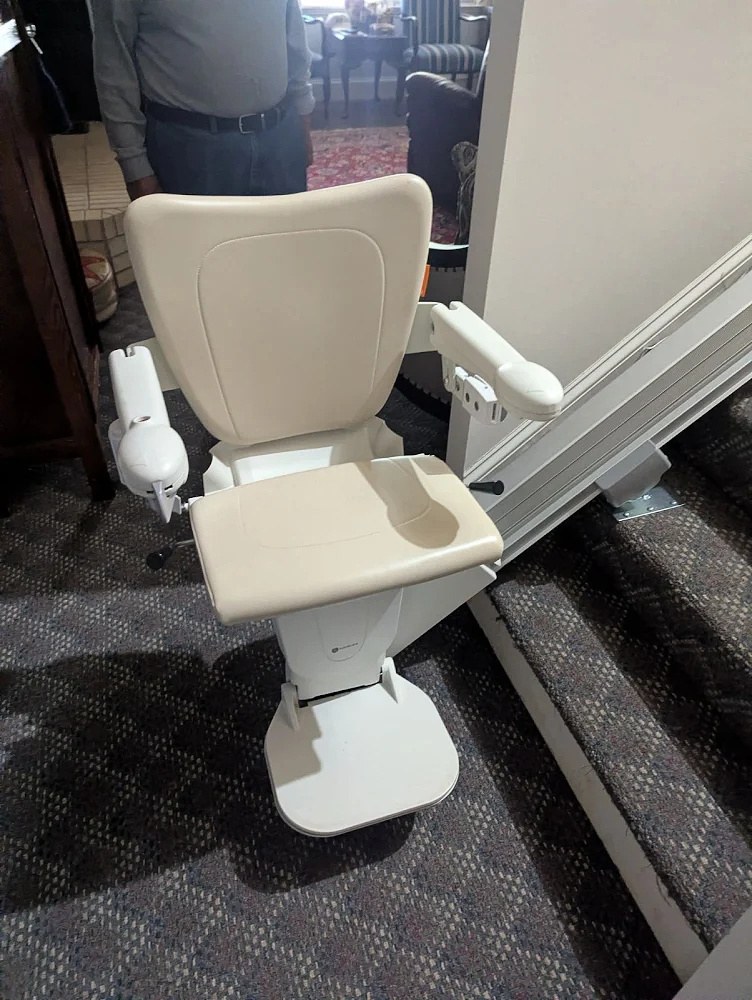
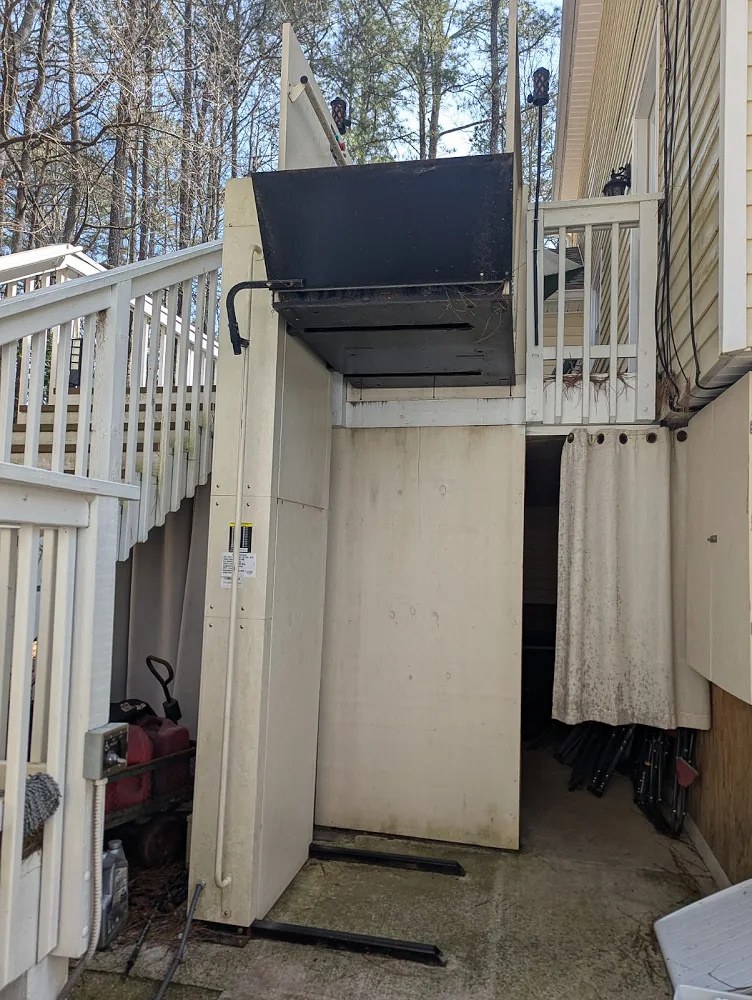
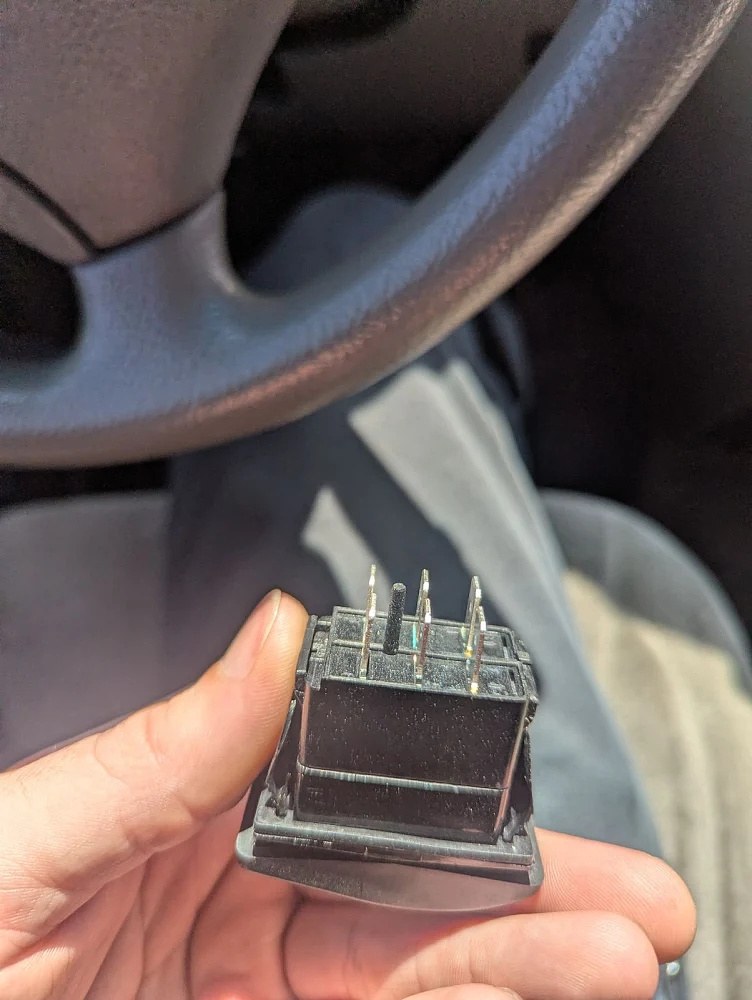
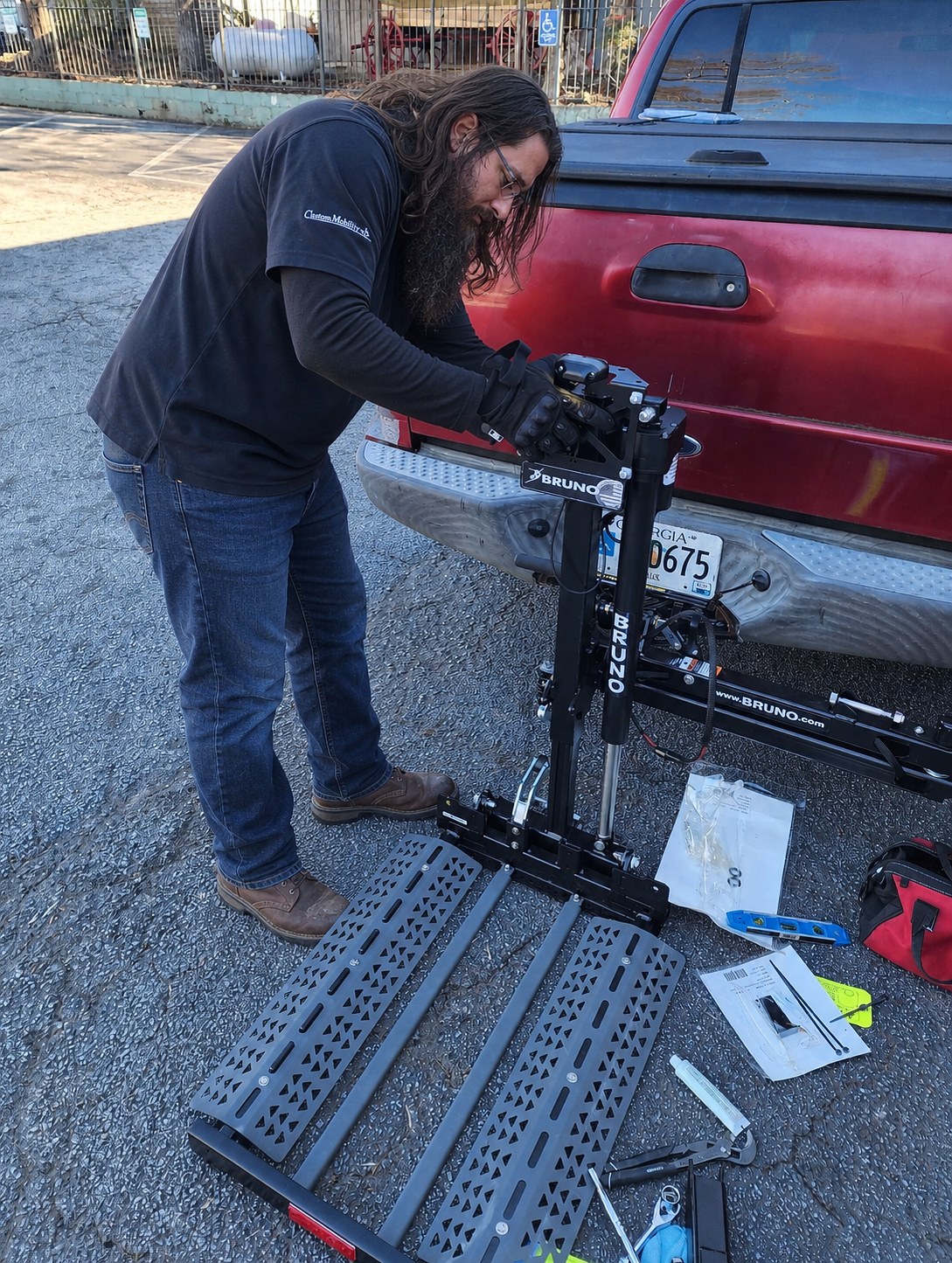
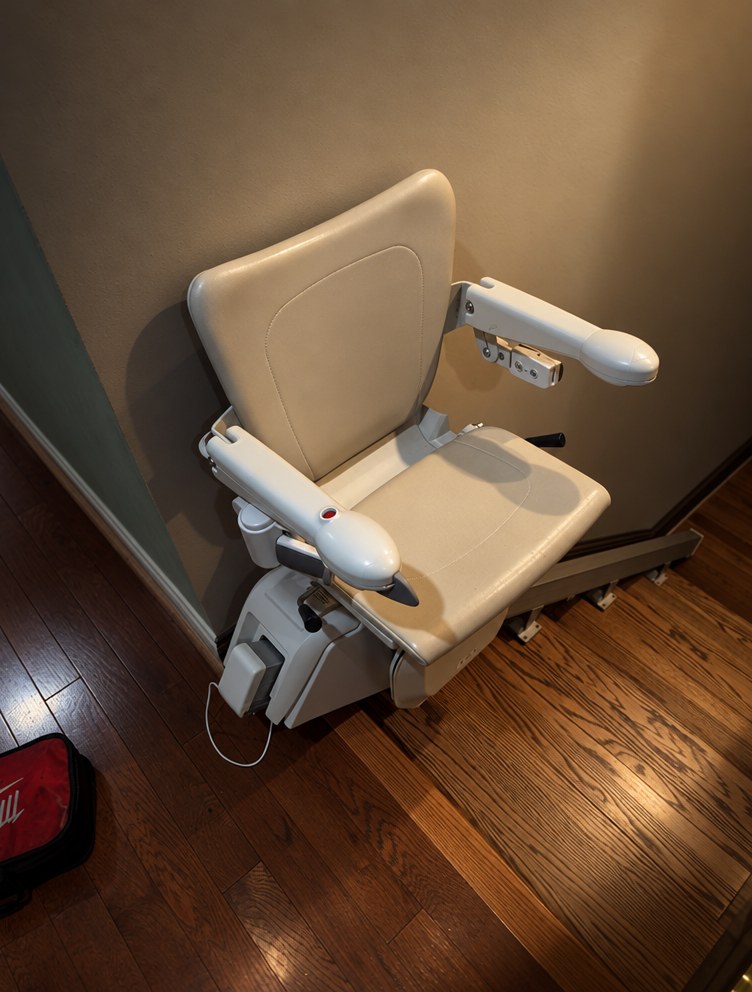
Photographed on the day, in real homes and buildings.
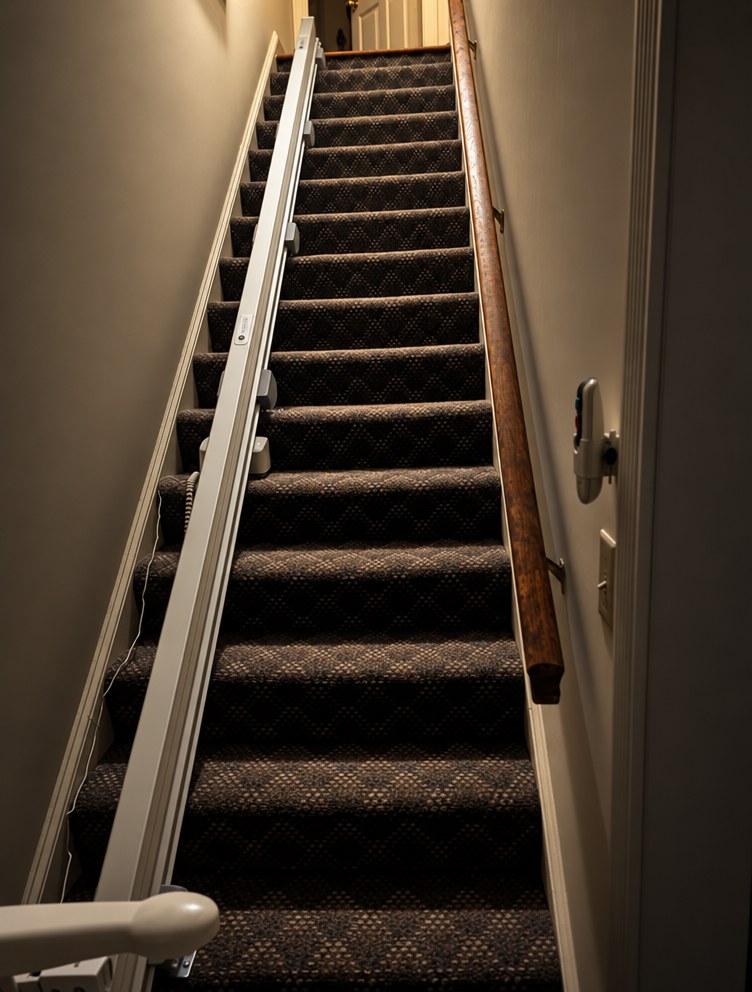
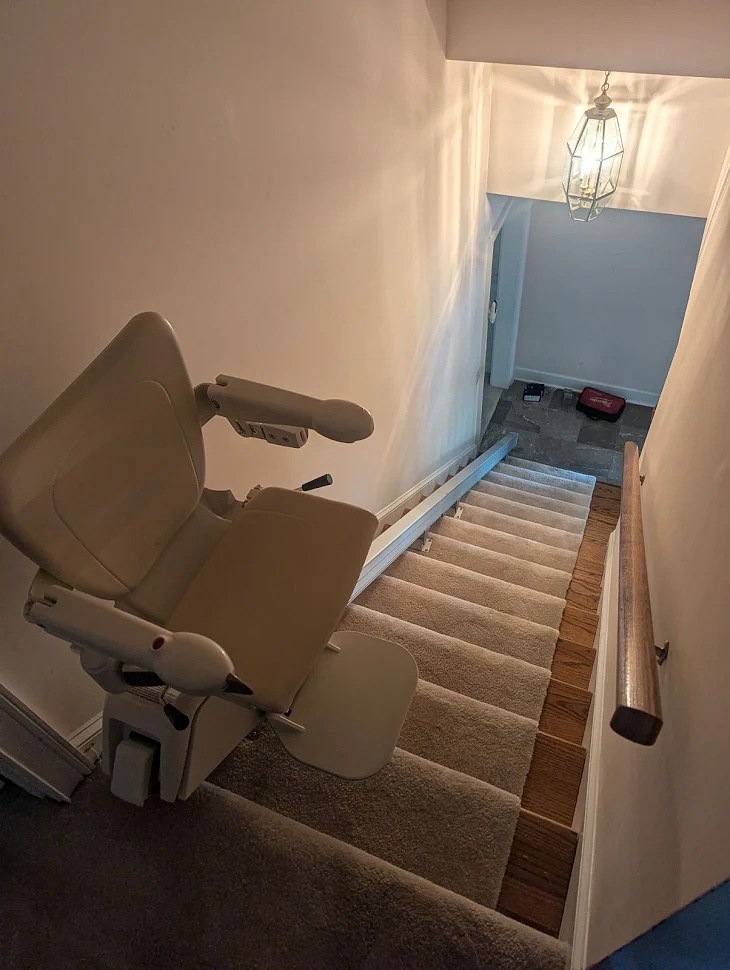
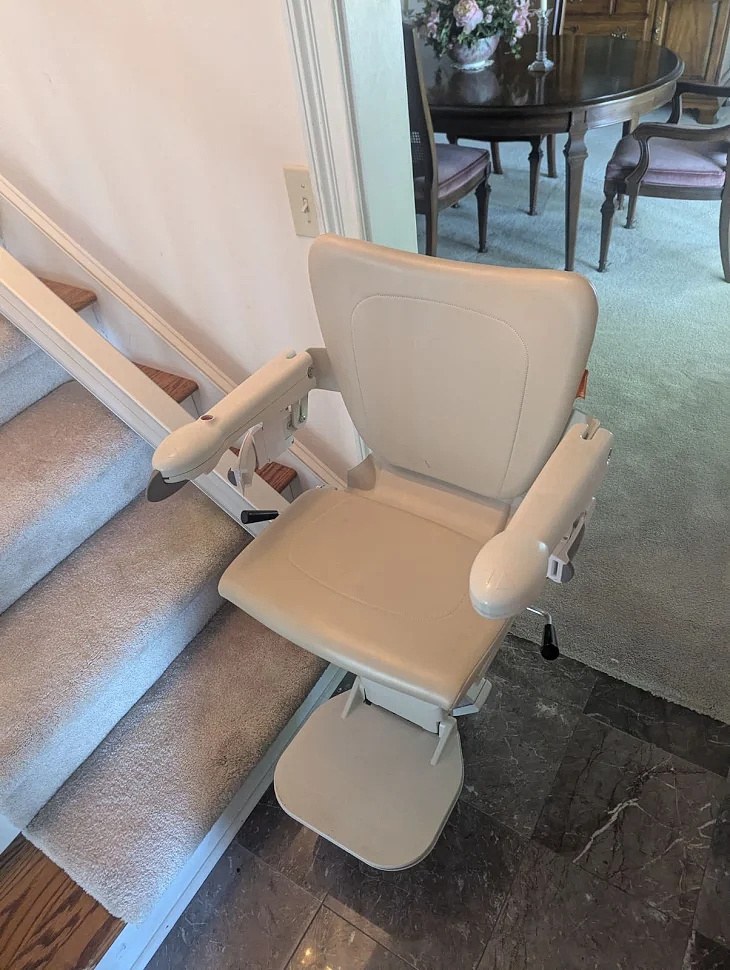
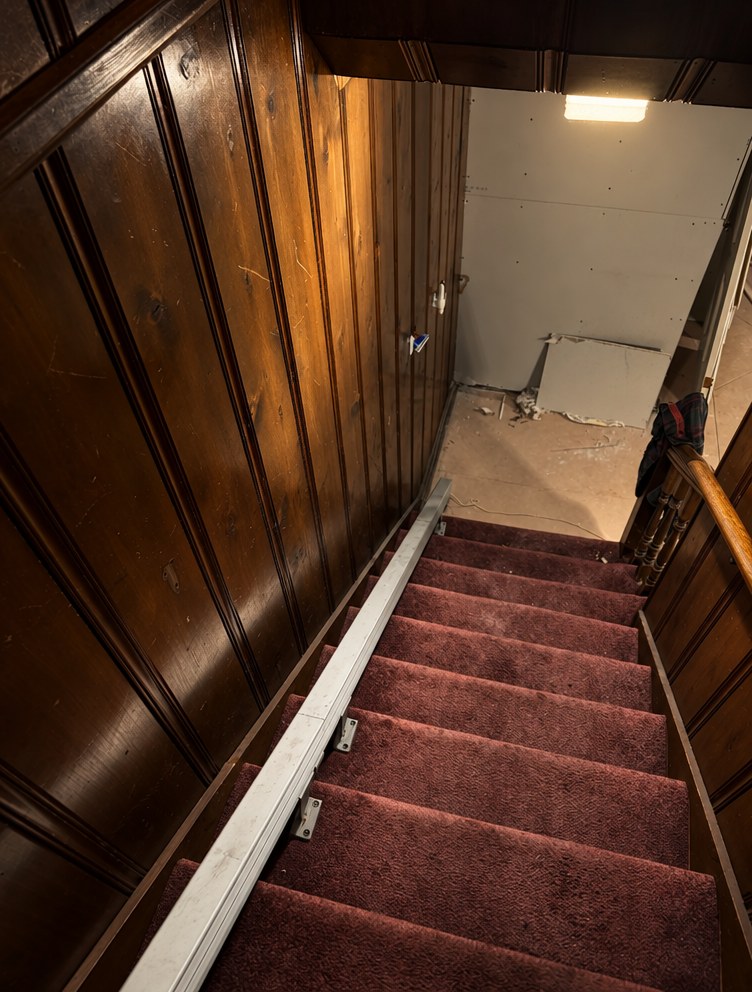
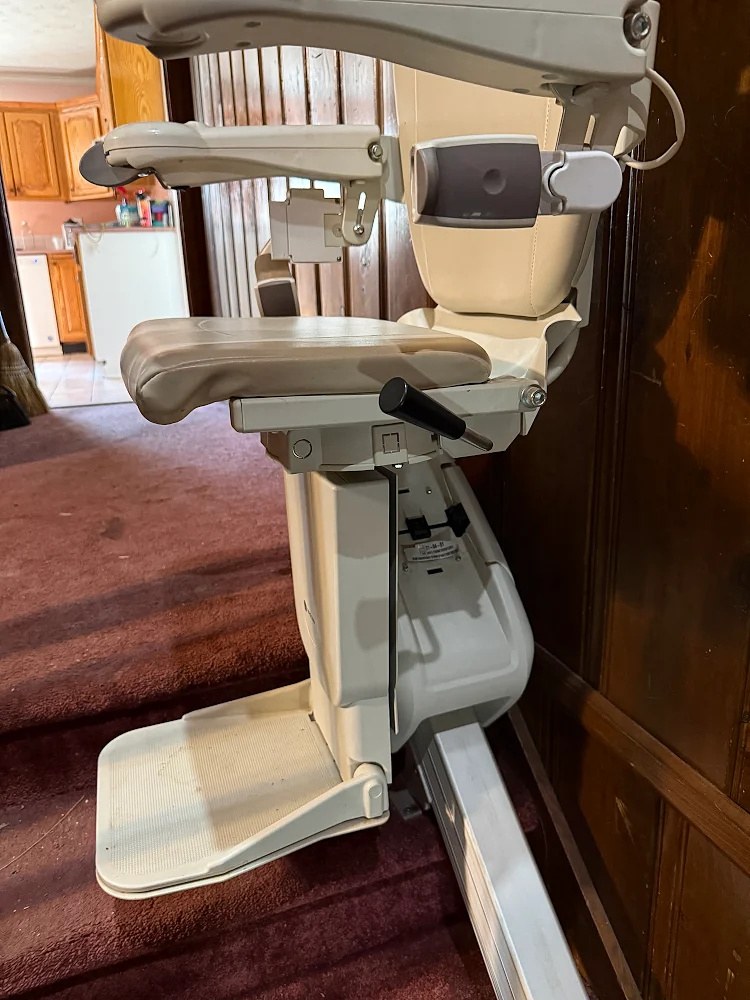
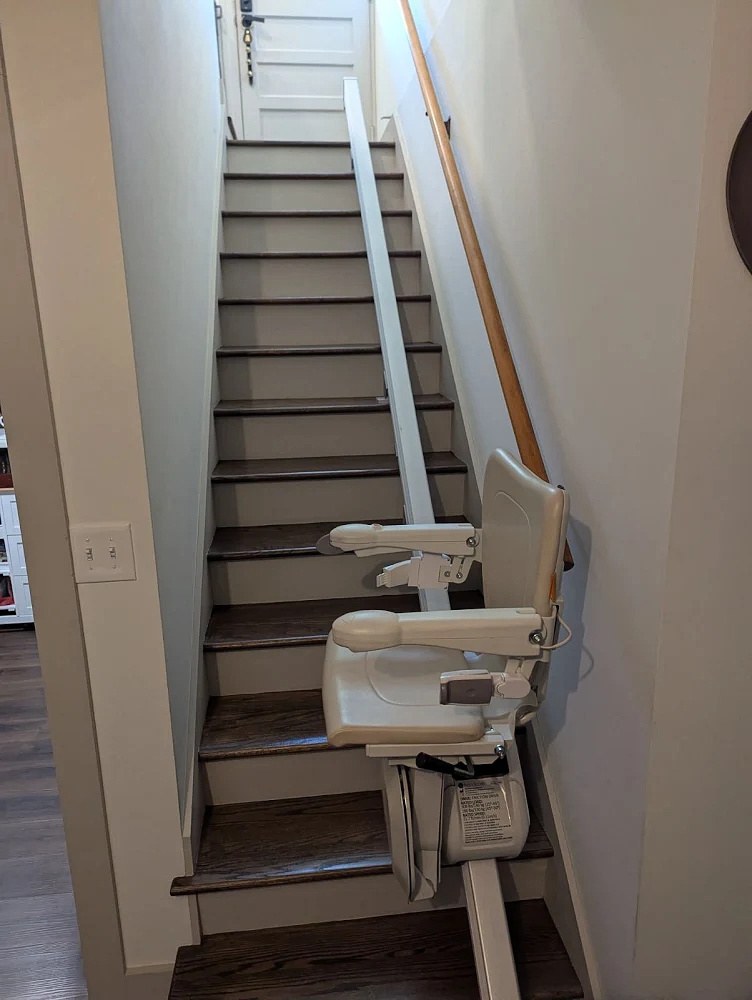
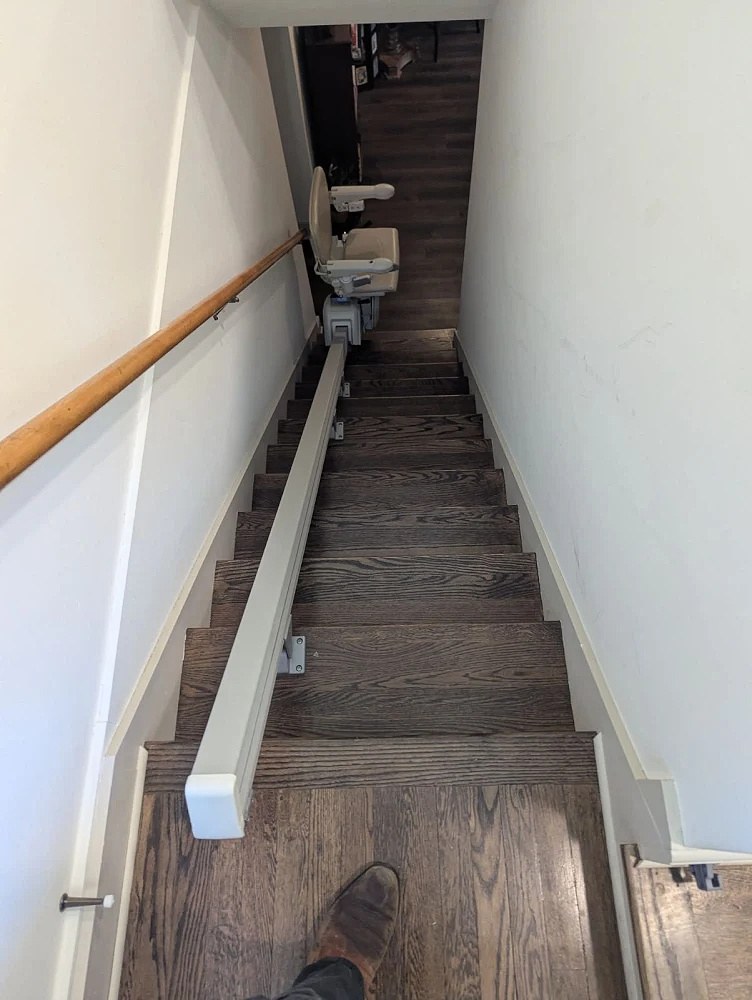
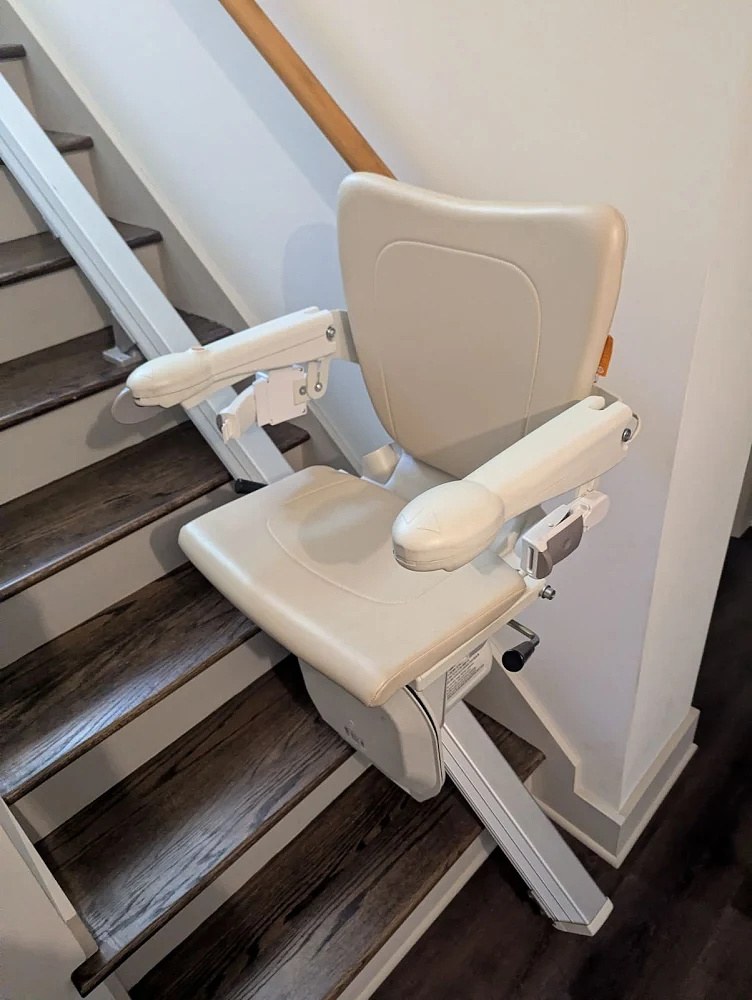
Carrying several lines means the equipment gets matched to the situation rather than the situation getting matched to the equipment.
A conversation about the person, the building or the fleet, and the budget. Free, and with no obligation to buy anything.
A technician surveys the site in person and gives you a written scope, so the price you agree to is the price of the job.
Factory-certified technicians install and commission the equipment, and stay until everyone who has to operate it can.
Maintenance and repair for as long as you own the equipment, from the people who put it in. Scheduled preventive maintenance where a contract calls for it.
Anybody can sell equipment. Installing it legally, configuring it clinically, and servicing it afterward takes credentials that have to be earned and kept current. Here is what our team holds.
Licensed elevator mechanics, state by state. Residential elevators and platform lifts are regulated work in most jurisdictions, and this is the license that makes it legal to do.
RESNA-recognized credential for evaluating a person's needs and specifying the assistive technology that fits. This is who you want configuring a power chair or a seating system.
The credential for supplying individually configured complex rehab. It is what separates a supplier who works alongside your clinical team from one who ships a box.
Training in modifying a home so someone can stay in it. It is the difference between installing equipment and understanding the house it goes into.
Industry service certification covering installation, maintenance, and repair standards across mobility equipment.
Federal certification for handling refrigerant in vehicle air conditioning. It is required to legally service a bus AC system, and it is why fleet work is something we can actually take on.
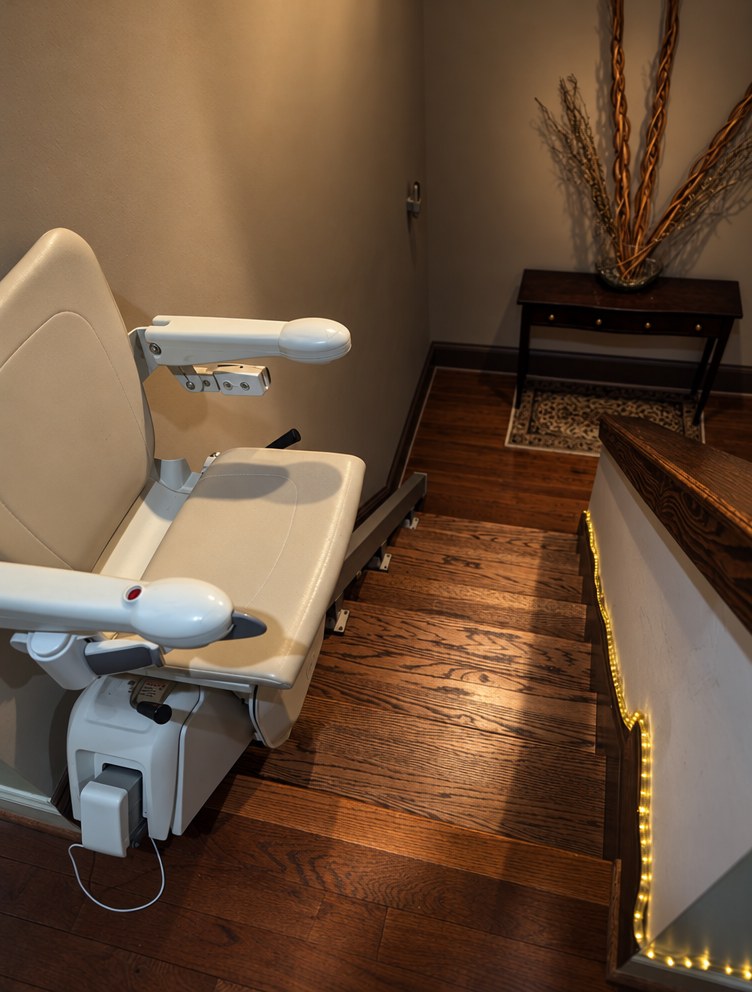
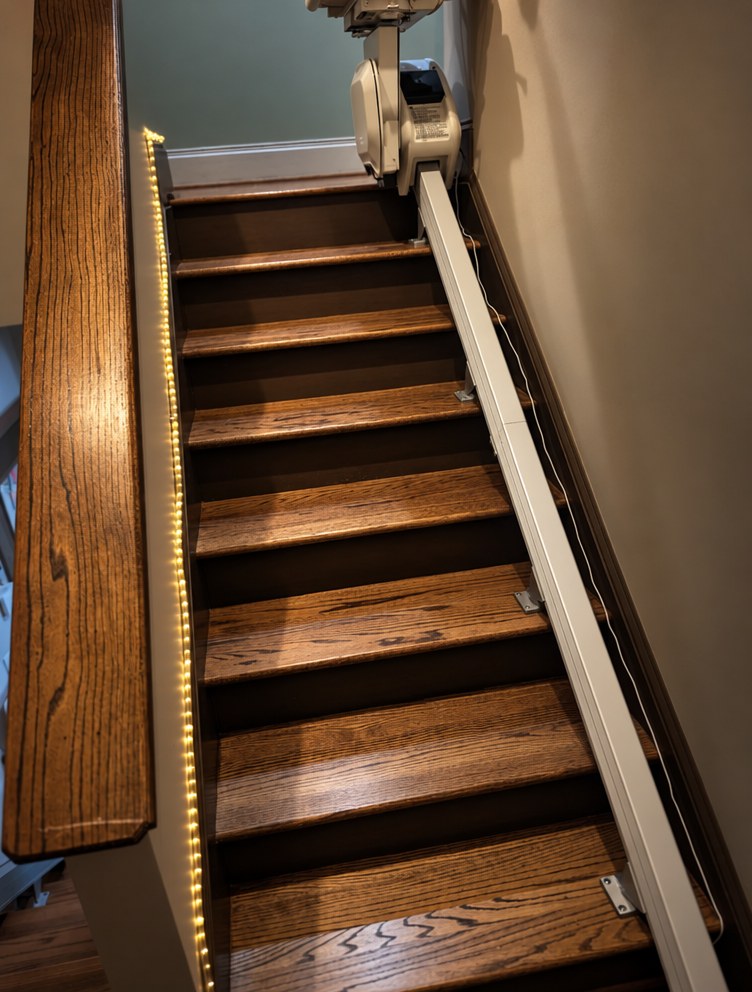
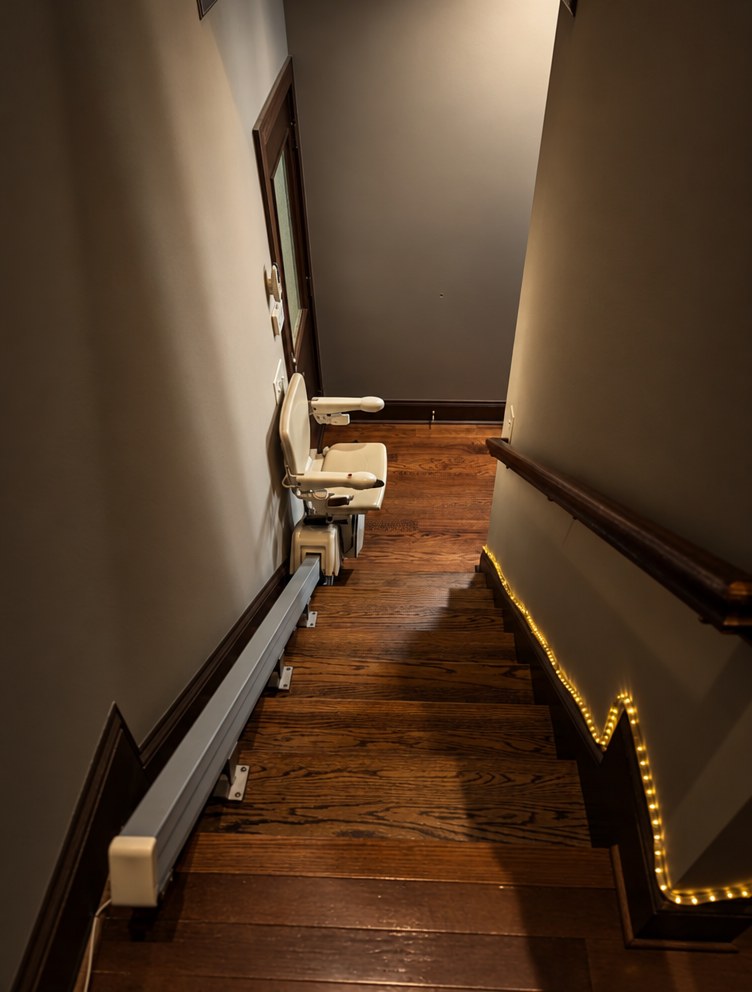
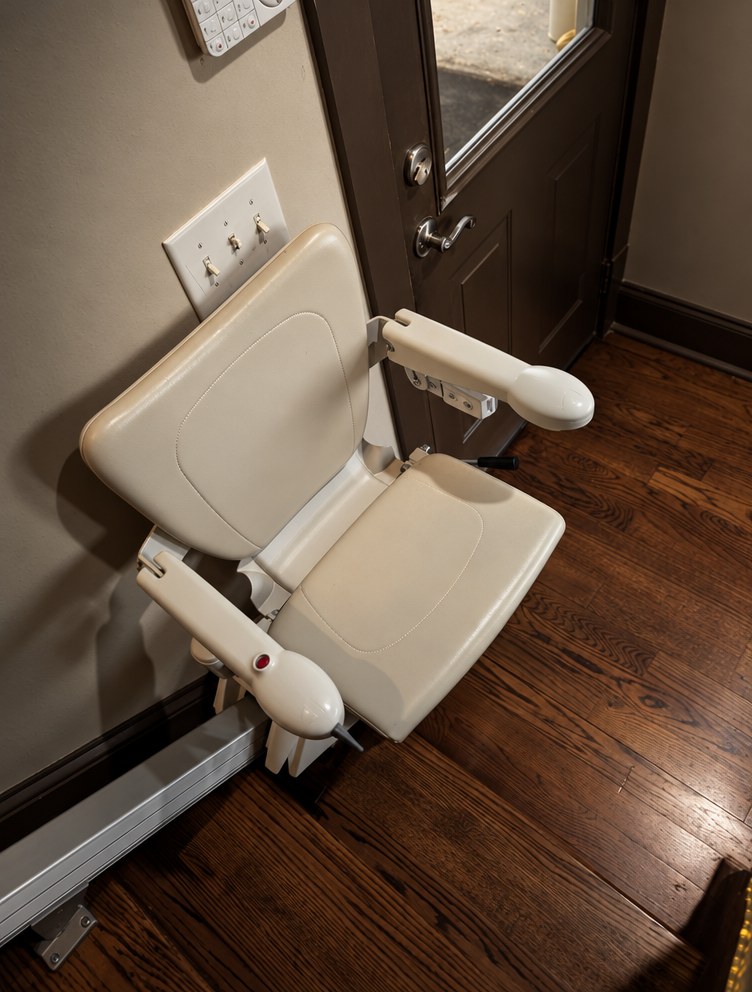
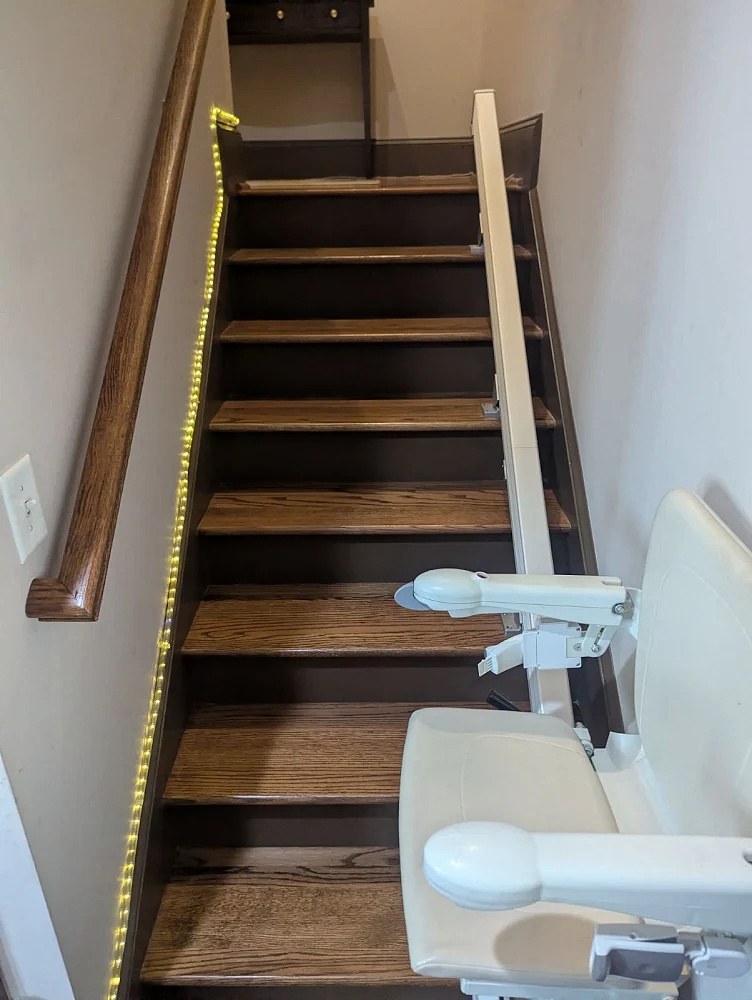
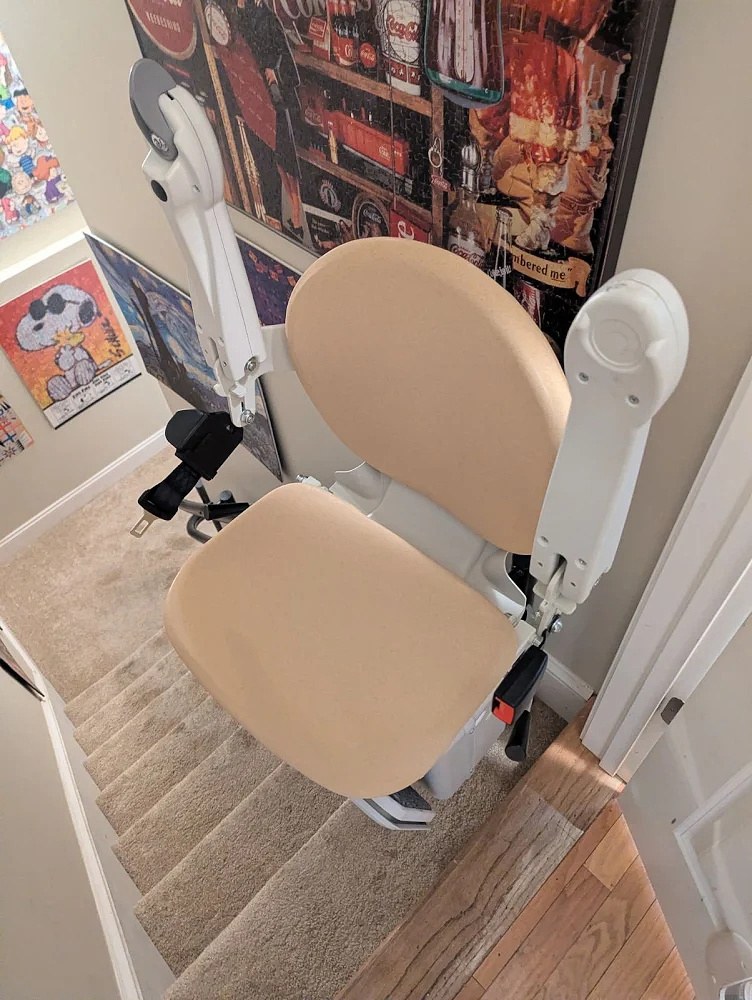
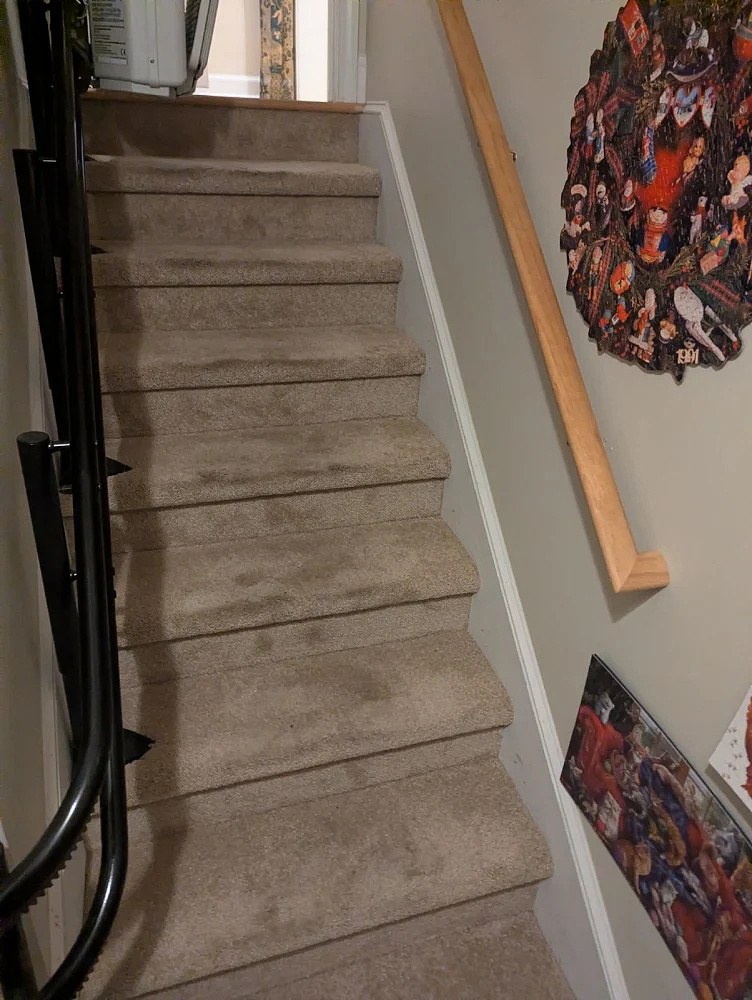
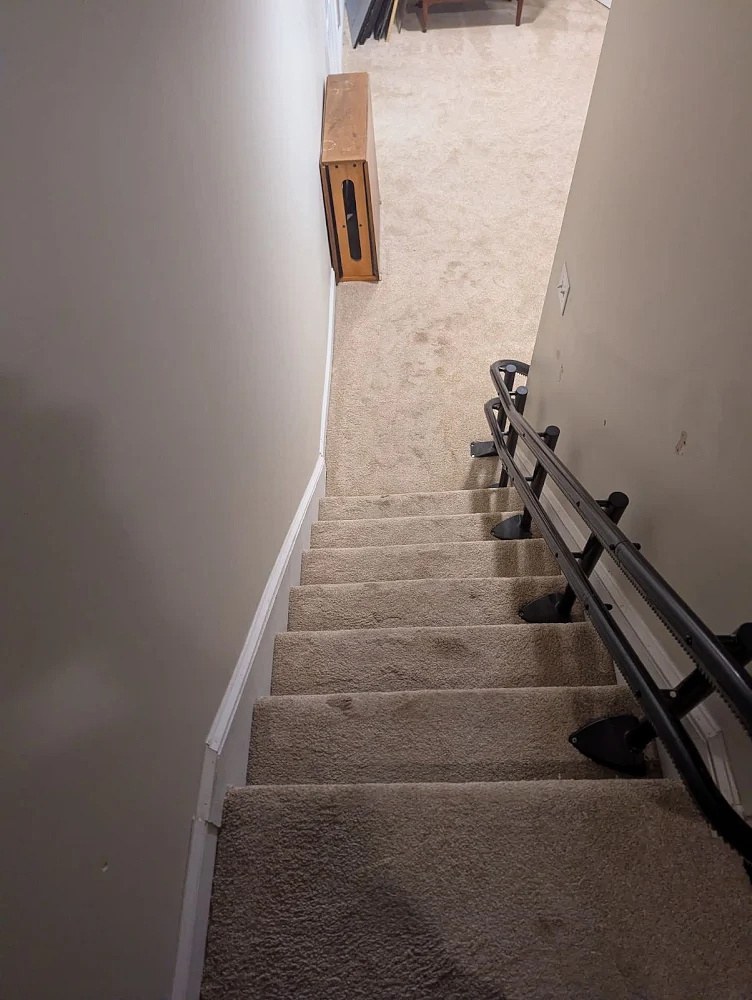
Real work in real homes and buildings, photographed on the day.
What Our Customers Say
Pulled directly from our verified Google reviews. We respond to every single one.
Customer reviews on Google
Mason is a wonderful service technician! We live in “rural country” of NE Georgia and he drove all this way to get my Dad’s chair lift up and running. Thank you, Mason AND Custom Mobility!
As a fellow business owner, I have seen this company do all of their work with as much professionalism and tact as any that I have ever encountered. I thoroughly enjoy actually witnessing people who care about their work and show it through their actions, and the owner at Customer Mobility is the ep…
My Service Technician is truly the best! He responded within a day and he fixed the chairlift in less than an hour! It’s reassuring to know that we can depend upon Custom Mobility!
For most adaptive driving equipment, yes. A driver rehabilitation specialist evaluation determines what suits you, and we install to that prescription.
That depends on the vehicle and the equipment. We check compatibility before you order anything, which is exactly the step that goes wrong when it is skipped.
A powered seat base that rotates out of the vehicle and lowers, so someone can sit down outside the door frame and be brought in, instead of transferring across a threshold.
Yes. Wheelchair lift preventive maintenance, securement service, and bus air conditioning for school districts and transit operators, with the documentation a state audit asks for.
Yes, in almost every case. Hand controls and left foot accelerators are designed so the vehicle drives normally for everybody else, and most are removable.
Usually not, and most people assume they do. Hand controls, a lift, or a turning seat solve a great many situations for a fraction of a conversion. Ask before you go vehicle shopping.
A second brake on the passenger side, for an instructor or a family member. Common where somebody is returning to driving after an injury.
Properly fitted equipment from established manufacturers does not generally affect it, though we would not ask you to take our word over your dealer's. We will tell you exactly what we are fitting and how.
A free survey, a written scope, and a number that does not move afterward.