You tell us what is difficult
Not what product you think you need. The stairs, the front step, the bath, getting into the car. Working out the product is our job.
A call, not a sales pitch
Free Consultation | Estimate
A mobility specialist will contact you shortly. All consultations, estimates, and scopes of work are provided completely free of charge. No pressure or obligation.
From the front door to the bus in the lot. Point at whichever is causing you trouble.
Doors a resident cannot pull open, thresholds that catch a caster, a few steps into a dining room or activity space.
Transfers between bed, chair, and bathroom. This is where staff injuries come from, and where the right equipment pays for itself twice.
The room where most falls happen, and where adult changing needs are the gap families notice first.
Chairs, scooters, walkers, and seating, whether the facility owns them or the resident brought them from home.
Appointments, outings, and family visits. The bus or van is part of the building as far as a resident is concerned.
Point at one.
No charge, no catch
We come to your community and work through residents' own equipment in one visit. Scooters, power chairs, wheelchairs, walkers, rollators, and lift recliners. Diagnostics, adjustment, and preventive maintenance, at no charge for the clinic.
It does not matter who sold the equipment. Most of what we find at a clinic came from somewhere else entirely, and a resident whose walker has been wobbling for months usually has not told anybody.
What it costs you
A room, a couple of hours, and a note on the activities calendar.
Anything that needs parts or a repair is quoted separately and approved before we touch it. Nothing is charged to a resident without their say so.
The equipment is the obvious part. These are the reasons operators keep us rather than rebid every year.
Ceiling track and proper transfer equipment take the lifting out of a caregiver's day. Workers compensation claims from manual handling are among the most expensive a community carries.
Resident equipment gets used hard and reported late. Regular clinics and service catch wear before it becomes a fall or a call to maintenance.
The bus lift, the ceiling track, the front door operator, and the resident scooters, from one company with one point of contact.
ATP and CRTS credentials on staff, so seating and mobility is specified with your therapists rather than picked from a catalog.
Installations scheduled around meals, activities, and shift changes, by technicians who are vetted and drug tested.
Dated service records per unit, which is most of what makes a state survey or a family question straightforward to answer.
Five steps. You can stop at any of them, and nothing is charged until you have said yes to a written scope.
Not what product you think you need. The stairs, the front step, the bath, getting into the car. Working out the product is our job.
A call, not a sales pitchOn site, at your address, free. We check the space, the power, and the structure, and we talk through how the room actually gets used.
Free, and no obligationAn itemized scope and a price, with the lead time stated honestly. The price you agree to is the price of the job. Take as long as you like with it.
The price does not moveOur own people, not a subcontractor, who stay until everyone who has to operate it can operate it confidently.
Our own crewsThe company that installed it is the company that maintains it. You are not handed to somebody else once the invoice clears.
Same company, years laterFour things we hear on nearly every call. Turn a card over.
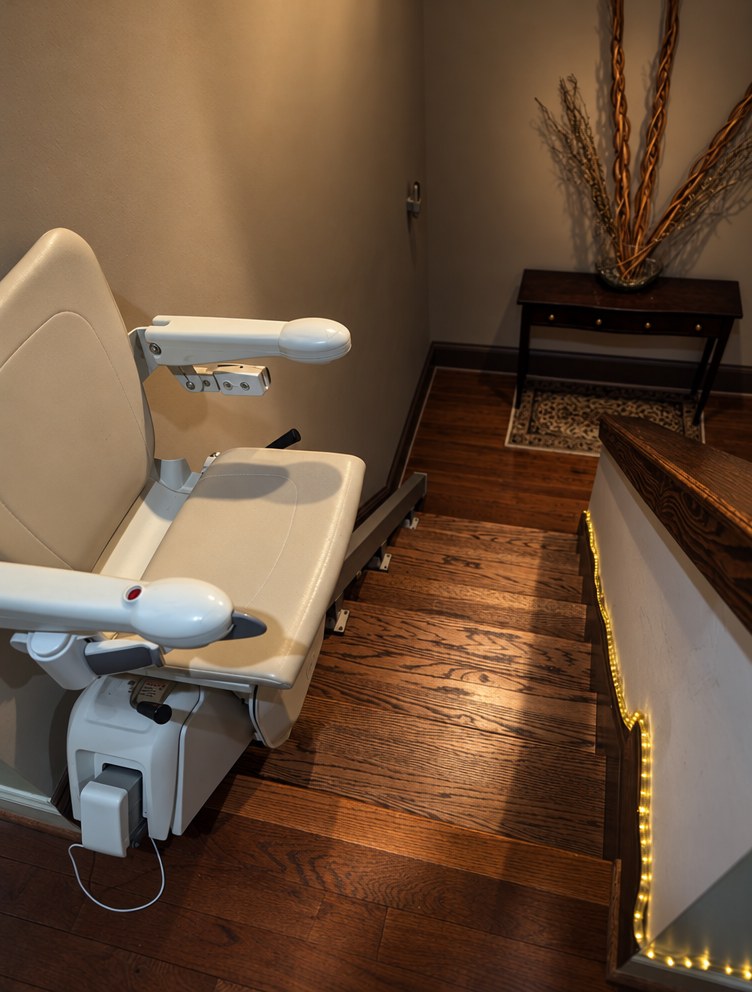
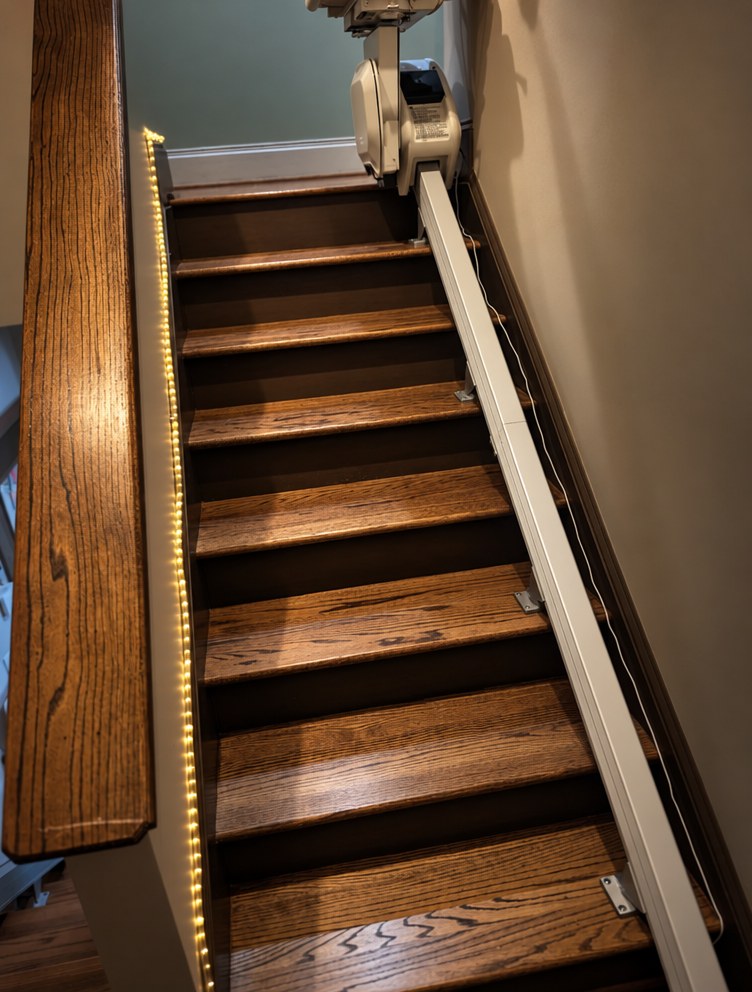
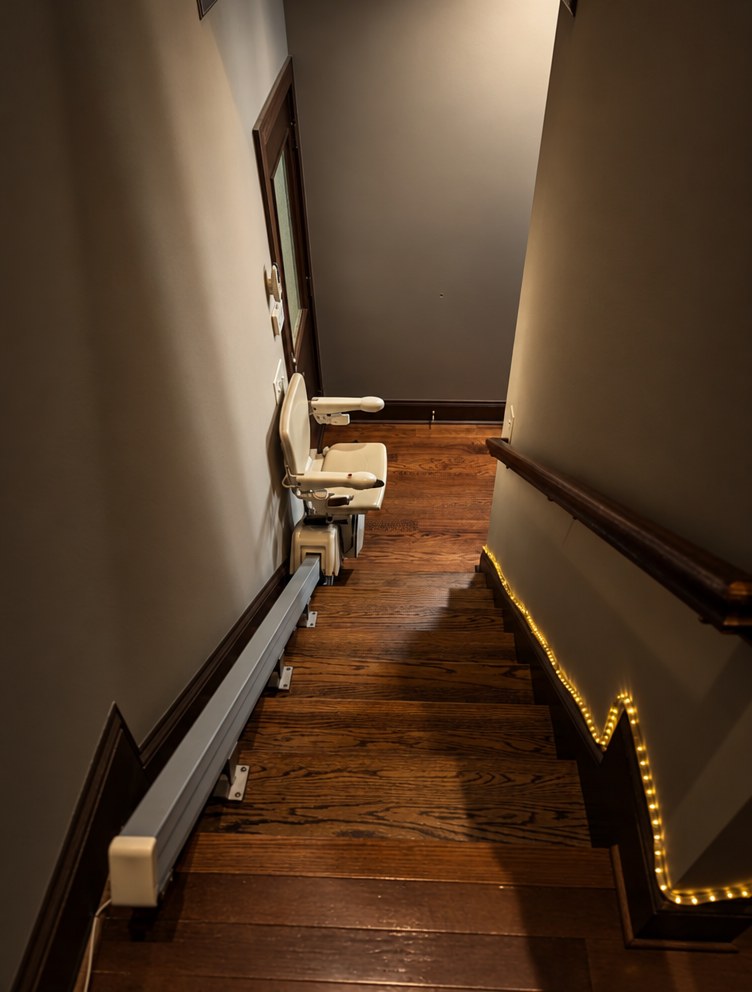
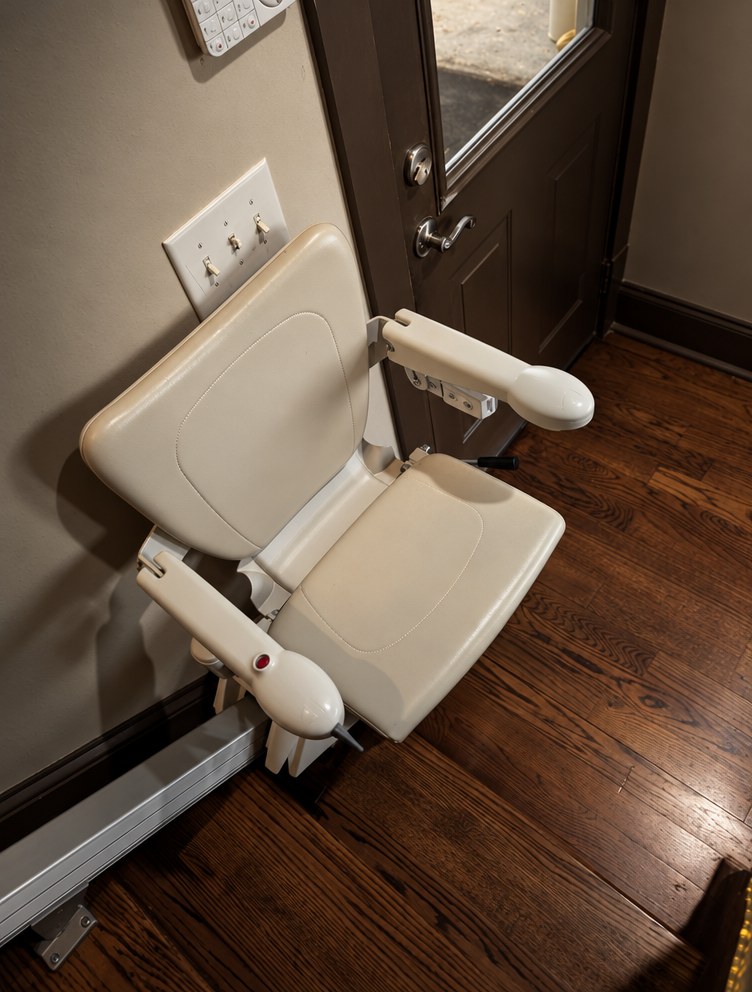
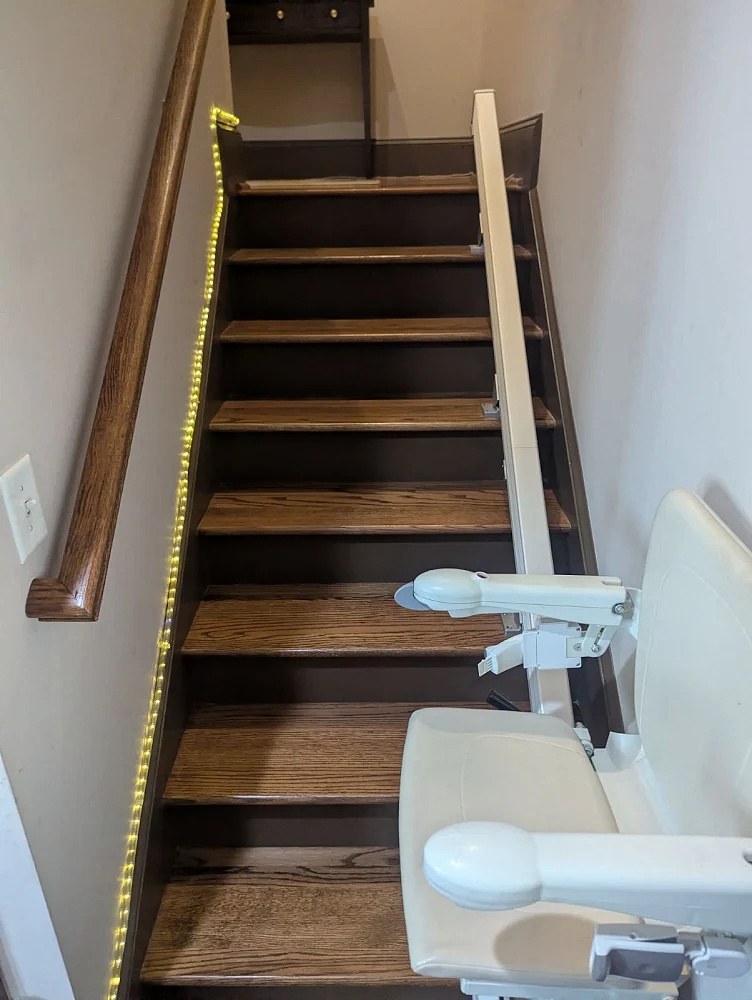
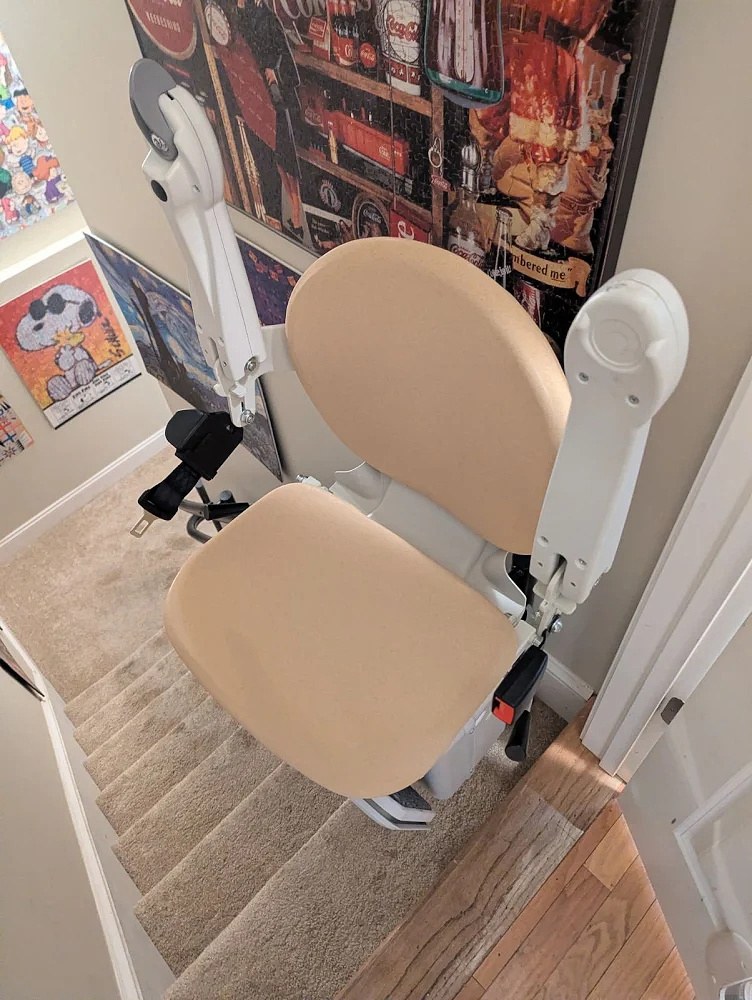
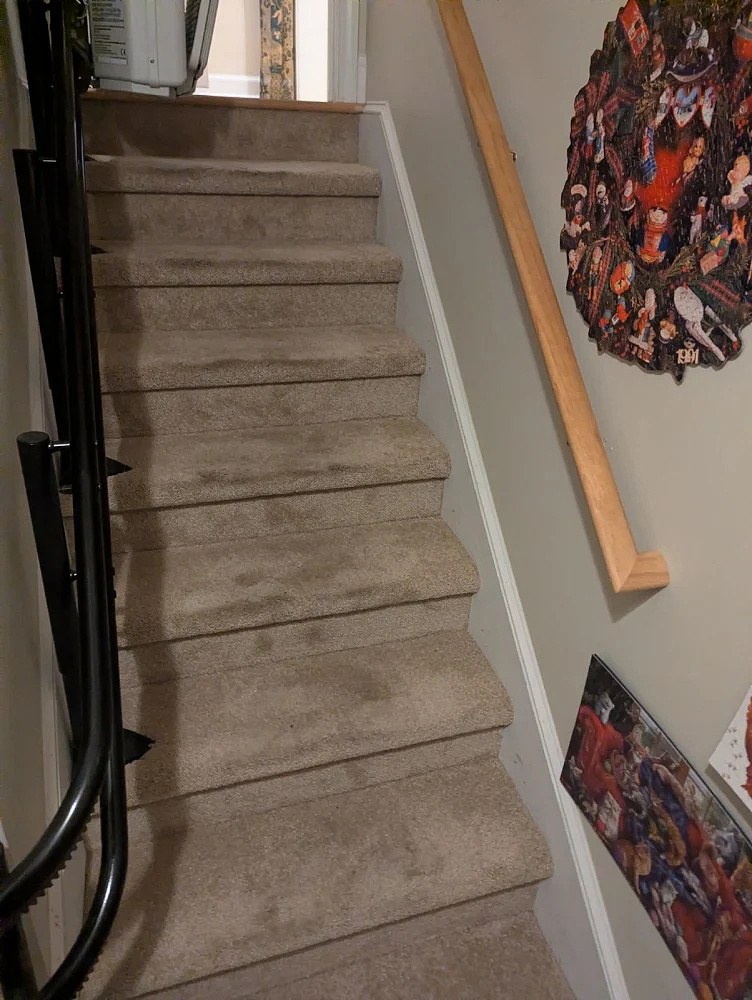
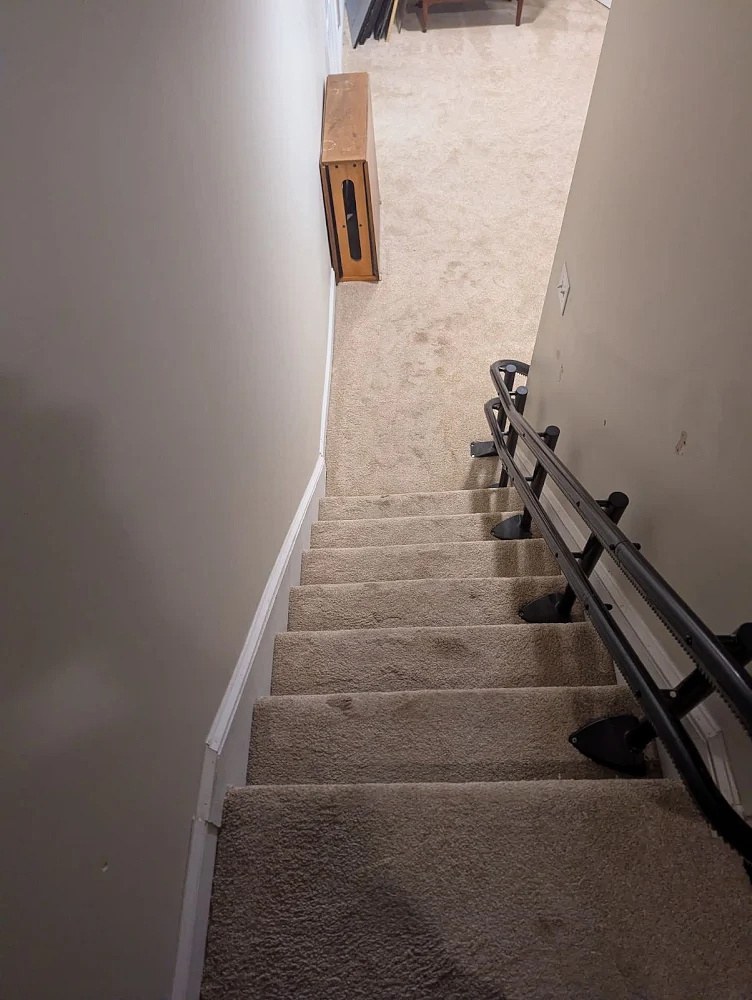
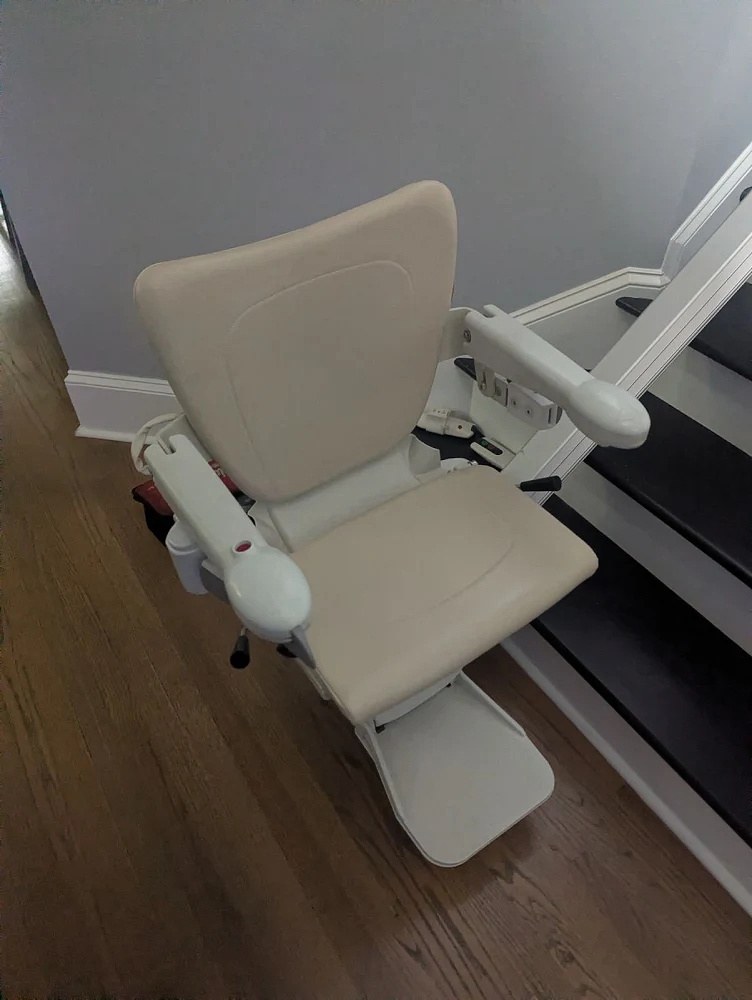
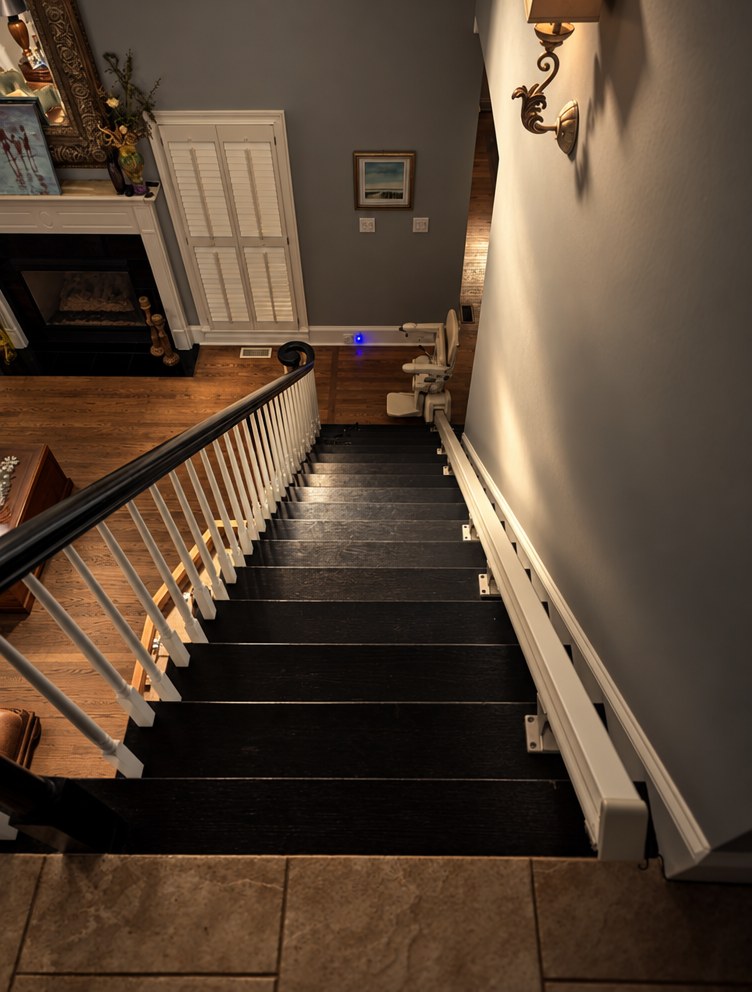
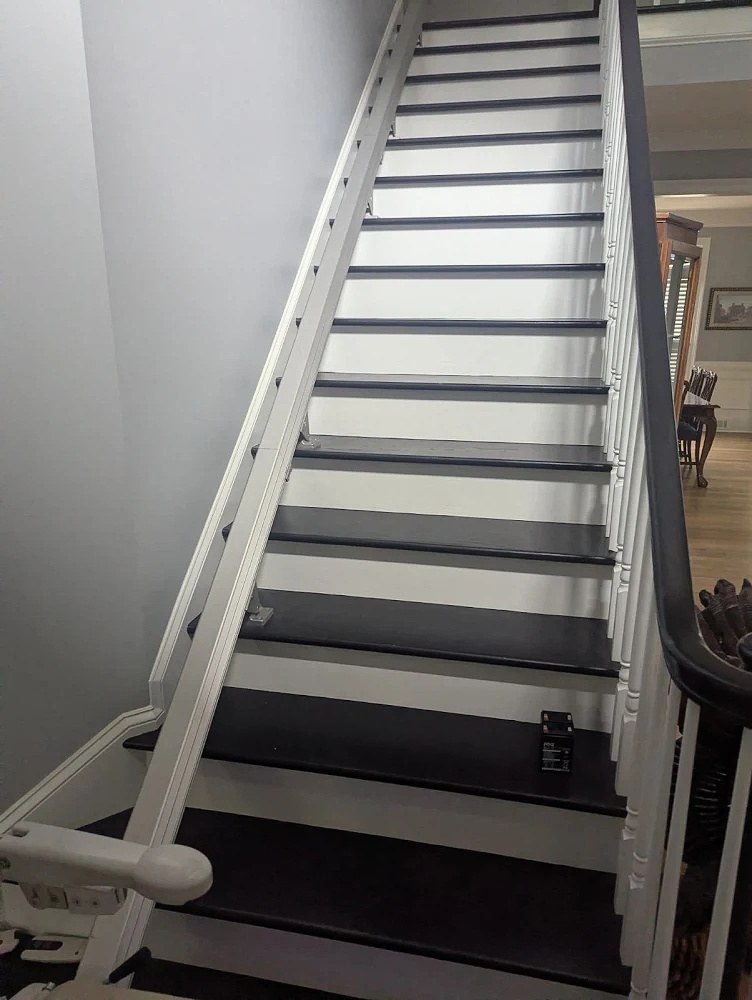
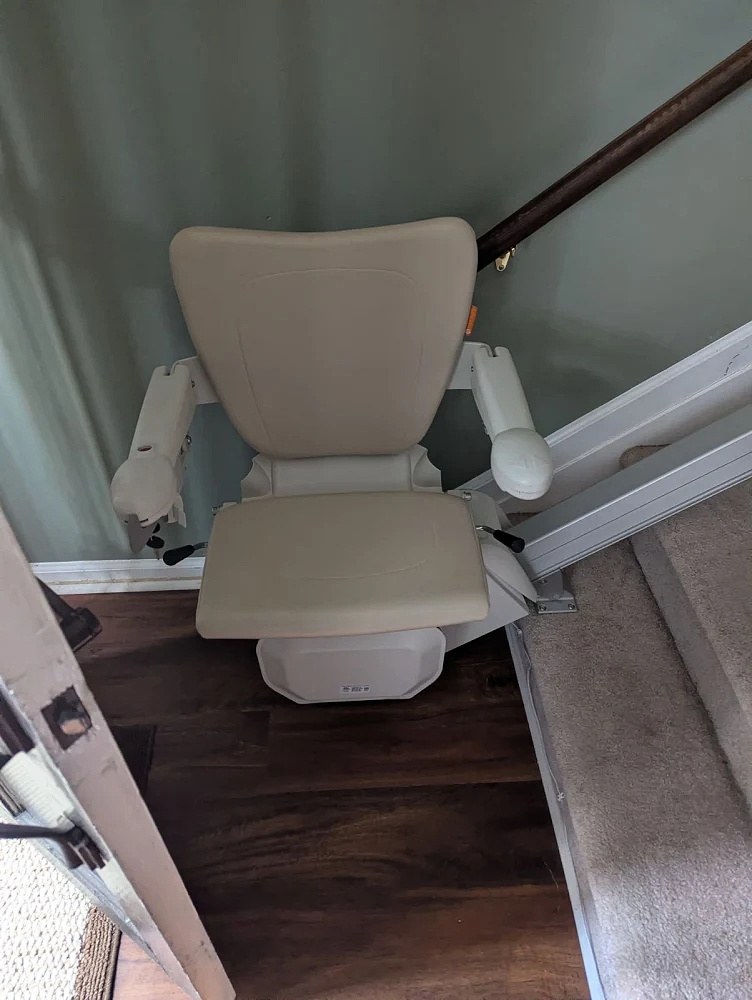
Real work in real homes and buildings, photographed on the day.
Anybody can sell equipment. Installing it legally, configuring it clinically, and servicing it afterward takes credentials that have to be earned and kept current. Here is what our team holds.
Licensed elevator mechanics, state by state. Residential elevators and platform lifts are regulated work in most jurisdictions, and this is the license that makes it legal to do.
RESNA-recognized credential for evaluating a person's needs and specifying the assistive technology that fits. This is who you want configuring a power chair or a seating system.
The credential for supplying individually configured complex rehab. It is what separates a supplier who works alongside your clinical team from one who ships a box.
Training in modifying a home so someone can stay in it. It is the difference between installing equipment and understanding the house it goes into.
Industry service certification covering installation, maintenance, and repair standards across mobility equipment.
Federal certification for handling refrigerant in vehicle air conditioning. It is required to legally service a bus AC system, and it is why fleet work is something we can actually take on.
Often, depending on the platform. Tell us what you have.
Yes. Service windows are agreed in advance and worked around the unit rather than through it.
Yes. One agreement covering several sites, with local execution at each, is a common shape for this work.
Our ATPs and CRTS, alongside your clinical team. For patient handling and seating in particular, specifying without the treating clinician produces equipment that gets abandoned.
We come to an assisted living or independent living community and work through residents' own equipment in one visit: diagnostics, tune-ups, and preventive maintenance on scooters, power chairs, walkers, rollators, and lift recliners. There is no charge for the clinic. Anything that needs parts or repair is quoted separately and approved before we touch it.
Yes, regardless of who sold it. That is most of what we find at a clinic.
Yes. Wheelchair lifts, securement, and vehicle air conditioning on buses and transit vans, scheduled around your transport calendar rather than ours.
Regularly. We schedule around meals, activities, and shift changes, and we will tell you honestly how long a room is out of use.
Thoroughly. Background checks and drug and alcohol testing, with documentation before the first visit if your policy requires it.
Often. Send us the finding. If it is an access or equipment issue we will scope the remediation and price it; if it is not, we will say so.
Yes, and we do not bill the community for it. Residents and families can buy through us, and we service what we sell.
Someone comes out, looks at the space, and tells you what it would take. No charge, no obligation.