Mobility equipment in a senior living community takes a beating. A wheelchair that rolled smoothly in March can develop a wobbling caster by August. A lift recliner that a resident depends on every evening can start hesitating on the way up. Walkers lose their rubber tips, scooters lose tire pressure, and grab bars work loose in a bathroom that gets used around the clock. None of these problems announce themselves loudly. They accumulate quietly until something stops working, and then a resident, a family member, and a wellness director are all trying to solve the same problem at once.
A free equipment tune-up clinic is one way to get ahead of that pattern. My Mobility Center sends its own mobile technicians to assisted and independent living facilities to inspect, adjust, and service resident mobility and accessibility equipment on site, at no cost to the community. This guide explains what a clinic involves, who it is for, and how to book one.
What a Senior Living Equipment Tune Up Clinic Actually Is
A tune-up clinic is a scheduled on-site service visit built around preventive maintenance rather than emergency repair. Instead of waiting for a resident’s wheelchair to fail or a stairlift to stall, the community sets aside a block of time, gathers the equipment that residents use, and lets trained technicians work through it systematically.
At My Mobility Center, every technician is a company employee rather than a subcontractor, and the work is performed with a mobile service vehicle rather than a drop-off appointment. That matters for senior living communities because residents rarely have a practical way to transport a power wheelchair or a scooter to a shop. The shop comes to them.
The clinic is offered free to assisted and independent living facilities. Communities should confirm the exact scope of the visit with the scheduler when booking, since the mix of equipment on hand varies enormously from one building to the next.
Why a Scheduled Clinic Beats Reactive Repairs
Reactive repair is expensive in ways that do not always show up on an invoice. A resident loses independence for a few days. Staff absorb extra transfer duties. Families field phone calls and worry. Maintenance directors spend hours hunting down a vendor who can come out quickly. A clinic compresses a lot of small, low-grade problems into a single planned visit before any of them become a crisis.
There is also a documentation benefit. When a technician inspects equipment on a regular cadence, the community builds a record of what was checked, what was adjusted, and what is likely to need replacement. That record helps with budget planning and gives families a clearer picture of when a piece of equipment is approaching the end of its useful life.
- Small faults get caught while they are still small, such as loose hardware, worn tips, and tired batteries.
- Residents keep using their own equipment instead of borrowing a loaner while repairs are scheduled.
- Staff time shifts away from chasing vendors and toward resident care.
- Families get a straightforward answer when they ask whether a parent’s scooter is still safe to use.
Which Equipment Belongs on the Clinic Checklist
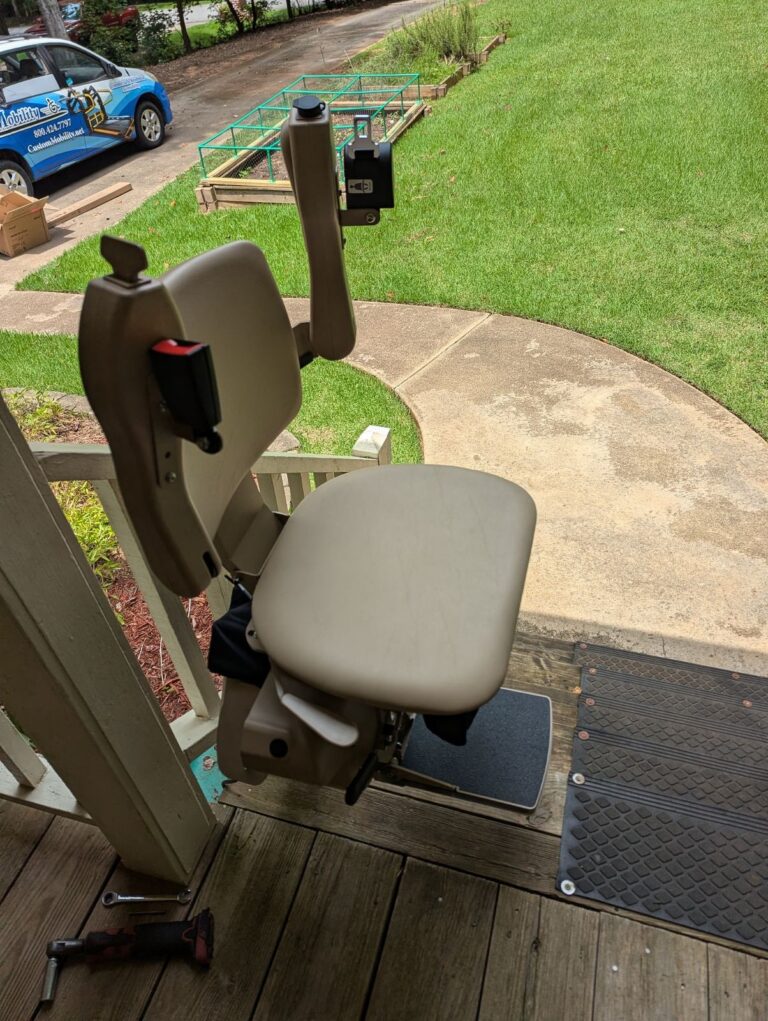
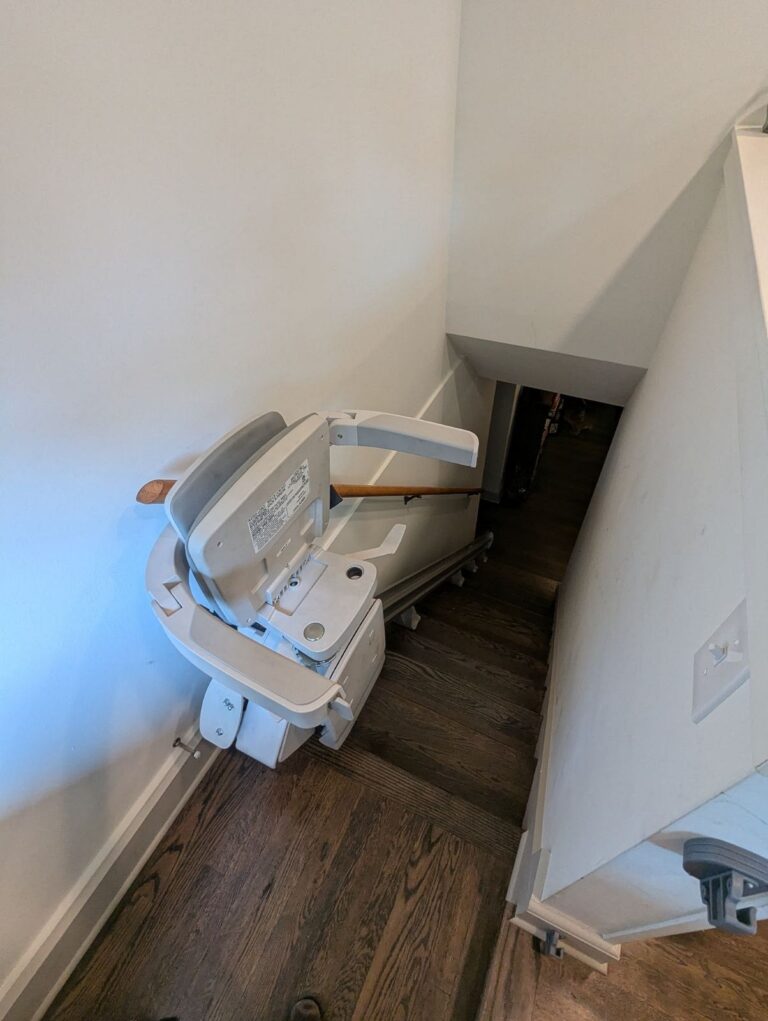
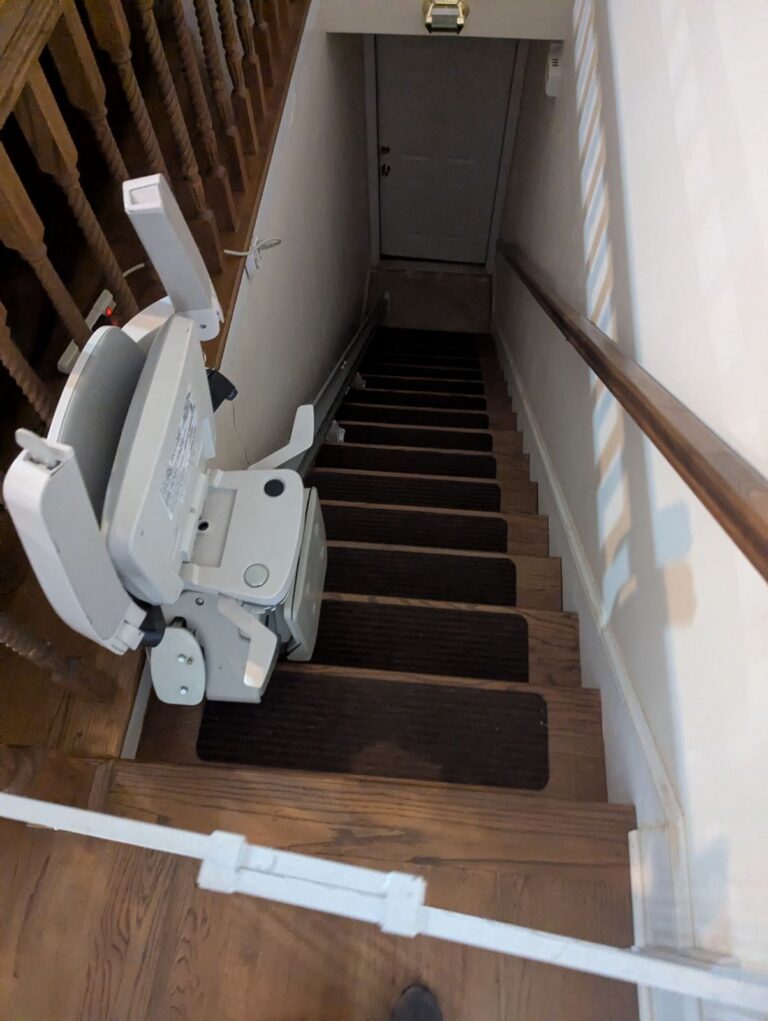
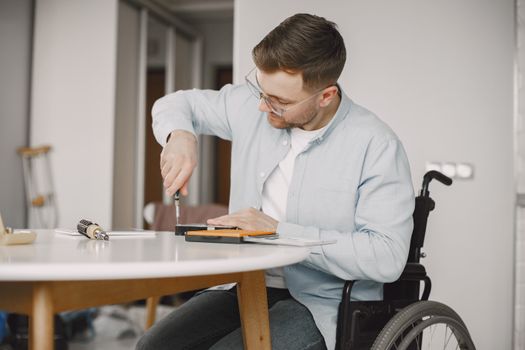
The right equipment list depends on the community. Independent living buildings tend to see more scooters, power wheelchairs, and personal vehicles, while assisted living and memory care settings often have a heavier concentration of manual wheelchairs, walkers, rollators, lift recliners, and patient lifts. Skilled communities and continuing care campuses may also maintain shared equipment such as ceiling lift track systems, stairlifts, platform lifts, ramps, and automatic door openers.
Residents commonly bring or use the following categories, and each one benefits from a periodic look:
- Power wheelchairs, scooters, and manual wheelchairs
- Walkers, rollators, and canes
- Lift recliners and patient lifts
- Stairlifts, residential elevators, through-floor lifts, and vertical platform lifts
- Ceiling lift track systems and slings
- Grab bars, bathroom safety products, and showering equipment
- Ramps, thresholds, and automatic door openers
- Complex rehab technology, seating, and postural support equipment
- Scooter and wheelchair lifts installed on resident vehicles
Shared building equipment and resident-owned equipment are different service categories, so it helps to note which is which before the visit. A technician who arrives expecting twelve personal wheelchairs and finds a stairlift and a commercial platform lift in the mix will need a different plan for the day.
How to Book a Clinic, Step by Step
Booking is not complicated, but a little preparation up front makes the visit far more useful. The following sequence works well for most communities.
- Confirm the community is inside the service area. My Mobility Center installs and services equipment in 32 states, so the first question is simply whether the building falls within that footprint.
- Reach out through the website with the community name, address, and a short description of the setting, whether that is independent living, assisted living, memory care, or a continuing care campus.
- Put together a rough equipment inventory. A count by category is enough at this stage. Twenty manual wheelchairs, six scooters, four lift recliners, and one shared stairlift tells the scheduler far more than a general request for a visit.
- Note any equipment that is already misbehaving. A resident scooter that will not hold a charge, a walker with a dragging brake, or a lift recliner that has stopped reclining all deserve a flag on the request.
- Offer a few preferred dates and a realistic window of time. Clinics work best when there is enough room in the schedule to work through the list without rushing.
- Ask what the technician will need on arrival. Access to a service entrance, a place to park a mobile service vehicle, and a designated room or covered area for equipment staging are typical considerations.
- Get the confirmed date in writing and share it with department leads, so nursing, maintenance, and life enrichment are all working from the same calendar.
Preparing Residents, Families, and Staff Before the Visit
The clinics that run smoothest are the ones where residents already know what is happening. A short notice in the activity calendar, a mention at a resident council meeting, and a message to family members is usually enough. The message should say clearly that the visit is a free inspection and tune-up, not a sales appointment, and that residents are not obligated to purchase anything.
Families often have questions about equipment that was purchased elsewhere or handed down from a relative. Communities should invite those residents to bring the equipment anyway. A tune-up clinic is a service visit, and My Mobility Center is an authorized dealer for more than 40 manufacturers, which means technicians frequently have access to the parts and information needed for brands the community did not buy from the company directly.
Staff preparation matters too. A simple sign-in sheet with resident name, room number, equipment type, and the specific concern helps the technician triage quickly. Labeling equipment with resident names before the visit prevents mix-ups later, especially with walkers and rollators that look identical in a hallway lineup.
Making the Day Itself Run Smoothly
On the day of the clinic, the goal is a steady flow of equipment rather than a pile-up. Communities typically do best with a staging area near the service entrance, a staff member or volunteer who can help move equipment, and a schedule that brings residents down in small groups rather than all at once.
Some residents will want to be present while their equipment is inspected, and that is worth accommodating. It gives them a chance to describe the small annoyances that never make it into a work order, such as a seat that is not quite comfortable or an armrest that sits too low. Other residents will prefer to hand over the equipment and return later. Both approaches work as long as someone is tracking which items have been seen and which are still waiting.
It also helps to keep a running list of anything the technician identifies as a bigger job. Not every finding can be resolved during a tune-up. Some issues need a follow-up appointment, a part order, or a conversation with the family about replacement. Capturing those items in writing on the day of the visit saves a great deal of reconstruction afterward.
After the Clinic: Turning Findings Into a Plan
A clinic produces more than adjusted equipment. It produces information. Communities should expect a summary of what was inspected, what was corrected on site, and what needs attention next. That summary is useful for maintenance planning, for capital budgets, and for conversations with families who are trying to decide whether to repair a scooter or replace it.
For communities that also operate vehicles with wheelchair lifts or bus air conditioning, the same preventive mindset applies to the fleet. My Mobility Center provides fleet wheelchair lift preventive maintenance, securement service, and bus air conditioning work alongside the on-site clinics, and offers Wheelchair Lift Operational Safety Training for staff who load and unload passengers. Building a clinic into the annual calendar, alongside fleet service, keeps both resident equipment and transportation equipment on a predictable rhythm.
Questions Worth Asking Before You Book
Most communities have a short list of practical questions before they commit a day to a clinic. It is reasonable to ask how the visit will be staffed, how long the technicians expect to be on site, what happens with equipment that needs parts, and whether follow-up appointments can be scheduled at the same time. It is also reasonable to ask whether the clinic can be repeated on a regular cadence, since the value of preventive maintenance compounds when it is not a one-time event.
Communities outside the 32-state service area should ask directly rather than assume. And any community with unusual equipment, such as a large ceiling lift track installation or a mixed fleet of resident vehicles with scooter lifts, should describe it during booking so the visit is staffed appropriately.
The simplest way to start is to gather a rough inventory, pick two or three candidate dates, and reach out through the My Mobility Center website. A free tune-up clinic asks little of a community beyond a room, a list, and a day on the calendar, and it returns something more valuable than adjusted equipment: a clearer picture of what residents rely on and what that equipment needs next.
Frequently Asked Questions
Is the tune-up clinic really free for the community?
Yes. My Mobility Center offers free on-site equipment tune-up clinics at assisted and independent living facilities. The inspection and adjustment work is provided at no cost to the community. Residents are never obligated to purchase anything, and any recommended repair or replacement is discussed separately so families can decide on their own timeline.
Does a clinic only cover equipment the community bought from My Mobility Center?
No. Residents can bring equipment regardless of where it was purchased. My Mobility Center is an authorized dealer for more than 40 manufacturers, so technicians regularly work on brands the community did not buy directly. Communities should still note the brands and models on hand when booking so the visit can be planned properly.
Can residents keep using their equipment during the visit?
In most cases yes, though there may be short interruptions while a specific item is being inspected. Residents who need their wheelchair or scooter continuously should mention that when the schedule is set, so the technician can work around it. Communities typically stage equipment in small groups to keep disruptions brief.
What if a technician finds a problem that cannot be fixed that day?
Some findings require a part order or a follow-up appointment. When that happens, the issue is documented so the community and the family have a clear record. Scheduling the follow-up visit at the same time as the clinic is often the easiest way to keep the repair from drifting.
How far in advance should a community book?
Timing depends on the service area, the size of the equipment list, and the technician schedule, so it is best to ask directly when submitting a request. Communities that want a recurring clinic should say so up front, since planning several visits at once is generally easier than booking each one separately.