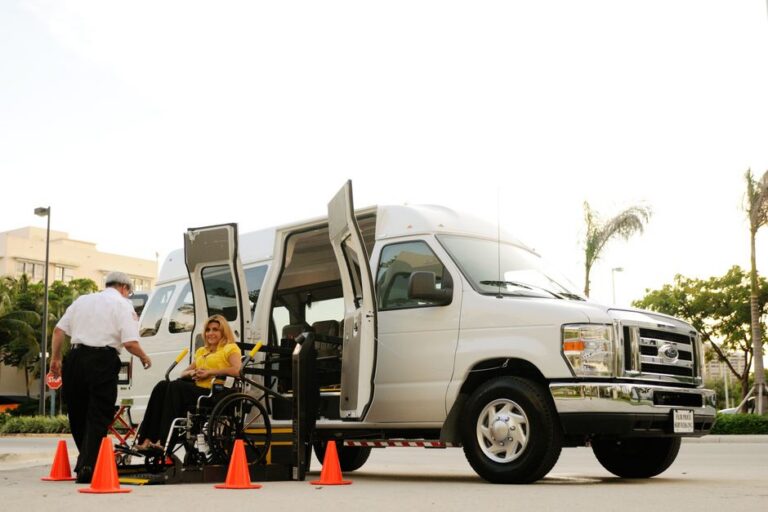
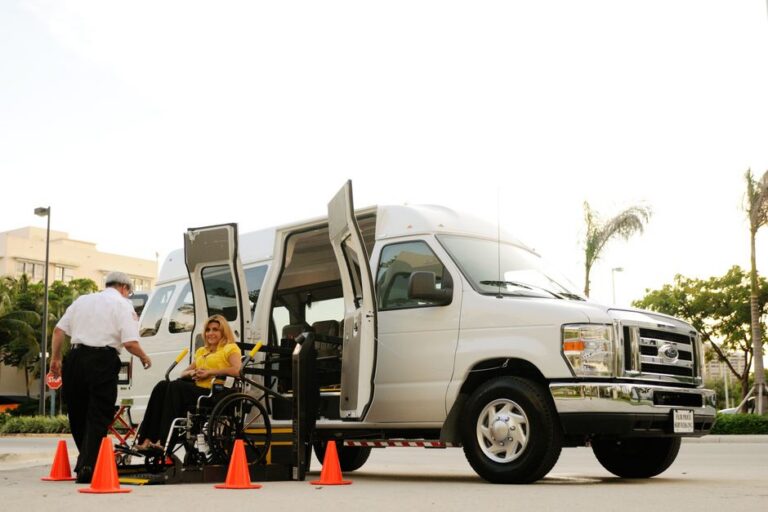
Ask a transportation department when a specific wheelchair lift was last serviced and you will usually get the date the bus was serviced. Those are not the same thing, and the difference is the whole problem.
Per unit, not per bus
A bus goes through a PM cycle. The lift on it may or may not have been opened, tested under load, or inspected at all, depending on who did the work that day and what the checklist said.
When a lift fails on a route, the question is what was found last time and what was deferred. A record organized per bus cannot answer that. A record organized per lift, with a unit number, a date, findings and what was authorized, answers it in seconds.
That is the single most useful change a district can make, and it costs nothing but how the paperwork is kept. Our transit page sets out the format we use.
What a real inspection covers
- Cycle under load, not empty. A lift that runs fine unloaded can stall with weight on it.
- Interlocks tested, not looked at. The lift must not move with a door or gate open.
- Rollstop and barrier arm function through the full cycle.
- Hydraulic condition: fluid level, weeps at fittings, hose chafe where the harness passes the frame.
- Electrical: connector corrosion, harness routing, control pendant condition.
- Structure: mounting bolts torqued, platform for cracking at the hinges.
- Backup operation demonstrated, because that is what gets used in a failure on a route.
Securement is a separate system
The commonest gap we find. A chair anchored with four tie-downs and an occupant with no separate restraint is not secured.
Webbing is a wear item. It frays, it gets closed in doors, and it gets cut. Straps are replaced rather than repaired, and a strap with a knot in it is out of service.
Count the sets on each bus against what the route requires. Fleets routinely run short and nobody has counted.
What actually takes buses off the road
In our experience, in order: batteries and charging faults, hydraulic leaks that were visible at the last inspection, interlock switches, corroded connectors, and rollstops that have been bent and straightened.
Nearly all of that is findable on a schedule. That is the argument for PM rather than a maintenance philosophy.
Scheduling around routes
The reason fleet PM slips is that it competes with service. We work in your yard, on your schedule, in the windows the buses are actually parked, which for most districts means summer, breaks and mid-day layovers.
A program that requires buses to come to a shop is a program that will be deferred.
Repair authorization
Agree the threshold before anybody starts. Below a set figure, fix it and report. Above it, quote and wait. Without that rule, a PM visit turns into a series of phone calls and half the findings get deferred into next year.
Training the people who use it
Drivers and monitors operate this equipment daily and are frequently shown it once. Lift operation, securement, and what to do when a lift stops mid-cycle with a student on it. Our training page covers the format.
Our school accessibility guide covers the rest of what a district should be checking, and smaller equipment ships free from our online shop.
What the manufacturers require
Lift manufacturers publish inspection intervals and they are usually more frequent than a district’s PM cycle. Daily or pre-trip checks by the driver, a monthly function check, and a full inspection at a set interval.
Where a district runs on the bus cycle alone, the monthly checks are the ones that disappear. Building them into the driver’s pre-trip is the cheapest fix available, because the person is already walking the bus.
Documentation that survives an incident
If something goes wrong with a student on a lift, the questions come fast: when was it last inspected, what was found, what was authorized, what was deferred and why.
A record per unit answers all five. A record per bus answers none of them, and that is a real exposure rather than a paperwork preference.
Spares worth holding
Interlock switches, rollstop springs, hydraulic hoses for the common runs, securement straps, and a control pendant. None is expensive and each one is a bus back in service the same day rather than the following week.
Ask whoever does your PM which failures they see most on your specific lift models, and stock those. Bruno and Harmar both publish parts channels through authorized dealers.
Starting a program mid-year
Districts usually inherit a fleet with no per-unit history at all. The first pass is therefore a baseline rather than a PM: every lift inspected, every finding recorded, every unit numbered, and a condition grade assigned.
That baseline is what makes the second year useful, because from then on every visit has something to compare against. Expect the first pass to produce more findings than any subsequent one, and expect a meaningful share of them to be deferred repairs somebody already knew about.
Budget for that honestly rather than being surprised by it in month two. A first-year finding list is a picture of the fleet you actually have rather than a criticism of anybody.
Who should hold the record
Transportation, not the vendor. We provide the documentation and the district owns it, because the questions that get asked after an incident are asked of the district.
Our transit page sets out the format, and our school accessibility guide covers the buildings side.
Daily and weekly checks that cost nothing
Built into a driver’s existing pre-trip walk, these catch a meaningful share of failures before a route rather than during one.
- Cycle the lift fully, empty, once.
- Look at the platform surface and the rollstop for damage.
- Check the securement straps are present, complete and undamaged.
- Check the interlock stops the bus from moving with the lift deployed.
- Note anything different: a new noise, slower travel, a hesitation.
Two minutes. The value is not the inspection, it is that somebody is looking at the lift every day rather than every quarter.
Reporting that produces action
Give drivers a structured way to report: bus number, lift symptom, when it happens in the cycle, and whether it is intermittent.
“Lift not working” produces a shop visit where everything functions. “Stalls halfway on the way up with a load, fine empty” produces a diagnosis.
What the record should contain per unit
Unit and bus number, date, who inspected, what was found, what was repaired, what was deferred and why, parts used, and a condition grade. Signed.
That last column, what was deferred and why, is the one that matters after an incident and the one most often absent.
Seasonal timing
Summer is the obvious window and it is also when districts are trying to do everything else. Breaks and mid-day layovers absorb more work than people expect, and a program that uses them keeps buses available.
Plan the year backward from the first day of school rather than forward from June.
Training belongs in the program
Drivers, monitors and substitutes, on lift operation and securement, on the equipment they actually have. Our training page covers the format, and our school guide covers the buildings.