Passengers trust the lift because the person at the controls knows what they are doing. That trust is built on training, not instinct. Wheelchair lift operational safety training gives drivers, attendants, and maintenance staff the procedures, limits, and habits that keep every boarding and deboarding predictable, and it is what separates a routine stop from an injury report.
Lifts are reliable machines, but they are still machines with weight limits, moving parts, and safety interlocks that only do their job when the operator understands them. This article covers what your team should know before anyone touches a lift control, how to structure a training session, and why untrained repairs tend to make a bad situation worse.
What wheelchair lift operational safety training actually covers
Professional training programs for fleets treat lift operation and passenger securement as one combined skill set. Attendees learn the basics of operating a wheelchair lift or ramp, proper wheelchair securement, and the securement equipment that goes with it. That pairing matters, because a passenger who is lifted safely but not secured properly is still at risk once the vehicle moves.
Manufacturers publish operating instructions for each lift model, and those documents set the baseline for any training program. For example, the operating instructions for the RICON S-Series and K-Series public use wheelchair lifts include safety precautions, daily safety check instructions, control and indicator descriptions, and step-by-step operating instructions. The manual states directly that this chapter must be thoroughly understood by the operator before the lift is used. Whatever brand your organization runs, the model-specific manual should be the backbone of your training, not a supplement to it.
Safety precautions that apply to every lift, every time
Some rules do not change with the model, the route, or the passenger. These are the ones to drill until they become automatic.
Respect the load limit
Lifts must not be operated with a load in excess of 800 lbs (364 kg). That figure comes straight from the operating instructions, and it is a hard limit, not a guideline. Overloading a lift strains the mechanism and puts both the passenger and the operator at risk. Staff should know the rated capacity of their specific equipment and never assume a heavier occupant plus a heavy power chair is within range.
Park on level ground before deploying
Deploying a lift while the vehicle sits on sloped ground is hazardous. The vehicle must be safely parked with the parking brake on before the lift is used. An operator who skips this step is gambling with the stability of the platform and the safety of whoever is on it. Level ground and an engaged parking brake come first, ahead of any passenger request to hurry.
Keep arms, legs, and clothing clear of moving parts
Hands, feet, loose clothing, and straps should stay away from the lift mechanism whenever it is in motion. This is one of the simplest rules to teach and one of the easiest to forget in a busy loading zone. Attendants should also keep bystanders back from the platform path until the cycle is complete.

The pre-operation walkthrough
A short, consistent check before the first passenger of the day catches most problems while the vehicle is still parked. The table below shows the core items and what each one protects against.
| Check before use | Why it matters |
|---|---|
| Level, stable parking surface | Deploying a lift on sloped ground is hazardous |
| Parking brake engaged | The vehicle must be safely parked with the brake on before lift operation |
| Power supply verified | A lift that will not respond may simply not be connected to a working power source |
| Load weight within limits | Never operate with a load over 800 lbs (364 kg) |
| Interlocks functioning | Interlocks are designed to prevent operation of the vehicle or lift in unsafe situations |
| Clearance around moving parts | Arms, legs, and clothing stay away from the mechanism |
Wheelchair securement belongs in the same lesson
Driver training programs put lift operation and securement side by side for a reason. Trainees take turns using a wheelchair lift and practicing the proper procedures for loading and securing a wheelchair passenger. Hands-on repetition prepares drivers for the real conditions they will meet with actual passengers, including wheelchairs with unusual frames, power chairs with their own weight distribution, and riders who need extra time.
Classroom instruction can be held at your facility or at an off-site location, and the strongest programs combine that classroom time with supervised practice on the equipment your staff actually uses. Reading about a tie-down strap is not the same as adjusting one under a time constraint with a passenger waiting.
Interlocks: the feature operators misunderstand most
Wheelchair lift safety interlocks are designed to prevent operation of the wheelchair van or the wheelchair lift in unsafe situations. When an interlock stops a cycle, it is doing its job. It is not an obstacle to work around.
Staff should be trained on what each interlock on their equipment does, what conditions trigger it, and who to contact when it engages unexpectedly. Anyone who has been taught to defeat an interlock has been taught the wrong lesson. A lift that refuses to move is a signal to stop and investigate, and that instinct should be reinforced in every refresher session.
Why untrained repairs cause bigger problems
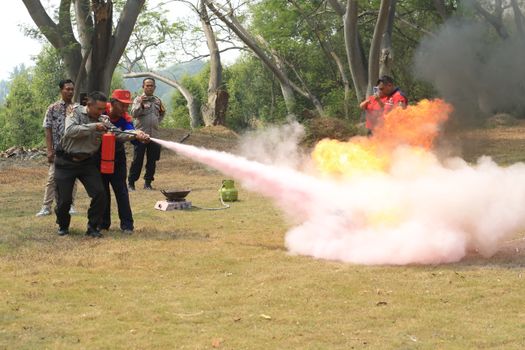
Attempting to repair a wheelchair lift without proper training can result in further damage or compromise the safety features, increasing the risk of accidents. The honest answer for most operators is that troubleshooting ends at the power supply. If the lift does not respond, verify that it is connected to a working power source, then schedule a service call with a trained technician.
Complex commercial lifts demand real expertise. One commercial lift supplier notes that general contractors often lack the specialized factory training that this equipment requires. If general contractors can fall short of the bar, a driver with a multitool definitely can.
How to structure a training program that sticks
A practical program for a fleet, campus, or care facility usually includes several layers rather than a single session.
- Classroom orientation covering safety precautions, load limits, parking requirements, and the purpose of interlocks.
- Hands-on practice with drivers taking turns operating the lift and securing a wheelchair passenger.
- Daily safety checks built into the pre-trip routine, using the model-specific operating instructions as the reference.
- Documentation that records who was trained, on which equipment, and when, so new hires and vacancies do not leave gaps.
- Refresher sessions and re-training after any incident, near miss, or equipment change.
Pairing that structure with scheduled preventive maintenance keeps the training current with the machine. When a technician services a lift on a regular cadence, they catch worn parts before they fail and can flag anything operators need to do differently.
Who on your team needs this training
Anyone who operates, inspects, or supervises a lift should be trained. In practice that includes transit and paratransit drivers, school district transportation staff, hospital and clinic transport teams, senior living and assisted living drivers, shuttle operators, and the maintenance personnel who inspect the equipment between service visits.
Organizations across many states run these programs, and some mobility providers deliver training on site as part of a broader fleet service agreement that also covers wheelchair lift preventive maintenance, securement service, and compliance audits. Bringing the training and the maintenance to the same provider keeps the manual, the equipment, and the procedures aligned.
Frequently Asked Questions
What is the maximum weight a wheelchair lift should carry?
Published operating instructions for the RICON S-Series and K-Series public use lifts specify a limit of 800 lbs (364 kg). Lifts must not be operated with a load above that figure. Always confirm the rated capacity in the manual for your specific model, since the limit can vary by manufacturer and application.
Can staff repair a lift themselves when it stops working?
Basic troubleshooting should stop at verifying that the lift is connected to a working power source. Attempting repairs without proper training can cause further damage or compromise the safety features, increasing the risk of accidents. If the power check does not resolve the issue, schedule a service call with a trained technician.
What does a wheelchair lift interlock do?
Wheelchair lift safety interlocks are designed to prevent operation of the wheelchair van or the wheelchair lift in unsafe situations. They stop a cycle when conditions are wrong, such as when the vehicle is not properly secured. Train staff to treat an interlock as a stop signal and to report it rather than bypass it.
Is classroom training enough on its own?
No. Training programs combine classroom instruction with hands-on practice in which drivers take turns operating the wheelchair lift and learning the proper procedures for loading and securing a wheelchair passenger. Classroom sessions can be held at your facility or off site, but the repetition on real equipment is what prepares operators for actual conditions.
Where do I find the operating instructions for my lift?
Manufacturers publish operating instructions for each lift model. The RICON S-Series and K-Series documents, for example, include safety precautions, daily safety check instructions, control descriptions, and operating steps, and the manual states that the operator must thoroughly understand this material before using the lift. Request the current manual for your equipment and keep it with the vehicle.