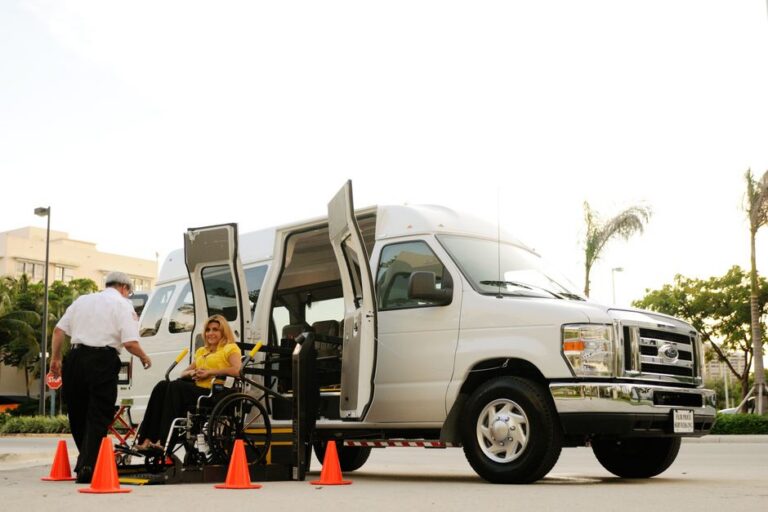
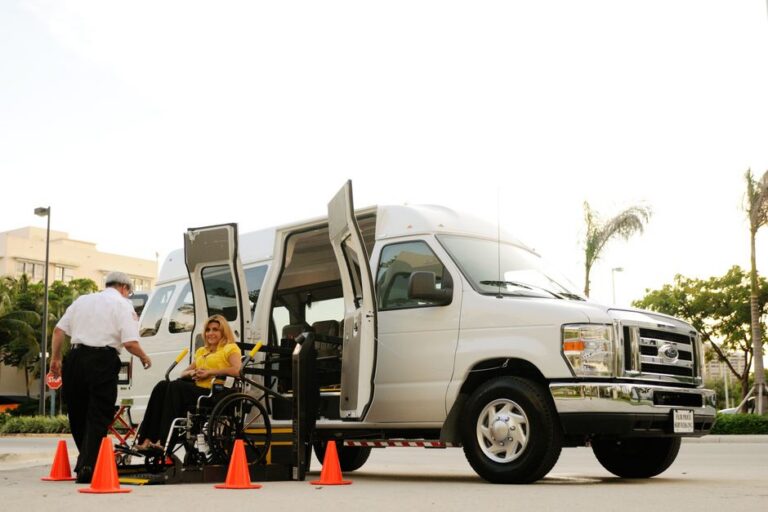
On a general education route, a failed air conditioner is a miserable ride. On a special needs route carrying students who cannot regulate temperature, cannot tell you they are overheating, or are seated in a chair against a window, it is a safety issue.
What actually fails
Refrigerant loss, almost always. These systems have long runs, many joints and a chassis that flexes all day. They leak slowly, and a system that was fine in May is weak by August.
Condenser fans and clutches, which fail outright rather than gradually.
Blocked condensers. Pollen, road debris and grass clippings. A visual check and a wash is often most of a repair.
Belts and tensioners, the cheapest item and the one that strands a bus.
Controls and thermostats, which produce the complaint that the AC works sometimes.
Schedule it in winter
The whole argument in one line. A fleet that services AC in March finds the leaks before the load. A fleet that waits for complaints is doing emergency work in July at a premium, with buses down during the hottest weeks of the year.
Winter and early spring are when this work should happen, and that is not when anybody thinks about air conditioning.
The leak check that matters
Topping a system off without finding the leak is a repair with a shelf life. Dye and a proper leak search take longer and they end the recurrence.
If a bus has needed refrigerant twice in a year, it does not need refrigerant. It needs a leak found.
Certification
Anybody handling refrigerant needs EPA Section 609 certification for motor vehicle air conditioning. It is a fair question to ask of whoever is doing the work, and it is one we hold.
What a record should show
Per bus: date, findings, refrigerant added and why, leaks found, parts replaced, and the outcome measured at the vents rather than reported as fixed.
That last item is the one that gets skipped. A temperature at the rearmost vent, recorded, is the difference between a system that works and a system somebody believes works.
Doing it alongside the lifts
Most of our district work is both: wheelchair lift preventive maintenance and air conditioning in the same visit, in the yard, in the windows the buses are parked. One mobilization rather than two, and one record.
Our lift PM guide covers the other half, and our transit page covers how the programs run.
Before you call anybody
Count how many buses had an AC complaint last season, how many were repeated, and how many were the same bus. That number usually makes the case for a scheduled program better than any proposal.
All consultations and scopes of work are free of charge with no pressure or obligation, and smaller equipment ships free from our online shop.
The pre-trip check drivers can do
Three things, thirty seconds. Does the compressor engage. Is the airflow at the rear vents as strong as at the front. Is the condenser visibly clear of debris.
That catches a meaningful share of failures before the route rather than during it, and drivers are already walking the bus.
Insulation, curtains and where students sit
Not everything is the AC system. A student seated against a sun-facing window in a wheelchair cannot move, and window film or a shade does more for them than another pound of refrigerant.
Worth checking where wheelchair positions actually are relative to the sun on your longest afternoon routes.
Recording temperature, not opinions
Measure at the rearmost vent and write it down. A number lets you compare this July to last July and to the bus parked beside it. “Working” does not.
Our lift PM guide makes the same argument about records, for the same reason. Smaller equipment ships free from our online shop.
Retrofit or repair
On an older bus with a system that has been topped off repeatedly, there is a point where a rebuild or a retrofit costs less over the remaining life than the next three seasons of repairs.
The way to know is the record: how many interventions, how much refrigerant, how many days out of service. Without that record it is a judgment call, and with it the arithmetic is usually obvious.
Route length matters
A system adequate for a 30-minute route may not hold a 90-minute one in August, particularly with frequent door openings. Match the complaints against route lengths before assuming the equipment is at fault.
Sometimes the answer is a route change rather than a repair, and that costs nothing.
Ask for temperatures at handover
Whoever does the work should hand back a measured vent temperature, not a report that it is working. Our lift PM guide makes the same point about documentation.
Drivers notice it first
Give drivers a simple way to report it: bus number, route, roughly when in the run, and whether it was never cold or stopped being cold. Those four details separate a refrigerant problem from a control problem before anybody opens a hood.
A free-text complaint box produces “AC not working,” which tells a technician nothing and usually means the bus gets checked at a depot in the morning when everything is cool and working.
Roof-mounted and rear-mounted systems
Two common arrangements on a school bus and they fail differently.
Roof-mounted units distribute air along the length of the bus and are generally better at cooling the rear. They are exposed to everything, so the condenser fouls and the housings weather.
Rear-mounted systems sit at the back, are easier to access for service, and frequently struggle to cool the front rows.
Match complaints to the arrangement. Consistent complaints from one part of the bus point at distribution rather than refrigerant.
The driver compartment is a separate system
Worth knowing because it causes confused reports. On many buses the dash system and the passenger system are independent, with separate compressors or separate circuits.
A driver reporting the AC is out may mean their own, which is a different repair. Ask which when the complaint comes in.
Idle performance
Air conditioning on a bus works hardest when the bus is barely moving: loading, unloading, sitting in a queue at a school. Airflow across the condenser is lowest exactly when demand is highest.
A system that cools well on the road and poorly at a stop is a system with a condenser airflow problem rather than a refrigerant one, and topping it off will not fix it.
What to specify on a new bus
If a district is ordering, specify the AC capacity against the longest route in the hottest month, not against an average. Ask what the system is rated to achieve and at what ambient temperature.
Districts routinely accept the default option and then run it at its limit for a decade.
Combining the work
Most of our district work is lifts and air conditioning in the same visit, in the yard, in the windows the buses are parked. One mobilization, one record, one point of contact. Our lift PM guide covers the other half.