These three get compared as though they are the same purchase at different prices. They are not. They solve different problems, and choosing by budget alone is how people end up with the wrong one.
The question that decides it
Before anything else: does the person travel seated in a wheelchair?
If yes, a stairlift is the wrong machine. A stairlift moves a person who can transfer onto a seat. It does not carry a wheelchair. Everything else follows from that one answer.
Stairlift
For somebody who can walk a little and transfer onto a seat safely. It follows your existing staircase and needs no construction.
Cheapest of the three, fastest to install, and removable. A straight lift goes in during an afternoon. If it suits the person, it is almost always the right answer.
Not suitable if the person cannot transfer, or if their knees buckle during a stand-to-sit transfer. Bruno specifically does not recommend the Elan in that situation and names the Elite instead. If that describes the transfer, say so before anybody orders anything.
Vertical platform lift
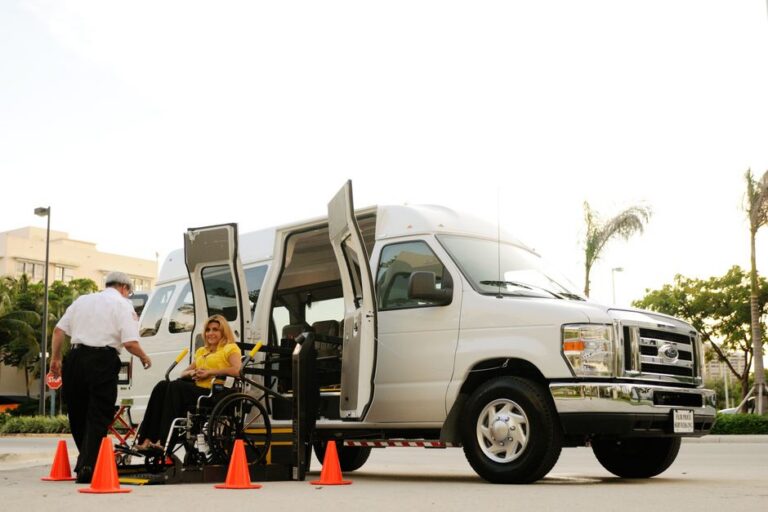
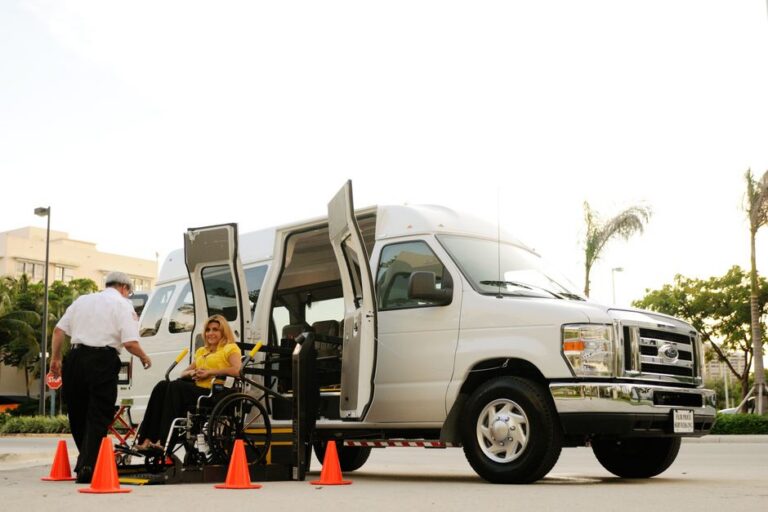
For a wheelchair and its occupant, travelling straight up. Porches, decks, split levels, garage-to-house steps, raised entrances.
Needs a level load-bearing pad, which is the part that adds weeks rather than days if one has to be poured and cured. Both the Bruno VPL-3100 and the Harmar Highlander II carry 750 lb.
This is the answer when a compliant ramp will not fit the site, which past about two feet of rise is most of the time.
Home elevator
For a household that intends to stay, usually across two or more floors, often where somebody rides with a caregiver.
Most expensive, most construction, longest timeline. Weeks to months, and most of that is building work rather than equipment. Worth it when it is right, and genuinely oversold when it is not.
If a stairlift solves the problem, buy the stairlift. We have talked people out of elevators more than once.
A note on Georgia
All three are state regulated here, through the Office of Insurance and Safety Fire Commissioner, and all three require licensed installation. That is unusual: most states leave stairlifts alone. It means the question of who is allowed to fit your equipment has a legal answer in Georgia, and it is worth asking for.
Start with the survey
This is exactly the decision a survey exists to settle. We come to the address, measure, and tell you which of the three fits the person and the building. All consultations, estimates, and scopes of work are provided completely free of charge. No pressure or obligation.
Further reading from the manufacturers we carry: Bruno builds stairlifts, platform lifts and home elevators, and Harmar publishes specifications for the Pinnacle range. The Access Board covers elevators and platform lifts under the ADA Standards.
Cost, honestly ranked
Cheapest to most expensive: stairlift, platform lift, elevator. The gaps are large rather than incremental, and they widen with construction. A straight stairlift needs none. A platform lift needs a pad. An elevator needs a shaft or a structural opening.
That construction is also where timelines diverge. Hours for a straight stairlift, weeks for a platform lift where a pad has to cure, and weeks to months for an elevator, most of it building work rather than equipment.
Space, honestly compared
A stairlift uses space you already have: it follows the staircase and folds away. A platform lift needs a footprint at the rise it serves, which is far less than a compliant ramp would need but is still real. An elevator takes floor area out of two storeys permanently.
Who else has to use it
This is the question families forget. A stairlift carries one person at a time and the stairs stay usable for everybody else. A platform lift carries a wheelchair and its occupant. An elevator can carry a person and a caregiver together, and where somebody needs assistance for every trip, that changes the answer entirely.
Cab size and door width on an elevator follow from who rides in it, and correcting that later is expensive. Decide it at the start.
A shorter list of questions than you would expect
- Does the person travel seated in a wheelchair? If yes, rule out the stairlift.
- Can they transfer onto a seat safely, and do their knees hold during a stand-to-sit? If not, Bruno names the Elite over the Elan for exactly that reason.
- Does somebody ride with them? That points at an elevator.
- Is there a level pad, or would one have to be poured?
What each one leaves behind
A stairlift is removable and leaves small fixing holes in the treads. A platform lift leaves a pad. An elevator leaves a shaft, which is a permanent change to the house and the one most likely to matter at resale.
Of the three, permanent access work is the most likely to widen a future buyer pool. None of them should be bought as an investment, and we would treat any resale claim as a bonus rather than a business case.
Equipment before machinery
Occasionally the honest answer is none of the three. A rollator that suits the person, a transport chair for longer distances, or bathroom safety that removes the reason they were going upstairs four times a day. Those you can order from our shop with free shipping.