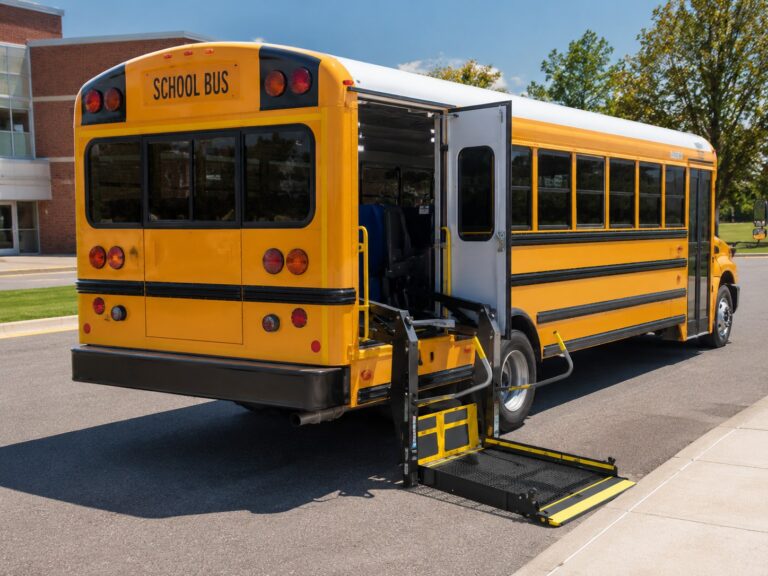
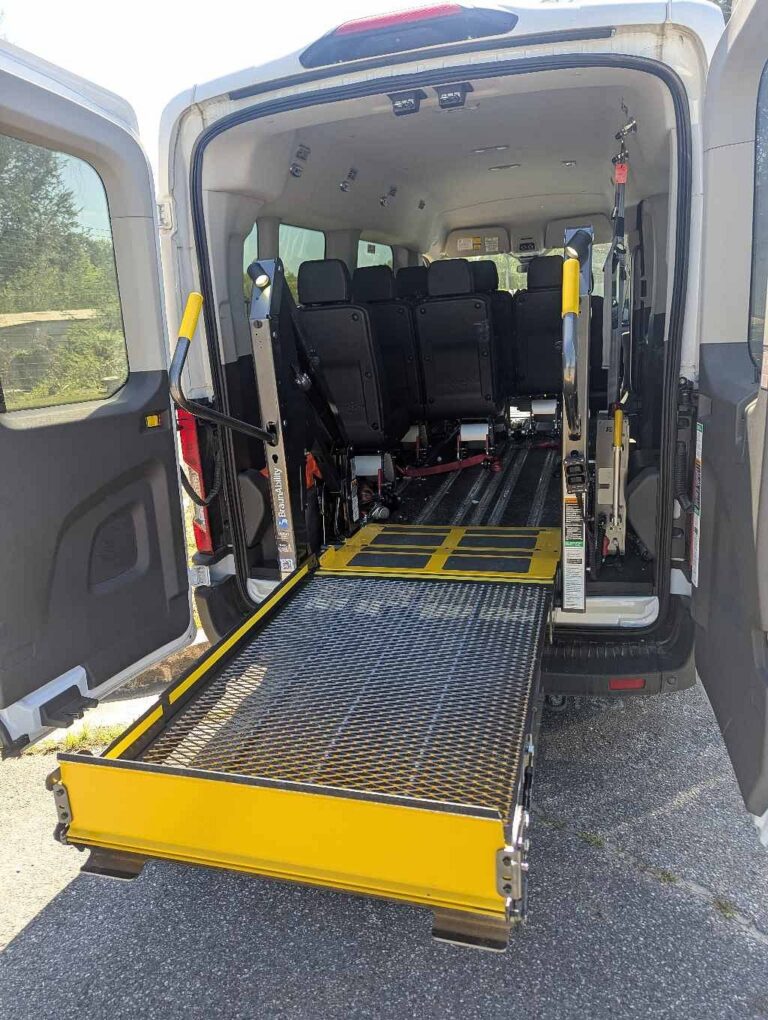
Summer heat is hard on any bus, but a wheelchair-accessible bus leaves less margin for error. When the air conditioning fails on a route carrying passengers who use wheelchairs, the cabin heats up fast, and the people least able to move to a cooler spot are the ones most affected. A breakdown also pulls a lift-equipped vehicle out of service, and those are often the hardest units in the fleet to substitute. That is why bus air conditioning service is easier and usually cheaper when it is scheduled rather than improvised after a driver complaint.
What follows covers what a service visit actually includes, how to build a schedule around routes and school calendars, and which factors move the cost of a repair or a preventive visit. It is written for the people who manage fleets: transportation directors, transit supervisors, facility managers, and anyone responsible for keeping accessible vehicles road-ready.
Why AC problems hit lift-equipped buses harder
A standard bus with a failed air conditioner is uncomfortable. A wheelchair-accessible bus with a failed air conditioner can be a safety issue. Passengers seated in wheelchairs and secured with tie-downs cannot shift to a cooler part of the cabin or step off to wait in the shade. Riders with limited mobility, older adults, and people with certain medical conditions are also more vulnerable to heat. Small buses and cutaway chassis used for paratransit often have less interior volume and less insulation than a full coach, so a weak system is noticed quickly.
There is a scheduling problem too. Accessible vehicles tend to be the ones assigned to medical appointments, day programs, and door-to-door routes where a replacement vehicle must also have a lift and securement. Losing one unit can ripple through an entire day. Preventive service protects both the passengers and the dispatch board.
What a bus air conditioning service visit normally covers
A thorough visit is more than topping off refrigerant. The technician is looking for the reason a system underperforms and for anything that will fail under load. The table below shows the usual scope of an inspection and preventive service call.
| Area | What gets checked |
|---|---|
| Refrigerant charge | System pressures and charge level, with a leak search when the charge is low rather than a refill only |
| Compressor and drive | Compressor operation, clutch or drive belt condition, mounts, and unusual noise or vibration |
| Condenser and evaporator | Airflow through the condenser, debris and dirt buildup, evaporator coil condition, and blower operation |
| Electrical | Controls, relays, fuses, sensors, and thermostat or climate control function |
| Air distribution | Vents, ducting, blend doors, and even air delivery to the rear of the cabin, including the wheelchair securement area |
| Cab and driver area | Driver comfort cooling, since a hot operator is a distracted operator |
| Documentation | Findings, parts used, and next service interval written down for the fleet file |
Shops that specialize in bus work handle systems across a range of manufacturers, and some advertise service and repair on all bus air conditioning systems, including Spheros and Irizar units. If your fleet runs a mix of chassis and body builders, confirm up front that the provider works on your specific equipment rather than only on one brand.
Scheduling bus air conditioning service around your routes
The best schedule is built backwards from your busiest season. Air conditioning demand peaks in high heat, and that is exactly when shops fill up and vehicles cannot be spared. Booking inspections before the rush keeps small problems from becoming emergency repairs in the middle of a route week.
Set a pre-season window and a mid-season check
Move every accessible vehicle through an inspection before the hot months arrive, then plan a lighter mid-season check for units that run long days or serve routes with lots of door openings. Follow the service intervals your manufacturer specifies for the equipment; those intervals should set the baseline, with your own duty cycle adjusting it. A bus that idles in traffic for hours or runs in dusty conditions earns more frequent attention than one on a short suburban loop.
Group vehicles by location, not by vehicle number
Downtime usually comes from travel, not from the repair itself. If you can have several buses parked at one yard on the same day, a mobile technician can work through them in sequence and cut the back-and-forth. Batch by site, then by system age, then by how critical each vehicle is to the schedule.
Use mobile service to protect route coverage
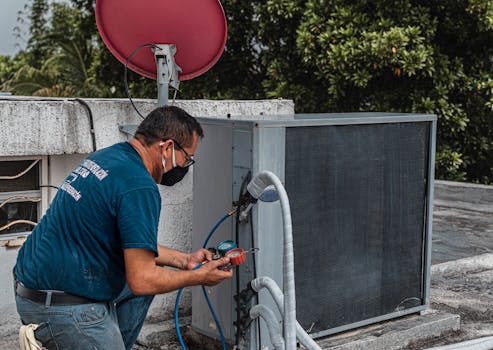
Mobile technicians who come to your lot let you schedule work overnight, on weekends, or between morning and afternoon runs. That matters for fleets that cannot afford to send a driver on a two-hour round trip to a shop and back. Ask any provider whether they travel to your site, how far they will go, and how they handle a repair that turns out to need a second visit.
Have a triage plan for failures
Even a good schedule will not prevent every failure. Decide in advance which vehicles get priority, who authorizes emergency work, and what the substitute plan is when a lift-equipped bus is down. A written triage list prevents a hot afternoon from turning into a chain of phone calls.
What drives the cost of bus air conditioning service
There is no single rate for this work, and any provider quoting a flat number before seeing the bus is guessing. Cost is built from several parts, and understanding them helps you compare quotes fairly instead of chasing the lowest headline figure.
| Cost factor | Why it matters |
|---|---|
| How many vehicles are serviced in one trip | Bundling several buses at one location spreads travel and setup across the visit |
| Preventive versus reactive | A scheduled inspection is usually a smaller, more predictable job than a mid-route failure diagnosed under pressure |
| Diagnosis time | Intermittent cooling problems can take longer to trace than a clear component failure |
| Parts and components | Compressors, condensers, blowers, and control modules vary widely in price by system and manufacturer |
| Refrigerant type and charge | Refrigerant handling requirements and the amount a system holds both affect the bill |
| Labor access | Roof-mounted and rear-mounted systems, tight engine compartments, and bodywork all change how long a job takes |
| Travel to your site | Mobile service includes driving time, which is part of the quote |
| Vehicle age and history | A bus with no service records tends to need more baseline work on the first visit |
When you request quotes, describe the fleet accurately: how many buses, what body and chassis, what AC system, where they are parked, and whether any units are currently not cooling. Ask for the preventive visit price and the diagnostic rate separately, and ask what happens if a repair is declined. Those answers tell you more than a single total.

Repair, recharge, or replace
Low refrigerant is a symptom, not a diagnosis. If a system is low, it lost charge somewhere, and refilling without finding the leak means paying for the same refrigerant again later. A provider should look for the leak, explain what was found, and give you the option to repair or to plan a replacement.
Replacement decisions usually come down to age, parts availability, and how often the unit has been in the shop. Older systems with discontinued components can consume more in repeated repairs than a planned replacement would cost, but that math depends on the specific vehicle and how long you intend to keep it. Ask for a comparison in writing rather than a verbal recommendation, and weigh it against how many years of service the bus has left in your fleet plan.
Records that pay for themselves
A simple service log per vehicle does more than satisfy auditors. It shows when the system was last charged, what parts were replaced, and which units keep coming back. That history lets you spot a bus that is quietly costing more than its share and lets a new technician get up to speed in minutes instead of hours.
Keep the log with the vehicle file and record the date, the findings, the parts, and the next recommended interval. If your organization conducts accessibility inspections or compliance reviews, complete maintenance records make those reviews faster and give you a defensible answer when someone asks how the vehicle is maintained.
Choosing a provider for an accessible fleet
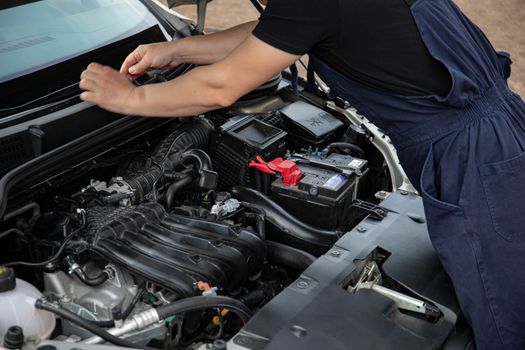
- Confirms experience with bus air conditioning, not just automotive AC.
- Works on your specific systems and body types, including mixed fleets.
- Offers mobile service to your yard and states the travel range clearly.
- Provides written findings and a quote before performing non-routine repairs.
- Can also handle wheelchair lift preventive maintenance, securement service, and operator safety training so one visit covers more than one need.
- Documents the work in a format your fleet can file.
My Mobility Center provides fleet services including bus air conditioning, wheelchair lift preventive maintenance, securement service, ADA compliance audits, and Wheelchair Lift Operational Safety Training, delivered by company-employed mobile technicians across 32 states. The company has done this work since 1990 and is a family-owned business with a showroom in Athens, Georgia. If you are planning a pre-season service window, the practical next step is to list your vehicles, their locations, and their current cooling complaints, then request a site visit quote that covers the whole group at once.
Frequently Asked Questions
How often should a wheelchair-accessible bus get air conditioning service?
Start with the interval your manufacturer specifies for the system, then adjust for duty cycle. Fleets that run long days, idle in traffic, or operate in dusty conditions typically need more frequent checks. A practical pattern is a full inspection before the hot season and a lighter mid-season check on the hardest-working units, with records kept for each vehicle.
Can bus air conditioning service be done at our own yard?
Often yes. Mobile technicians can travel to your lot and work through several vehicles in one visit, which reduces downtime compared with sending each bus to a shop. Ask the provider how far they travel, whether they can work outside your normal operating hours, and how they handle a repair that needs parts not carried on the truck.
Why is the air conditioning not blowing cold air?
Common causes include a low refrigerant charge from a leak, a compressor or drive problem, restricted airflow through a dirty condenser, a failing blower, or a control and blend door fault. The right next step is diagnosis rather than a refill, because adding refrigerant without finding the leak usually leads to the same complaint again.
Does the wheelchair lift affect air conditioning service?
The AC system and the lift are separate systems, so a cooling repair does not normally involve lift work. The practical connection is scheduling. A provider that services both can combine lift preventive maintenance, securement inspection, and AC service into one visit, which reduces vehicle downtime and keeps all the documentation in one place.
How should we budget for fleet AC work?
Budget preventive visits as a planned line item per vehicle, and hold a separate reserve for repairs and parts. Request quotes that separate the inspection price from the diagnostic rate and from parts, then compare providers on scope and documentation, not only on the total. Review the previous season’s repair history to set a realistic reserve.