Driving yourself to work, to appointments, or to the grocery store is a practical part of independence, and adaptive vehicle modifications are what make that possible for many drivers with disabilities. The term covers a wide range of equipment, from hand controls that move brake and accelerator functions to your hands, to transfer seats that help you reach the driver position without a lift. Knowing what each option does, who it suits, and what shapes the price helps you plan a safer setup and a realistic budget.
What Counts as a Vehicle Modification?
Vehicle modifications are the changes made to a car, truck, SUV, or van so a driver or passenger with a disability can enter, ride in, and operate it safely. The National Highway Traffic Safety Administration groups this work into categories that affect how you drive, how you get in and out, and how you sit once you are inside.
- Driving controls: hand controls, pedal modifications, left foot accelerators, steering aids, and electronic driving systems
- Entry and exit: ramps, wheelchair lifts, lowered floors, raised roofs, and automatic doors
- Seating and positioning: power transfer seats, swivel seats, custom seating, seat belt modifications, and assist straps
- Vehicle functions: power doors, locks, steering, and windows adapted to switches or secondary controls
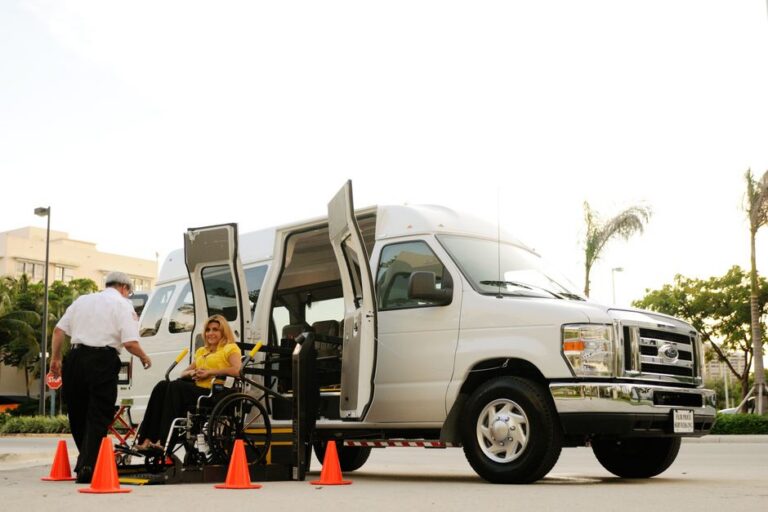
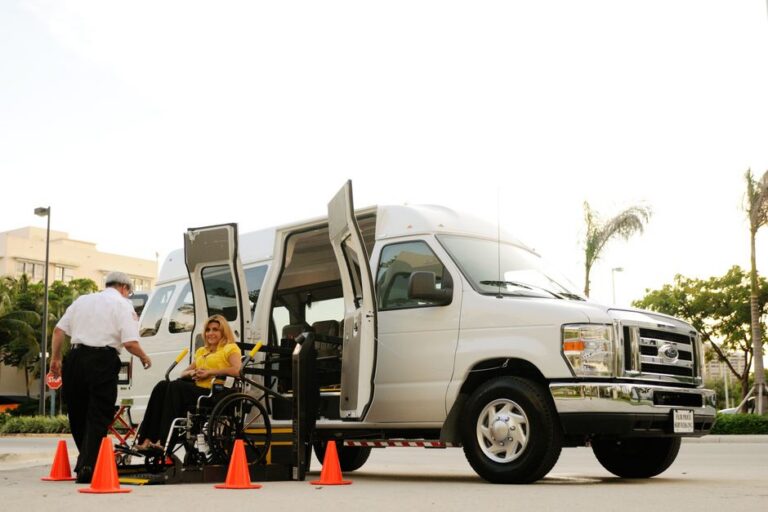
Most drivers need a small combination from that list rather than everything on it. A person with limited lower body strength might need hand controls and a spinner knob, while someone who transfers from a wheelchair may need a power transfer seat plus securement for the chair. A driver who stays seated in a wheelchair needs a different set of equipment again, including a lift and a tiedown system.
Hand Controls: Moving Brake and Accelerator Functions to Your Hands
Hand controls are among the most requested modifications for drivers who cannot use the standard foot pedals. A typical mechanical setup uses a push-pull handle mounted near the steering column, where pushing applies the brake and pulling applies the accelerator. Electronic driving systems use similar logic but replace mechanical linkage with powered components, which can reduce the physical effort required to operate the vehicle.
Hand controls are often paired with steering aids, such as a spinner knob or a reduced-effort steering device, so the driver can keep one hand on the wheel while the other works the brake and accelerator. Left foot accelerators and other pedal modifications serve drivers who can use one leg but not the other. Passenger brakes let a driving instructor, therapist, or family member stop the vehicle from the passenger seat during practice sessions, which matters during the learning period after installation.
Which control style fits you depends on grip strength, arm function, range of motion, and how much force you can comfortably apply. That is a clinical question as much as a mechanical one, and it is one of the reasons an evaluation comes before a purchase.
Power Transfer Seats, Swivel Seats, and Assist Straps
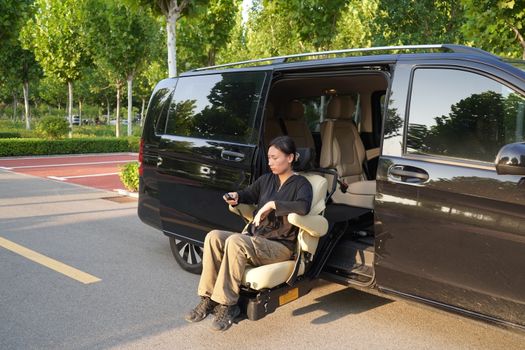
Transfer seats solve a different problem: getting from a wheelchair or a standing position into the driver or passenger seat. A power transfer seat extends out of the vehicle, lowers to a height that works with your chair, then raises and rotates you into position. The movement is controlled with a switch or remote, so you are not relying on upper body strength alone to pull yourself up into the seat.
Swivel seats do similar work with less powered movement and are common on the passenger side. Assist straps and amputee rings are simpler, lower-cost additions that give you something solid to grip during a transfer or while repositioning once you are seated. They are often added alongside larger equipment rather than on their own.
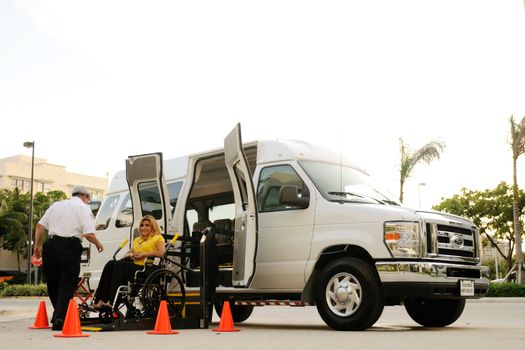
For drivers who remain in their wheelchair, the equipment changes completely. Wheelchair securement systems lock the chair to the vehicle floor, and the driver operates hand controls from the chair. My Mobility Center installs lifts and securement in high-roof vans that customers purchase from a dealer in their own name, rather than selling already converted minivans.
Why a Driver Rehabilitation Specialist Should Come First
NHTSA and adaptive equipment providers both recommend an evaluation with a driver rehabilitation specialist before you buy anything. These professionals assess strength, range of motion, vision, reaction time, and transfer ability, then recommend the specific equipment that fits your body and your goals. The evaluation also looks ahead. If your condition is progressive, the specialist can identify equipment you may need later so you are not paying to redo the same installation twice.
A specialist can also tell you whether your current vehicle can accept the modifications at all. Some sedans offer limited room for a transfer seat, while full-size and high-roof vans provide far more space for lifts, securement, and a wheelchair passenger position. Getting that answer before you shop for a vehicle prevents an expensive mismatch.
Matching Equipment to What You Need to Do
The table below pairs common driving and access goals with the equipment categories that are usually considered. It is a starting point for a conversation with a specialist or installer, not a prescription.
| What you need to do | Equipment often considered |
|---|---|
| Operate the brake and accelerator without using both feet | Hand controls, left foot accelerator, pedal modifications |
| Steer with one hand or with reduced effort | Steering aids, spinner knobs, electronic driving systems |
| Move from a wheelchair into the driver or passenger seat | Power transfer seat, swivel seat, assist straps |
| Enter the vehicle while seated in a wheelchair | Ramps, wheelchair lifts, lowered floors, automatic doors |
| Drive while seated in a wheelchair | Wheelchair securement plus hand controls |
| Gain headroom or floor space for a chair | Raised roof or lowered floor options |
Not every modification fits every vehicle. Even common items such as hand controls are mounted and adjusted to a specific make, model, and seat position, so installation is rarely a universal, one-size job.
What Drives the Cost of Vehicle Modifications
Cost is the question people ask most, and the honest answer is that it depends on several variables rather than one figure. The research does not support a single national price, and published numbers age quickly, so treat any figure you find online as a rough starting point and verify it locally. The factors that move the total include:
- The type and complexity of the equipment, since a mechanical hand control and an electronic driving system are different products
- The vehicle itself, because mounting points, interior space, and electronics vary widely between models
- Whether the work requires custom fabrication or uses standard brackets and adapters
- Labor for installation, including any wiring, trim work, or interior modification
- Additional items such as securement, seating, a lift, or a transfer seat added to the same vehicle
Ask for a written, itemized quote that separates parts from labor and states the warranty on each component. Because pricing changes with supply and manufacturer updates, confirm current figures directly with your installer instead of relying on older articles, including this one.
Funding and Payment Options to Investigate
Several funding paths exist, but eligibility rules differ by program and by state, so check each one directly and ask what documentation they require. Common places to look include state vocational rehabilitation agencies, which sometimes fund equipment that supports employment, and auto insurance, particularly when the need follows an accident-related injury. Workers compensation may apply when the need stems from a workplace injury, and veterans programs may assist eligible service members and veterans. Manufacturer and dealer rebate programs for adaptive equipment are also worth asking about, along with nonprofit grants and community organizations.
Coverage for vehicle modifications is not automatic from any of these sources. Whether Medicare, Medicaid, or a private insurer pays for any part of the work depends on the program, your state, and the reason for the modification, so confirm coverage and required paperwork before scheduling installation. Getting a denial in writing can also help with an appeal or with an application to another program.

Installation, Service, and Long-Term Ownership
Installation quality affects safety, so ask who does the work and whether the technicians are employees or subcontractors. It also helps to know whether the installer travels to you, since transporting a vehicle that is not yet adapted can be difficult. My Mobility Center has done this work since 1990, sends its own mobile technicians across 32 states, and is an authorized dealer for more than 40 manufacturers, which matters when a specific brand of hand control or transfer seat is required.
Plan for maintenance as well. Moving parts wear, electronic components can need recalibration, and lifts and securement systems need periodic inspection to stay reliable. Ask about service intervals, warranty terms, and how quickly the company responds when something stops working. Keep your installation paperwork together for inspections, resale, insurance claims, and future service visits, because the next technician will need to know exactly what was installed and when.
Frequently Asked Questions
What are the most common vehicle modifications for drivers with disabilities?
Hand controls are the most common, along with steering aids, pedal modifications, left foot accelerators, seat belt adjustments, assist straps, transfer and swivel seats, ramps, and wheelchair lifts. Most drivers combine two or three items, such as hand controls plus a spinner knob or a transfer seat, rather than commissioning a full vehicle conversion.
Who decides which modifications I need?
A driver rehabilitation specialist usually leads that decision after evaluating your strength, range of motion, vision, and reaction time. The specialist recommends equipment and can flag items you may need later if your condition changes. An installer then confirms what physically fits your specific vehicle before any work begins.
How much do vehicle modifications cost?
Costs depend on the equipment type, the vehicle, and the labor involved, so no single figure applies. Mechanical hand controls sit at a different price point than electronic driving systems, powered transfer seats, or a lift and securement package. Request a written, itemized quote from a local installer and confirm current pricing directly, since published numbers go out of date.
Does insurance or Medicare pay for vehicle modifications?
Coverage varies by program and situation. Auto insurance may pay after an accident-related injury, vocational rehabilitation agencies sometimes fund equipment tied to employment, and veterans programs may help eligible service members. Medicare and Medicaid rules differ by state and circumstance. Confirm eligibility and required documentation with the specific agency or insurer before you schedule installation.
Can any vehicle be modified?
Many vehicles accept basic equipment such as hand controls, but larger items like transfer seats, ramps, and lifts need interior space that only some models provide. Vans and high-roof vans accommodate the widest range of equipment. Have an installer assess your specific vehicle before you purchase anything for it.