This is where families meet a process rather than a purchase, and where most of the frustration in this trade lives.
We do not yet bill health insurance, so nothing here is us positioning for a sale. It is what we see families go through.
The basic test
Coverage for powered mobility generally turns on a mobility limitation that significantly impairs somebody’s ability to carry out daily activities within the home.
That last part surprises everybody. The assessment is about function inside the house rather than about getting to the shops, and a person who manages indoors with a walker but cannot manage a car park may not meet the test however real that difficulty is.
The sequence that has to be shown
The logic works through less costly options first.
- Can a cane or walker address the limitation?
- If not, can a manual wheelchair, either self-propelled or pushed by somebody in the household?
- If not, can a scooter be used safely?
- If not, a power wheelchair.
Documentation has to explain why each earlier step is insufficient. Vague statements about difficulty walking do not satisfy that; specific functional descriptions do.
What actually has to happen
A face-to-face examination with the physician, at which mobility is specifically discussed and documented.
A written order from the physician for the specific equipment.
Documentation in the medical record describing the limitation, what has been tried, and why the equipment is needed.
A specialty evaluation by a therapist and an ATP for complex rehab equipment, meaning anything with tilt, recline, custom seating or alternative controls.
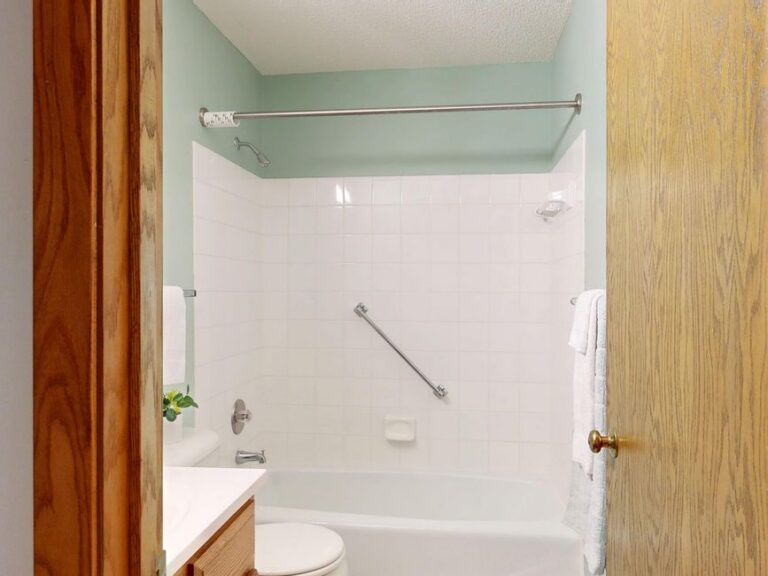
A home assessment confirming the equipment can be used in the home: doorway widths, turning space, surfaces, thresholds.
That last one is where we are frequently involved, and it is also the step most often skipped, which is how chairs arrive that cannot get into a bathroom. Our measurement guide covers the numbers that matter.
Why the documentation fails
Almost always the same reasons.
- The notes say the person has difficulty walking without saying what they cannot do.
- Nothing explains why a walker or a manual chair is insufficient.
- The examination did not specifically address mobility.
- The order and the notes describe different equipment.
- The home assessment is missing.
Prepare for the appointment. Write down, before you go, exactly what cannot be done in the house: cannot get from bed to bathroom without resting, cannot carry anything while using the walker, cannot stand long enough to prepare food.
Those sentences are what documentation is made of, and nobody tells families to bring them.
Rental before purchase
Some equipment is supplied on a rental basis initially, converting to purchase after a period. That is a normal arrangement rather than a problem, and it is worth understanding what happens to service and repairs during it.
The other routes
Medicaid waivers, with eligibility and scope varying by state. Medicaid.gov is where to start.
The VA, for veterans, through its own process. Our VA guide covers how that reaches a supplier.
Vocational rehabilitation, where equipment is needed for work.
Non-profits and equipment reuse programs, which is the route nobody mentions and frequently the fastest. An Area Agency on Aging will know what exists locally.
Our funding guide covers all of them.
Equipment covered is not equipment wanted
Coverage tends toward what meets the need in the home rather than what suits somebody’s life. A chair adequate indoors may be poor outdoors; seat elevation may not be covered even where it would make transfers safer.
That gap is real, and where it matters, families frequently pay privately for the difference. Knowing that in advance prevents a lot of disappointment.
If you are denied
Ask for the reason in writing. Most denials are documentation problems rather than eligibility problems, and those are worth appealing with the gap filled.
Our equipment guide covers choosing between the options, and basic equipment that needs no determination from anybody ships free from our online shop.
What to write before the appointment
The single most useful thing a family can do, and nobody suggests it.
Write down, in specific terms, what cannot be done inside the home. Not “struggles to walk” but “cannot get from the bedroom to the bathroom without stopping twice,” “cannot carry a plate from the kitchen,” “cannot stand long enough to wash at the sink.”
Include what has been tried and why it did not work. A walker was tried and she cannot carry anything while using it. A manual chair was tried and he cannot self-propel on carpet and nobody is home during the day to push.
That is the language documentation is made of. Hand it over at the appointment.
The home assessment step
Frequently skipped and it is the one that determines whether the equipment is usable.
Doorway clear openings, turning space, thresholds, floor surfaces, where the chair will charge, and how it gets in and out of the house. Our measurement guide covers the numbers.
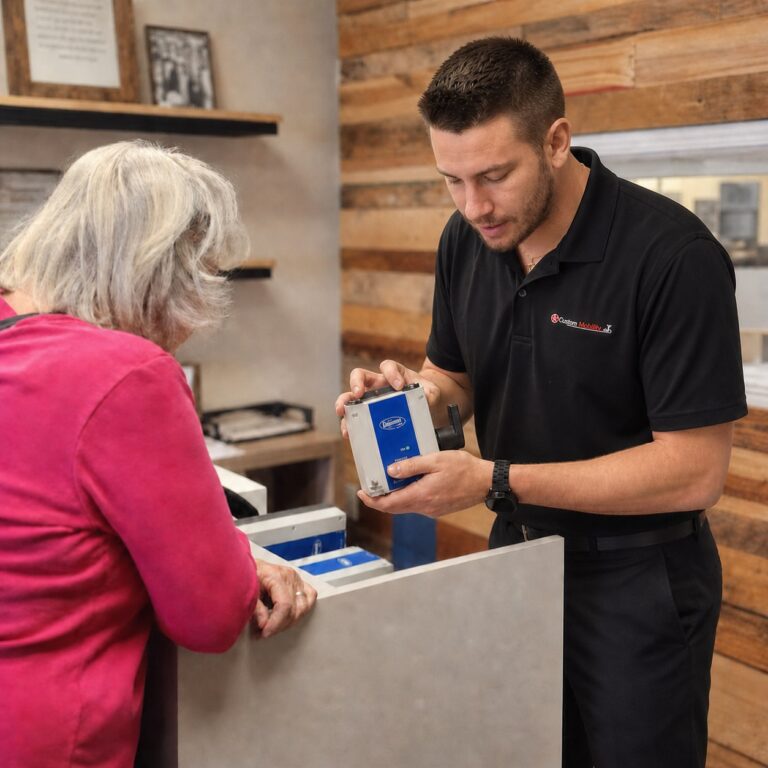
We do this free and without obligation, and the report is yours to hand to whoever is processing the claim, whether or not the equipment comes from us.
Timelines
Weeks to months rather than days, across every route. Complex rehab equipment takes longer because of the additional evaluation.
That is the argument for starting early and for having an interim plan. A loan closet chair, or the inexpensive equipment that needs no determination at all.
Where the CDC evidence sits
The CDC reports falls as the leading cause of injury death for adults 65 and over, and the period while somebody is waiting for appropriate equipment is a period of elevated risk.
Do the cheap things meanwhile: lighting, rugs, a grab bar, a properly fitted rollator. Our order of work is the sequence.
Keep copies of everything
The written order, the clinical notes, the evaluation, the home assessment, and any correspondence. Several of these cannot be recreated later and denials frequently turn on a missing document rather than a missing qualification.
Ask for copies at the time rather than requesting them months afterward.
What we provide free
The home assessment and a written scope with measurements and photographs, whether or not the equipment comes from us. NHTSA guidance for vehicles follows the same logic: assess, document, then specify.
Our evaluation guide covers what that visit involves.
Who advocates for you
Nobody in this process is assigned to chase it on your behalf, which is why it stalls. Somebody in the family should own it: a folder, a list of names and numbers, and a call every fortnight.
An Area Agency on Aging, an independent living center or a Veterans Service Officer will help navigate it, free, and they know which local step is usually the bottleneck.
Our funding guide lists them, and the equipment that needs no determination ships free from our online shop.