
Workshops & Training
Train the people who use the equipment every day.
Hands-on sessions for drivers, aides, maintenance staff, and caregivers, delivered at your facility by the technicians who service the equipment.
Most lift failures are not mechanical.
A wheelchair lift that gets cycled wrong every day fails sooner than one that does not. A securement system fastened to the wrong point does not hold. A driver who has never been shown the manual release calls for a road service that was never needed.
We see the results of that on maintenance visits, and training the people who touch the equipment is cheaper than repairing what they did not know about.
- At your facility, on your schedule
- On your own equipment, not a demo unit
- Taught by technicians who service it
- Attendance records for your files
- Refreshers as staff turn over
What we cover.
Sessions are built around your fleet or facility rather than a fixed syllabus.
Wheelchair Lift Operational Safety Training
Correct cycling, interlocks, what the warning indicators mean, and the manual backup when power fails with a passenger on the platform.
Securement
Where to attach on different chair frames, tensioning, occupant restraint, and what to do with a chair the system was not designed for.
Daily and pre-trip checks
A short routine that catches most failures before they strand somebody, and what to escalate rather than work around.
Passenger assistance
Boarding and alighting with dignity, communicating with riders who cannot easily respond, and handling the situations drivers actually meet.
Caregiver equipment training
For senior living and care staff: patient lifts, transfer technique with the equipment on site, and the maintenance a facility can do itself.
Maintenance staff sessions
What your own people can safely inspect and adjust, and where the line is that needs a certified technician.
How The Work Happens
Consultation
A conversation about the person, the building or the fleet, and the budget. Free, and with no obligation to buy anything.
Site survey
A technician surveys the site in person and gives you a written scope, so the price you agree to is the price of the job.
Installation
Factory-certified technicians install and commission the equipment, and stay until everyone who has to operate it can.
Service
Maintenance and repair for as long as you own the equipment, from the people who put it in. Scheduled preventive maintenance where a contract calls for it.
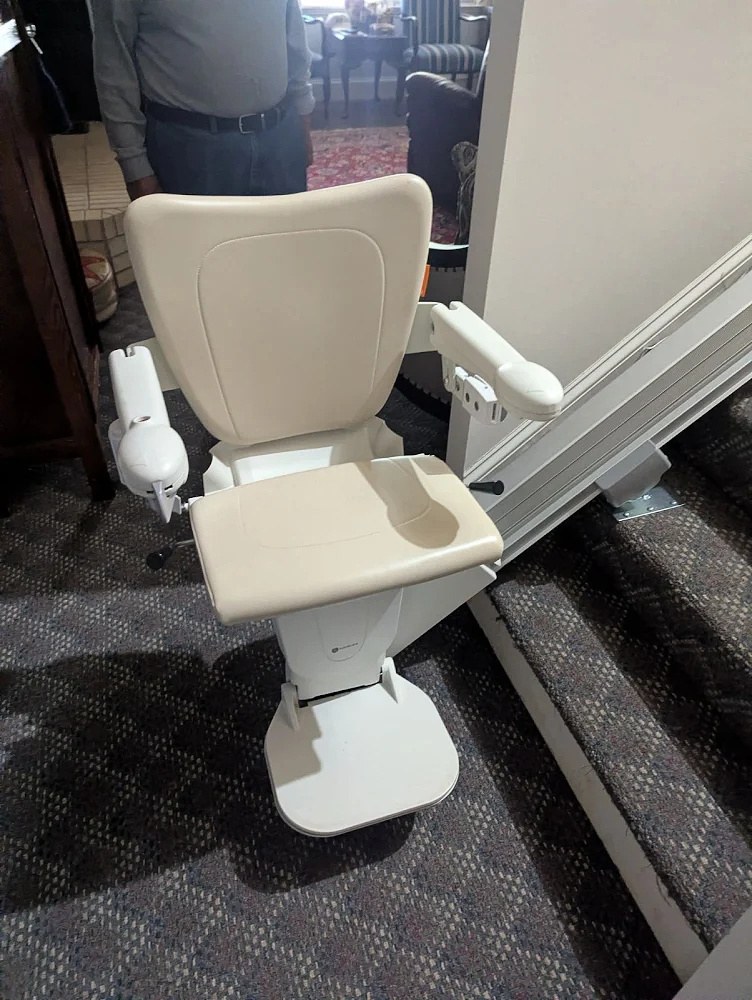
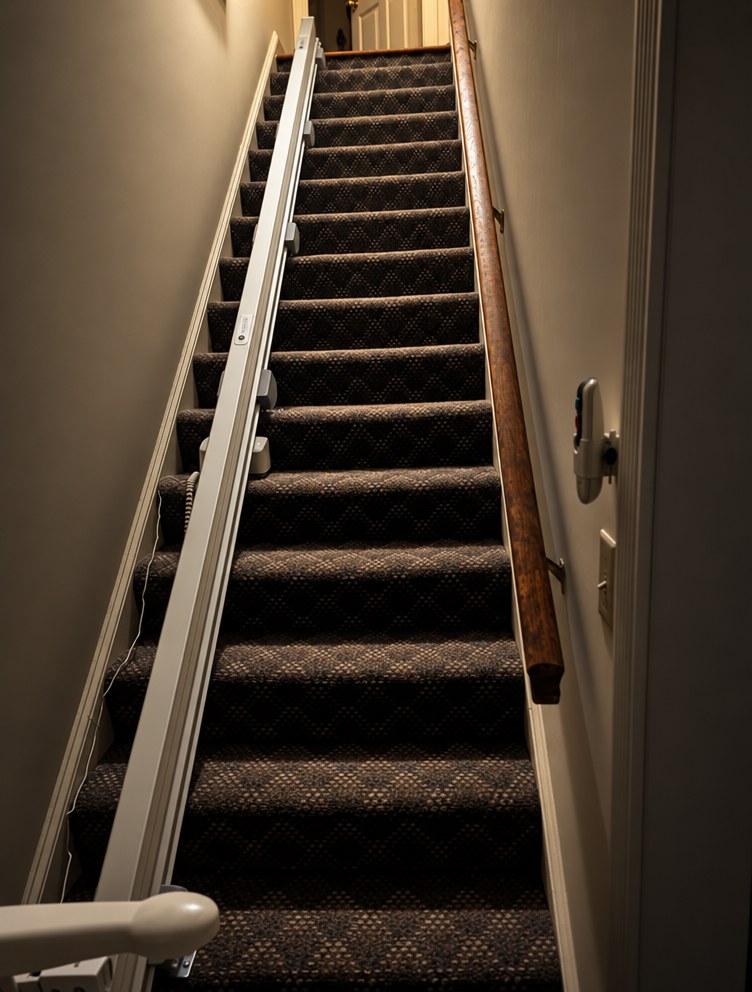
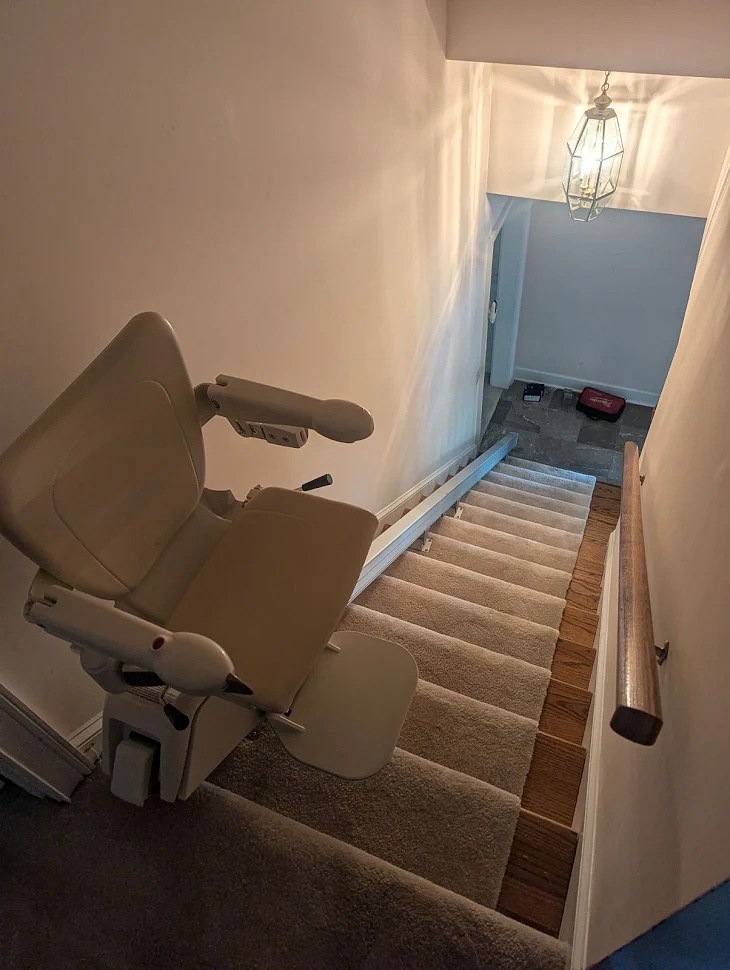
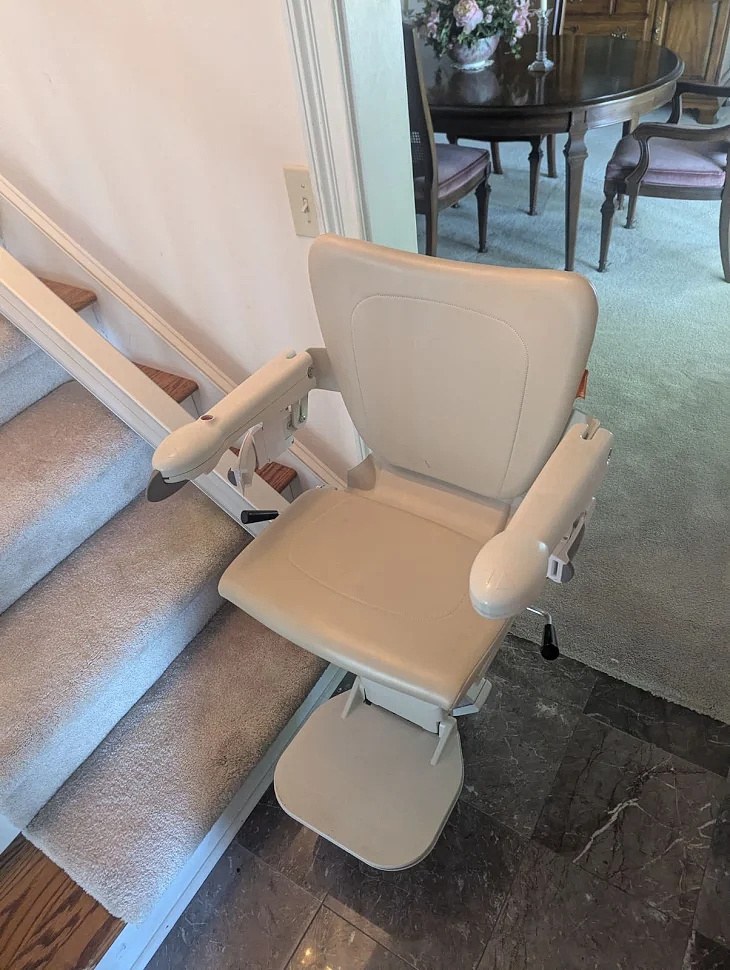
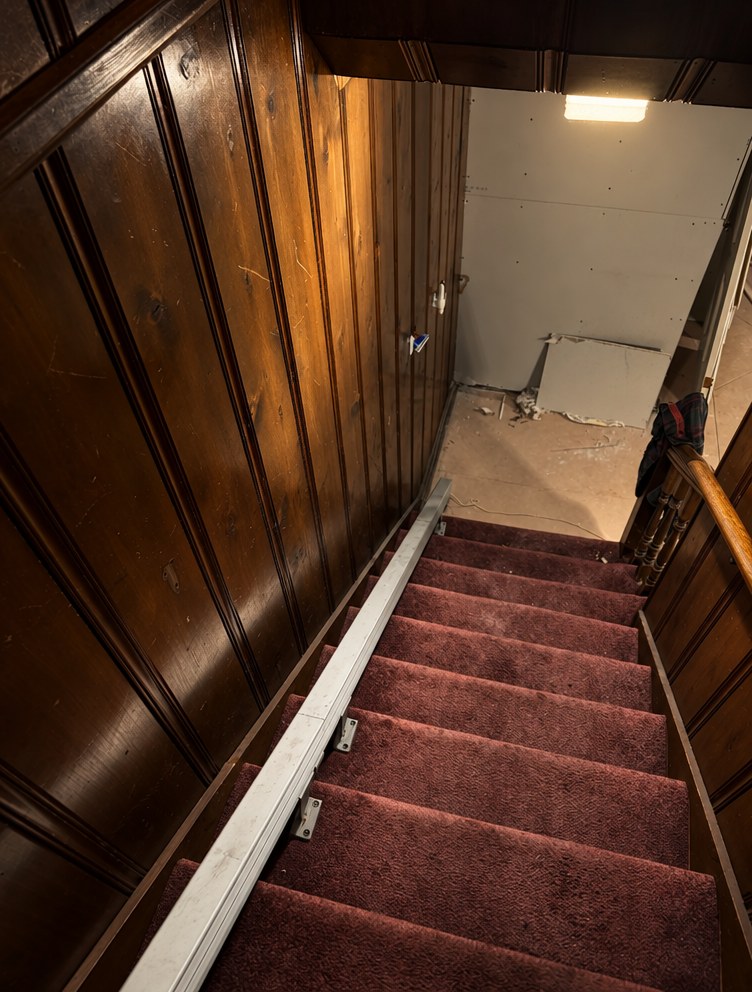
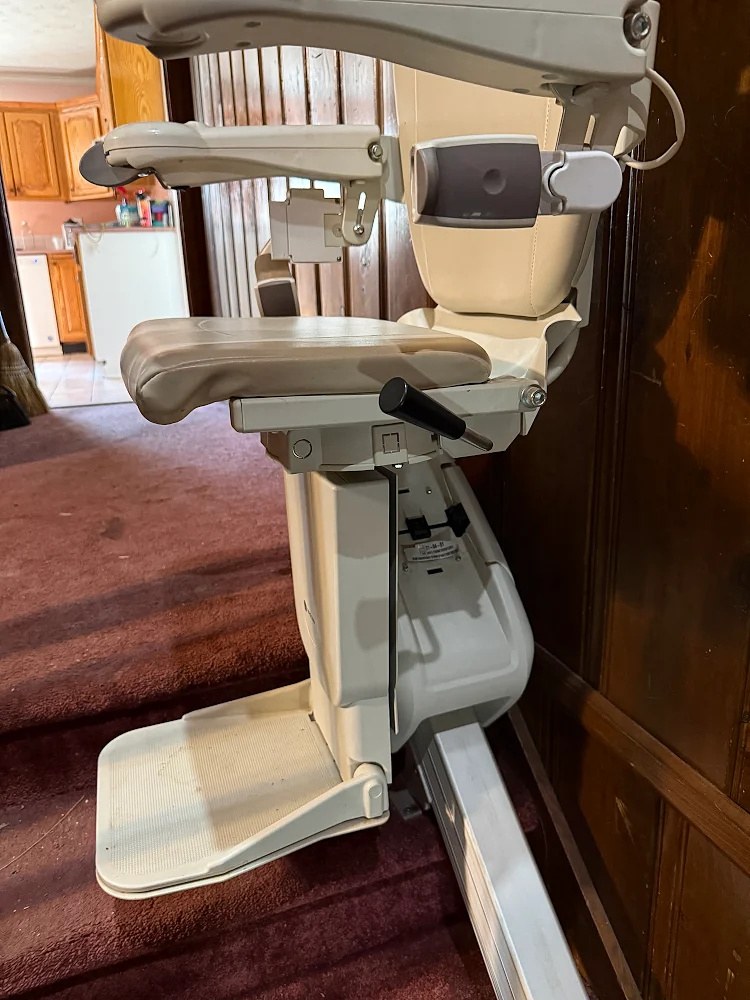
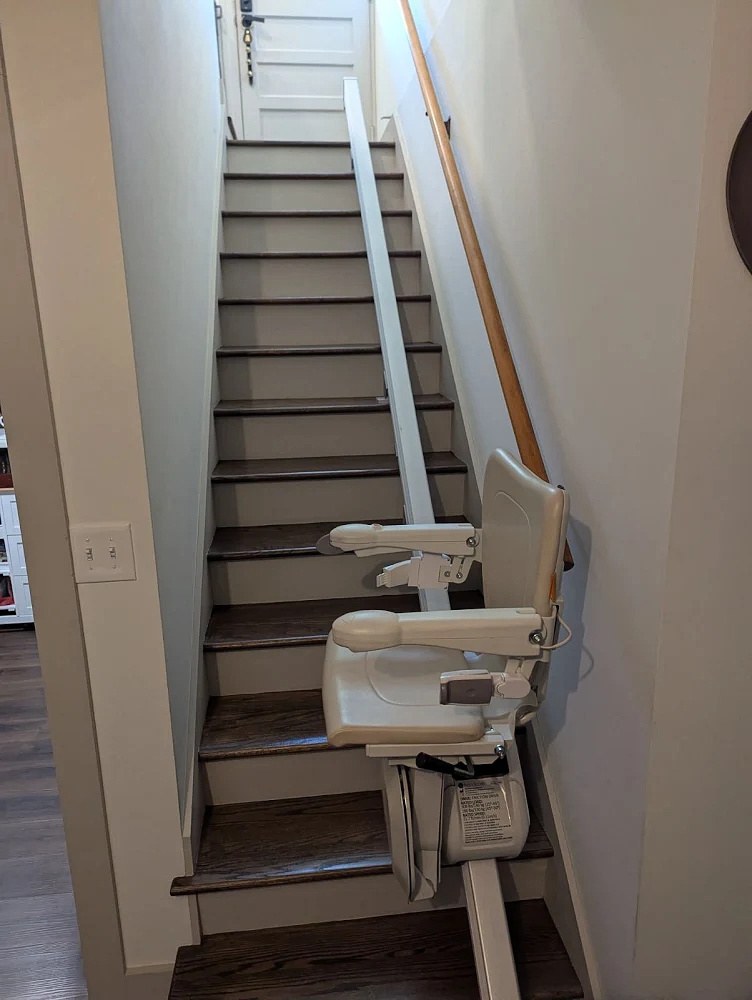
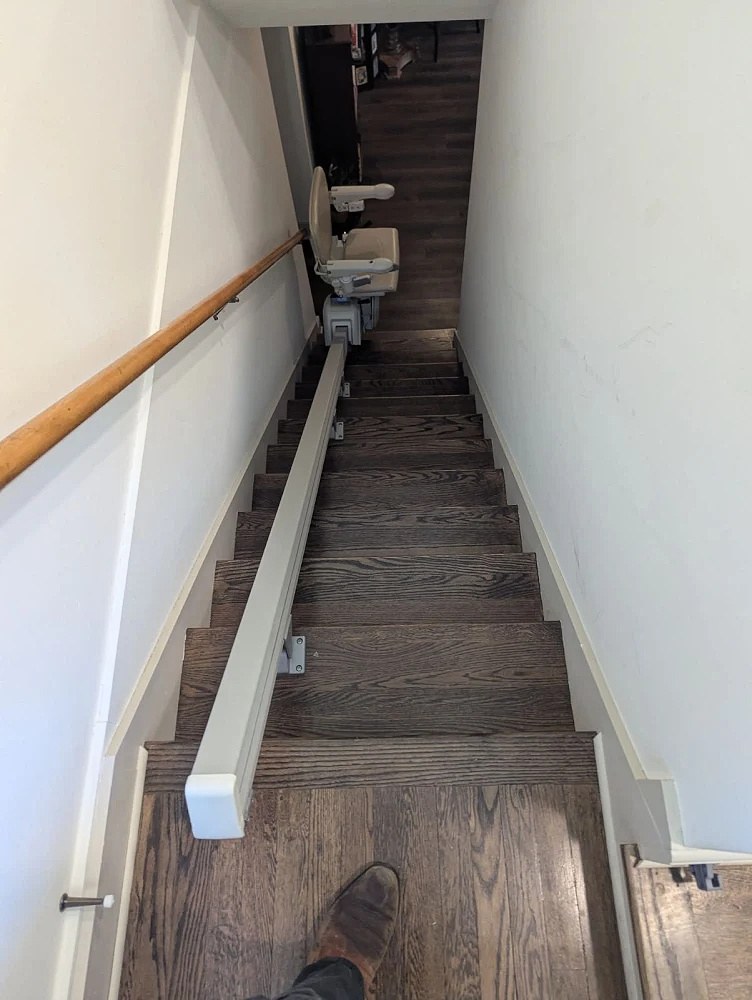
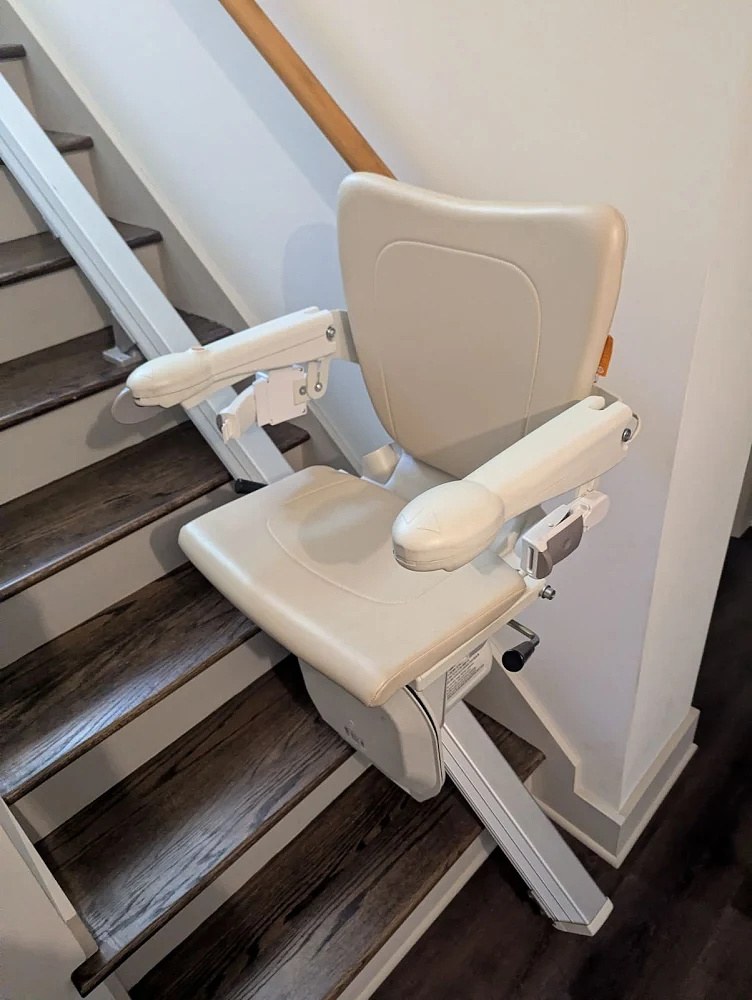
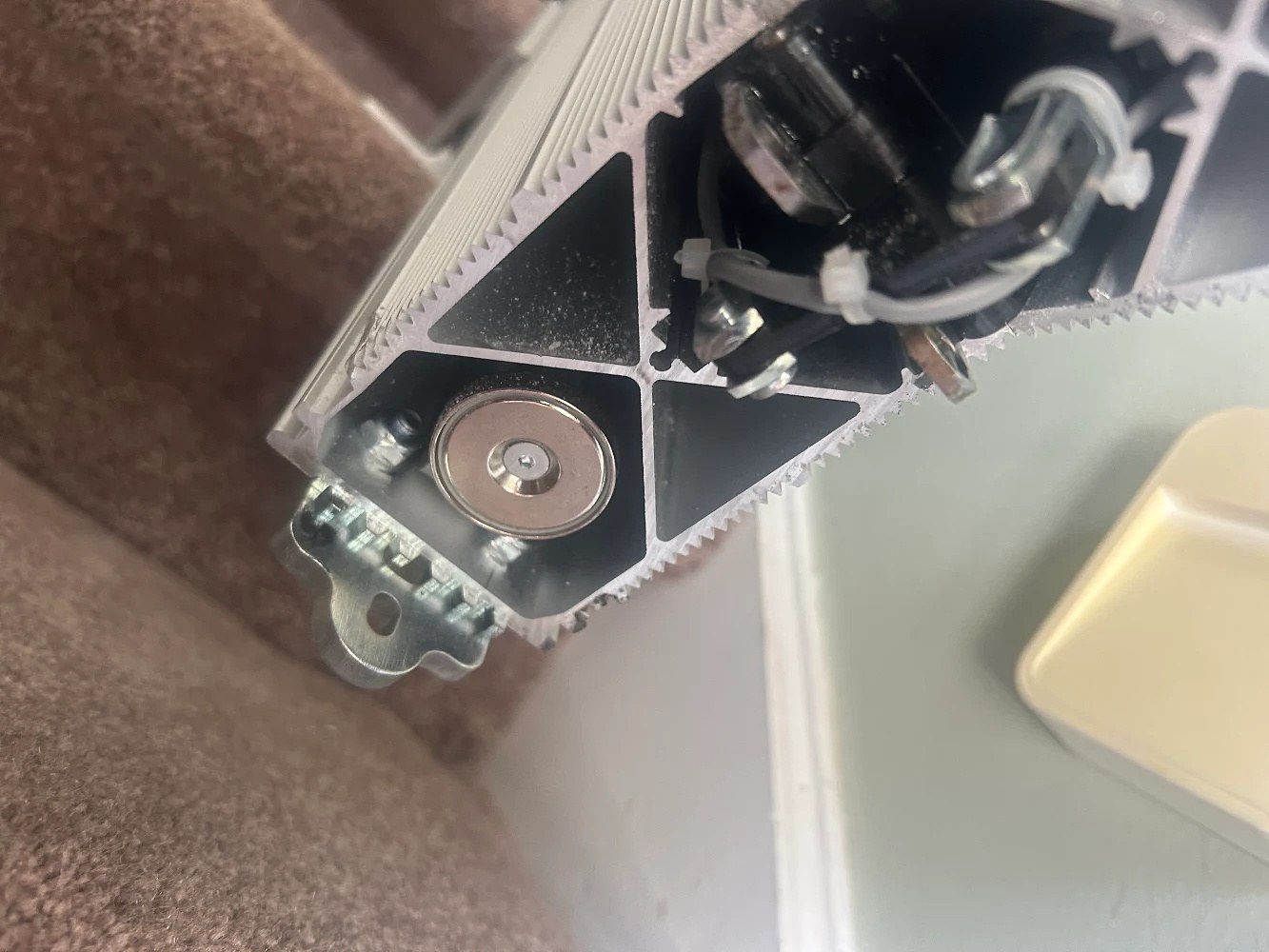
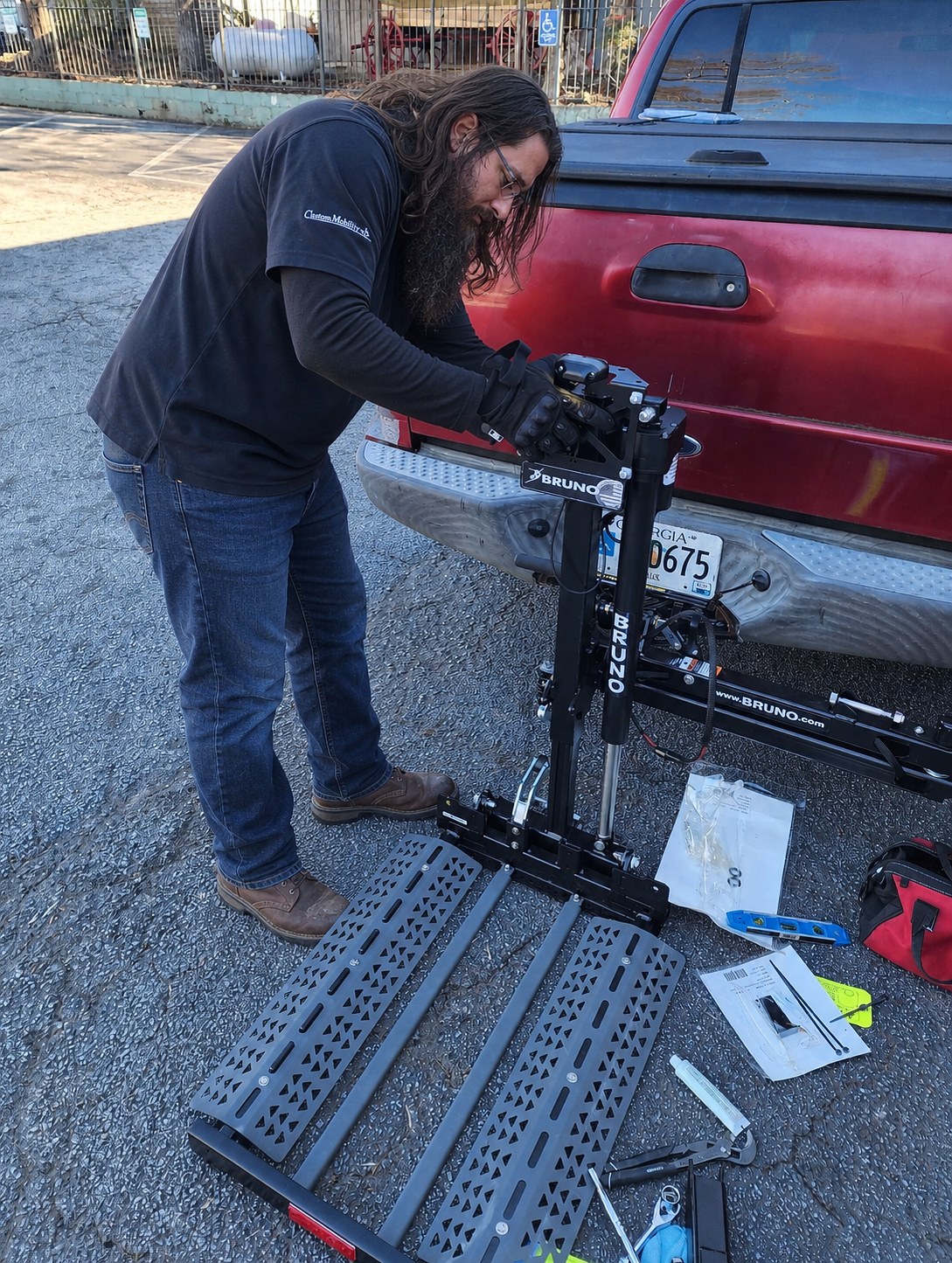
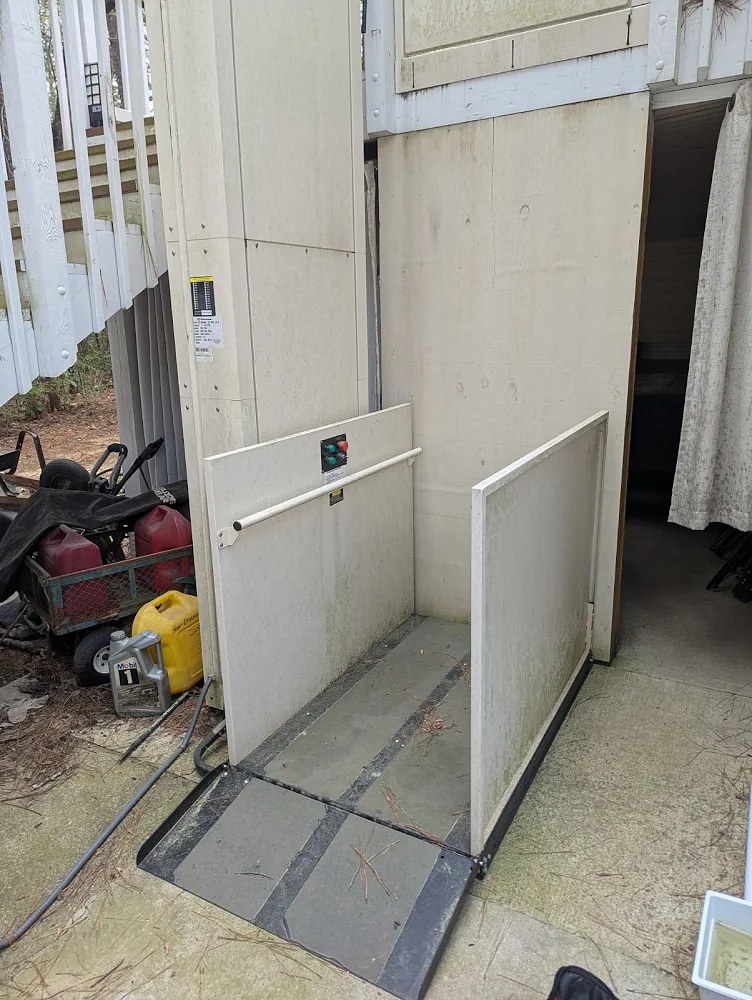
Sessions we have run.
Real work in real homes and buildings, photographed on the day.
The Credentials Behind The Work
Anybody can sell equipment. Installing it legally, configuring it clinically, and servicing it afterward takes credentials that have to be earned and kept current. Here is what our team holds.
State Elevator Mechanic Licenses
Licensed elevator mechanics, state by state. Residential elevators and platform lifts are regulated work in most jurisdictions, and this is the license that makes it legal to do.
ATP, Assistive Technology Professional
RESNA-recognized credential for evaluating a person's needs and specifying the assistive technology that fits. This is who you want configuring a power chair or a seating system.
CRTS, Complex Rehab Technology Supplier
The credential for supplying individually configured complex rehab. It is what separates a supplier who works alongside your clinical team from one who ships a box.
CAPS, Certified Aging-in-Place Specialist
Training in modifying a home so someone can stay in it. It is the difference between installing equipment and understanding the house it goes into.
Mobility Service Excellence
Industry service certification covering installation, maintenance, and repair standards across mobility equipment.
EPA Section 609
Federal certification for handling refrigerant in vehicle air conditioning. It is required to legally service a bus AC system, and it is why fleet work is something we can actually take on.
Questions about training.
Where does the training happen?
At your facility, on your equipment. Training on a demo unit teaches people a machine they will never touch again.
How long is a session?
It depends on the group and the equipment. Tell us how many people, what they operate, and how much time you can take them off the road for, and we will propose something that fits.
Do you provide documentation?
Yes. Attendance records and what was covered, in a form you can put in a compliance file.
Can you train staff on equipment you did not install?
Usually. Tell us the make and model and we will be straight about whether we are the right people for it.
Do you cover new hires later?
Refresher sessions are the normal arrangement, because turnover is the reason most training goes stale.
Tell us who needs training and on what.
We will put together a session for your equipment and your schedule.