Straight or curved
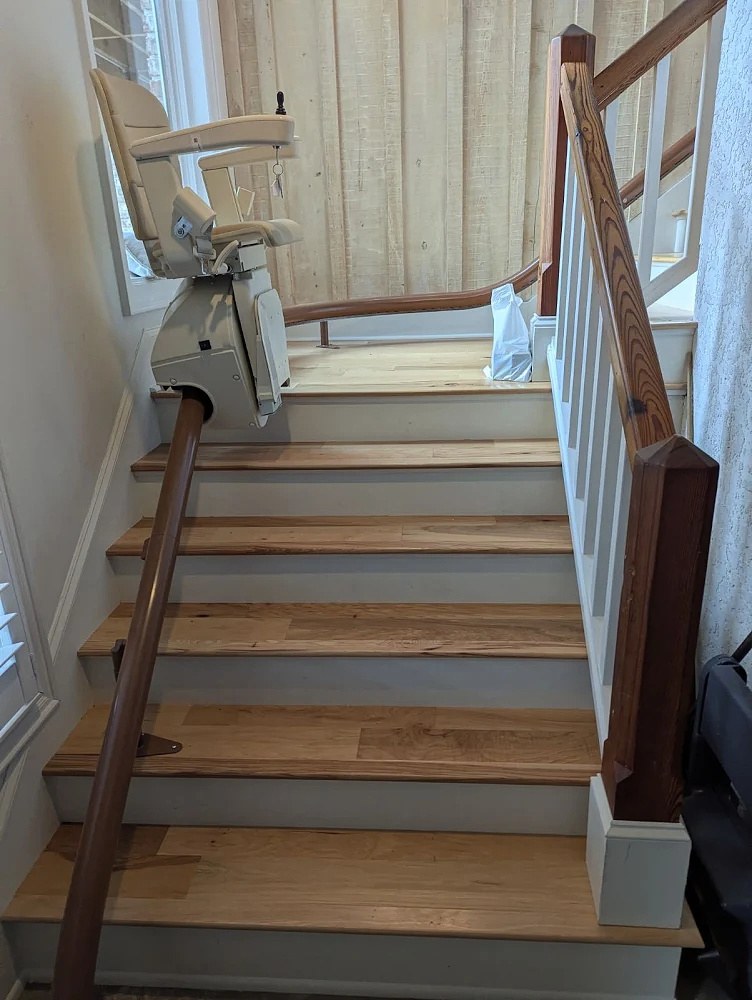
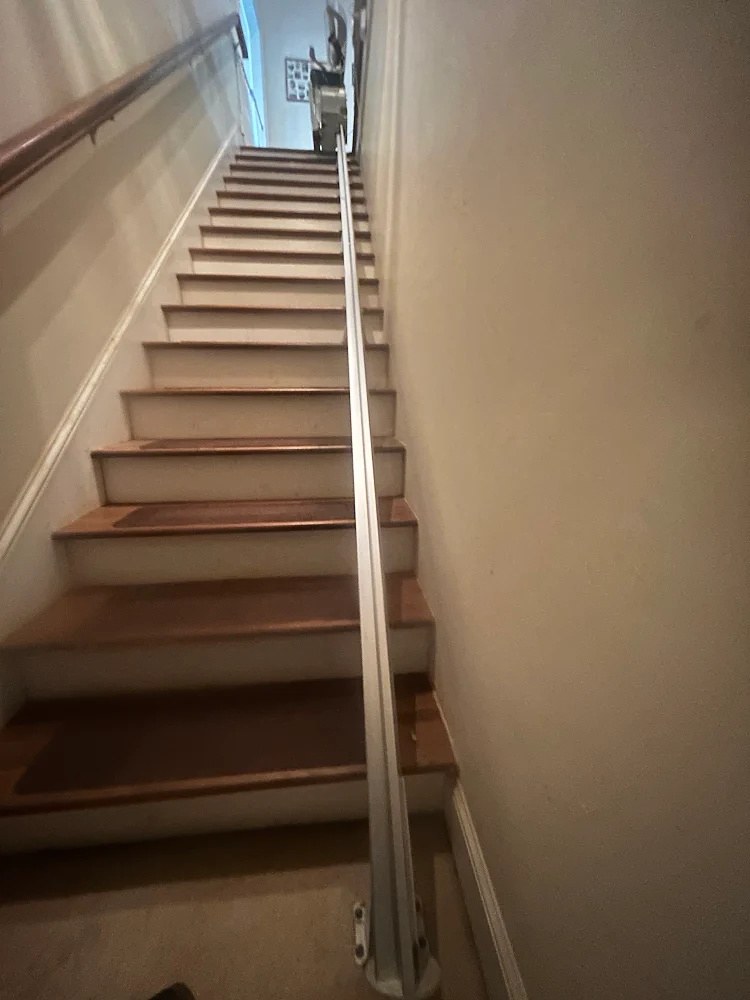
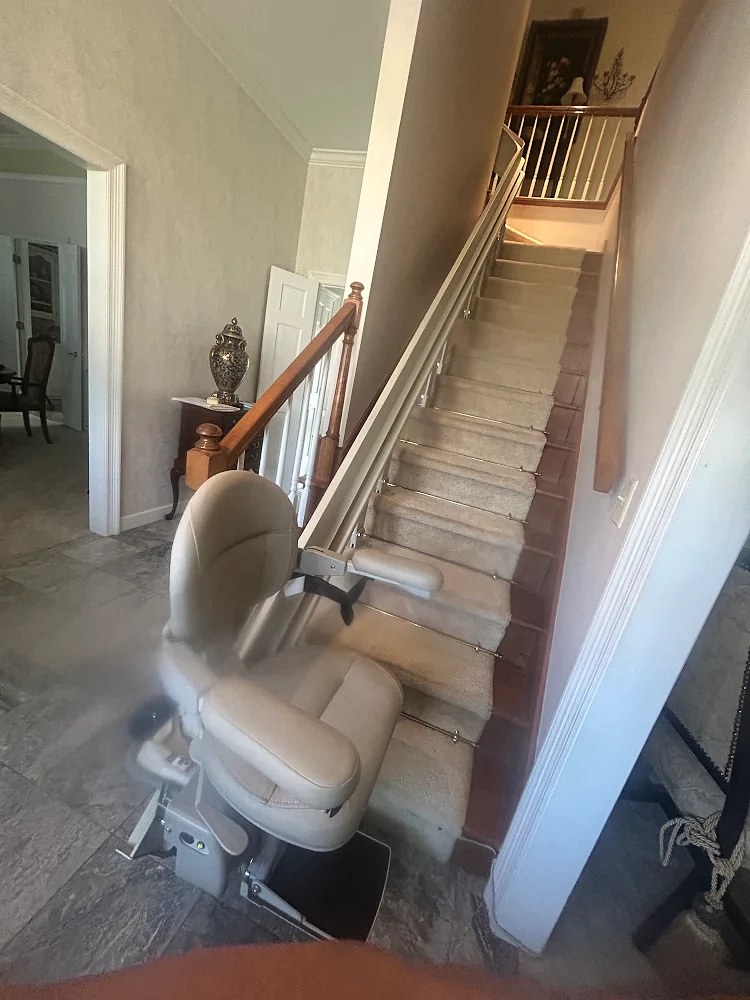
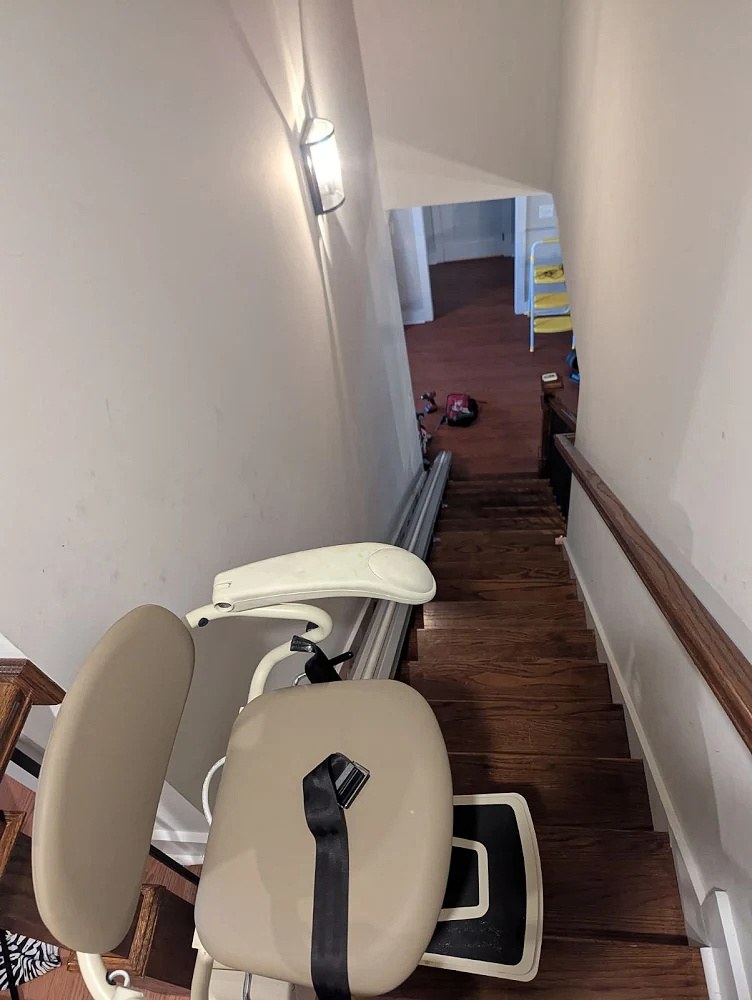
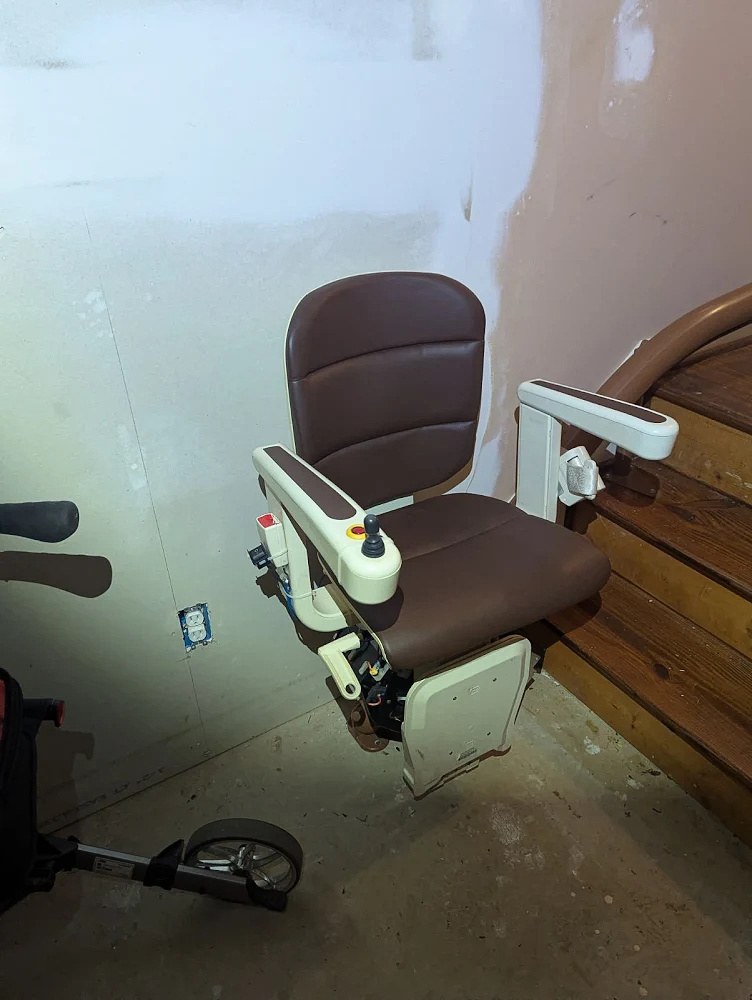
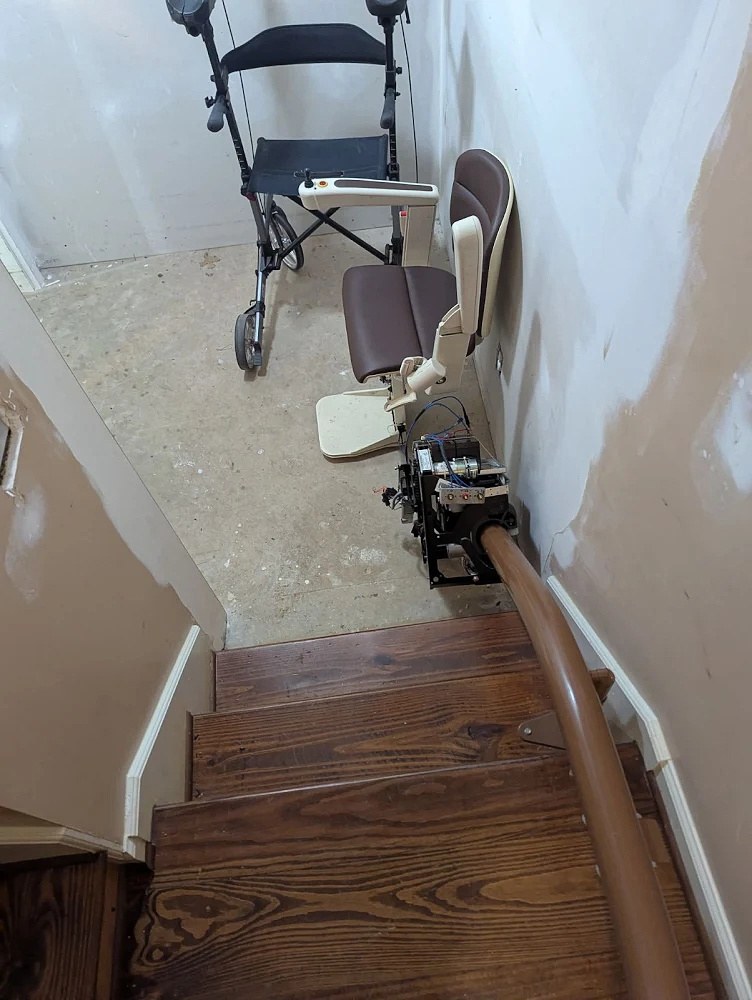
The biggest factor on a stairlift by a distance. A straight rail is cut from stock and fitted in two to four hours. A curved rail is manufactured to your staircase, which takes three to five weeks and costs substantially more.

Free Consultation | Estimate
A mobility specialist will contact you shortly. All consultations, estimates, and scopes of work are provided completely free of charge. No pressure or obligation.
For homeowners and families
Most people cannot name the product they need, and there is no reason they should. Point at the part of the house that has become difficult and we will tell you what goes there.
Individuals & familiesPoint at a room.
Steps up to the door, a threshold that catches a wheel, a door too heavy to hold open.
The bedroom and the proper bathroom are upstairs, and the stairs have become a decision several times a day.
Getting in and out of the bath or shower, and standing up again. Most falls at home happen in this room.
Getting out of a chair without help, and getting from room to room without holding the furniture.
The chair will not go in the trunk, or getting into the seat has become the hard part of every trip.
For school districts and transit agencies
Wheelchair lift preventive maintenance, securement service and bus air conditioning, scheduled in your yard around your routes, with a digital record per unit rather than per bus.
Government & transitDistricts and transit agencies across New Hampshire call us about three things. Point at whichever is costing you buses.
Roof units front and rear, working hardest on short routes where the door opens every few minutes. It is usually the first thing to fail in May, and the students who cannot tell you they are overheating are the ones sitting under it.
Cycled several times a day by drivers who were trained once. Most failures we find are wear and adjustment rather than a broken part, which is exactly what preventive maintenance catches.
Tracks, retractors, and occupant restraints. Worn webbing and the wrong attachment point are the two things we find most, and neither shows up until it matters.
For care communities and senior living
Ceiling track and patient lifts, resident mobility equipment, bathing and adult changing, building access, and free on-site tune-up clinics for equipment residents already own.
Healthcare & senior livingFrom the front door to the shuttle in the lot. Point at whichever is causing you trouble.
Doors a resident cannot pull open, thresholds that catch a caster, a few steps into a dining room or activity space.
Transfers between bed, chair, and bathroom. This is where staff injuries come from, and where the right equipment pays for itself twice.
The room where most falls happen, and where adult changing needs are the gap families notice first.
Chairs, scooters, walkers, and seating, whether the facility owns them or the resident brought them from home.
Appointments, outings, and family visits. The bus or van is part of the building as far as a resident is concerned.
For drivers and passengers
Hand controls, left foot accelerators, passenger brakes, transfer seating, wheelchair and scooter lifts, securement, and wheelchair accessible vehicles. Most people assume they have to buy a van. Usually they do not.
Vehicle & driving solutionsWheelchair accessible vehicles
A wheelchair accessible minivan cost about $40,000 three years ago. Today it is $70,000 and up.
So we stopped selling them. Instead you buy a high-roof van from a dealer at a normal price, and we install the wheelchair lift and securement for under $12,500. Most people end up between $32,500 and $42,500 for everything.
A converted minivan today
$70,000 and up
The route we now recommend
$32,500 to $42,500 all in
Photographed on the day, with permission.
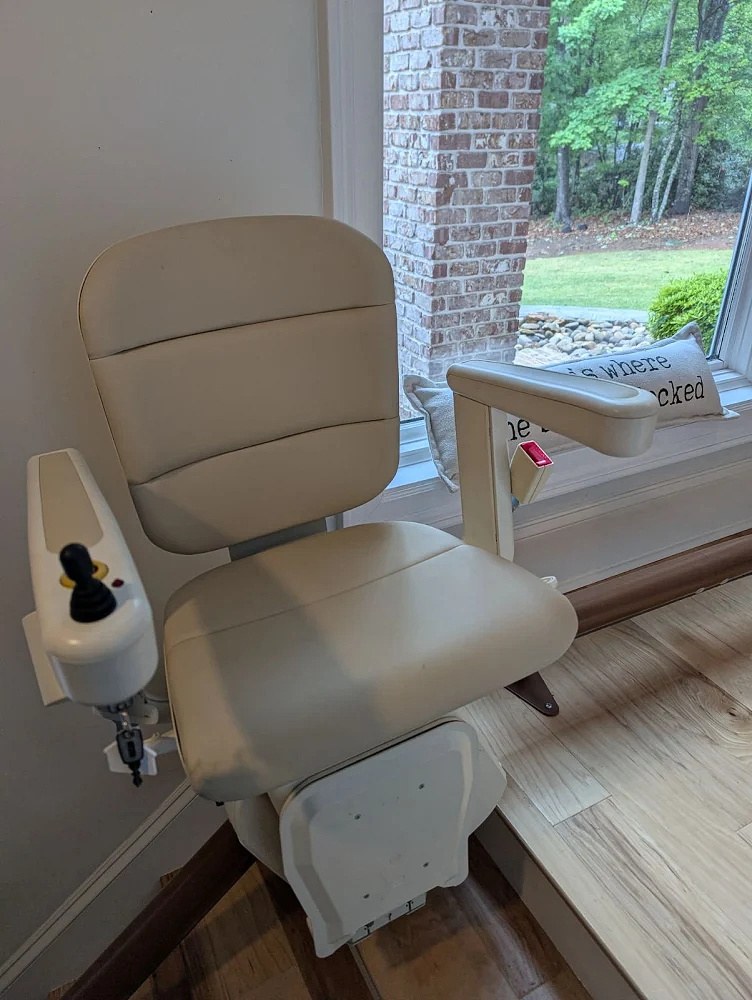
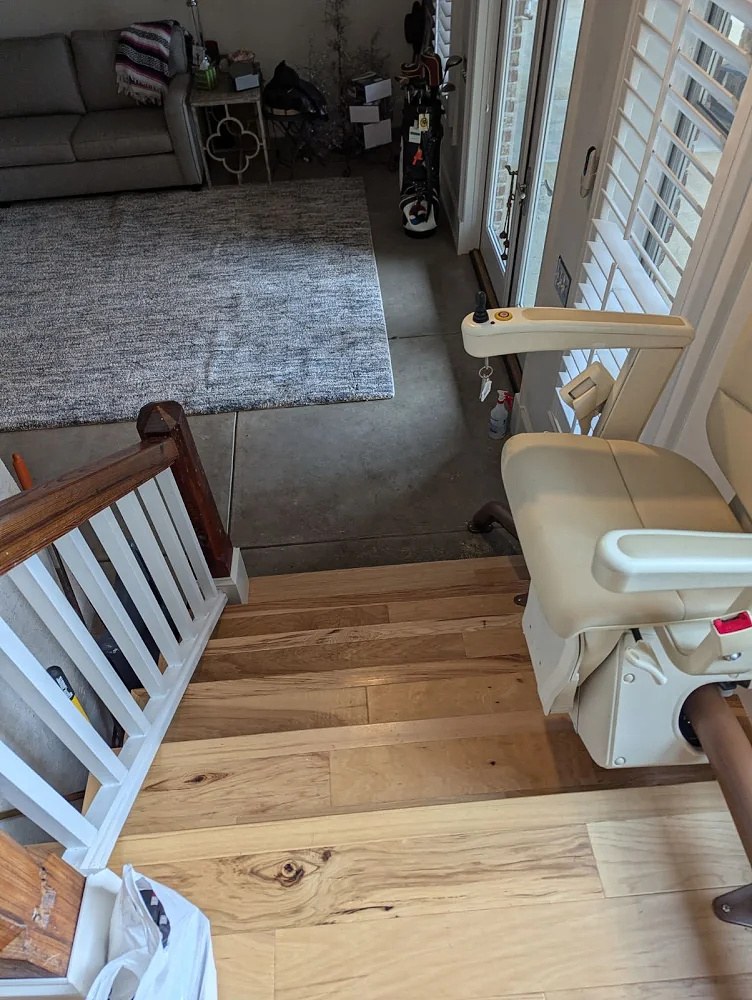
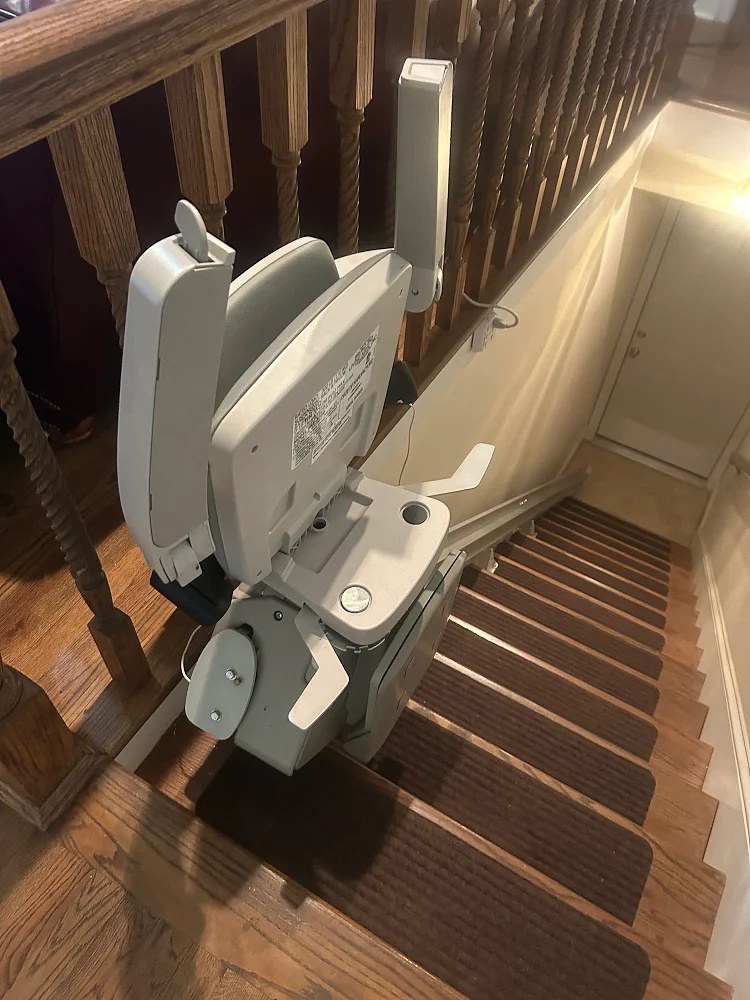
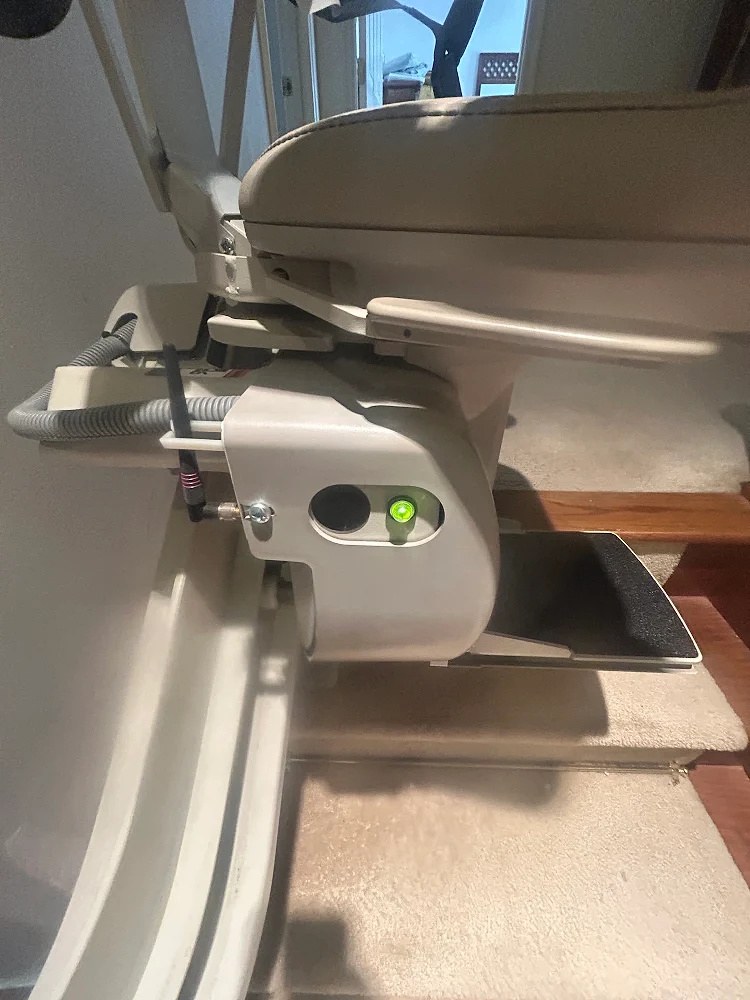
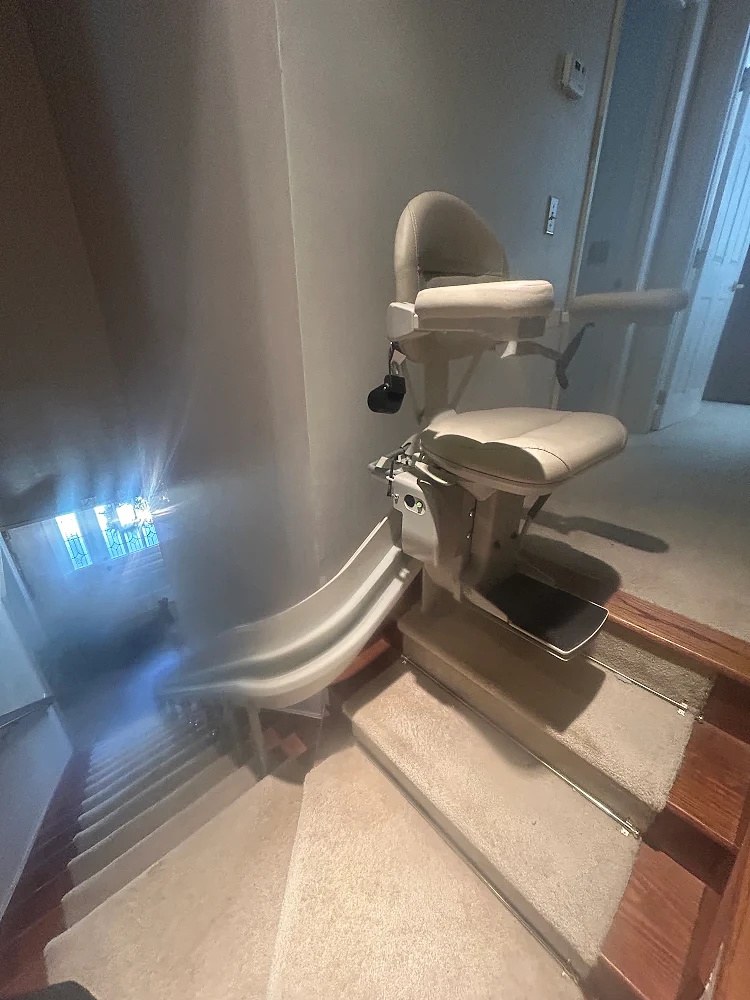
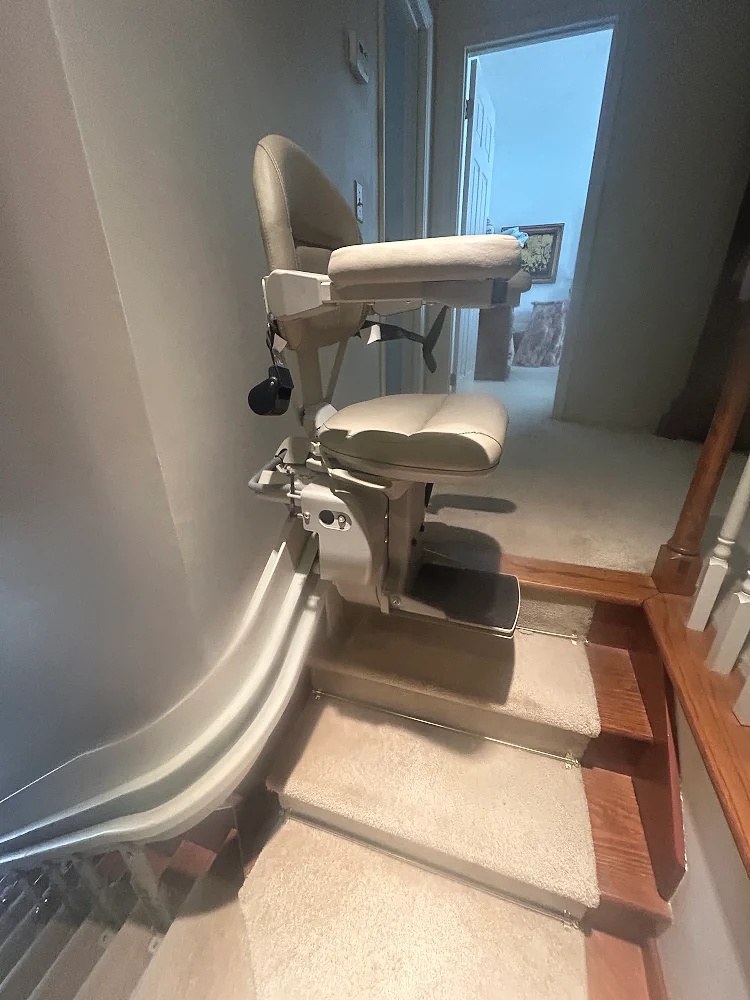
Six different people find this page looking for six different things. Start with whichever one is you.
Stairlifts, ramps, grab bars and bathroom safety so somebody can keep using the whole house. Free survey at your address, and a written quote before anything is ordered.
Often organizing this from another state for a parent who did not ask for help. We will talk to you, survey the house, and tell you honestly what is needed and what is not.
A federal contractor and approved vendor to the VA. We cannot tell you what the VA will pay for, only what we have supplied before, and how to request us by name.
Wheelchair lift preventive maintenance and bus air conditioning, scheduled in your yard around your routes, documented per unit rather than per bus.
Ceiling track, patient lifts, resident equipment and free on-site tune-up clinics for equipment residents already own, whoever sold it.
ADA audits with measured findings and a costed path, plus the work itself: ramps, door operators, platform lifts and accessible counters.
Worth knowing before you call anybody
The state elevator program exists, and single-family homes are written out of it.
This state licenses and inspects elevator work in commercial and public buildings and specifically excludes private residences. A stairlift, platform lift or home elevator in a single-family house therefore sits outside the state program. That does not mean nothing applies: local permits and a general contractor or home improvement license often do.
Local permits are the thing to check here, not the state program.
Where a local building permit applies, we pull it rather than leaving it to you.
This is our own licensing review rather than legal advice, and rules change. We confirm the current requirement for your address before we quote.
We will not publish a number, because the honest one depends on your staircase and your entrance. What we can do is tell you exactly what moves it, so you can judge a quote from anybody.
The biggest factor on a stairlift by a distance. A straight rail is cut from stock and fitted in two to four hours. A curved rail is manufactured to your staircase, which takes three to five weeks and costs substantially more.
A ramp is priced by length, and length is set by the rise. Roughly twelve inches of run per inch of rise, plus landings. Past about two feet, a platform lift usually takes less room and less money.
A concrete pad, a power run, or blocking behind a wall. This is where a job gets longer as well as dearer, and it is what a photograph on a website can never tell you.
Lifts run from 300 lb to 600 lb, and clinical seating on a power chair is frequently more than the chair under it. Both are specification rather than upsell.
Weather-rated equipment costs more and is not optional outside. An indoor unit put outdoors fails within a season and we will not fit one that way.
The survey is free, the quote is written, and the price you agree to is the price of the job. Sometimes the honest answer is a two hundred dollar grab bar rather than a twelve thousand dollar lift, and we will say so.
The full range travels with the technician. Nothing here is held back for the bigger markets.
Straight, curved, and outdoor stairlifts, measured, installed, and serviced by credentialed technicians.
Wheelchair platform lifts for homes, businesses, and outdoor entrances.
Residential elevators and through-floor lifts engineered to the home and built to code.
Ramps, automatic door openers, ceiling lift tracks, and access infrastructure for homes and businesses.
Power mobility, complex rehab and seating, standing frames, showering and changing equipment, patient lifts, and home medical. Configured by ATPs and CRTS on staff.
Scooter and wheelchair lifts, hand controls, left foot accelerators, passenger brakes, transfer seats, securement, and fleet lift and bus air conditioning service.
Real work in real homes and buildings, photographed on the day.
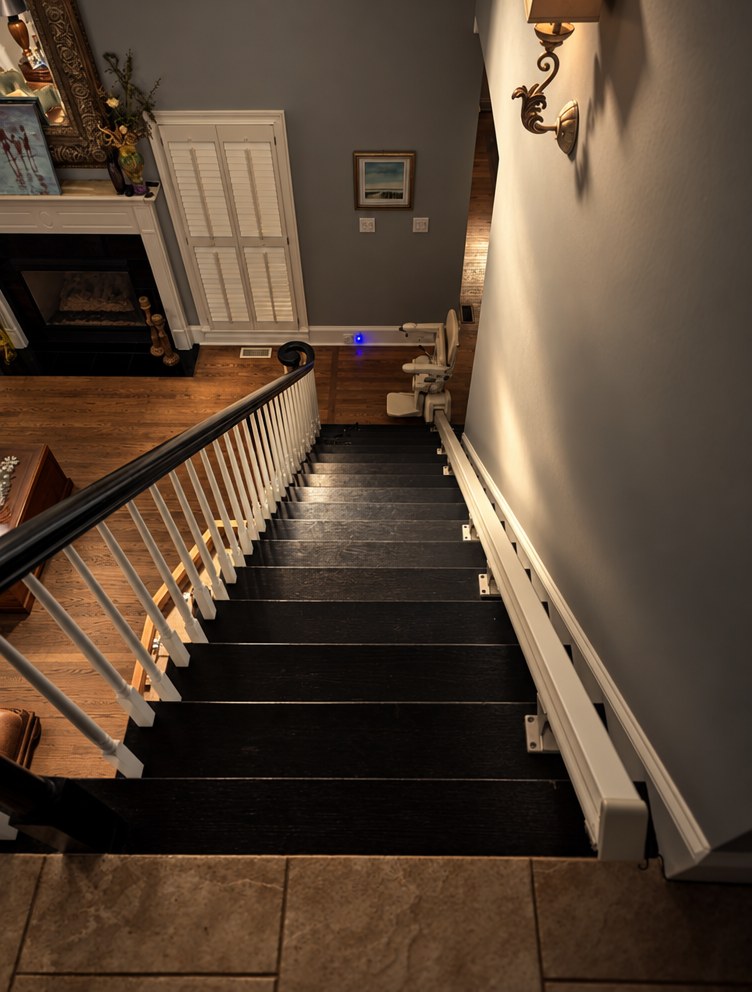
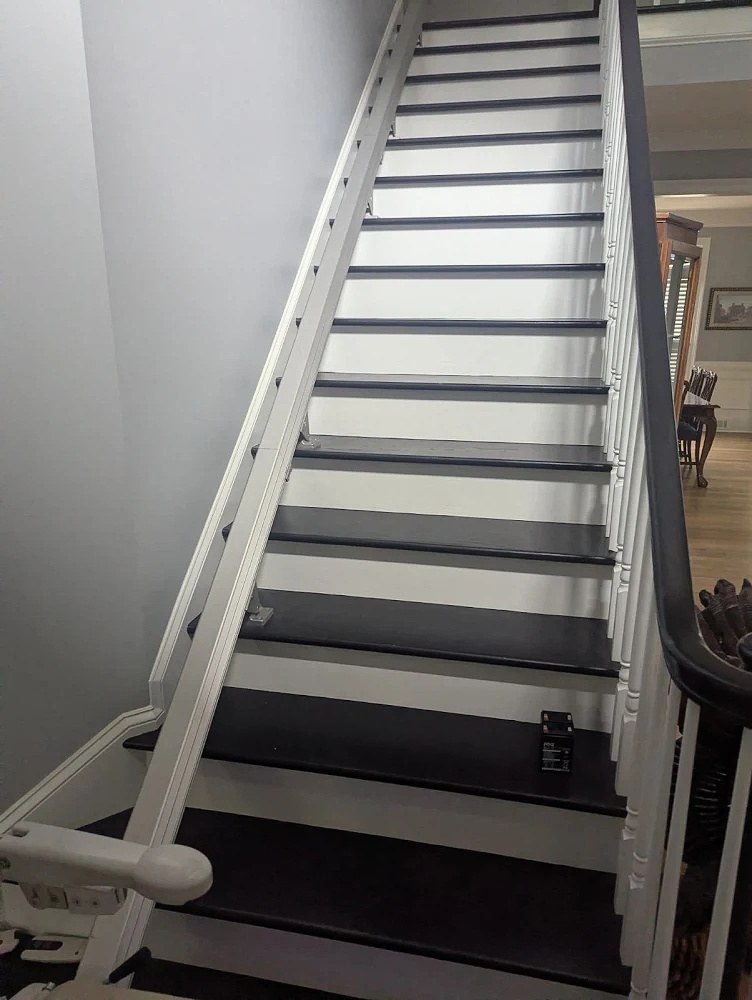
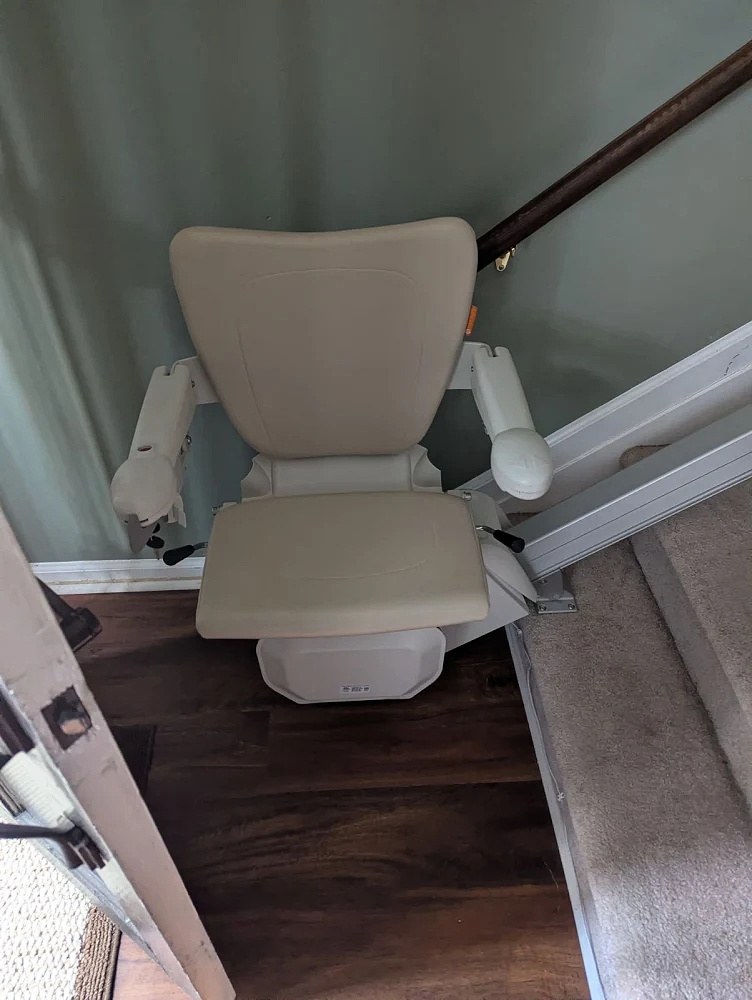
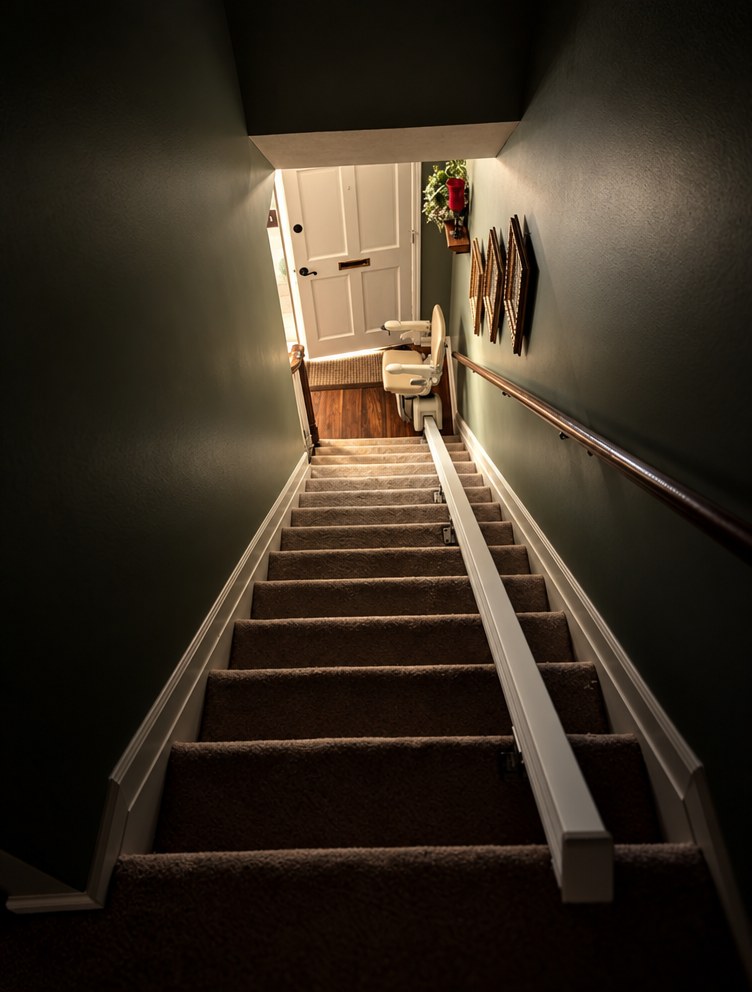
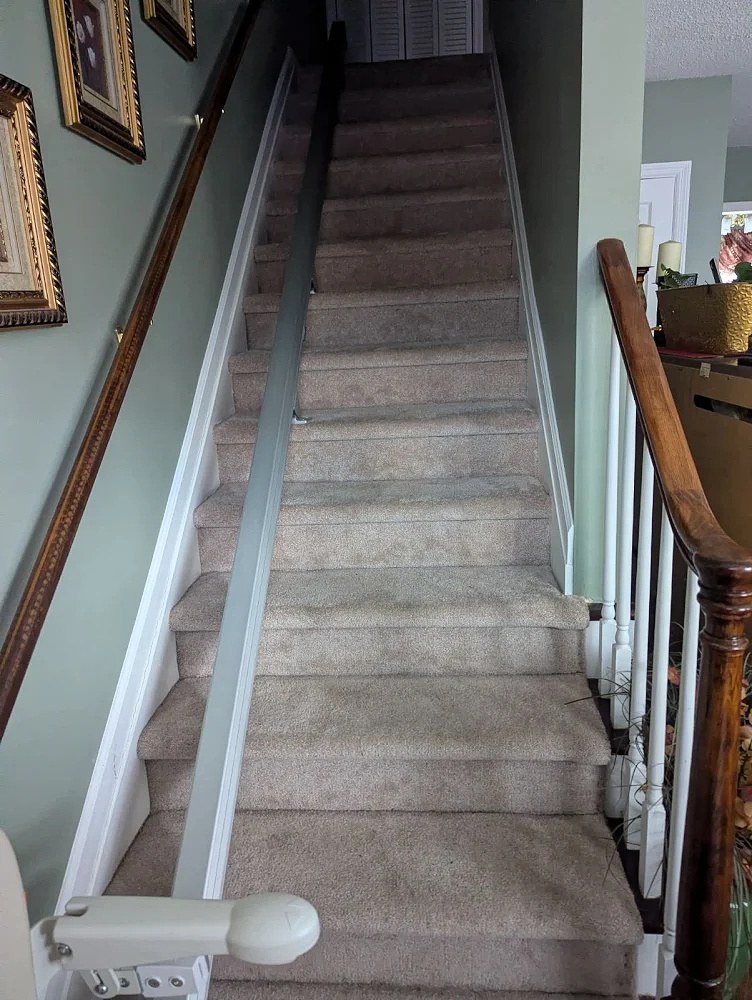
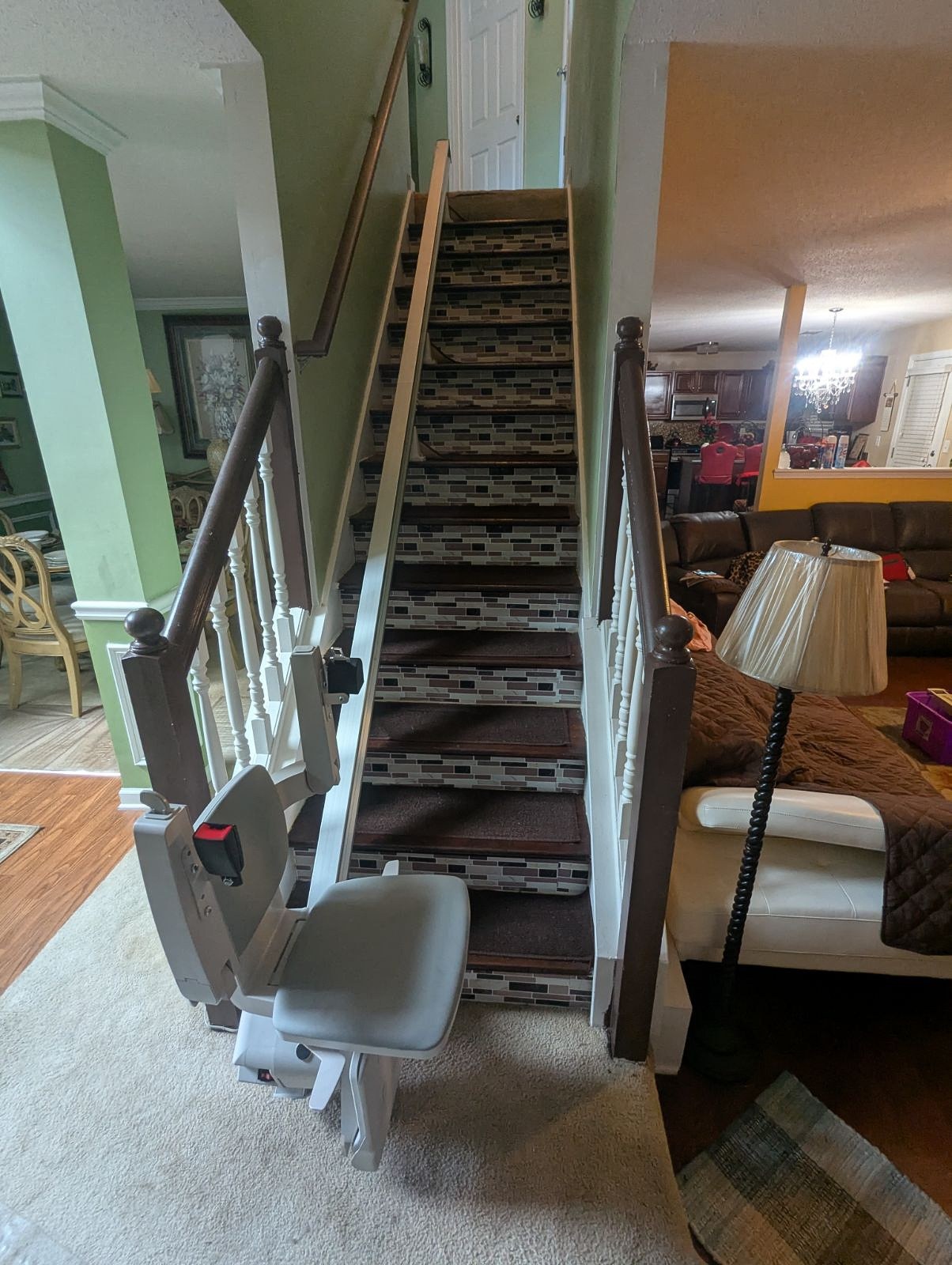
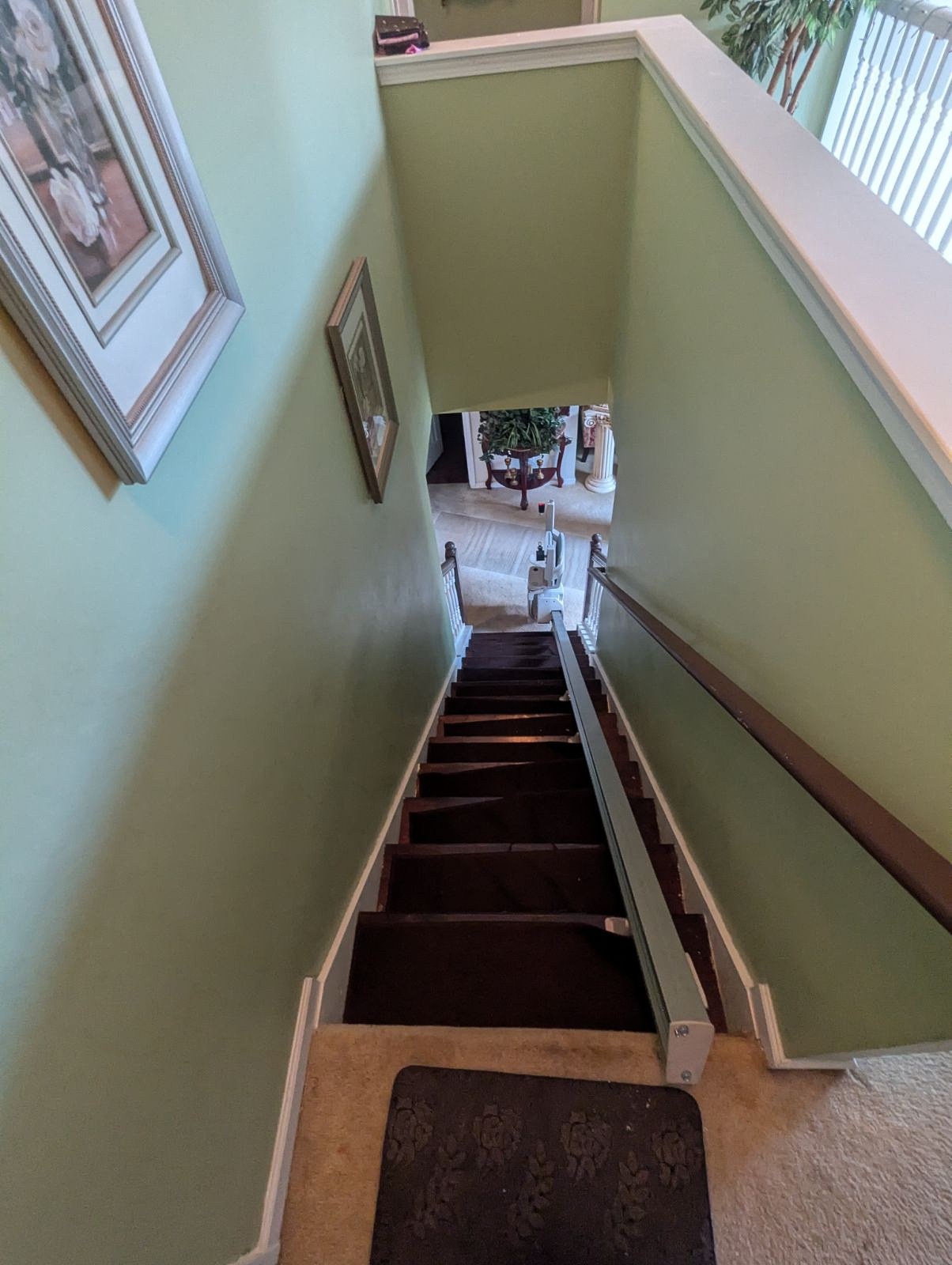
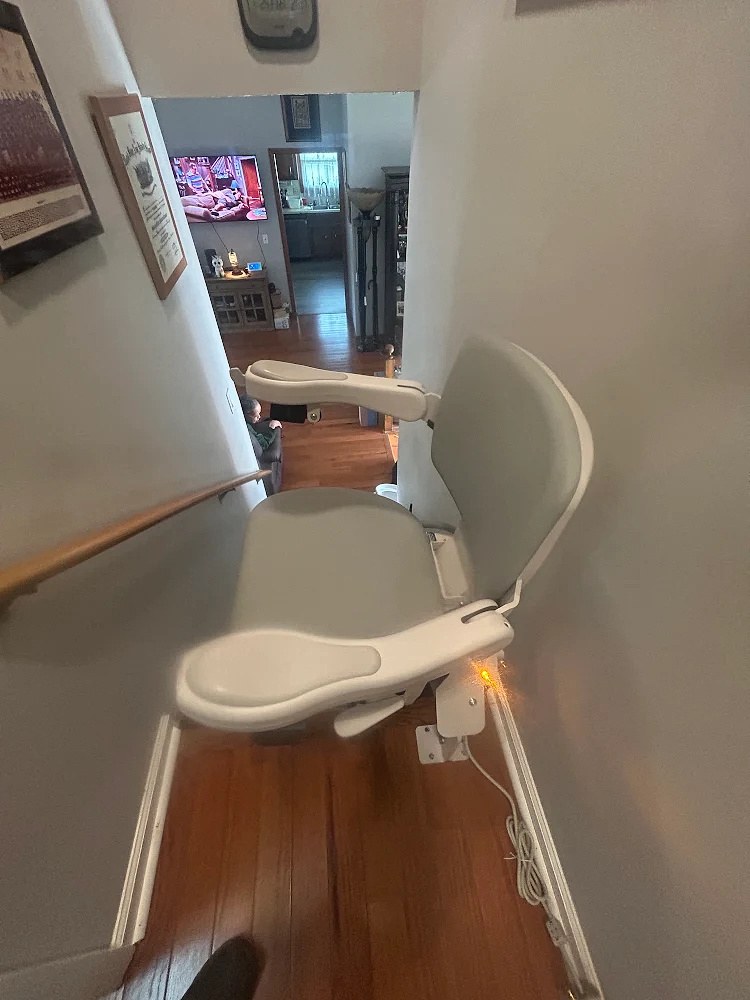
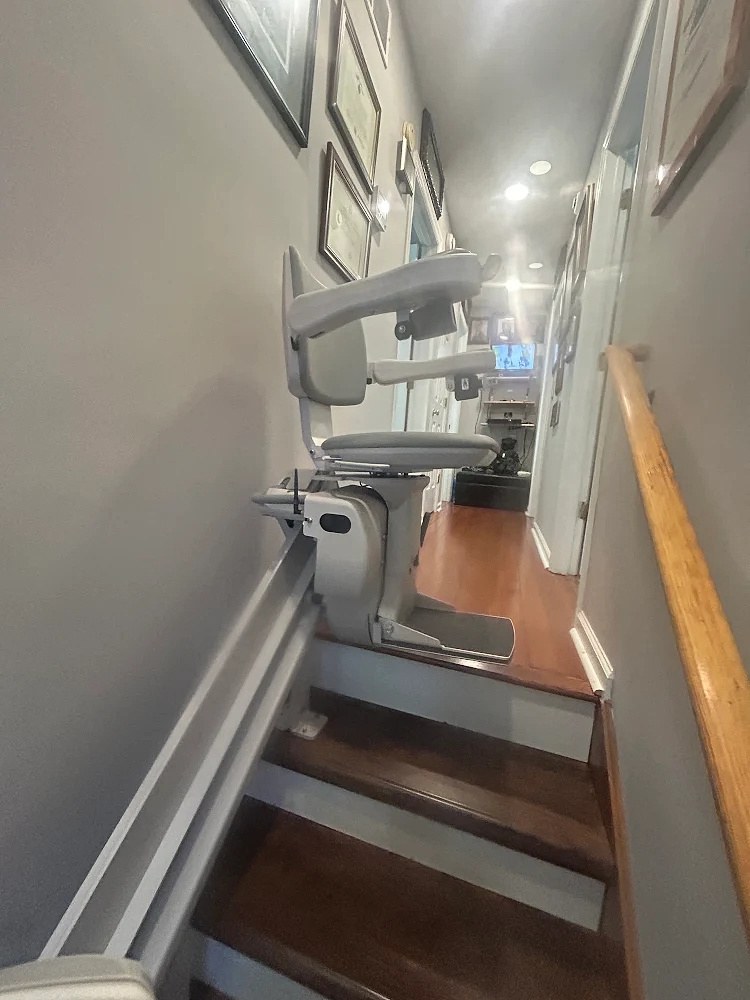
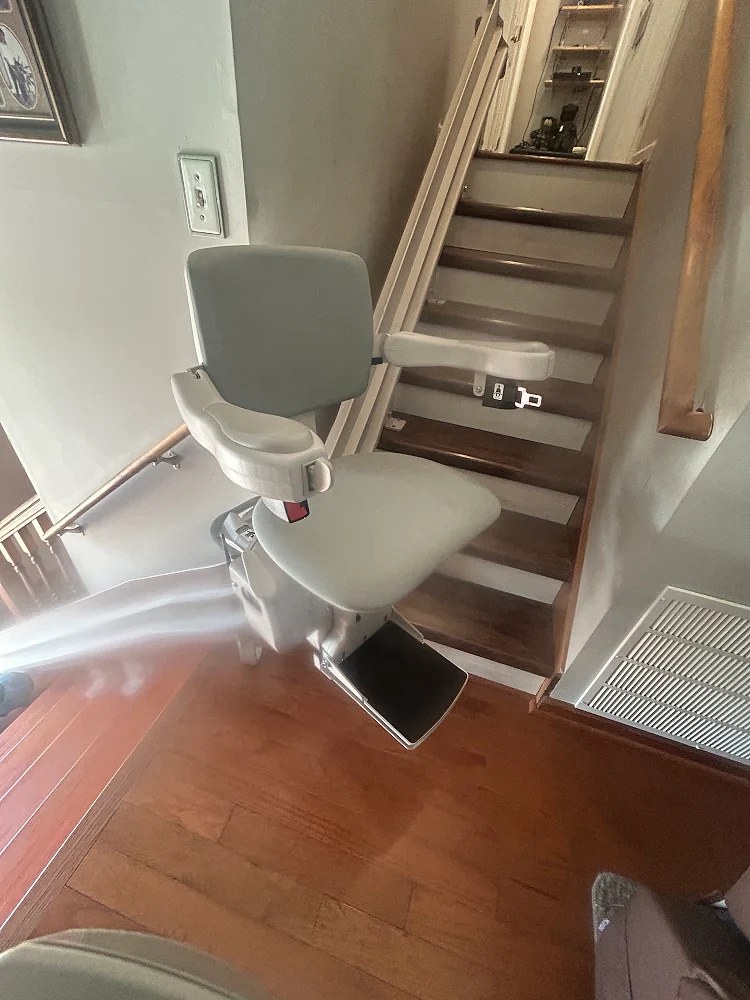
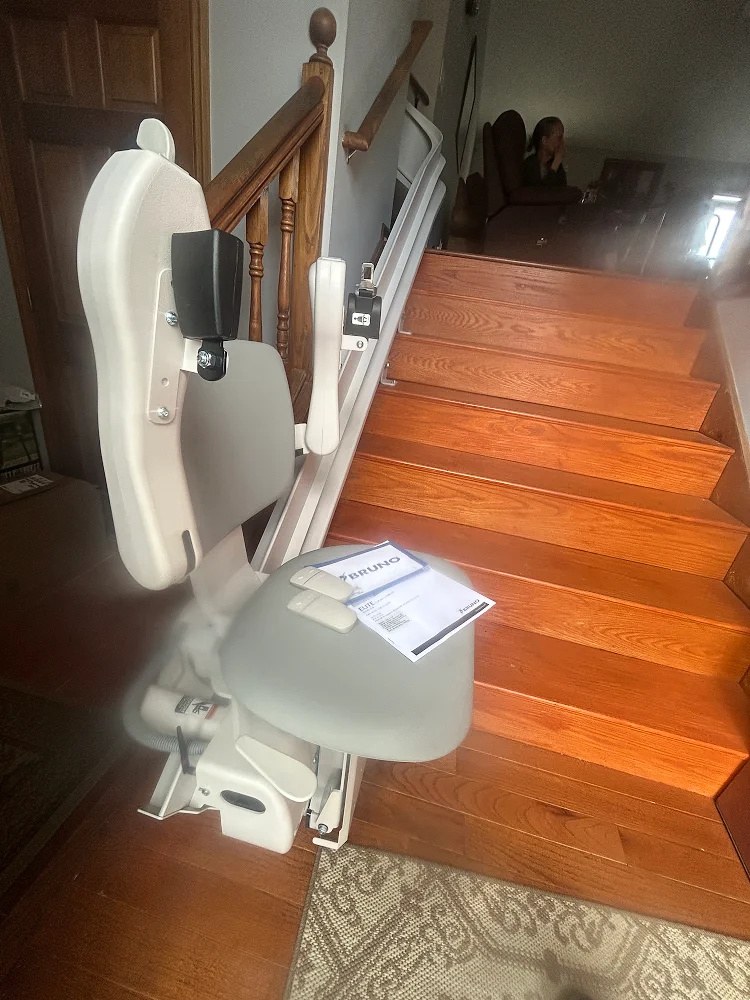
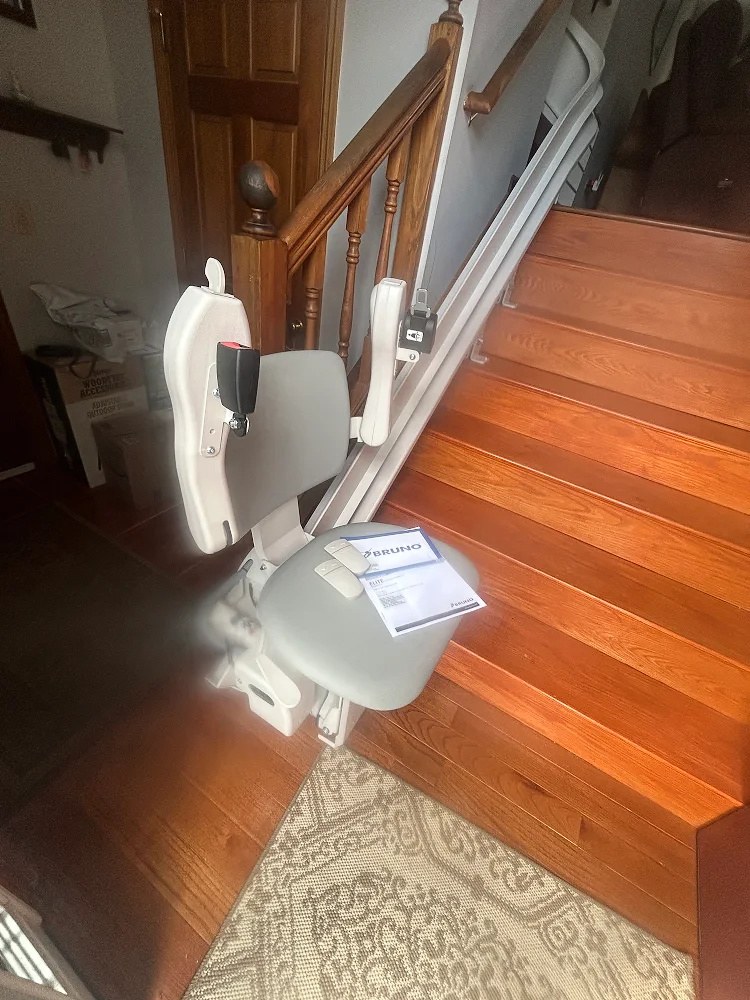
Five steps. You can stop at any of them, and nothing is charged until you have said yes to a written scope.
Not what product you think you need. The stairs, the front step, the bath, getting into the car. Working out the product is our job.
A call, not a sales pitchOn site, at your address, free. We check the space, the power, and the structure, and we talk through how the room actually gets used.
Free, and no obligationAn itemized scope and a price, with the lead time stated honestly. The price you agree to is the price of the job. Take as long as you like with it.
The price does not moveOur own people, not a subcontractor, who stay until everyone who has to operate it can operate it confidently.
Our own crewsThe company that installed it is the company that maintains it. You are not handed to somebody else once the invoice clears.
Same company, years laterTurn a card over.
Anybody can sell equipment. Installing it legally, configuring it clinically, and servicing it afterward takes credentials that have to be earned and kept current. Here is what our team holds.
Licensed elevator mechanics, state by state. Residential elevators and platform lifts are regulated work in most jurisdictions, and this is the license that makes it legal to do.
RESNA-recognized credential for evaluating a person's needs and specifying the assistive technology that fits. This is who you want configuring a power chair or a seating system.
The credential for supplying individually configured complex rehab. It is what separates a supplier who works alongside your clinical team from one who ships a box.
Training in modifying a home so someone can stay in it. It is the difference between installing equipment and understanding the house it goes into.
Industry service certification covering installation, maintenance, and repair standards across mobility equipment.
Federal certification for handling refrigerant in vehicle air conditioning. It is required to legally service a bus AC system, and it is why fleet work is something we can actually take on.
We work it. Every technician we have is our own and every one of them is mobile. There is no local outfit doing the job with our name on the invoice.
The list is a starting point rather than a boundary. Call and tell us the address. Mobile service means the question is scheduling, not territory.
Tell us the situation when you call. Emergencies and equipment failures are handled differently from a survey for a project someone is planning for the spring, and we will be honest about the difference rather than promise the same day to everybody.
Yes. Wheelchair lift preventive maintenance, securement service, and bus air conditioning for school districts and transit agencies, on contract, with records produced at the visit.
Everywhere. Someone comes out, measures, and tells you what it would take. No charge and no obligation.
Usually, depending on the platform. Send us the make and model and we will tell you honestly before you book anything. Plenty of our service work is on equipment somebody else installed.
A straight stairlift is two to four hours once we have the right unit, and we schedule around urgency. Somebody stuck upstairs is treated differently from a rattle that has been there a month, so say which it is when you call.
Yes. We are a federal contractor and approved vendor to the VA, working with dozens of medical centers. We cannot tell you what the VA will pay for, only what we have been contracted to supply before.
It depends on whether your staircase is straight or curved, which is the single biggest factor. A straight lift is fitted in two to four hours from stock; a curved rail is manufactured to your staircase over three to five weeks. We will not quote a range that turns out to be wrong, and the survey that gives you a real number is free.
Medicare generally treats a stairlift as a home modification rather than durable medical equipment, so usually no. Medicaid depends entirely on the state and the program. We do not yet bill health insurance, but VA contracts, homeowners claims and workers compensation are different and we work with all three.
Yes. We are a federal contractor and approved vendor to the VA, working with dozens of medical centers. We cannot tell you what the VA will pay for, only what we have been contracted to supply before, and how to request us by name if your equipment is already approved.
Yes. Wheelchair lift preventive maintenance, securement service and bus air conditioning, scheduled in your yard around your routes, with a digital record per unit rather than per bus.
Yes, including free on-site tune-up clinics for equipment residents already own, whoever sold it. Also ceiling track, patient lifts and building access.
Our service is mobile, so this list is a starting point rather than a boundary. If your town is not on it, call and ask. We come to you either way.
A mobility specialist will contact you shortly. All consultations, estimates, and scopes of work are provided completely free of charge. No pressure or obligation.